Blog
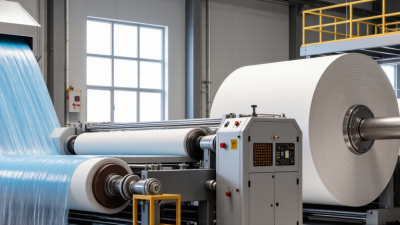
What Is a Tissue Paper Machine and How Does It Work?
A Tissue Paper Machine turns prepared pulp into thin, soft sheets used in facial tissue, toilet paper, napkins, and towels. Its work looks continuous, but each section changes the sheet in a specific way. Water-rich pulp enters through a headbox and spreads across a moving forming fabric. Water drains away, leaving a fragile web. It is delicate stuff.
The wet sheet may pass through pressing equipment before reaching a heated Yankee dryer. There, controlled heat removes more moisture, while a creping blade lifts the dried sheet from the cylinder and creates fine folds. Those folds help give tissue its softness, bulk, and stretch. The sheet then travels to a reel, where it is wound into a large parent roll for converting into finished products. Small adjustments matter. Fiber blend, machine speed, moisture, and blade condition can all affect strength and feel.
This guide explains the main components and follows the paper’s path through the machine. It also explores how operators balance production rate, energy use, sheet quality, and equipment care. Designs differ by tissue grade and mill, so no single machine layout tells the whole story. Even a clear diagram leaves out noise, vibration, and the judgment required on a running line. That is worth remembering. Understanding the process makes it easier to compare machine types and ask better questions about performance, maintenance, and product quality.
Read more »
 By:Oliver
- November 18, 2026
Who Are the Best Tissue Paper Machinery Suppliers in China?
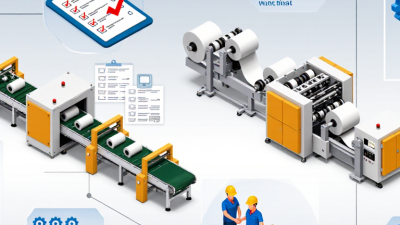
Choosing among China’s Tissue Paper Machinery suppliers requires more than comparing quotations. The right partner depends on the mill’s product range, production targets, budget, and available floor space. A compact converting line for facial tissue has different needs from a high-capacity machine producing parent rolls. Details matter.
A careful review should examine machine specifications, documented operating experience, quality-control procedures, installation support, and access to spare parts. Ask suppliers for references from comparable projects, clear explanations of output assumptions, and practical service plans. Check what the quoted package includes, from core equipment to operator training. Small details matter.
This guide explores how to assess suppliers without treating marketing claims as proof. It looks at engineering capability, customization, communication, delivery, and after-sales support. Where available, factory visits or live production demonstrations can help buyers understand how equipment performs beyond a brochure. Yet one visit cannot answer everything. A production sample may reflect a specific material, operator, or operating speed, so results deserve context. That judgment is not always simple.
The strongest choice is not automatically the largest factory or lowest-priced offer. It is the supplier whose capabilities match the buyer’s requirements and whose commitments can be checked. By comparing technical evidence, service terms, and customer feedback, buyers can build a more reliable shortlist. No supplier is perfect. Clear questions—and careful verification—make the decision stronger.
Read more »
By:Oliver
- November 18, 2026
What Is a Tissue Making Machine?
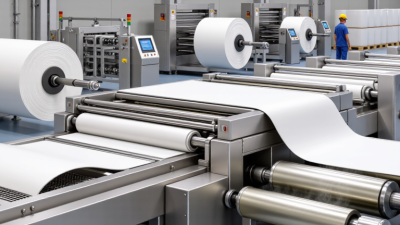
A Tissue Making Machine turns paper pulp into soft, thin sheets used for facial tissue, toilet paper, and paper towels. In a typical production line, pulp and water form a wet sheet on a moving wire. Pressing removes some water, while heated cylinders dry the sheet. A creping blade then lifts the paper from the dryer, creating the familiar softness and slight stretch. The finished web is wound into large rolls. From there, separate converting equipment may cut, fold, emboss, or package it.
The exact setup depends on the product, raw materials, and required output. Some machines use fresh fiber, while others can process suitable recycled fiber. Operators monitor details such as sheet moisture, tension, and blade condition; small changes can affect strength, texture, and run stability. It is easy to focus on production speed. Quality matters just as much. A fast line that makes uneven tissue is not a good result.
That sounds simple on paper. Real lines are less tidy. Fiber quality can vary, and settings that work for one grade may not suit another. That is why a machine’s design, controls, maintenance plan, and operator experience all matter. Understanding these basics makes it easier to compare equipment and ask practical questions before choosing a system. It also helps clarify what “tissue making” includes—and which finishing steps happen elsewhere.
Read more »
By:Oliver
- November 18, 2026