Engineering Blueprint & Market Intent: Facial Tissue Paper Making Machine Selection
In global tissue converting, choosing a facial tissue paper making machine requires analyzing machine speed, folding precision, vacuum stability, energy efficiency, and total cost of ownership (TCO). As global demand shifts away from single-use plastics toward sustainable, bio-degradable soft-pack and boxed facial tissue products, purchasing decisions must account for both current raw paper supplies and future automation trends.
1. Technical Architecture of Modern Facial Tissue Machines
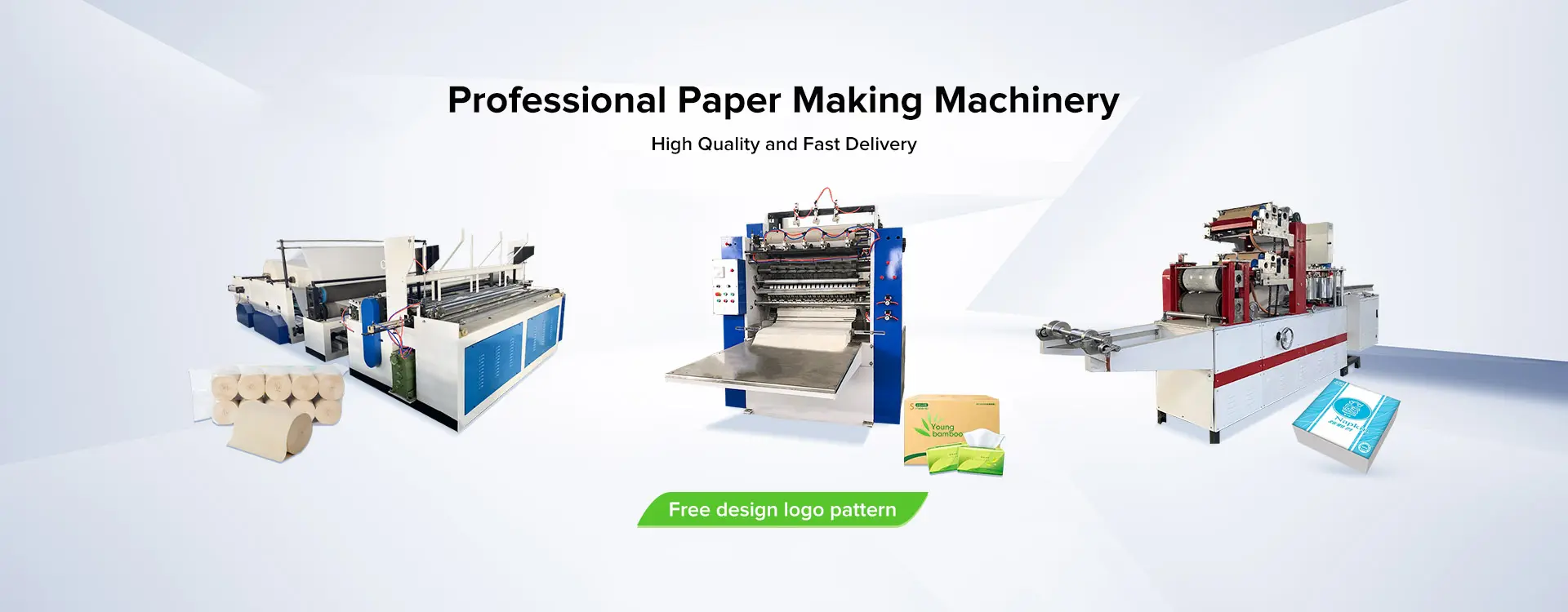
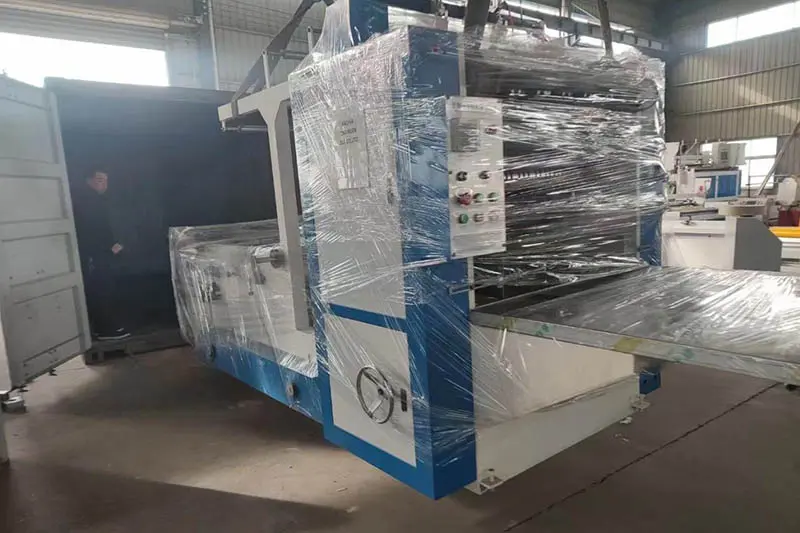
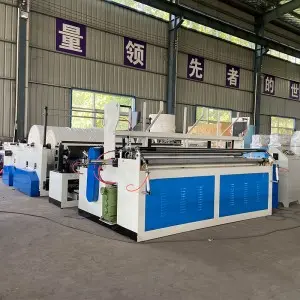
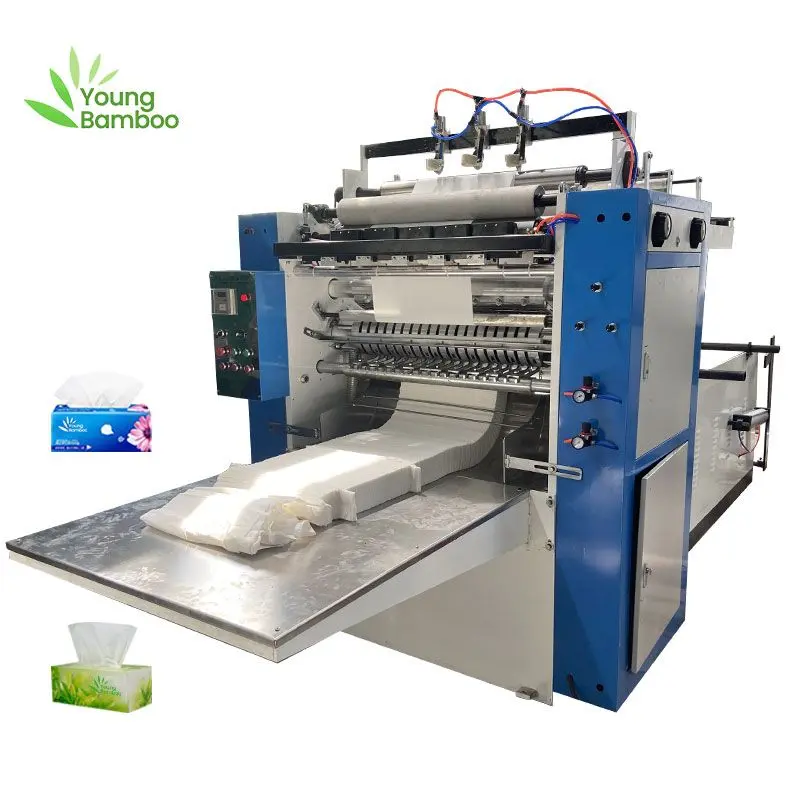
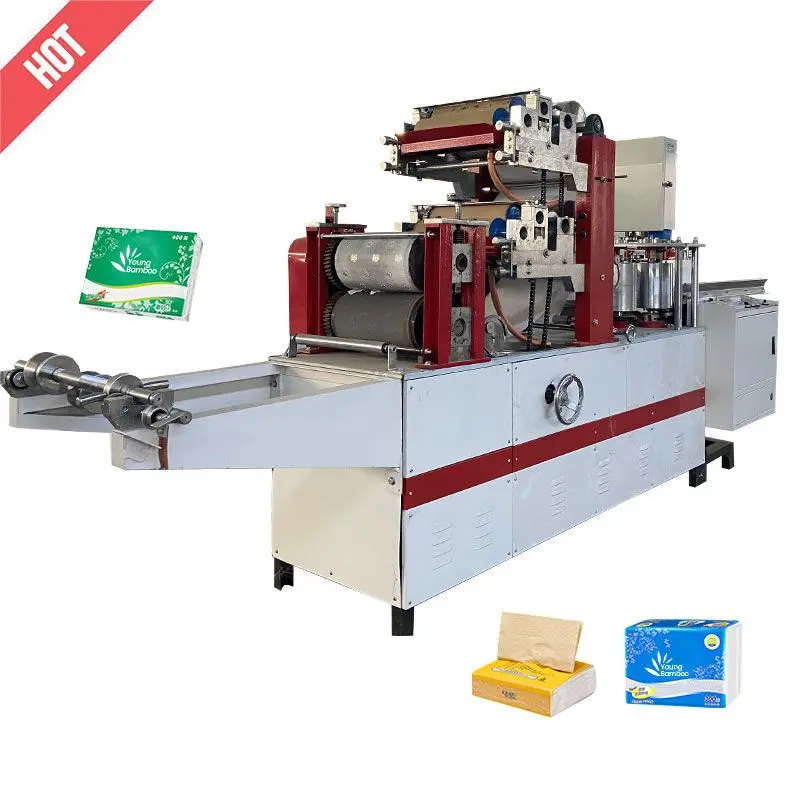
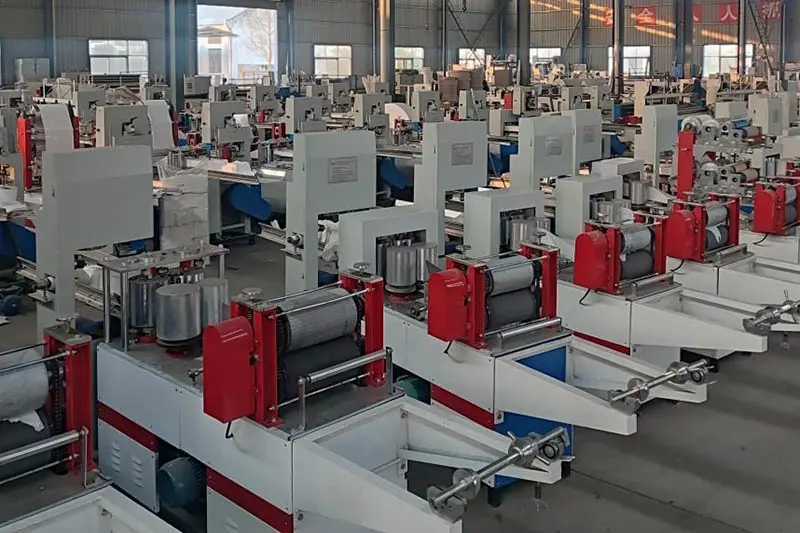
A modern automatic facial tissue paper making machine consists of five core mechanical modules:
- Jumbo Roll Stand & Tension Control: Equipped with independent flat belt unwinding systems and pneumatic paper loading. Variable frequency drives (VFD) maintain continuous web tension regardless of parent roll diameter.
- Embossing & Edge Calendering Unit: Utilizes steel-to-rubber or steel-to-steel rollers to bond multi-ply tissue sheets along the borders or apply full-surface decorative textures.
- Vacuum Interfolding Assembly: High-vacuum suction cylinders draw tissue webs into interfolded V-fold (pop-up), N-fold, or Z-fold geometries at speeds up to 200 meters per minute per lane.
- Automatic Counting & Separation: Electronic sensor arrays count exact sheet quantities per log (e.g., 100, 150, or 200 pulls) and trigger pneumatic fingers to separate stacks without stopping the machine.
- Inline Slitting & Log Sawing: High-speed band saws or rotary log cutters slice the folded tissue logs into precise retail sheet widths (typically 190mm–210mm) with clean, lint-free edges.
2. Machinery Comparison Matrix: Selecting the Right Capacity
To assist procurement directors and plant operators in aligning machinery selection with production targets, Seasia Tissue Equipment Co., Ltd. provides the following performance matrix:
| Model Series |
Lanes / Channels |
Folding Type |
Design Speed (Sheets/Min) |
Parent Roll Width |
Power Requirement |
| ST-FT-2L |
2 Lanes |
V-Fold (Interfolded) |
1,200 – 1,600 |
420 mm - 500 mm |
7.5 kW + Vacuum 5.5 kW |
| ST-FT-4L |
4 Lanes |
V-Fold / N-Fold |
2,800 – 3,600 |
840 mm - 1050 mm |
11 kW + Vacuum 11 kW |
| ST-FT-6L |
6 Lanes |
V-Fold (Pop-Up) |
4,200 – 5,400 |
1260 mm - 1500 mm |
15 kW + Vacuum 15 kW |
| ST-FT-8L Line |
8 Lanes (Full Auto) |
V-Fold / Z-Fold |
5,600 – 7,200 |
1680 mm - 2100 mm |
22 kW + Vacuum 22 kW |
Future Procurement & Global Industry Trends (2025–2030)
Global tissue converters must evaluate industry shifts when purchasing paper converting machinery to maintain market competitiveness over a 10-to-15-year machine lifecycle.
Trend 1: Transition to High-Ratio Recycled & Bamboo Fiber Compatibility
Raw material prices fluctuate significantly. Modern facial tissue paper making machines are designed to process pure virgin wood pulp, recycled fiber blends, and 100% unbleached bamboo pulp without web breaks. Advanced tension sensors dynamically compensate for lower tensile strength in eco-friendly fibers, preventing web tearing at elevated operating speeds.
Trend 2: Direct-Drive Servo Motor Control Systems
Legacy mechanical gear-driven machinery suffers from mechanical wear, high maintenance overhead, and complex belt adjustments during size changes. Industry-leading converting lines utilize full multi-axis servo drive technology (Schneider/Siemens PLC). Servo drive integration enables touch-screen folding adjustments, reduces electricity consumption by up to 22%, and dramatically shortens product changeover times.
Trend 3: Automated Inline Packaging & Case Packing Integration
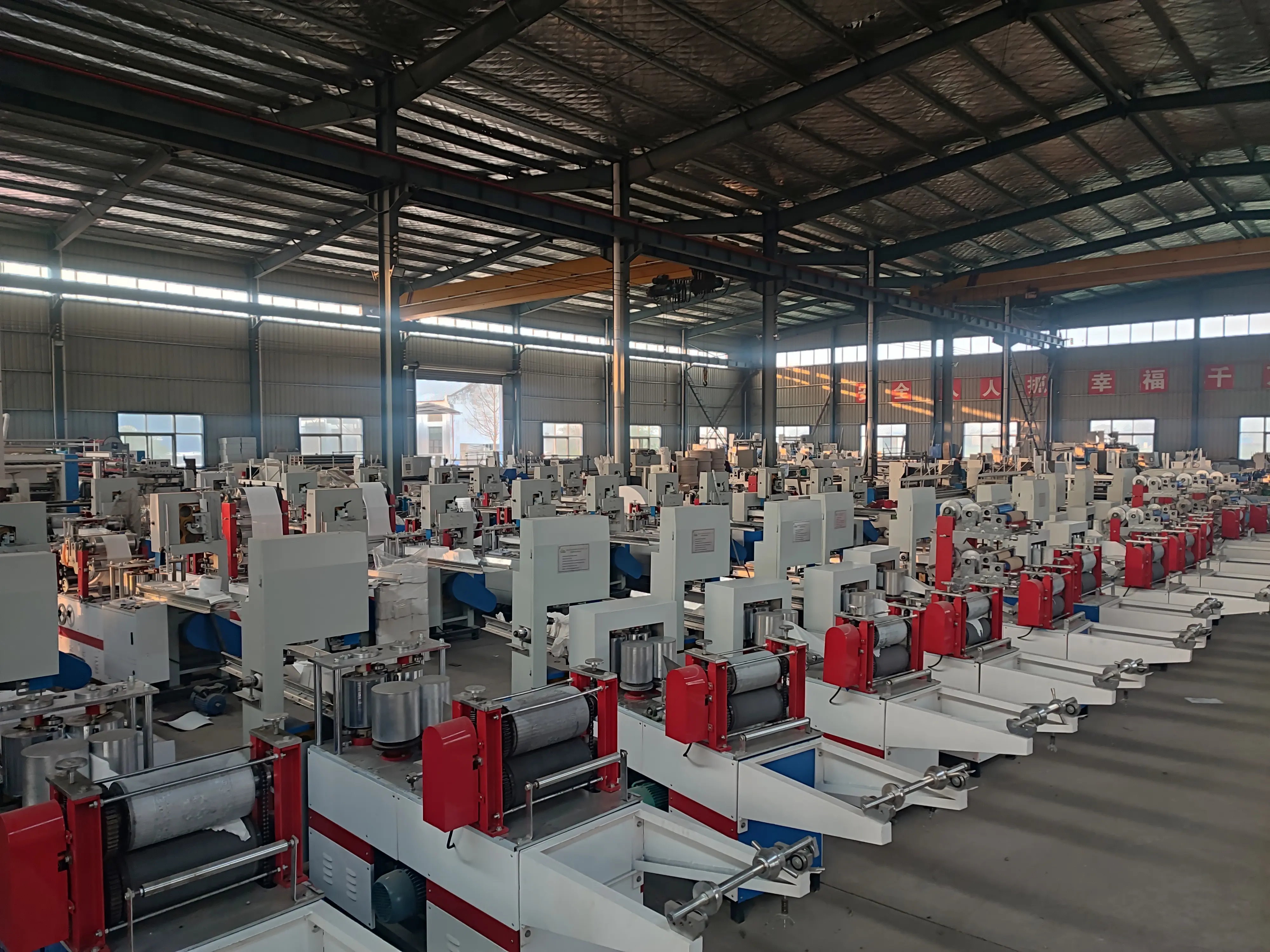
Labor costs continue to rise globally. B2B buyers increasingly specify fully automated production corridors where the facial tissue folding machine links directly to automatic log saws, single-bundle soft pack wrapping machines, multi-pack grouping wrappers, and automated carton sealers. Fully integrated lines eliminate manual touchpoints, ensuring hygiene standards suitable for pharmaceutical, institutional, and consumer-grade tissue packaging.