CE & ISO CertifiedFull regulatory export compliance
TÜV Verified SupplierAudited production facilities
Global InstallationMali, Kenya, Poland, India & beyond
Turnkey SolutionsHydrapulper to automatic packing
Engineering Comprehensive Waste Paper Recycling Egg Tray Machine Systems: Technical Blueprint & Economic ROI Analysis
Investing in a commercial waste paper recycling egg tray machine represents one of the most resilient, circular-economy industrial business models available today. Driven by global mandates banning single-use plastics, expanding poultry farming sectors, and increasing retail demand for protective eco-friendly packaging, molded pulp trays have shifted from a traditional regional packaging choice to a primary global commodity.
However, successful commercial deployment requires a deep technical understanding of slurry rheology, vacuum formation dynamics, thermal moisture balance, and mold geometry. At Seasia Tissue Equipment Co., Ltd., we design and manufacture pulp molding production lines that transform low-cost raw waste paper—such as Old Corrugated Containers (OCC), Old Newsprint (ONP), white office waste, and kraft offcuts—into rigid, shock-absorbent 30-egg trays, 6/12-egg retail cartons, fruit trays, coffee cup carriers, and industrial electronic protective cushions.
Technical Information Gain (Mass-Balance & Yield Calculations): To produce 1,000 standard 30-egg pulp trays (60 grams dry weight per tray), approximately 63–65 kg of waste paper is required, taking into account a 3–5% dry fiber loss during screening and edge trimming. Water efficiency is achieved through closed-loop recirculation: every ton of molded pulp consumes only 1.5 to 2.5 cubic meters of fresh makeup water, while over 95% of process water is filtered and reused continuously.
The 4-Stage Mechanical Process of Paper Pulp Molding Lines
A fully integrated commercial egg tray manufacturing system engineered by Seasia Tissue Equipment Co., Ltd. operates across four automated stages:
1. High-Consistency Pulping System: Waste paper is introduced into a hydraulic pulper where high-shear mechanical rotors disintegrate paper fibers in water at a consistency of 3% to 5%. Heavy contaminants (staples, plastic tape, sand) are separated via a sediment trap and vibrating screen. The fiber slurry is then pumped to a pulp chest and diluted to an exact forming consistency of 0.8% to 1.2%.
2. Vacuum Suction Forming System: The diluted pulp enters the slurry vat of the rotary or reciprocating forming machine. High-vacuum pumps (typically operating between -0.06 to -0.08 MPa) draw the water through stainless steel mesh screens attached to precision-machined aluminum or bronze molds, depositing a uniform layer of wet fiber on the mold surface. Transfer molds using compressed air blow the wet green trays (containing ~70% moisture) onto the drying conveyor.
3. Thermal Drying & Moisture Extraction: Wet trays pass through a continuous drying system to evaporate water until the final moisture content drops below 8-10%. Depending on fuel costs, climate, and plant footprint, buyers select between natural sun drying (for small plants in warm zones), brick drying tunnels, or energy-efficient multi-layer metal drying channels with heat recovery systems.
4. Hot-Pressing, Stacking & Automatic Packing: For high-density retail egg cartons or smooth fruit trays, a hydraulic hot-press shaping machine compresses dried trays under 150°C–180°C temperatures and 5–10 tons of pressure, imparting smooth surfaces and crisp folding edges. Finished trays are counted, stacked, and compressed into bundles by automatic baling machines.
Product Recommendation
Recommended Waste Paper Recycling Egg Tray Machine Models
Configured for diverse production scales—from small farm installations to heavy-duty multi-layer industrial plants.
POPULAR
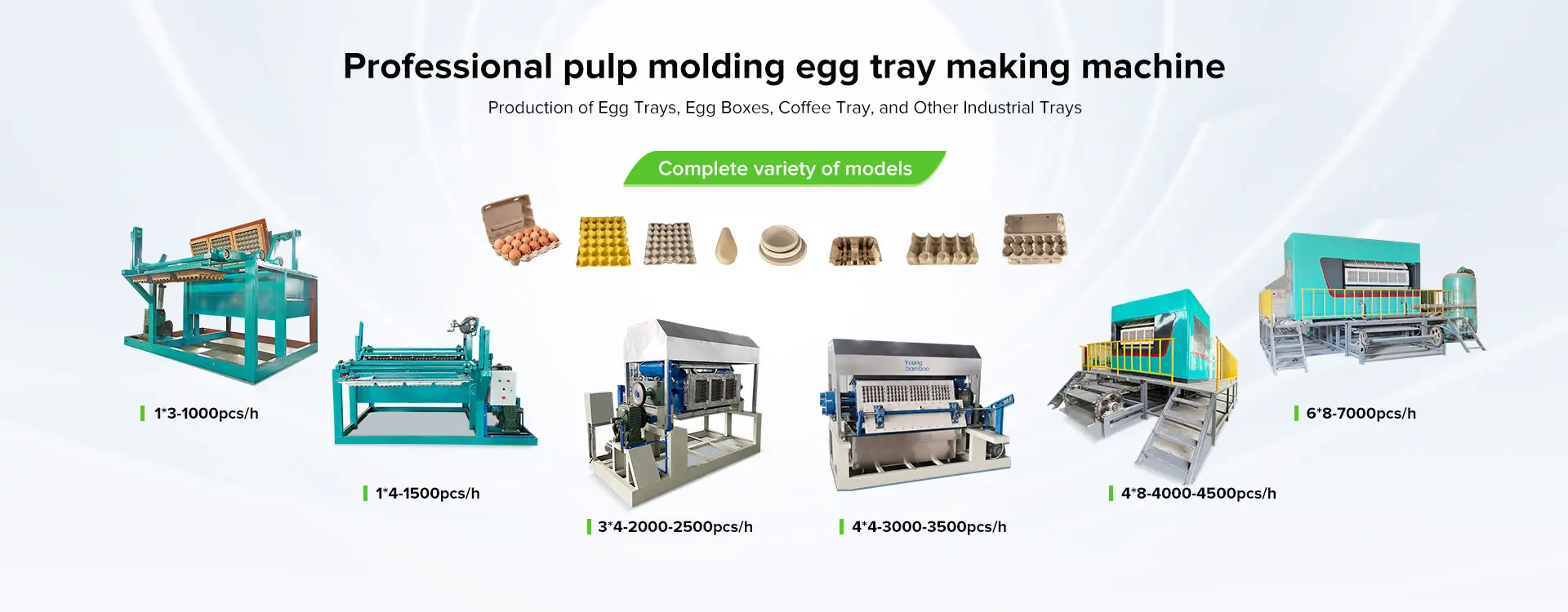
1,000 - 1,500 Pcs/Hour
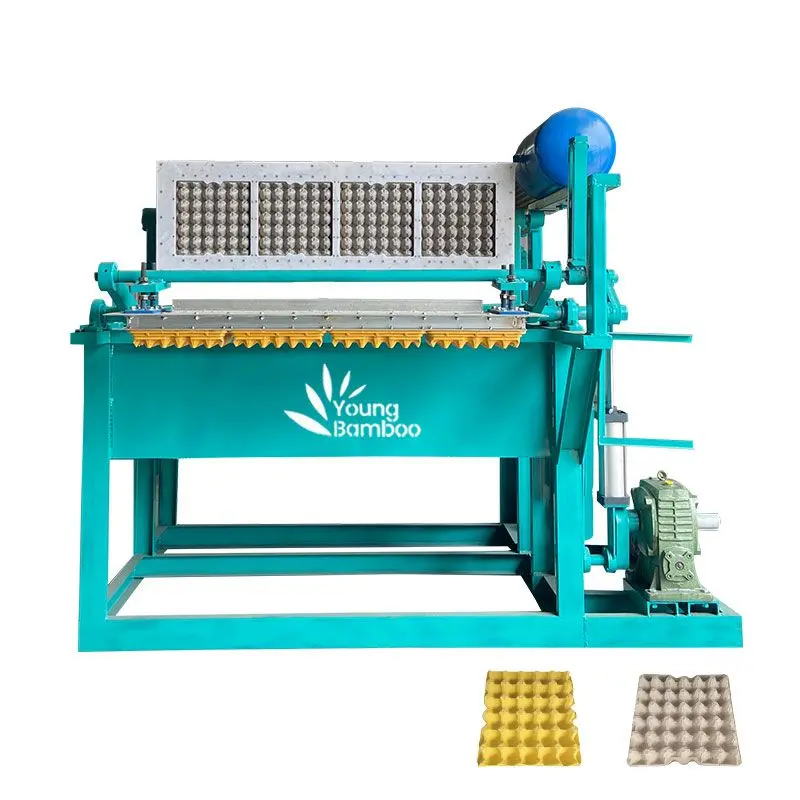
Reciprocating Small-Capacity Egg Tray Machine
Ideal for poultry farms and start-up businesses. Features low energy consumption, compact footprint, and simple manual or sun-drying conveyor integration.
Specs: Forming Power 7.5kW | Vacuum Pump 11kW | Mold Platen 1x3 / 1x4 | Raw Material 70-100 kg/h
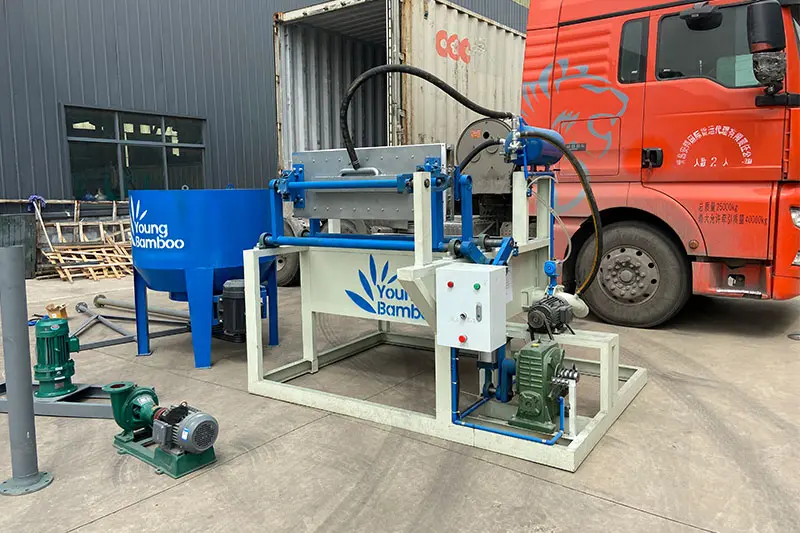
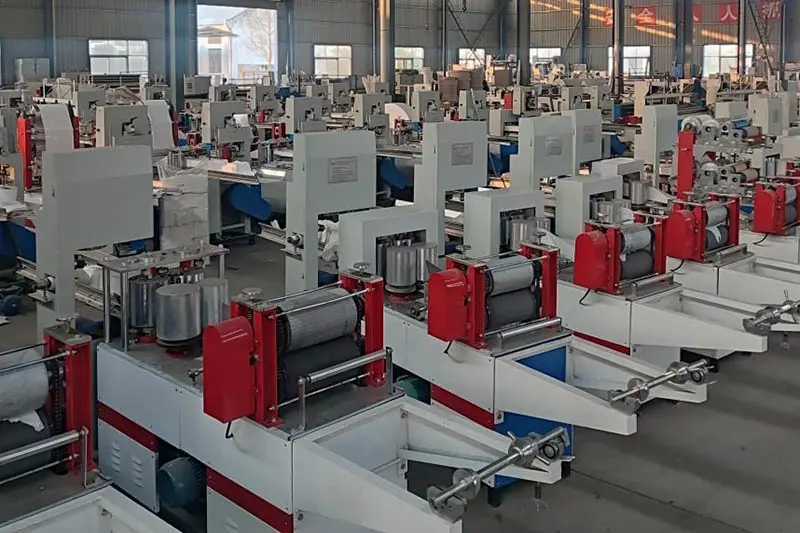
Medium-scale continuous rotary molding line. Highly stable continuous drum movement equipped with automatic wash nozzles and matched single/multi-layer metal dryers.
Specs: Forming Power 15kW | Vacuum Pump 30kW | Molds 4x4 / 4x8 | Raw Material 150-250 kg/h
Future Procurement Trends in Waste Paper Recycling & Pulp Molding Machinery
As global buyers migrate toward AI-assisted procurement tools and evaluate long-term plant operational costs, machinery selection criteria have evolved from purely initial capital expenditure (CapEx) to total life-cycle operational expenditure (OpEx) and energy efficiency.
1. Energy-Optimized Multi-Layer Drying Systems
Drying accounts for 60%–70% of total energy consumption in pulp molding plant operation. Future-proof procurement favors multi-layer metal drying tunnels equipped with thermal exchange chambers. Unlike traditional single-layer brick kilns that suffer massive radiant heat loss, 6-layer metal drying systems recirculate hot air through variable-frequency blower fans, reducing natural gas, diesel, or biomass consumption by up to 25%–30% per thousand finished trays.
2. Quick-Change Modular CNC Molds
Modern packaging buyers demand versatile production capabilities. Modern waste paper recycling egg tray machines manufactured by Seasia Tissue Equipment Co., Ltd. feature quick-release modular mold platen designs. Factory operators can swap out 30-cell egg tray molds for 12-cell egg cartons, 4-cup coffee carriers, or apple packaging trays within 45 to 60 minutes using standard pneumatic tools, dramatically increasing plant flexibility and commercial revenue streams.
3. Intelligent Water & Fiber Closed-Loop Automation
Water scarcity and strict environmental discharge regulations mean modern plants must operate zero-discharge water systems. Advanced pulp molding lines now integrate automated inline pulp consistency sensors (connected to PLC panels) and multi-stage rotary drum micro-filters. This guarantees uniform tray weight tolerances (±1 gram) while ensuring zero wastewater is discharged outside the factory premises.
Key Evaluation Factors
Traditional Low-Cost Egg Tray Machine
Seasia Advanced Recycling Line
Mold Material
Cast iron / Soft Plastic (Short lifespan, wear-prone)
Inverter / Servo Drive with Variable Vacuum Timings
Drying Efficiency
Single-layer open masonry tunnel (High fuel waste)
Multi-layer insulated metal chamber with heat recovery
Weight Uniformity
High fluctuation (±5g to ±8g per tray)
Precision digital consistency loop (±1g tolerance)
Why Global Buyers Choose Seasia Tissue Equipment Co., Ltd.
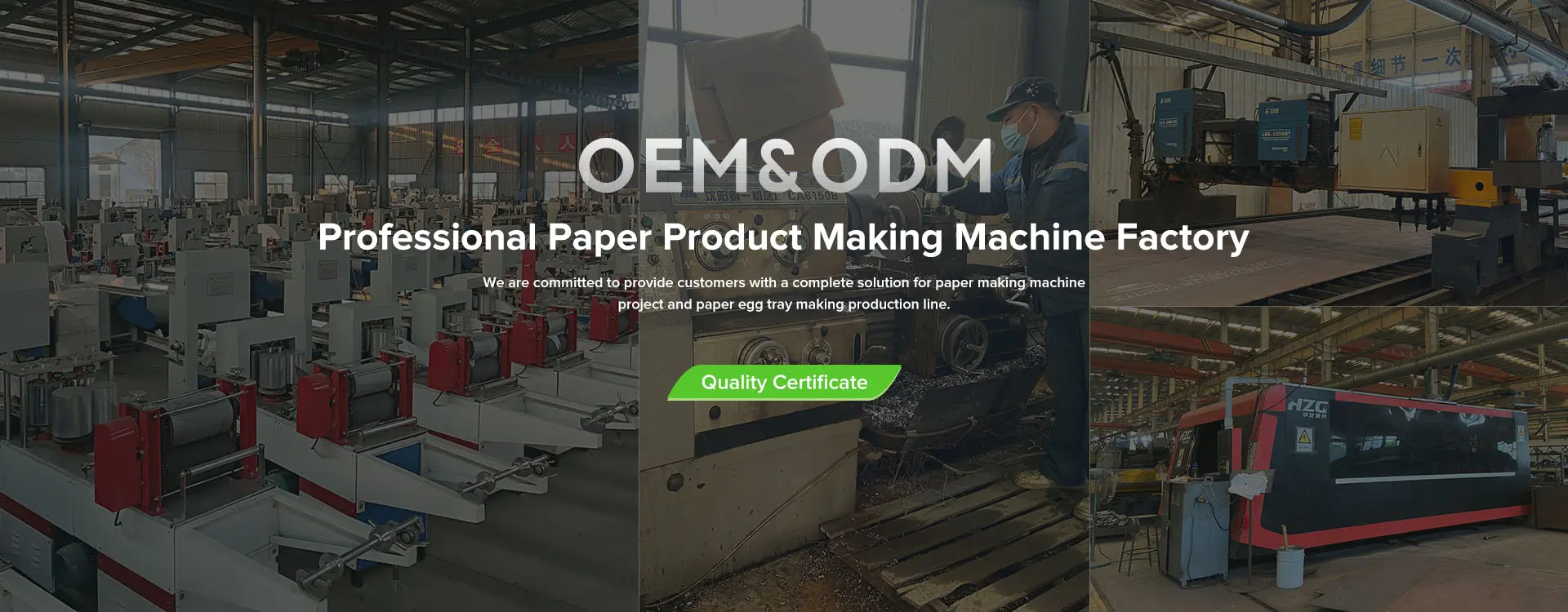
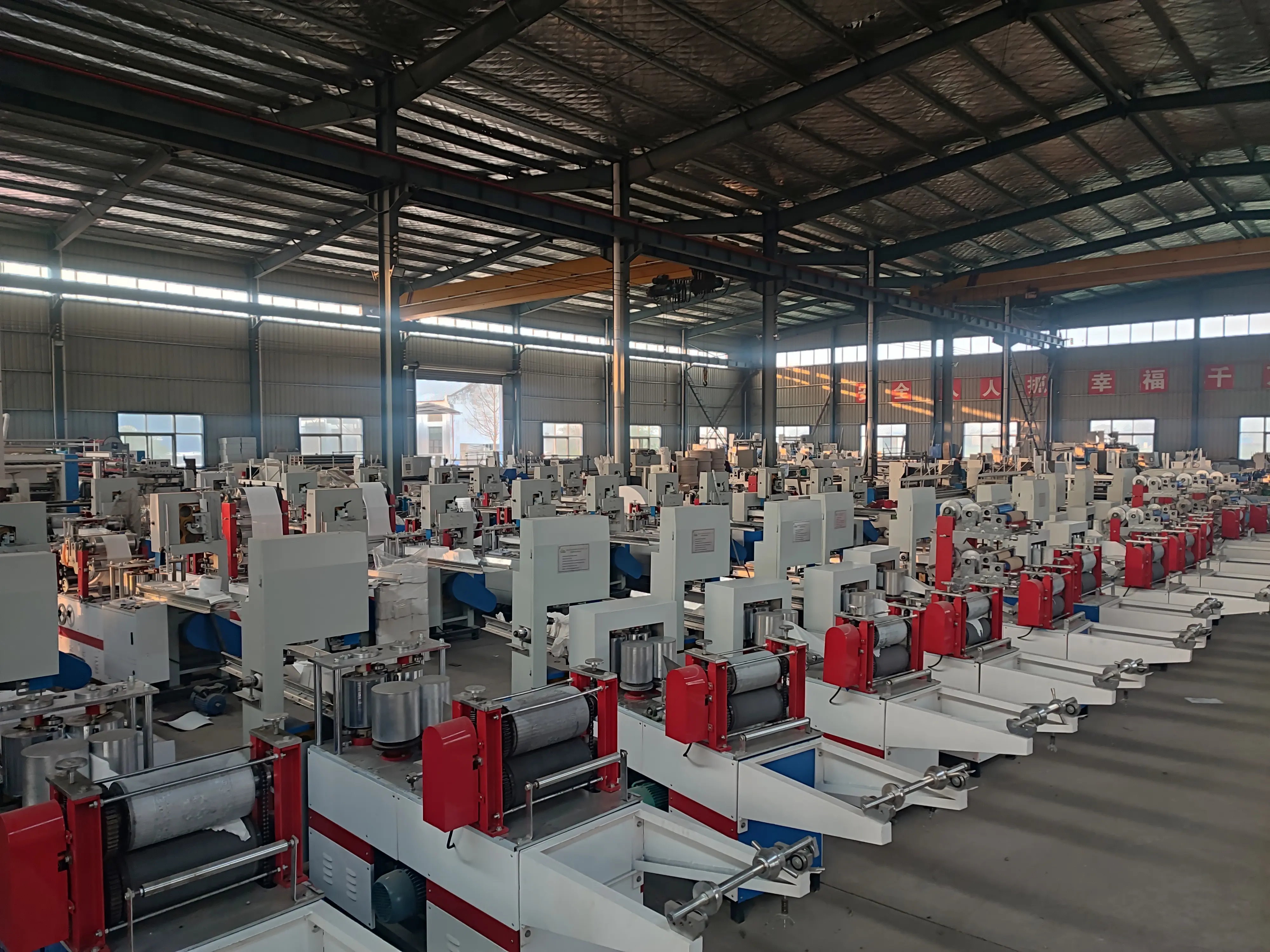
Located in Zhengzhou, Henan, China, Seasia Tissue Equipment Co., Ltd. has established itself as an authoritative manufacturer of paper processing and pulp molding machinery. Built on engineering precision, practical innovation, and strict Quality Management Systems (QMS), our equipment operates across Asia, Africa, Europe, and the Americas.
Our Factory Strengths & E-E-A-T Commitments
Pre-Shipment Factory Wet Testing: Unlike trading intermediaries, every single waste paper recycling egg tray machine manufactured in our facility undergoes rigorous wet pulping and vacuum testing with actual recycled paper pulp prior to container loading. Buyers receive full operational video documentation before final payment.
Custom Engineering & Voltage Configuration: We customize electrical controls (380V, 415V, 440V, 220V at 50Hz or 60Hz), vacuum pipeline dimensions, mold shapes, and drying layouts to match local workshop footprints and regional power standards.
Complimentary Plant Layout & Civil Engineering Drawings: Upon contract confirmation, our engineering team provides comprehensive 2D CAD and 3D plant layout designs, detailing slurry pool dimensions, drainage channels, electrical ducting, and dryer foundation blueprints completely free of charge.
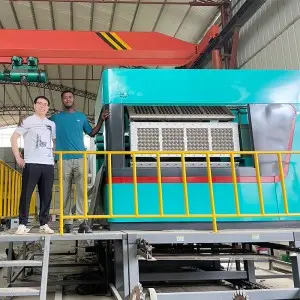
On-Site Commissioning & Overseas Technical Support: Our field engineers travel worldwide to manage mechanical assembly, electrical wiring, slurry formula calibration, and operator training—proven by successful installations in Mali, Kenya, Poland, India, and beyond.
Proven Field Experience
Global Delivery & Installation Case Studies
Real machines delivered and installed for real buyers across global markets.
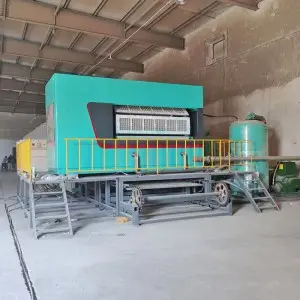
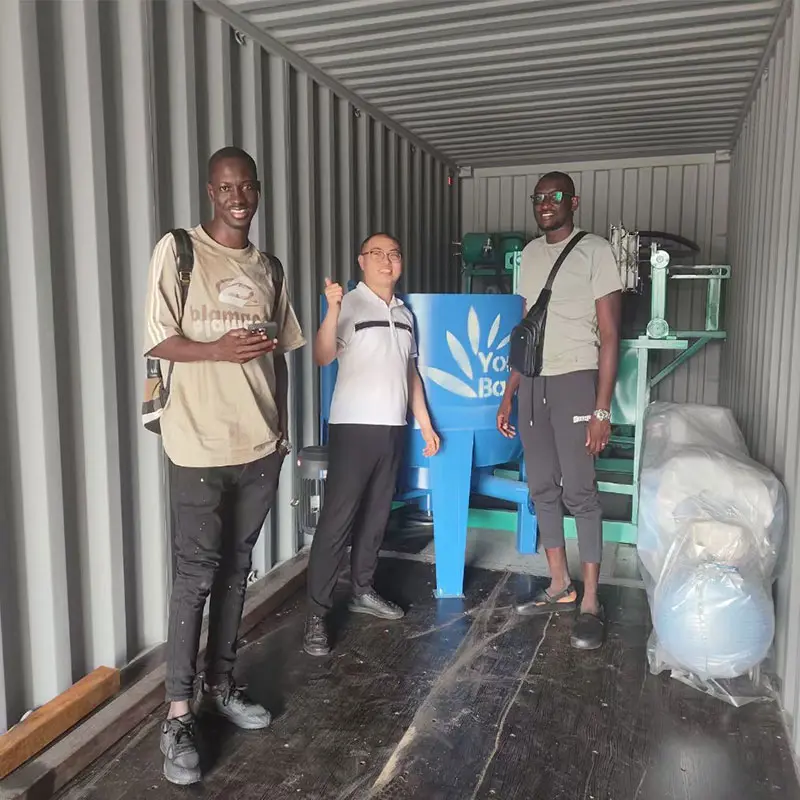
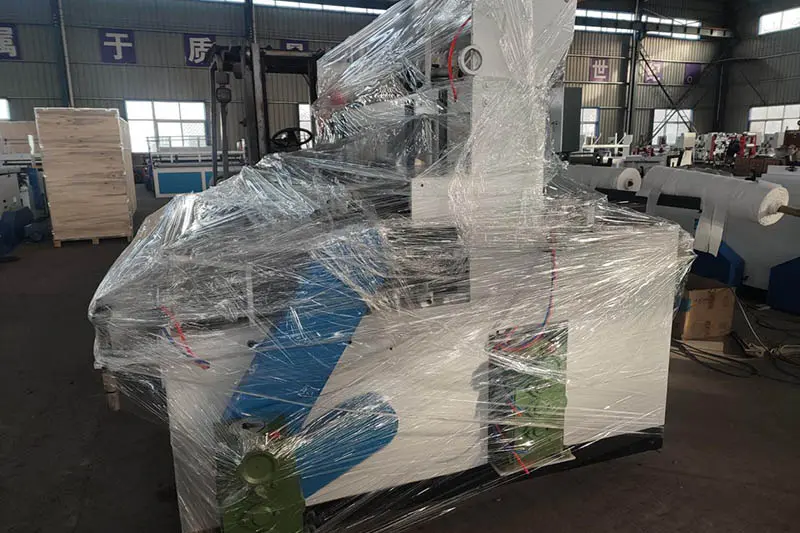
Mali
1×4 Egg Tray Machine & Metal Dryer
Delivered to Mali with custom slurry tank blueprints and remote video commissioning support.
Frequently Asked Questions: Waste Paper Recycling Egg Tray Machines
Clear, technical answers to common queries asked by global buyers during project feasibility evaluation.
What types of waste paper can be recycled into egg trays, and do they require additives?
Virtually all cellulose-based waste paper can be utilized, including Old Corrugated Containers (OCC), newspaper (ONP), magazine paper, office waste, kraft paper offcuts, and cardboard box scraps. For standard 30-cell egg trays, no chemical binders are required because mechanical refining causes cellulose fibers to interlock naturally upon moisture removal. However, small quantities of waterproofing sizing agents (such as rosin sizing or AKD) or color pigments can be added directly into the slurry tank to make water-resistant trays or colored retail egg cartons.
How do I choose between Natural Sun Drying, Brick Kiln Drying, and Multi-Layer Metal Drying?
Selection depends on target hourly output, local climate, land availability, and fuel cost:
Natural Sun Drying: Best for small capacity plants (1,000–1,500 pcs/h) operating in tropical regions with long sunny days. It requires zero dryer fuel investment but demands large outdoor drying grounds and manual labor.
Brick Kiln Drying Tunnel: Ideal for mid-capacity lines (2,000–3,000 pcs/h) where local construction materials and labor are inexpensive. Uses a single-layer conveyor running through a refractory brick tunnel fired by diesel, gas, coal, or biomass.
Multi-Layer Metal Drying Line: Highly recommended for medium and high-capacity lines (3,000–6,000+ pcs/h) or sites with limited floor space. Featuring 4 to 6 stacked conveyor layers within insulated steel panels, it maximizes thermal efficiency, dramatically lowers fuel consumption per tray, and requires minimal labor.
What is the actual production cost and profit margin per 1000 egg trays?
Operating economics vary by region, but a typical cost structure for 1,000 standard 60-gram egg trays includes:
Raw Material: ~65 kg waste paper ($4.00 – $8.00 depending on local scrap rates).
Power & Water: ~12–18 kWh electricity plus minimal makeup water ($1.50 – $3.00).
Labor: 2 to 4 workers depending on automation level ($2.00 – $5.00).
Total production cost generally ranges between $11.00 and $22.00 per 1,000 trays, while wholesale market prices range from $35.00 to $60.00 per 1,000 trays, delivering strong operating profit margins and typical capital payback periods within 6 to 12 months.
Can the same waste paper recycling egg tray machine make egg cartons, fruit trays, and cup carriers?
Yes! By replacing the forming and transfer molds, the same machine can produce 6, 10, or 12-cell lidded egg cartons, apple/seedling trays, coffee cup holders, electronic packaging buffers, and medical dishware. Seasia Tissue Equipment Co., Ltd. custom-engineers precision CNC aluminum molds based on sample products or CAD designs provided by our clients.
What installation, technical training, and warranty services does Seasia Tissue Equipment provide?
Every waste paper recycling egg tray machine purchased from Seasia Tissue Equipment Co., Ltd. comes with a 12-month structural and mechanical warranty, along with lifetime technical support. We offer complete turnkey services: sending experienced commissioning engineers to your factory site to supervise civil foundation work, direct machine assembly, connect electrical/vacuum lines, optimize pulping ratios, and train your local team on daily operation and preventative maintenance.
Ready to Start Your Waste Paper Recycling Egg Tray Project?
Contact our engineering specialists at [email protected] to receive customized plant layouts, full equipment quotation lists, and technical ROI calculations.