When B2B procurement managers, tissue mill directors, and commercial investors search for a toilet paper rewinding machine, their core underlying intent centers on three critical technical metrics: mechanical reliability under continuous operation, yield optimization via minimal trim waste, and total cost of ownership (TCO). At Seasia Tissue Equipment Co., Ltd., we address these non-negotiable search intents through expert engineering, precision manufacturing, and complete transparency in operational parameters.
Modern toilet roll production is far more complex than simple web winding. A state-of-the-art converting line must seamlessly sync jumbo roll unwinding, web-tension regulation, point-to-point or nested embossing, high-frequency perforation, tail trimming, glue spraying, log accumulation, high-speed log sawing, and primary-secondary packaging. Choosing the wrong rewinder width or an under-engineered tension brake leads to paper web tears, uneven roll density, glue nozzle clogging, and excessive downtime—directly eroding your margin per case.
Featured Equipment
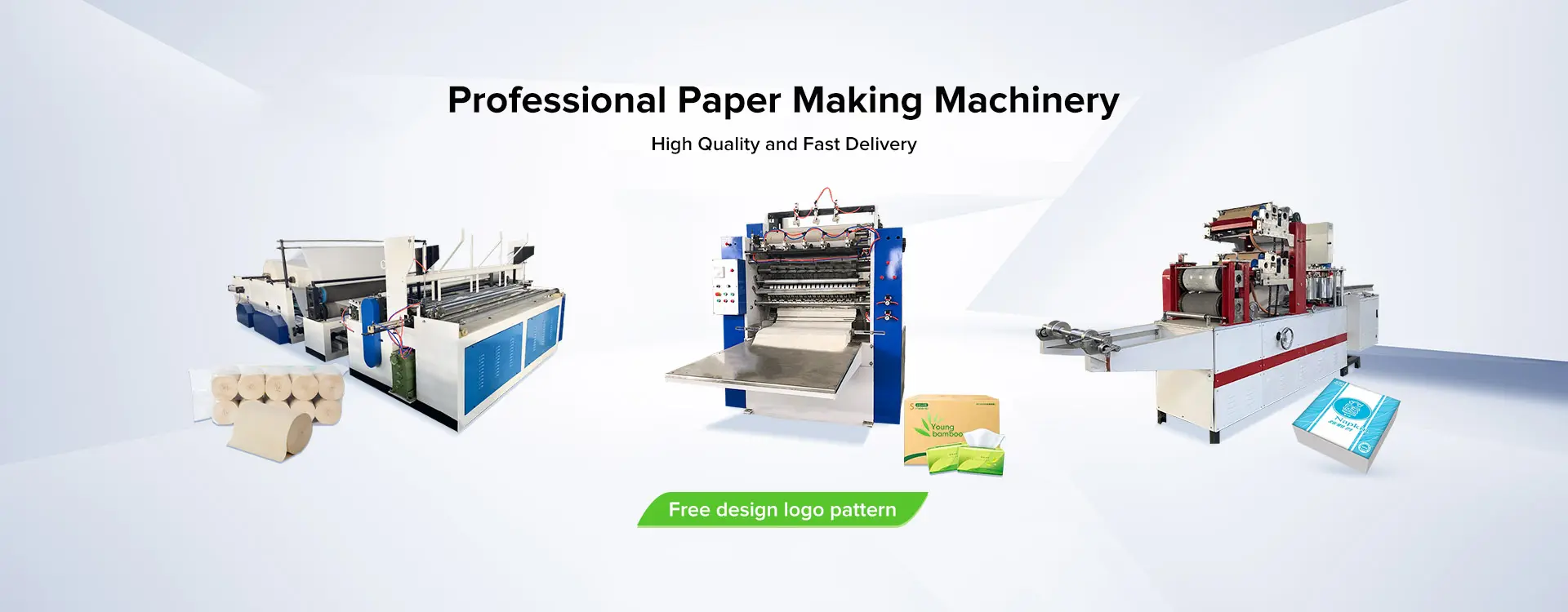
Industry-Standard Toilet Paper Rewinding Machines & Lines
Engineered for high output, operational stability, and rapid ROI. Compare our most requested tissue converting machines below.
TOP SELLER
High-Volume Line
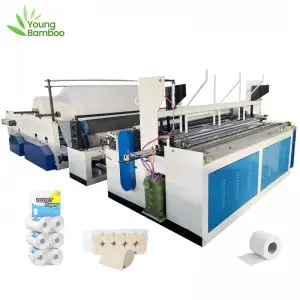
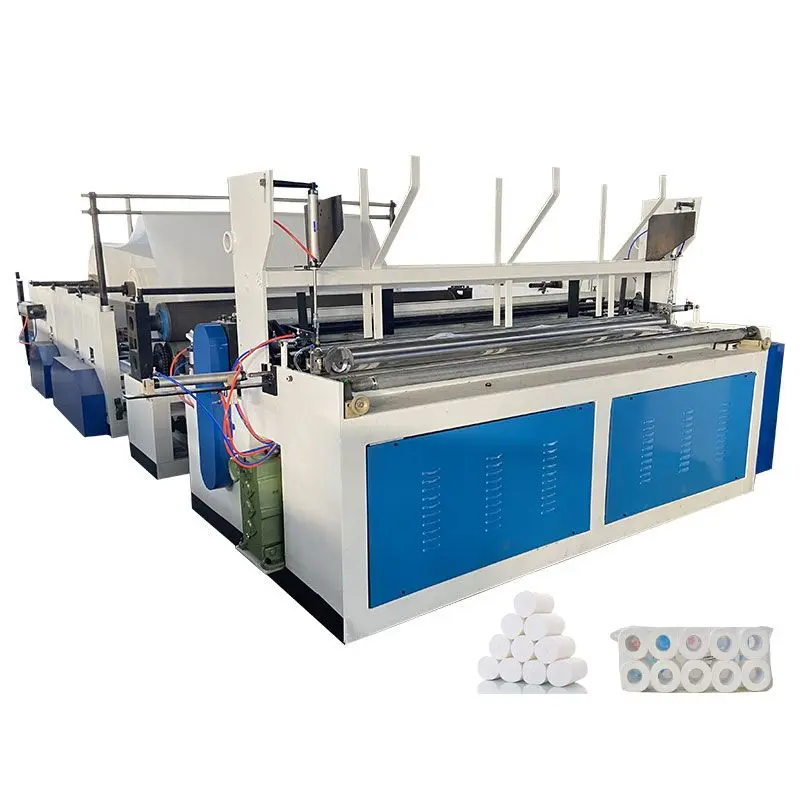
1880 Automatic Toilet Paper Rewinding Machine
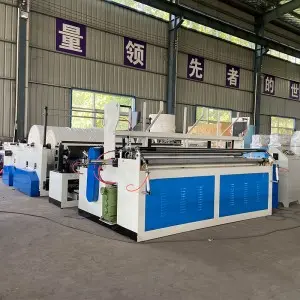
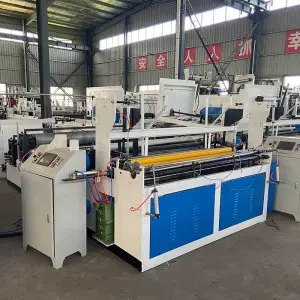
Our flagship converting machine accepts parent jumbo rolls up to 2,200mm in width (standard setup for 1,880mm trim width). Equipped with Siemens/Delta PLC, touchscreen HMI, automatic core loading, pneumatic tail trimming, and high-precision spiral perforating blades.
Working Width:1,880 mm (Customizable)
Design Speed:180 – 240 m/min
Finished Roll Dia.:Φ 60 – 150 mm
Perforation Pitch:4 blades, 90 – 160 mm adjustable
The perfect operational balance for growing regional converters and start-up plants. Handles parent roll widths up to 1,750mm with versatile dual-use capability for cored bathroom tissue and high-density coreless solid tissue logs.
Designed for emerging markets requiring lower initial capex without sacrificing finished roll quality. Features rugged mechanical construction, heavy-duty wall plates, manually loaded core shafts, and precision embossing controls.
Heavy-Duty Jumbo Roll Slitting & Rewinding Machine
Engineered for paper mills and converters needing to slit wide-parent rolls down to precise narrow jumbo rolls. Features pneumatic knife positioning, automatic constant tension, and hydraulic roll lifting.
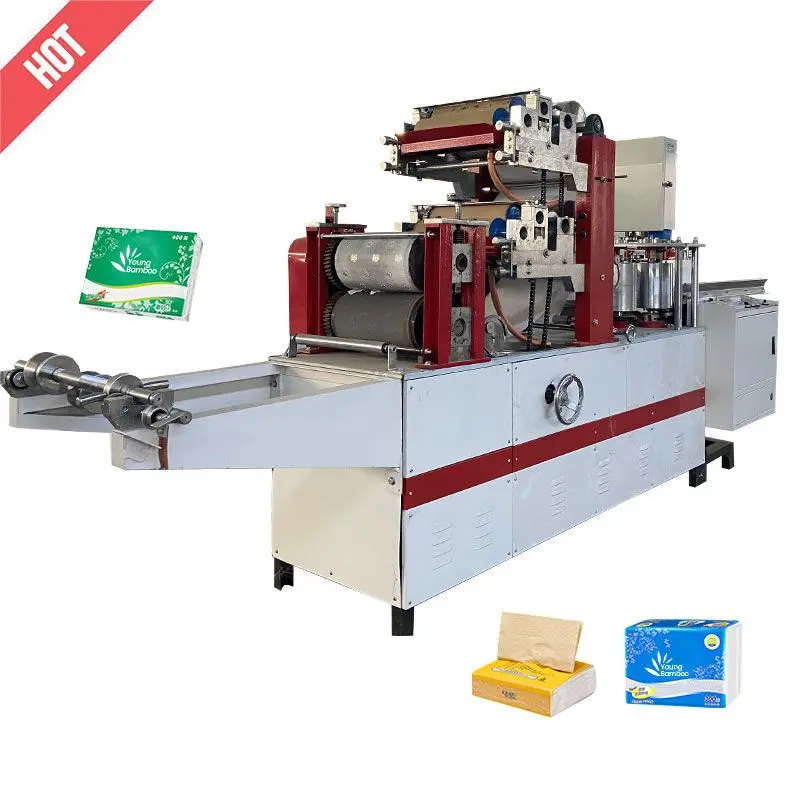
Expand your tissue product portfolio alongside toilet paper manufacturing. We build matching 1/4 fold napkin machines and V-fold facial tissue lines with synchronized color printing and custom embossing.
Future Procurement Trends in Global Tissue Converting
Understanding how raw material shifts, sustainability mandates, and automation affect equipment selection over the next decade.
1. Transition to Eco-Friendly & Alternative Fiber Formulations
Global pulp prices and environmental regulations are driving tissue converters away from 100% virgin wood pulp toward alternative fiber blends including bamboo pulp, sugarcane bagasse, straw pulp, and high-percentage de-inked recycled fiber (DIP). These alternative fibers exhibit drastically different tensile elongation properties, dust emissions, and burst strengths compared to standard virgin fibers.
Procurement teams must ensure their toilet paper rewinding machine is built with adaptable web-tension control. Seasia Tissue Equipment Co., Ltd. integrates dual magnetic powder brakes, air-expansion unwind shafts, and pneumatic web-guiding sensors that adjust unwind torque dynamically. This prevents paper breakage when running low-tensile recycled tissue or high-stiffness bamboo paper.
2. The Surge in Coreless Roll Market Demand
In developed consumer markets across Europe, North America, and East Asia—as well as cost-sensitive institutional markets in Africa and Latin America—demand for coreless toilet rolls is expanding rapidly. Coreless rolls eliminate cardboard inner tubes, saving up to 15% in logistics volume and eliminating tube manufacturing costs.
Leading buyers now prioritize rewinding machinery capable of dual-mode production. Machines manufactured by Seasia Tissue Equipment Co., Ltd. feature interchangeable winding mandrels. Operators can toggle between standard cored rolls (using plastic or paper cores) and tight-wound coreless logs directly from the HMI screen, enabling converters to pivot instantly to shifting distributor demands.
3. Total Cost of Ownership (TCO) over Initial Capex
While low initial purchase price remains attractive, experienced buyers realize that 80% of lifetime machinery costs stem from operational downtime, blade replacements, energy consumption, and raw paper scrap. Modern procurement strategies quantify TCO across four primary metrics:
Kilowatt Consumption per Ton: High-efficiency inverter-driven main motors reduce electricity usage by up to 22% compared to traditional fixed-speed motors.
Paper Scrap Rate: Automatic tail trimming and precise glue application limit wet-end paper waste to under 0.8% per log cycle.
Tooling Wear & Blade Longevity: Tungsten-carbide coated perforating blades and anvil rolls extend sharpening intervals from 3 months to over 14 months under continuous operation.
Spare Part Standardization: Utilizing internationally accessible pneumatic components (AirTAC, Festo) and electrical gear (Schneider, Siemens, Delta) guarantees immediate replacement availability anywhere in the world.
Engineering Innovation
Key Technological Developments in Rewinding Machinery
How multi-axis motion control, 3D embossing geometry, and smart diagnostics redefine conversion efficiency.
Full-Servo Synchronous Drive vs. Traditional Mechanical Gearboxes
Legacy toilet paper rewinders relied heavily on complex mechanical chains, gears, and timing belts. At speeds exceeding 180 m/min, mechanical backlash causes vibration, leading to uneven perforation spacing and pitch drift. Modern technical architecture implemented by Seasia Tissue Equipment Co., Ltd. utilizes multi-axis servo control systems. Individual servo motors govern the unwinding stands, embossing rollers, perforation cylinder, and rider roll independently, synchronized via high-speed EtherCAT communication.
Engineering Parameter
Traditional Mechanical Gearbox Line
Seasia Multi-Axis Full-Servo Line
Max Operational Speed
100 – 140 m/min
200 – 260 m/min
Perforation Accuracy
± 2.5 mm variation
± 0.2 mm precision
Log Diameter Uniformity
Variable depending on operator skill
Constant closed-loop density feedback
Changeover Downtime
2 – 4 hours (gear replacement)
10 minutes (touchscreen recipe load)
Noise Level
> 85 dB (gear slap & mechanical chatter)
< 72 dB (smooth servo operation)
Advanced Point-to-Point (Desl) 3D Embossing Units
Embossing serves two essential functions: enhancing finished product bulk (softness perception) and bonding multi-ply tissue sheets without excessive glue usage. Seasia Tissue Equipment Co., Ltd. incorporates high-precision CNC-engraved steel-to-rubber and steel-to-steel embossing rollers. Our proprietary Point-to-Point (DESL) pattern design aligns micro-embossed points to macro-decorative patterns, increasing log diameter by up to 18% using the exact same weight of paper pulp.
Search Intent & FAQ
Frequently Asked Questions by Global Machinery Buyers
Detailed technical answers addressing the real questions asked on search engines and AI procurement tools.
How do I calculate the actual daily production output (tons/day) of a toilet paper rewinding machine?
Daily output is calculated using four core parameters:
Formula: Output (kg/min) = Line Speed (m/min) × Working Width (m) × Paper Basis Weight (g/m² × Number of Plies) ÷ 1,000 × Efficiency Factor (0.80 - 0.85).
For example, an 1880 model running at an average operational speed of 200 m/min using 2-ply 15 GSM tissue paper across a 1.8m web width yields approximately 10.8 kg of converted paper per minute. Over an 8-hour shift (taking roll loading and log saw discharge into account at 82% efficiency), total output equals approximately 5.3 to 6.2 metric tons per shift (or 10 to 12 tons per 20-hour double shift).
What is the difference between 1575, 1880, and 2800 model numbers in toilet tissue equipment?
The model number designates the maximum usable paper width in millimeters that the unwinding stand and rewinding rollers can accommodate from your jumbo parent rolls:
1575 Model: Accepts parent rolls up to 1,750mm max width (commonly trimmed for 1,500mm–1,550mm jumbo rolls). Yields 15 standard 100mm toilet roll logs per cycle. Ideal for small-to-medium converting workshops.
1880 Model: Accepts parent rolls up to 2,200mm max width (commonly trimmed for 1,800mm–1,850mm jumbo rolls). Yields 18 standard 100mm logs per cycle. Represents the global industry sweet spot for optimal balance between capital cost and daily tonnage output.
2800 / 3000 Series: Accepts full-width parent rolls straight from large primary tissue paper machines. Used by high-capacity multi-line paper mills.
Matching your machinery model to the standard parent roll width supplied by your regional pulp/paper mill is critical to eliminate side-trim waste.
Can one toilet paper rewinding machine produce both cored toilet rolls and coreless solid rolls?
Yes! Rewinding machines engineered by Seasia Tissue Equipment Co., Ltd. are built with multi-functional winding zones. For cored roll production, an automatic cardboard core feeding channel deposits cores onto the winding shaft, where pneumatic tail gluing pins secure the paper. For coreless production, the operator toggles the HMI switch to activate stainless-steel air-expansion coreless mandrels. The machine tightly winds the initial paper layers around the mandrel without glue, generating solid coreless logs that automatically strip off upon completion.
What infrastructure and utility requirements are needed to install a full 1880 converting line?
To install a complete 1880 converting line (Rewinder + Log Saw + Band Sealer), your factory must meet the following facility specifications:
Floor Space: Minimum 15m Length × 6m Width × 3.5m Clear Height (excluding raw jumbo roll storage and finished product warehousing).
Electrical Power: Total connected load of 15 kW to 22 kW depending on embossing configuration. Wiring must support 3-phase AC power (customized to your local voltage, e.g., 380V/50Hz, 220V/60Hz, or 415V/50Hz).
Compressed Air: Industrial air compressor delivering 0.6 – 0.8 MPa pressure at a volume of 0.8 – 1.2 m³/min, equipped with an air dryer and oil-water filter.
How does Seasia Tissue Equipment Co., Ltd. ensure quality and overseas installation support?
Every single piece of equipment undergoes a mandatory 72-hour continuous test-run using real jumbo roll tissue paper in our Zhengzhou factory before approval for ocean freight packing. We record full operational video proof showing paper feeding, perforation, log sealing, and log sawing for buyer verification.
For international installation, Seasia Tissue Equipment Co., Ltd. provides two deployment pathways:
On-Site Technician Deployment: Overseas installation engineers travel to your plant to perform mechanical assembly, electrical wiring, fine-tuning, and operator staff training.
Guided Remote Video Installation: For fast-track commissioning, we provide 3D CAD step-by-step layout schematics, wire color-coded terminal maps, and dedicated video technical sessions with senior engineers.
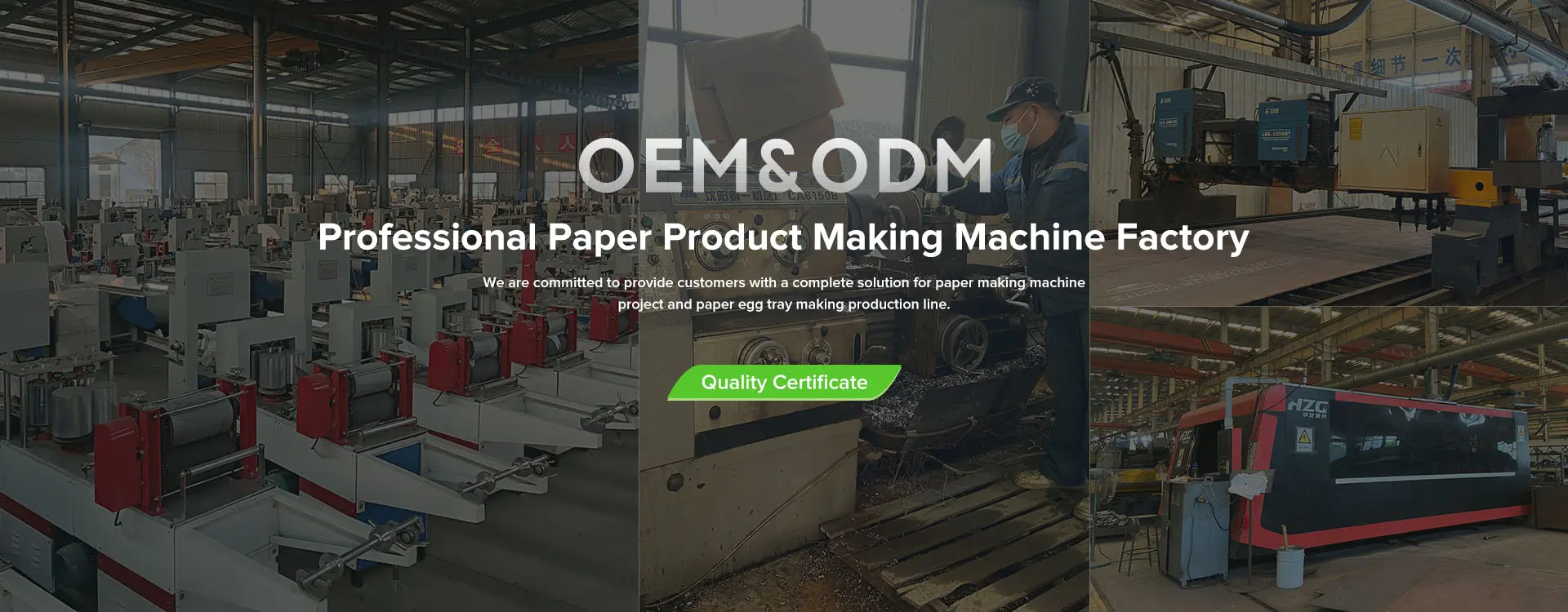
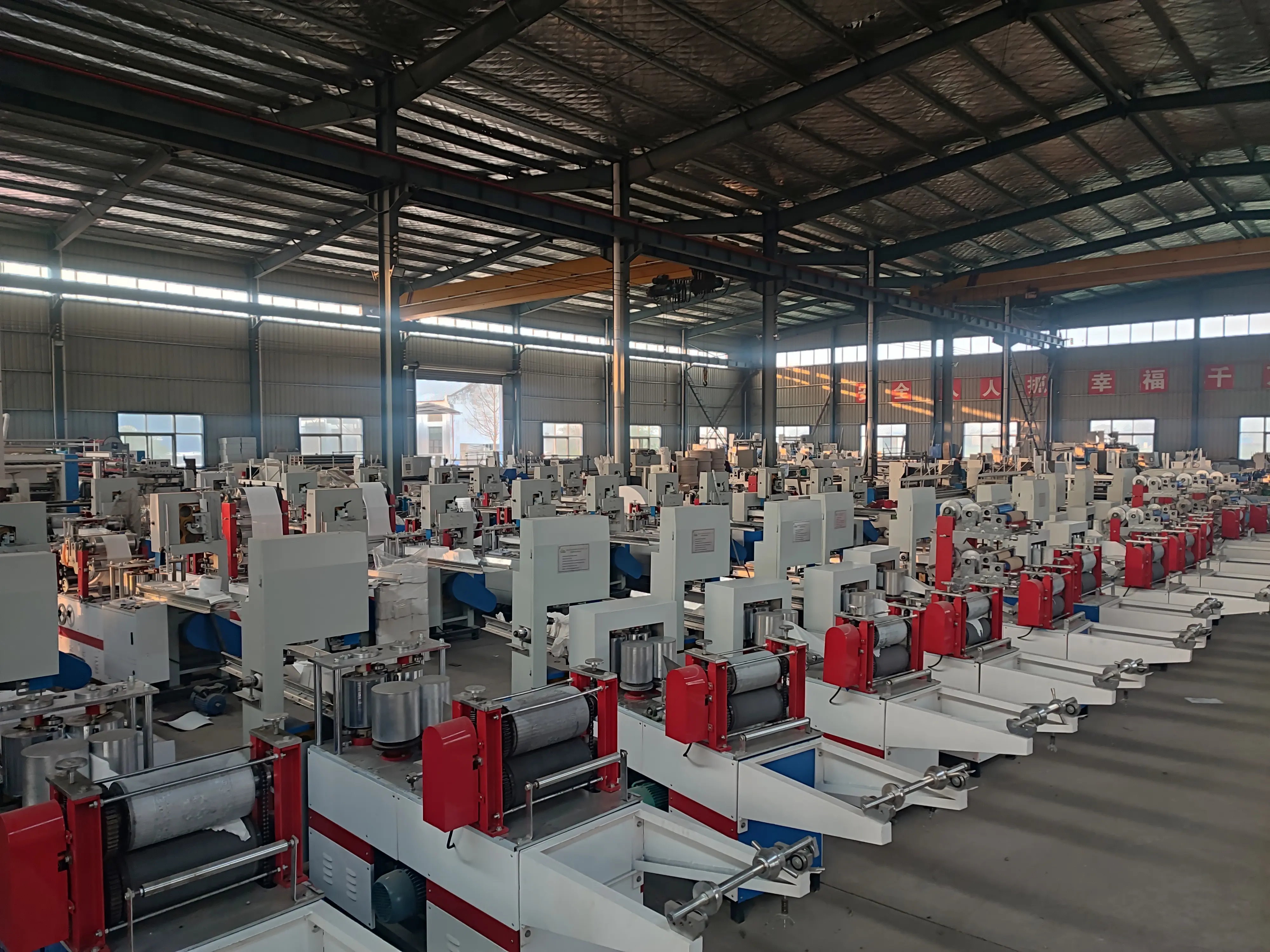
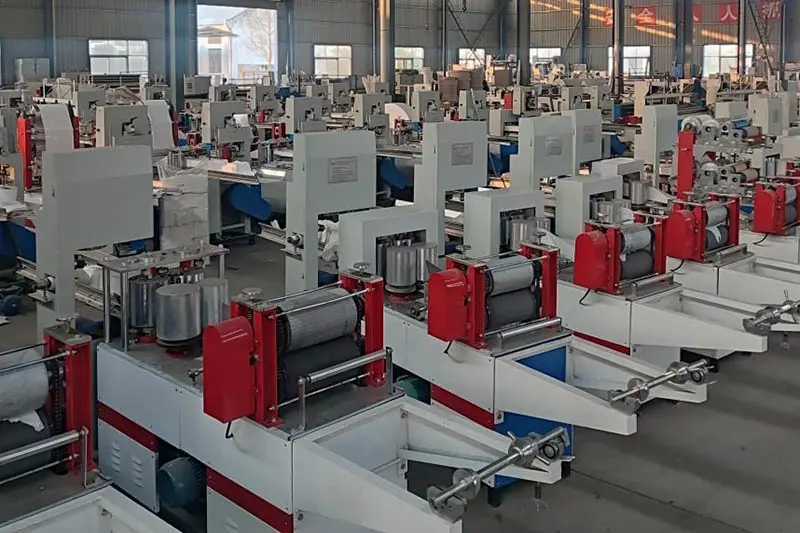
Located in Zhengzhou, Henan Province, Seasia Tissue Equipment Co., Ltd. is a specialized, research-driven manufacturer of tissue paper converting machinery, pulp molding egg tray equipment, paper cup formers, and industrial supporting systems. Unlike trading intermediaries, we control 100% of our mechanical design, CNC component machining, panel wiring, assembly, and testing processes.
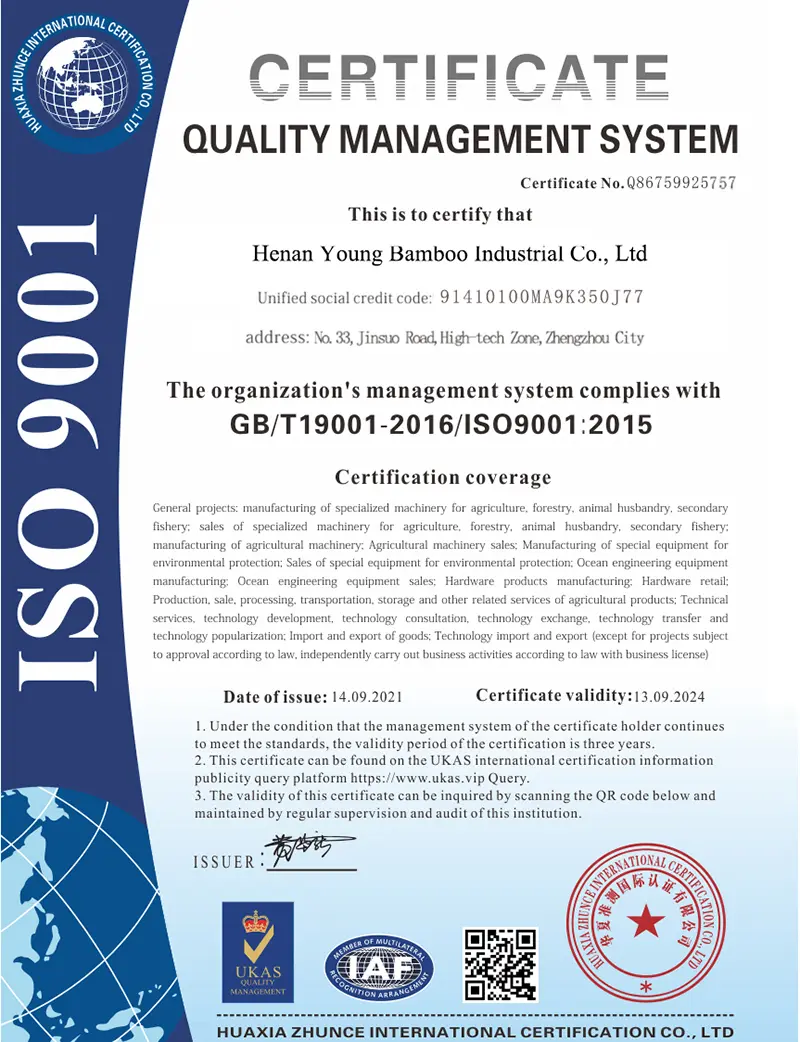
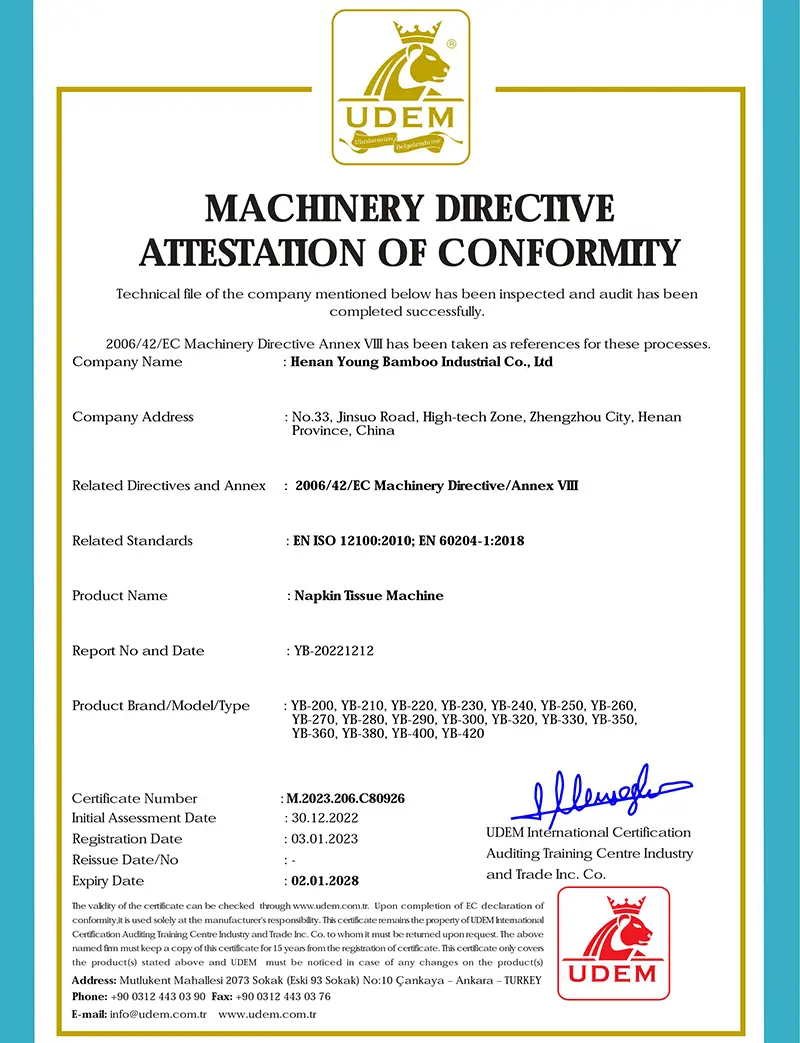
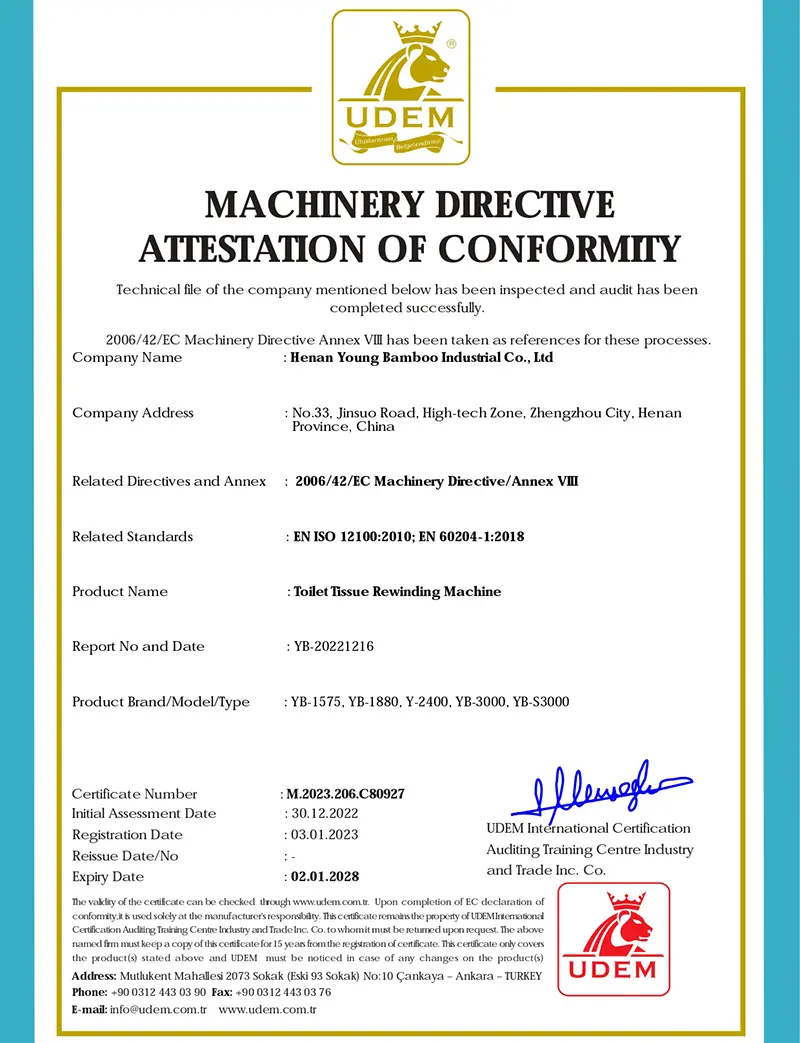
Our engineering team brings over 10+ years of dedicated machine manufacturing experience. We hold full ISO quality management systems compliance and CE safety certifications across our entire machinery range, ensuring your imported converting equipment passes local industrial safety inspections effortlessly.
Full Container Load (FCL) Tissue Machines Dispatched to International Port
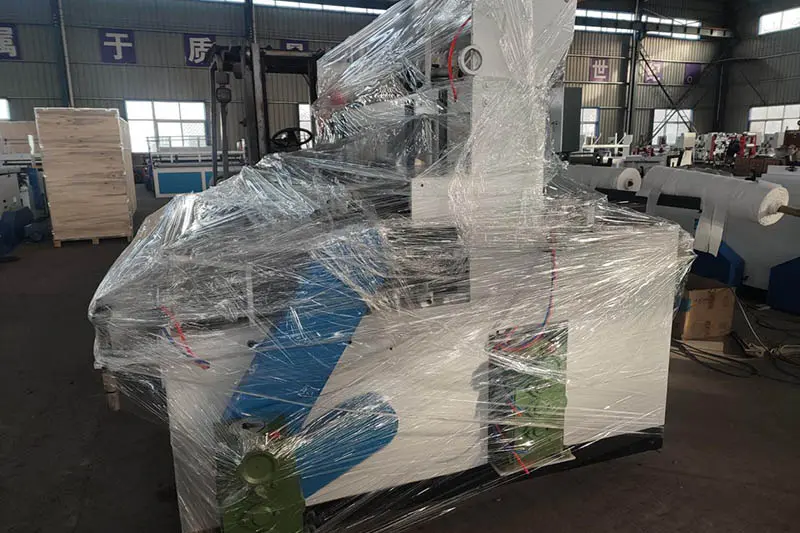
Our team completed testing and packaging for a full container order of high-speed tissue converting equipment, exported with customized voltage controllers and ocean-worthy moisture barrier wrapping.
Turnkey 1880 Toilet Paper Rewinding Line Delivered to European Buyer
Following comprehensive on-site factory trial runs, the multi-unit automatic toilet paper roll line was safely loaded into heavy-duty containers for ocean transit via Qingdao Port.
Contact the engineering department at Seasia Tissue Equipment Co., Ltd. at [email protected]. Receive factory-direct quotes, machine videos, and a customized workshop CAD layout drawing free of charge.