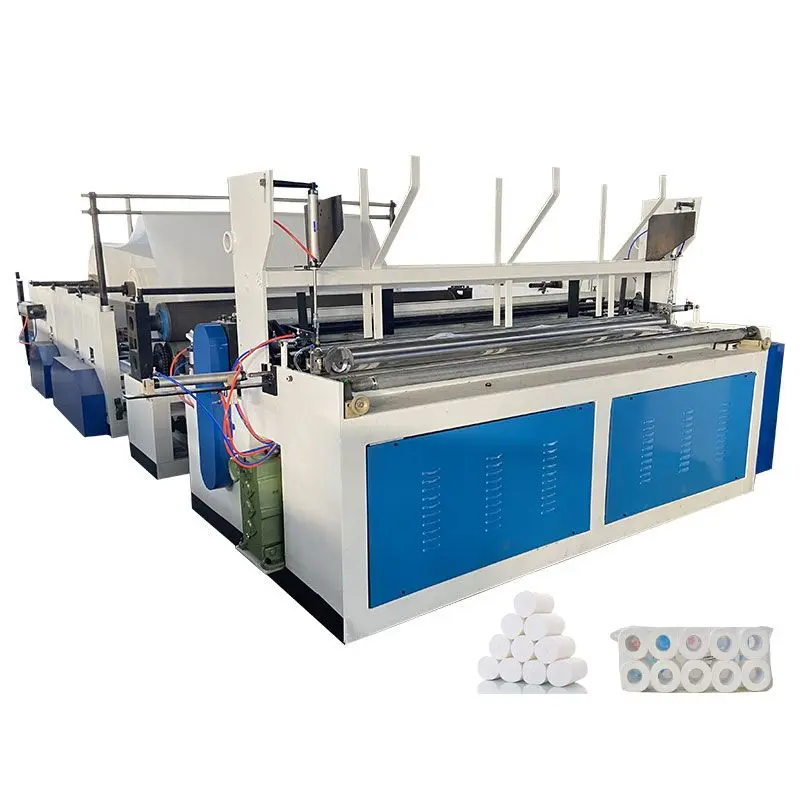
Toilet Roll Lines
1880 Toilet Tissue Production Line
Fully automatic rewinding, perforating, embossing, log saw cutting, and bundle packaging system engineered for high daily output and minimal maintenance.
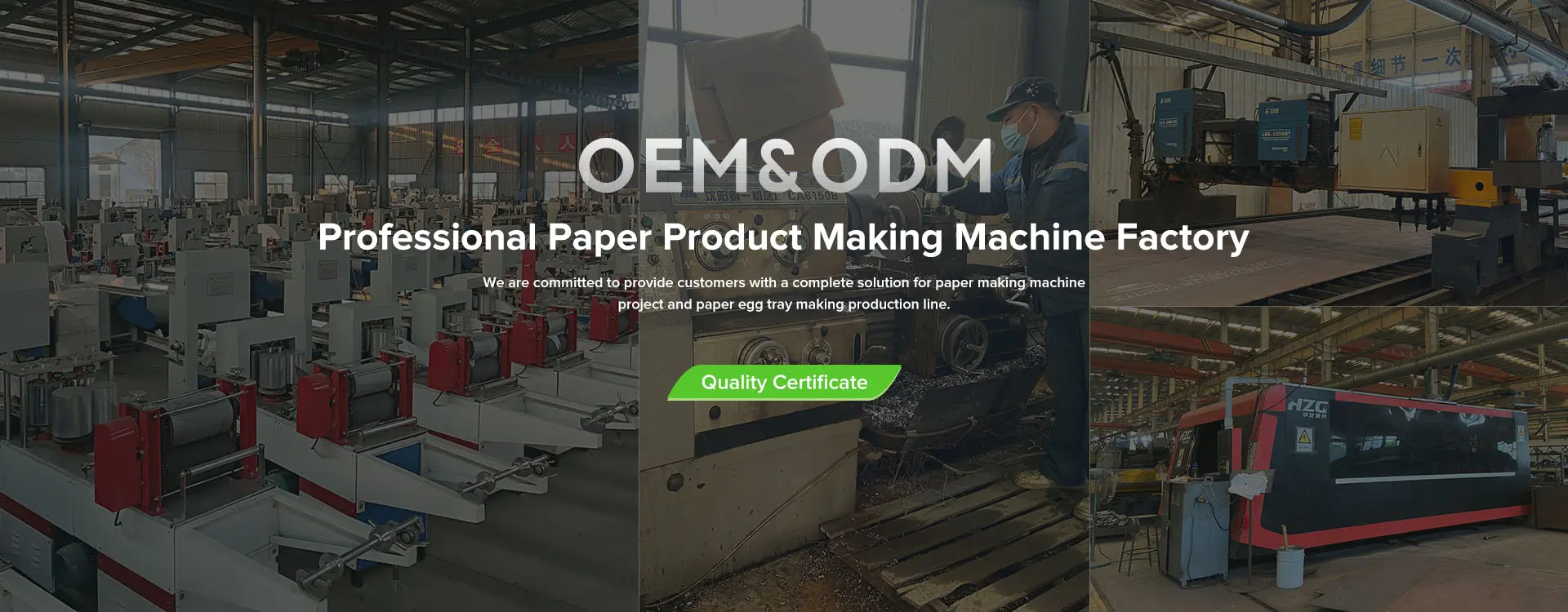
Maximize converting yield, lower energy cost per ton, and scale your commercial tissue production with precision-engineered 1880mm paper converting machinery.
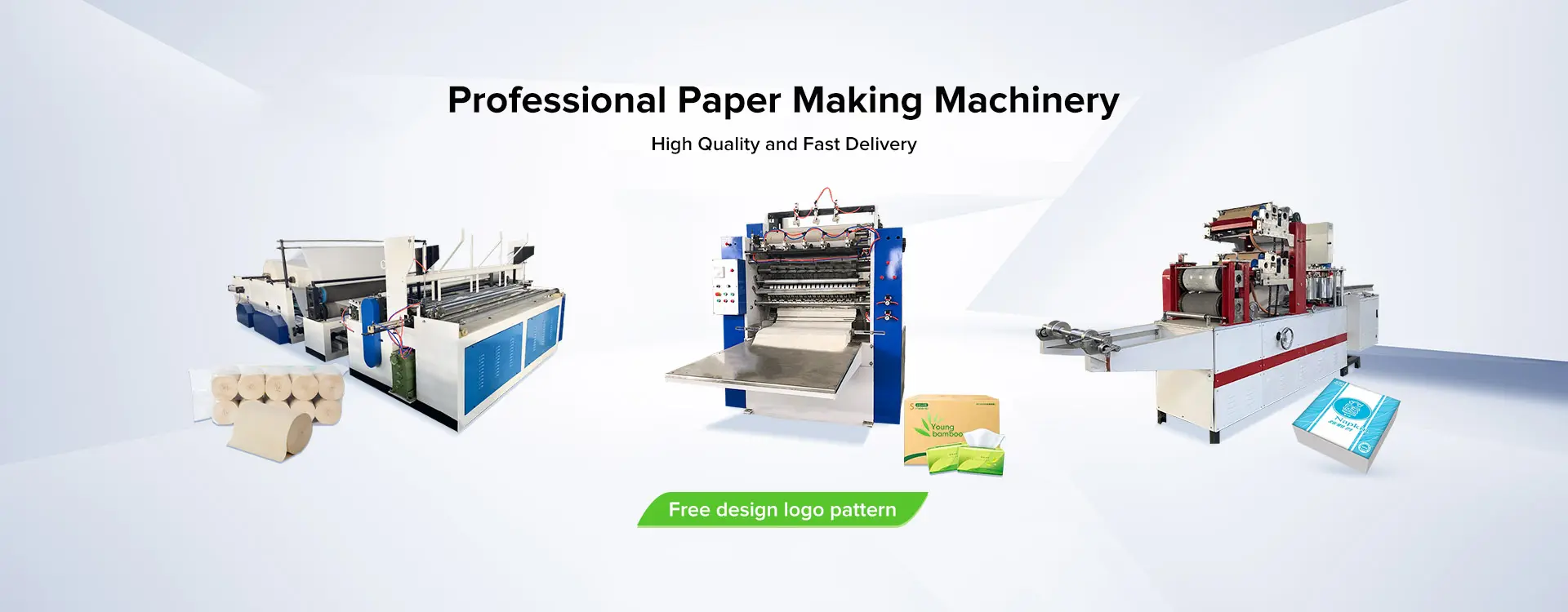
Integrated Paper Converting Lines
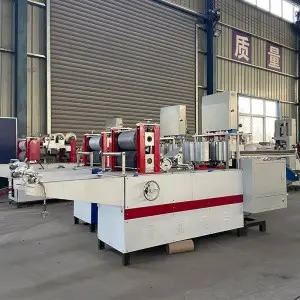
From 1880 rewinding units to napkin, facial tissue, and high-speed packaging machines.
Industrial Pulp Molding & Boilers
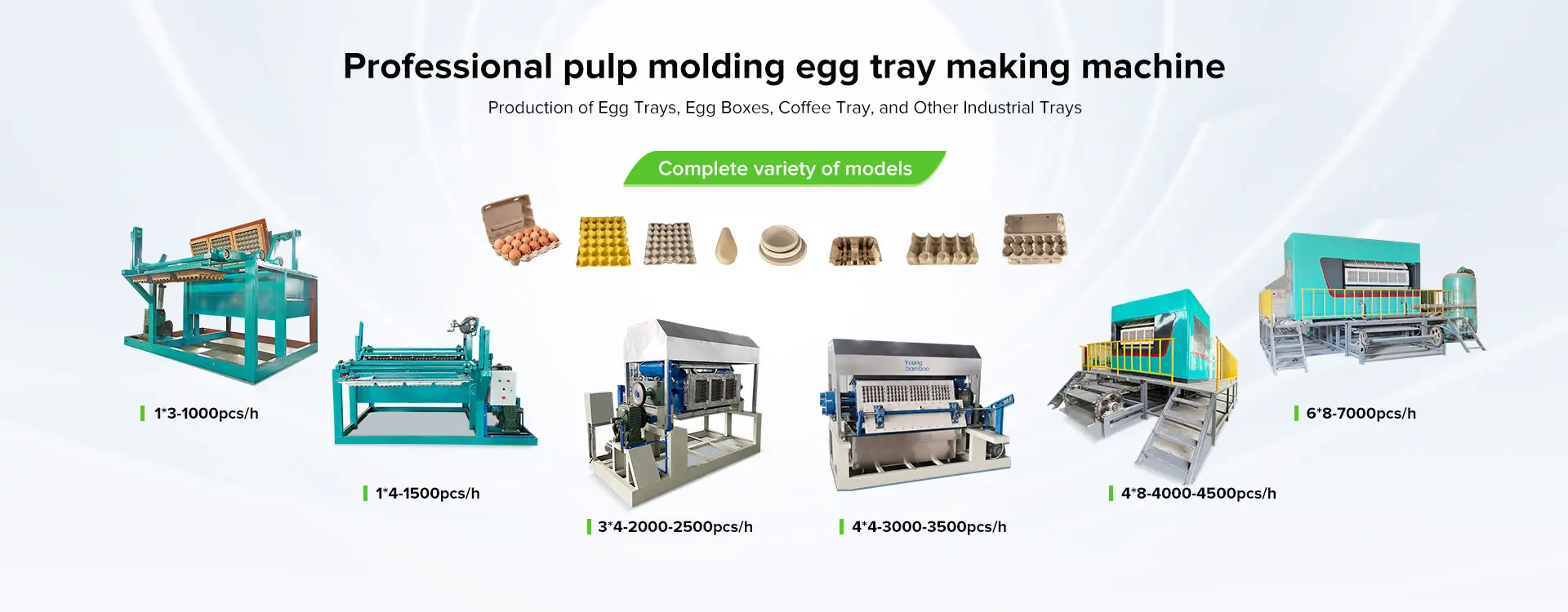
Turn recycled waste paper into high-demand egg packaging with integrated drying lines.
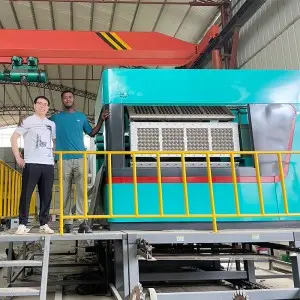
In the competitive tissue converting sector, selecting the optimal paper converting width represents the single most vital capital expenditure decision for commercial manufacturers. The 1880 toilet tissue production line has established itself globally as the golden standard for small-to-medium converting plants, commercial startups, and expanding paper mills. Designed to process raw parent jumbo rolls up to 2200mm in maximum width (with an optimal effective working width of 1880mm to 2150mm), the 1880 format bridges the gap between limited-capacity entry-level machinery and multi-million-dollar industrial paper mill lines.
At Seasia Tissue Equipment Co., Ltd., based in Zhengzhou High-tech Zone, Henan, China, we engineer high-performance 1880 toilet paper rewinding machines integrated with orbital log saw cutting and automated packaging systems. This guide analyzes technical specifications, financial ROI, upcoming technological shifts, and essential operational insights to help global paper buyers make informed procurement decisions.
| Engineering Parameter | 1575 Toilet Tissue Production Line | 1880 Toilet Tissue Production Line |
|---|---|---|
| Max Parent Jumbo Roll Width | 1750 mm (Working width: 1575 mm) | 2200 mm (Working width: 1880 mm) |
| Jumbo Roll Diameter Range | 1100 mm – 1200 mm | 1200 mm – 1500 mm (Pneumatic loading) |
| Daily Production Yield (8-10 Hours) | 1.5 – 2.5 Tons / Day | 3.5 – 6.0 Tons / Day |
| Finished Log Yield Per Rewind Cycle | 1.5 – 1.6 Meters Effective Log | 1.88 – 2.1 Meters Effective Log |
| Coreless & Cored Converting Capability | Manual/Semi-automatic changeover | Full Pneumatic Automatic Interchange |
| Total Line Power Consumption | 7.5 kW – 11 kW | 15 kW – 26 kW (PLC & Frequency Control) |
| Labor Requirement (Turn-Key Line) | 3 – 4 Operators | 2 – 3 Operators (Full Auto Configuration) |
When evaluating user intent across global paper industry searches, procurement managers frequently ask: "How does jumbo roll width directly affect converting margin?" The answer lies in paper mill supply standardization and edge trim waste minimization.
Paper mills worldwide primarily produce jumbo tissue rolls in standard width multiples. The 1880mm width allows tissue converters to mount a 1.88-meter parent roll and slit it into exactly 18 to 20 individual commercial toilet paper rolls (95mm–105mm standard roll height) in a single rewinding cycle. Compared to 1575mm machines which only produce 14 to 15 rolls per cycle, the 1880 toilet tissue production line yields over 25% to 33% more finished rolls per machine revolution without proportionally increasing motor power consumption or labor costs.
Explore our export-certified paper converting and pulp molding machinery lines customized for global tissue plants.
Fully automatic rewinding, perforating, embossing, log saw cutting, and bundle packaging system engineered for high daily output and minimal maintenance.
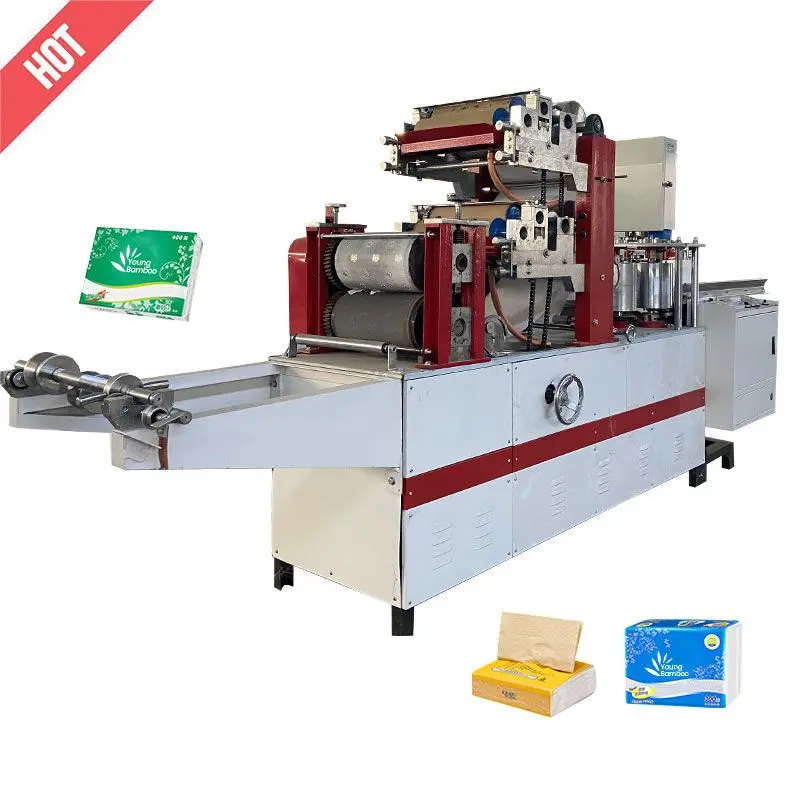
High-precision 1/4 and 1/6 fold napkin folding machinery equipped with 1-2 color flexographic printing units and customizable steel embossing rollers.
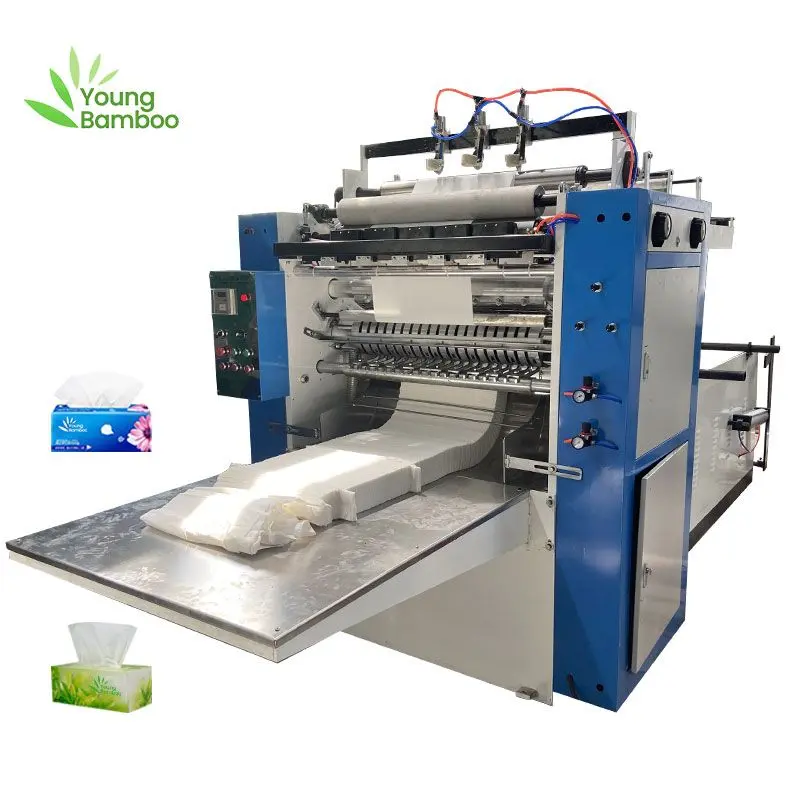
Multi-line vacuum suction facial tissue folding equipment delivering automatic counting, synchronized log cutting, and soft-pack bagging.
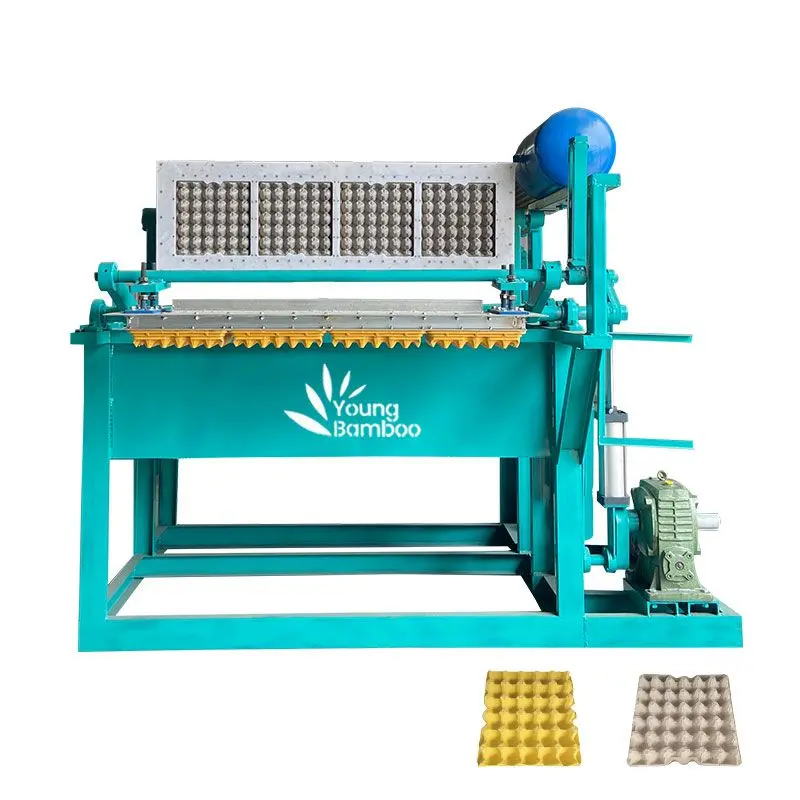
Recycle waste paper into high-strength 30-egg trays and cartons. Includes rotary forming machines and automatic continuous drying lines.
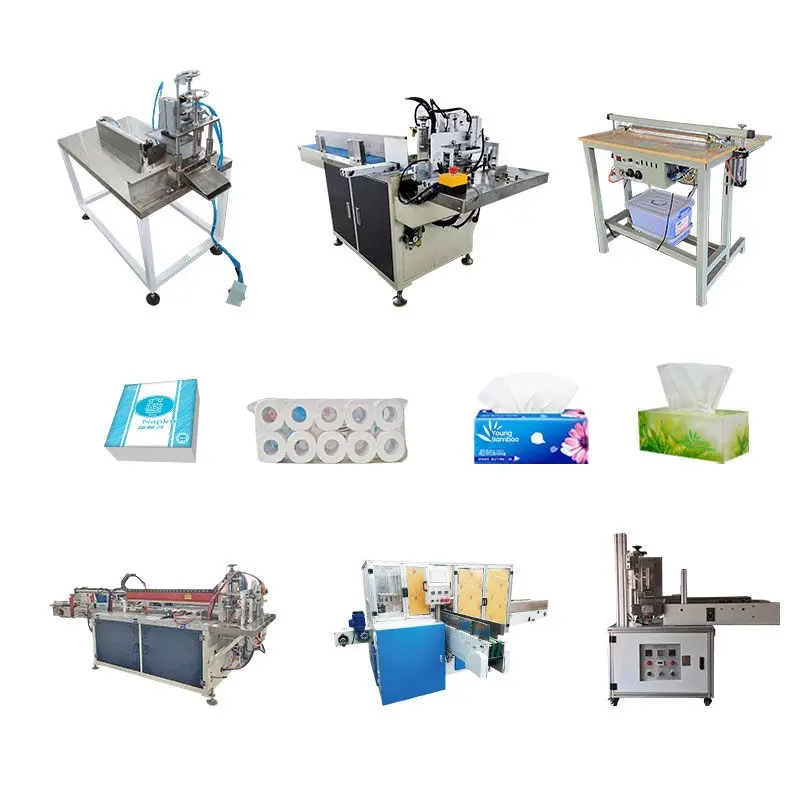
Automated bagging, heat-shrinking, and wrapping units designed to integrate seamlessly with 1880 toilet paper rewinders and facial tissue lines.
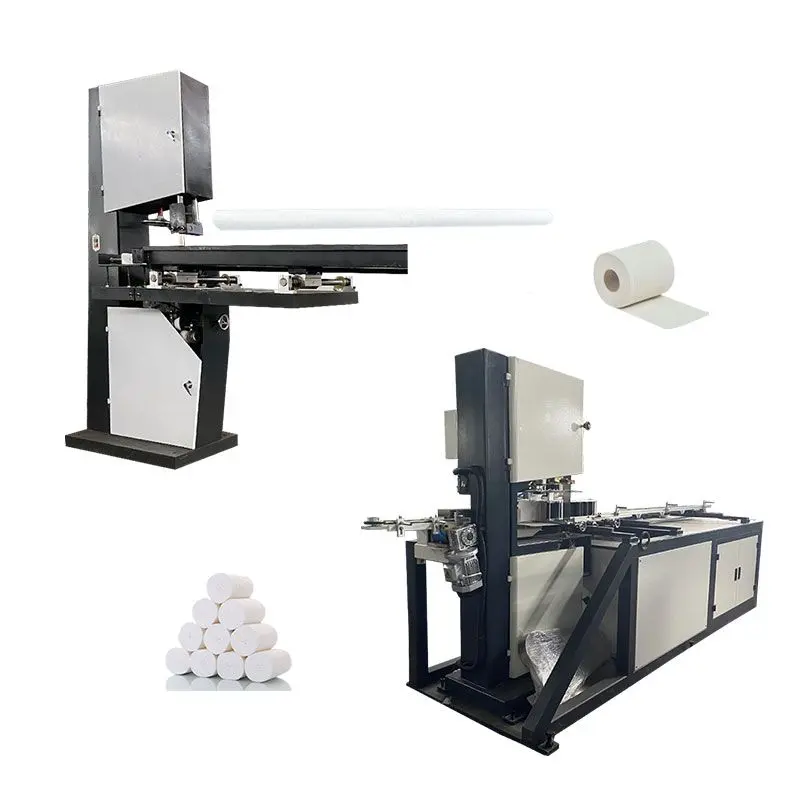
Heavy-duty slitter rewinders for converting large jumbo rolls into precise narrow reels for napkin, facial, and specialty paper production.
As global demand for hygienic paper products continues to grow across emerging markets in Southeast Asia, Africa, Eastern Europe, and Latin America, paper tissue procurement strategies are undergoing major technological evolutions. Understanding these macro trends allows factory owners to future-proof their capital investments.
Labor costs represent an increasing percentage of operational expenses in tissue converting. Modern buyers are shifting away from semi-automatic setups toward fully automatic 1880 toilet tissue production lines equipped with auto core loading, auto tail sealing, pneumatic web tension control, and robotic arm case packing. This reduces manual contact, ensuring higher hygiene standards and consistent log tightness.
With virgin wood pulp prices fluctuating globally, tissue paper converting machinery must adapt to alternative fibers such as bamboo pulp, sugarcane bagasse, and high-percentage recycled kraft paper. The 1880 rewinding machine manufactured by Seasia Tissue Equipment Co., Ltd. is engineered with reinforced tension control systems to handle varying paper tensile strengths without sheet tearing.
Tissue producers are increasingly diversifying into biodegradable packaging. Integrating pulp molding egg tray machinery allows paper converting plants to recycle their own trim waste and off-spec paper rolls directly into commercial egg trays, creating a zero-waste circular economic model inside the factory.
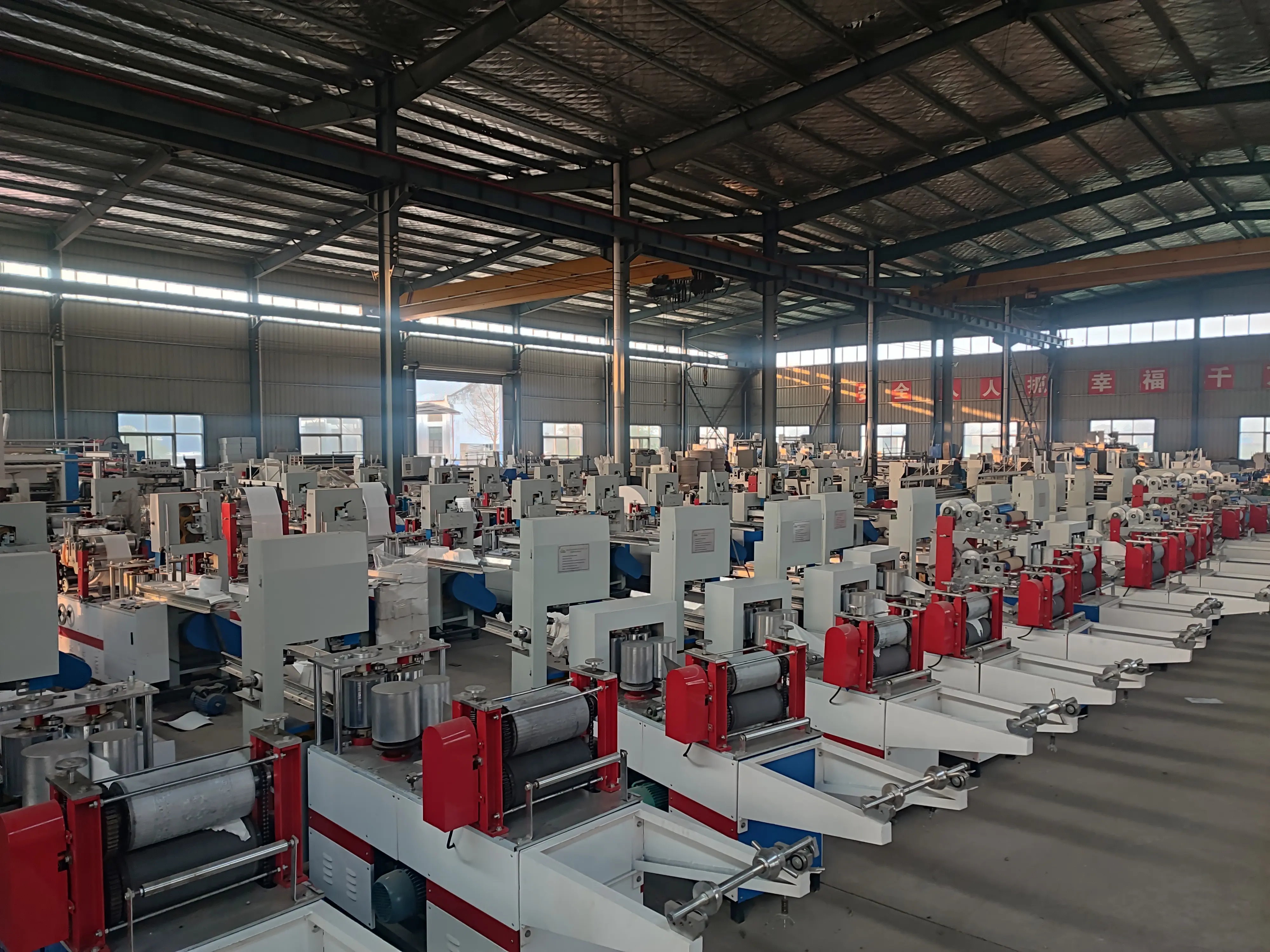
Every production line manufactured by Seasia Tissue Equipment Co., Ltd. undergoes rigorous factory testing with actual paper before loading into sea containers.
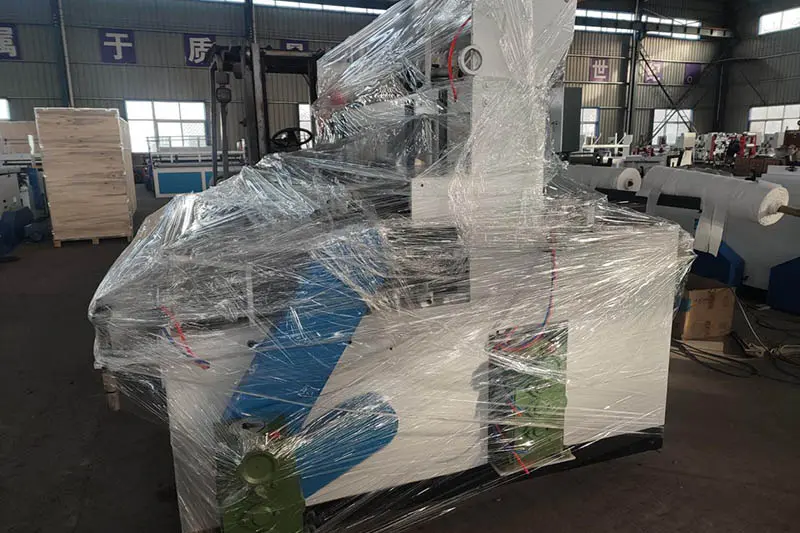 Poland
Complete turn-key 1880 rewinding, slitting, log cutting, and packing line shipped via Qingdao Port.
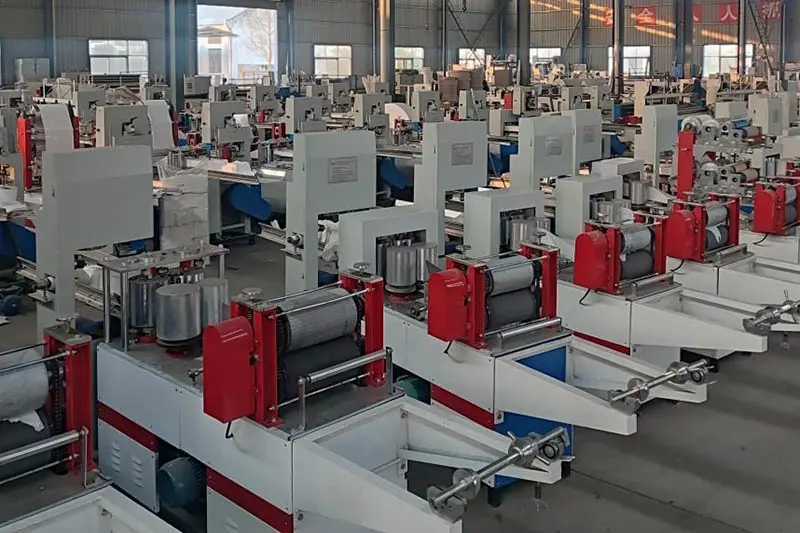 India
Full container load containing 12 sets of high-speed color printing napkin machines delivered to India.
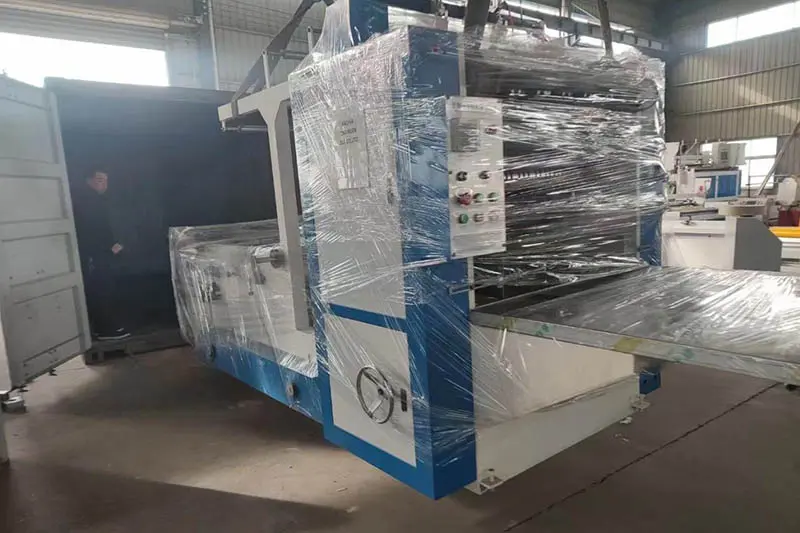 Thailand
Automatic V-fold facial tissue folding line with synchronized packing machine delivered to Thailand.
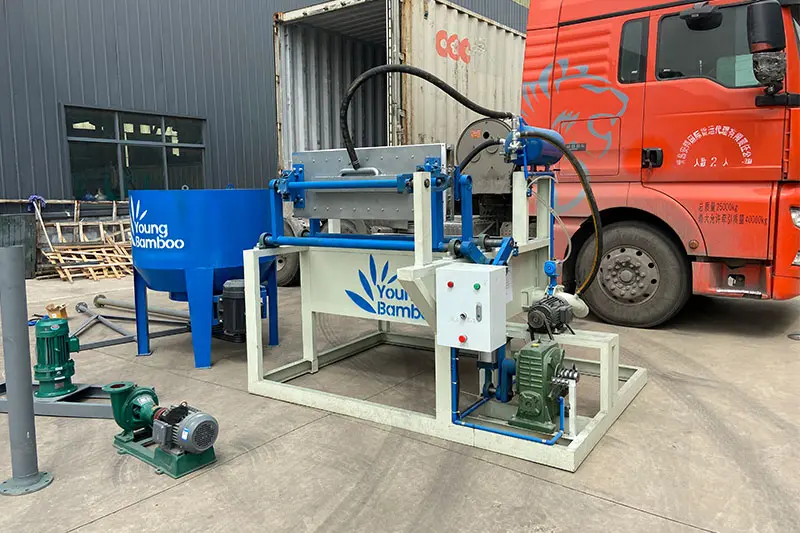 Kenya
Complete pulp molding egg tray system with natural brick drying line installed for a poultry enterprise in Kenya.
Located in No. 11 Lianhua Street, High-tech Zone, Zhengzhou, Henan Province, China, Seasia Tissue Equipment Co., Ltd. has grown into a premier manufacturer of paper converting equipment, pulp molding machinery, paper cup machines, and industrial boilers over more than a decade of technical innovation.
We don't simply assemble machinery; our dedicated engineering team designs, machines, tests, and refines every 1880 toilet tissue production line in-house. Before any container leaves our facility, we conduct a comprehensive trial run using real jumbo rolls of paper under actual factory working conditions, recording complete inspection videos for customer confirmation.

Continents with operational plants
Integrated machine product lines
Factory paper test-run verified
Engineering support response time
Standard and custom machinery engineered to meet global electric specifications and high production demands.
High-capacity rewinder with automatic pneumatic jumbo roll lifting.
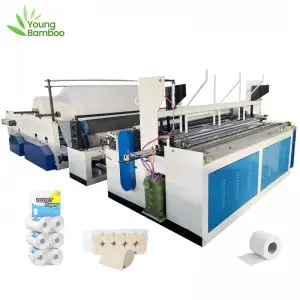
Compact automatic converting machine suitable for new workshops.
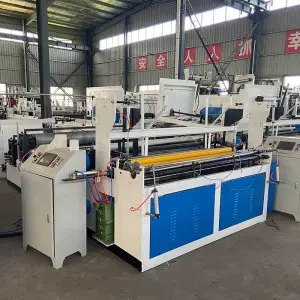
Economical starting line for low capital expenditure entry.
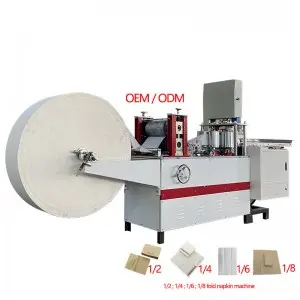
Standard square tissue folder with integrated steel embossing.
Specialized rectangular fold for restaurant dispenser packaging.
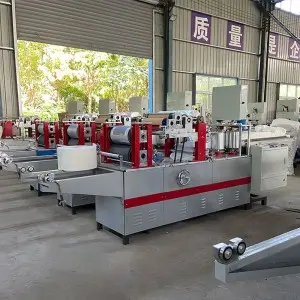
Flexographic 1-2 color logo printing for customized table napkins.
Integrated pulping, rotary forming, and metal drying system.
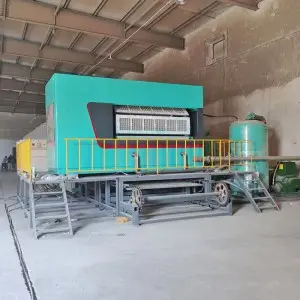
Recycles scrap paper into 30-cavity egg trays and egg boxes.
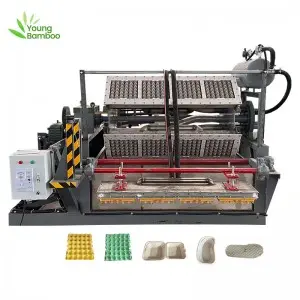
Specialized pulp molding line for 6, 12, and 18-cell lidded egg cartons.
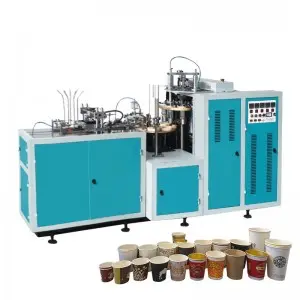
High-precision former for single/double PE coated beverage cups.
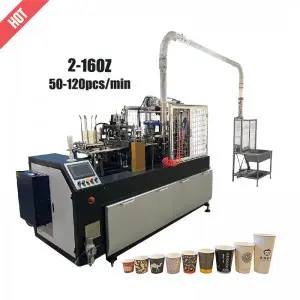
Ultrasonic sealing former operating at 70-80 cups per minute.
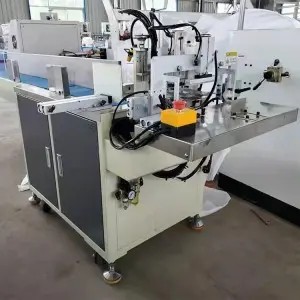
Semi-automatic sealing and bagging machine for toilet rolls and tissue packs.
Direct answers from our engineering team addressing common queries about 1880 toilet tissue production lines and overseas plant setups.

Overseas clients tested our 1880 toilet tissue production line with local tissue paper rolls, verified log cutting squareness, and completed pre-shipment sign-off.
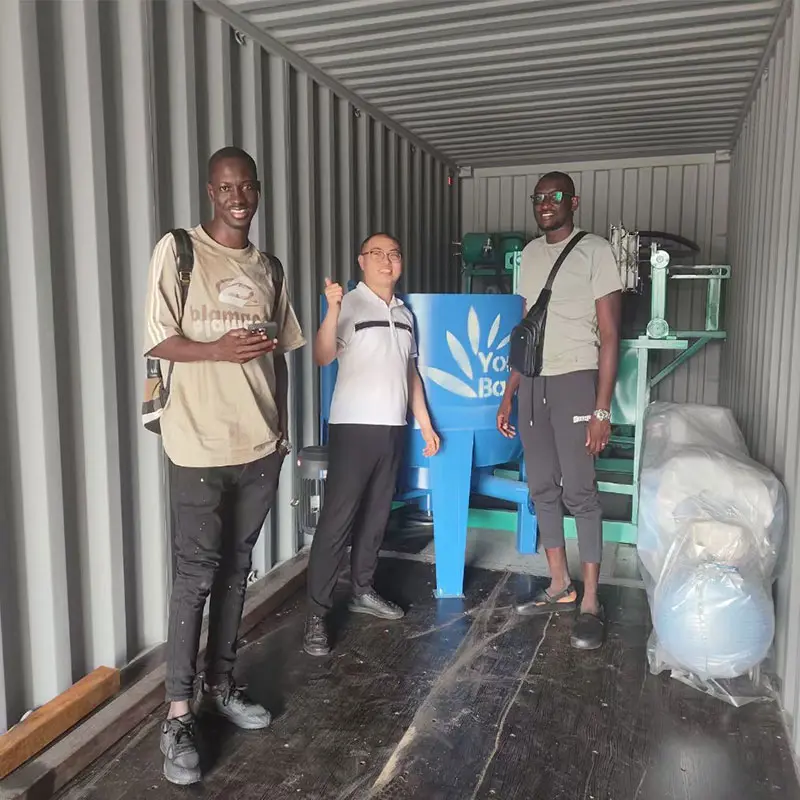
Our technical team assisted with layout planning, slurry tank construction drawings, and remote video commissioning for a 1x4 pulp molding line in Mali.
Email [email protected] with your target capacity and workshop dimensions. Our engineering team will supply a free CAD layout and technical proposal.