[email protected] Factory-Direct Export to 4 Continents
0%

A Tissue Paper Machine turns prepared pulp into thin, soft sheets used in facial tissue, toilet paper, napkins, and towels. Its work looks continuous, but each section changes the sheet in a specific way. Water-rich pulp enters through a headbox and spreads across a moving forming fabric. Water drains away, leaving a fragile web. It is delicate stuff.

The wet sheet may pass through pressing equipment before reaching a heated Yankee dryer. There, controlled heat removes more moisture, while a creping blade lifts the dried sheet from the cylinder and creates fine folds. Those folds help give tissue its softness, bulk, and stretch. The sheet then travels to a reel, where it is wound into a large parent roll for converting into finished products. Small adjustments matter. Fiber blend, machine speed, moisture, and blade condition can all affect strength and feel.

This guide explains the main components and follows the paper’s path through the machine. It also explores how operators balance production rate, energy use, sheet quality, and equipment care. Designs differ by tissue grade and mill, so no single machine layout tells the whole story. Even a clear diagram leaves out noise, vibration, and the judgment required on a running line. That is worth remembering. Understanding the process makes it easier to compare machine types and ask better questions about performance, maintenance, and product quality.
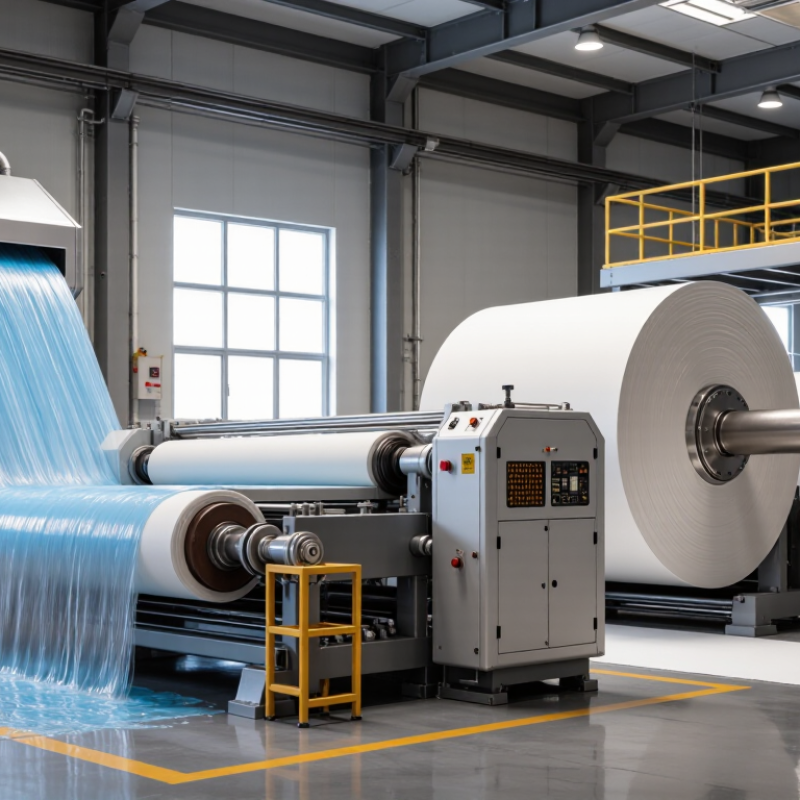
What Is a Tissue Paper Machine and How Does It Work?

What a Tissue Paper Machine Is and What It Produces

A tissue paper machine is an industrial papermaking system designed to form thin, soft sheets from prepared pulp. It typically uses recycled fiber, virgin wood pulp, or a controlled blend, depending on the required strength and feel. The machine does more than make paper. It manages water removal, sheet formation, drying, and winding.

In production, diluted pulp flows onto a moving forming fabric, where water drains and fibers settle into a continuous web. Pressing and a heated drying cylinder remove more moisture. A creping blade then loosens the sheet, creating softness and stretch. The finished tissue is wound into large parent rolls. Converting equipment cuts, folds, or embosses those rolls into facial tissue, toilet tissue, napkins, or towels. Settings affect thickness, absorbency, softness, and machine performance. Small changes matter. Yet no single setting guarantees a better product; fiber quality and process control also count.

Tips: Match machine capacity to the product and available pulp. Check parent-roll width, basis-weight range, drying method, and energy use. Ask for measured output under comparable conditions, not just a headline speed. A specification sheet can look reassuring, but actual tissue performance may still need testing. That part is easy to overlook.

The Main Sections and Components of the Machine

A tissue paper machine is made of connected sections, each controlling a different part of sheet formation. The stock-preparation system blends pulp with water and screens out unwanted particles. Consistency matters: a small change in fibre concentration can affect sheet strength and softness. The headbox then spreads the diluted pulp evenly across the machine’s width. Its flow must stay steady. That sounds simple, but tiny variations can leave visible streaks.

At the forming section, a moving wire or fabric drains water from the pulp, creating a wet web. Many machines use a felt to carry that fragile sheet toward the press section. There, pressure removes more water and transfers the web onto a heated Yankee dryer. The dryer’s large cylinder evaporates moisture, while a hood directs hot air across the sheet. Conditions need close monitoring; excessive heat can make the paper brittle.

Near the dryer, a creping blade gently lifts the dried sheet from the cylinder. This creates fine wrinkles that give tissue its characteristic softness and stretch. The reel winds the finished sheet into a large parent roll for later converting. Drives, sensors, and control systems coordinate speed, tension, and moisture across these sections. They help operators spot unevenness, though no control panel replaces careful inspection of the running sheet.

What Is a Tissue Paper Machine and How Does It Work?

The chart shows the typical process order of the main sections in a tissue paper machine. Bar values are sequence numbers—not measurements of output, speed, or importance. Machine layouts can vary.

Stock preparation supplies the pulp slurry to the headbox. The forming section creates a wet web, which is transferred to the press and Yankee dryer. A creping blade removes the dried sheet from the Yankee, and the reel winds the finished tissue into a parent roll.

How Pulp Is Prepared and Formed into a Paper Web

Pulp preparation begins with selecting virgin fibre, recovered fibre, or a blend suited to the tissue grade. Hydrapulpers separate fibres in water; screens and cleaners remove debris. Refining can improve bonding, but excessive refining may reduce softness and bulk. That trade-off matters. The stock is then diluted and mixed with additives before reaching the headbox, where a narrow, even jet is aimed onto a moving forming fabric.

On the fabric, water drains through the mesh while fibres interlock into a wet paper web. Vacuum boxes help remove water, and the fragile sheet transfers to a press or directly to a heated drying cylinder, depending on machine design.

The European Commission’s 2015 pulp and paper BAT reference document reports tissue-mill water consumption in a broad range of about 10–25 m³ per tonne of product. That figure reflects different grades and mill configurations, not a fixed machine setting.

Operators monitor drainage, web moisture, and fibre distribution; small variations can leave thin spots or rough edges. A useful caution: faster drainage is not always better, because an uneven fibre mat can weaken the finished sheet.

How the Paper Web Is Pressed, Dried, and Creped

A tissue paper machine turns a continuous paper web into soft, absorbent sheets. The wet web arrives from the forming section, where water drains through a moving fabric. It is delicate, almost translucent, and can tear if tension changes abruptly. Rolls press it against a large, heated drying cylinder, squeezing out water and improving contact with the hot surface.

Heat evaporates remaining moisture as the web travels around the cylinder. A doctor blade scrapes the dried sheet away. This action, called creping, creates tiny folds that add bulk, softness, and stretch. Blade angle, pressure, moisture, and speed all affect the final feel. A small adjustment can change the sheet noticeably. Operators watch web breaks and moisture readings, but the numbers do not explain every wrinkle. Sometimes the machine needs a careful trial, not a quick correction.

Tips: Keep an eye on sheet moisture and blade condition. If the tissue feels stiff, check drying and crepe settings together. Changing one variable at a time makes cause and effect easier to see.

How Finished Tissue Is Rewound and Converted into Products

After the tissue machine forms and dries a wide sheet, the finished parent reel moves to a rewinder. The operator controls web tension and aligns the sheet as it unwinds. Slitting knives divide it into narrower lanes, which are rewound into smaller logs. Too much tension can stretch or break the tissue; too little can create loose, uneven rolls. Small details matter. The Grand View Research 2023 Tissue Paper Market report estimated the global market at US$87.5 billion in 2022, with projected annual growth of 5.6% through 2030. That scale makes reliable converting important, but speed alone does not guarantee a good roll.

At the converting line, logs may be embossed, bonded in multiple plies, perforated, and cut to product length. Toilet rolls and kitchen towels need clean edges and consistent sheet counts; facial tissue is folded and stacked instead. Sensors and visual checks help catch misaligned edges, weak perforations, and surface defects before packing. Dust and small tears still happen. They deserve attention, not excuses. Operators may adjust tension and knife position when the paper grade or room humidity changes, because the same settings do not suit every run. The process can look simple from outside, yet a slight wrinkle may travel through many metres of web before anyone sees it.

What Is a Tissue Paper Machine and How Does It Work? - How Finished Tissue Is Rewound and Converted into Products
Process Stage Equipment or Section What Happens Result or Key Consideration
1. Stock preparation Pulping and approach-flow system Pulp is mixed with water, dispersed, cleaned, and diluted to form a uniform furnish before it reaches the paper machine. Furnish consistency and cleanliness influence sheet formation and machine runnability.
2. Sheet forming Headbox and forming section A controlled flow of dilute pulp is distributed onto a moving forming fabric. Water drains through the fabric as a wet fiber web develops. The forming section creates the initial tissue sheet and removes a large share of the water.
3. Pressing and dewatering Press section or transfer system The wet web is transferred and mechanically dewatered. Tissue-machine configurations vary; some use a press, while others transfer the web to a drying cylinder with limited pressing. The process balances water removal with the softness and bulk required in the finished tissue.
4. Drying and creping Yankee dryer, hood, and creping blade In a common creped-tissue configuration, the web is dried on a heated Yankee cylinder. A doctor blade crepes the sheet from the cylinder, creating fine folds in the web. Creping contributes to tissue softness, stretch, and bulk. Exact equipment and operating conditions depend on the machine design.
5. Parent-reel winding Reel-up section The continuous tissue web is wound into a large parent reel at the end of the paper machine. The parent reel is an intermediate roll, not usually the consumer-ready product. It is transferred to a converting line.
6. Unwinding and web preparation Unwind stand and tension controls The parent reel is mounted on a converting line and unwound. The web may be guided, tension-controlled, and combined with another web when a multi-ply product is being made. Stable web tension helps prevent wrinkles, breaks, and uneven finished rolls.
7. Embossing and ply bonding Embossing rolls and bonding unit One or more plies may be embossed with a pattern. If multiple plies are used, they can be joined by mechanical or adhesive bonding, depending on the product and process. Pattern, ply count, and bonding affect appearance, thickness, and sheet integrity.
8. Perforating and rewinding Perforator and rewinder For products such as toilet tissue and kitchen towels, the web is perforated at planned intervals and rewound into smaller logs or rolls. Perforation spacing and rewind settings determine sheet separation and roll build.
9. Log cutting and packaging Log saw, wrapper, and packer Rewound logs are cut to the required roll width. Finished rolls, or folded products from other converting lines, are then counted and packaged. Cut size, package count, and packaging format are set by the intended product specification.
10. Product formats Product-specific converting equipment Depending on the converting line, tissue can become toilet rolls, kitchen towels, facial tissue, napkins, or other folded tissue products. Not every format uses the same sequence: folded products generally use folding and cutting operations rather than roll perforation and log rewinding.

FAQS

What does the stock-preparation system do?

It blends pulp with water and removes unwanted particles. Small changes in fibre concentration can affect softness and strength.

How does the headbox help form the sheet?

It spreads diluted pulp across the machine’s width. Uneven flow may leave visible streaks.

What happens at the forming section?

Water drains through a moving wire or fabric, leaving a wet web. It can tear.

How is water removed before drying?

Press rolls squeeze water from the fragile web and improve its contact with the heated cylinder. Sudden tension changes can cause breaks.

What does the heated cylinder do?

It evaporates moisture as the sheet travels around its surface. Excessive heat can make tissue brittle.

How does creping create softness?

A blade lifts the dried sheet from the cylinder, forming fine folds. Blade angle, pressure, moisture, and speed all affect the result.

What should operators check if tissue feels stiff?

They can check sheet moisture, blade condition, drying, and crepe settings together. Changing one variable at a time can clarify the cause.

Why are sensors and control systems useful?

They help track speed, tension, and moisture, and can flag unevenness. Numbers miss details. Careful inspection still matters.

Conclusion

A Tissue Paper Machine is an industrial system that turns prepared pulp into thin, soft paper used for products such as facial tissues, toilet paper, and paper towels. Its main sections typically include pulp preparation equipment, a forming area, pressing and drying components, a creping section, and winding and converting units. Together, these parts guide the material through each stage of production.

First, pulp is mixed with water and refined to create a consistent slurry. The slurry is spread across a moving forming surface, where water drains away and the fibers join to create a continuous paper web. The web is then pressed to remove more moisture, dried, and creped to improve its softness and flexibility. Finally, the tissue is wound into large rolls. Converting equipment can unwind, cut, fold, or emboss the paper and package it as finished products. Each stage helps control the tissue’s strength, thickness, texture, and absorbency.

Oliver

Oliver

Oliver is a professional marketing specialist with a strong understanding of the company’s products, their practical applications, and the needs they are designed to address. He regularly contributes expert blog articles to the company website, turning product knowledge and industry insights into......