Factory-Direct Machinery Portfolio
Recommended Tissue Packaging & Converting Machinery
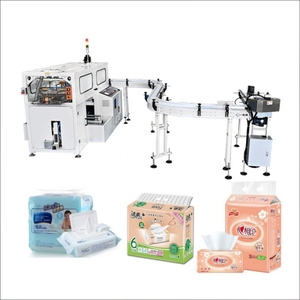
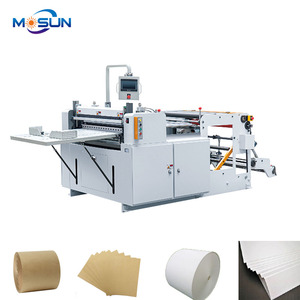
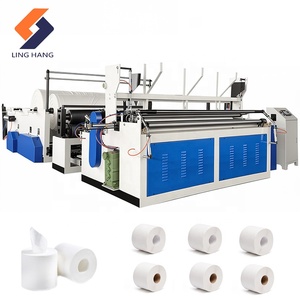
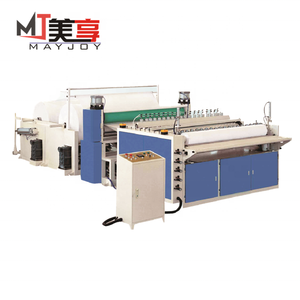
CE & ISO 9001 Certified Automatic Tissue Converting, Cutting, and Bundle Wrapping Systems Tailored for Global Commercial Operations.
10+
Years Engineering Expertise
40+
Global Countries Exported
99.8%
Factory FAT Success Rate
24/7
Turnkey Technical Support
Industrial Sourcing Intelligence
Comprehensive Sourcing Blueprint for Tissue Packing & Converting Automation
An engineering analysis of mechanical architecture, OEE optimization, and supply chain strategies when sourcing from top-tier Chinese manufacturers.
1. The Evolution of Tissue Packaging Automation in China Sourcing
The global tissue converting and packaging machinery landscape has experienced a monumental paradigm shift over the last decade. Historically, tissue converters relied on fragmented, semi-automated systems that coupled mechanical link-arm slitters with manual bagging operations. Today, leading China wholesale tissue packing machine suppliers and exporters utilize state-of-the-art multi-axis PLC servo synchronization, high-speed electronic motion control, and integrated thermal sealing protocols.
Sourcing tissue packing machinery from established OEMs in Henan and Eastern manufacturing clusters allows international procurement managers to reduce Total Cost of Ownership (TCO) while achieving overall equipment effectiveness (OEE) metrics above 88%. Modern automated lines combine primary wrapping (individual roll wrapping, soft-pack film enclosing, box cartoning) directly with secondary bundling systems (overwrapping, shrink bundling, and case packing), eliminating human-contact contamination and ensuring compliance with stringent CE, ISO 9001, and international hygiene regulations.
2. Engineering Architecture: Primary vs. Secondary Packaging Systems
To make an informed procurement decision, tissue converting plant owners must understand the distinct mechanical dynamics of primary and secondary packing configurations:
Primary Tissue Packaging Machinery
Primary packaging machines handle direct contact with the tissue products—whether soft-pack facial tissues, toilet paper rolls, kitchen towels, or folded table napkins. Modern continuous-motion wrappers leverage heat-sealable films (CPP, PE, OPP) or recyclable paper wrapping materials. Features include optical photoelectric mark registration, precise temperature controllers, and anti-static pneumatic film feeds running at speeds up to 150–200 packs per minute.
Secondary Bundle & Overwrapping Systems
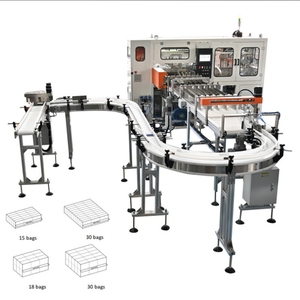
Secondary bundling equipment aggregates single soft packs or tissue rolls into commercial multi-packs, carrying bags, or shipping bundles. Utilizing side-seal wrapping or total-enclosure shrink bundling, these heavy-duty machines integrate automatically with inline band saws or log saws. High-level servo drives prevent compression damage to micro-embossed tissues while ensuring ultra-tight bundle tension for shipping container optimization.
3. Technical Benchmark Specification Matrix
Below is an engineering benchmark outlining standard parameters across key tissue manufacturing lines, engineered by Seasia Tissue Equipment Co., Ltd.
| Machinery Classification | Jumbo Roll / Raw Width | Production Capacity | Control System | Compatible Packaging |
|---|---|---|---|---|
| Facial Tissue Soft-Pack Line | 1200mm – 1880mm | 800 – 1500 sheets/min/lane | Siemens / Delta PLC Servo | PE / CPP Soft Bag, Box Cartoning |
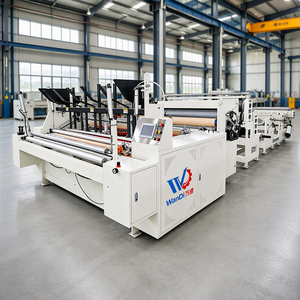
| Automatic Toilet Roll Line | 1575mm – 2800mm | 180 – 250 m/min rewinding | Multi-axis Touchscreen PLC | Single Roll Wrap, Multi-Roll Bundle |
| Napkin Converting & Wrapping | 230mm – 400mm (unfolded) | 600 – 1000 pcs/min | PLC with Color Print / Emboss | 1/4 Fold, 1/6 Fold Poly Bag Packs |
| Sustainable Wheat Straw Tissue Line | 1575mm – 1880mm | Custom Output setup | Hydraulic & Frequency Inverter | Eco-Friendly Kraft / Paper Wrapper |
4. Future Procurement Trends in Tissue Packaging (2025–2030)
Global tissue paper importers and tissue mill investors must align their capital expenditure (CapEx) with upcoming technological trends. Sourcing strategy should account for the following industry shifts:
- Integration of Recyclable & Plastic-Free Barrier Films: Environmental legislation in Europe and North America demands packaging equipment capable of running ultra-thin bio-PE, PLA, and direct kraft paper wrappers without film-tearing or seal-burn issues.
- IoT Diagnostics and Remote Tele-Commissioning: High-end Chinese exporters now equip machinery control cabinets with secure Cloud gateways, enabling real-time remote troubleshooting, software updates, and predictive maintenance diagnostics by senior engineers in China.
- Toolless Quick-Changeover Modular Designs: To accommodate varying market demands (e.g., switching between 4-roll, 6-roll, 10-roll, and 12-roll toilet paper packs), modern wrapping machines utilize cassette-style quick changeovers that cut downtime from 2 hours to under 15 minutes.
- Agile Bio-Fiber Processing: Utilizing alternative pulp raw materials—such as non-wood wheat straw, bamboo pulp, and recycled post-consumer waste—requires specialized web tension management and dust-extraction systems integrated into the slitting and wrapping modules.
5. Enterprise Strengths: Why Partner with Seasia Tissue Equipment Co., Ltd.
Located in Zhengzhou, Henan High-tech Zone, Seasia Tissue Equipment Co., Ltd. stands out among global tissue machinery suppliers by providing fully customized, factory-tested, and turnkey tissue paper manufacturing solutions.
Unlike pure trading vendors, Seasia designs, machines, assembles, and tests every line in-house. Before dispatch, every machine undergoes a strict Factory Acceptance Test (FAT) utilizing actual customer paper stock, recorded on HD video for client sign-off. Backed by CE certifications for both napkin and toilet paper lines, ISO Quality Management compliance, and third-party TÜV verification, Seasia has exported over 500 successful installations to Southeast Asia, Africa, Europe, and the Americas.
Expert Advice
Frequently Asked Sourcing & Technical Questions
Answers to critical questions asked by international buyers before finalizing tissue packing machinery contracts.
Which toilet paper rewinding machine width should I choose, 1575 or 1880?
The model number (e.g., 1575 or 1880) designates the maximum width capacity of the parent jumbo roll in millimeters. You should choose 1575 if your local jumbo paper roll suppliers primarily provide 1.5m to 1.57m raw rolls or if you are launching a compact enterprise workshop. Choose the 1880 model if you have access to 1.88m parent rolls, as it delivers significantly higher log yields per cycle, reducing scrap loss and boosting daily output by up to 30%. Matching machine width to available local jumbo roll dimensions avoids costly trimming waste.
Can tissue packing machines be customized for local voltage and specific poly-film thickness?
Yes, absolutely. All electrical components (including main motors, PLC units, heating elements, and frequency inverters) are wired according to your country's power grid standard (e.g., 220V 3-Phase 60Hz, 380V 3-Phase 50Hz, 415V, etc.). Furthermore, film feeder rollers, temperature controllers, and sealing jaws are calibrated specifically to your designated film type (CPP, PE, OPP, or paper wrapping) and thickness (ranging from 15 to 45 microns).
What is the lead time, and how is overseas installation and training conducted?
Standard production lead time ranges from 30 to 45 business days depending on customization complexity. Prior to shipment, your equipment undergoes full FAT testing with real paper stock. For overseas installation, Seasia provides two options: (1) On-site deployment of field engineers for complete mechanical assembly, line alignment, and staff training; or (2) HD video-guided remote installation supported by customized 3D CAD line drawings, wire diagrams, and 24/7 online engineering assistance.
How do I prevent tissue roll crushing during high-speed bundle packaging?
High-quality Chinese tissue packaging machines employ dynamic servo-driven pushers and side-clamping belts equipped with pneumatic cushion regulation. This ensures that soft-pack tissues or high-bulk micro-embossed toilet rolls are moved into the film wrapping zone under regulated mechanical pressure, protecting the roll diameter, embossed structure, and core shape during sealing.
Can I visit the factory in China to inspect machines before making final payment?
We warmly welcome international buyers to inspect our manufacturing facility in Zhengzhou City, Henan Province. You can observe your machine running live with real paper stock, review electrical wiring standards, inspect tooling tolerances, and verify all spare parts prior to container loading.
Ready to Upgrade Your Tissue Packaging Line?
Consult with our senior machinery engineers today. Receive tailored production line layout drawings, detailed equipment quotations, and factory-direct technical guidance for your tissue converting project.