Engineering Excellence: Featured Tissue Converting Equipment
Precision-engineered, factory-tested tissue machinery configured for maximum OEE, versatile embossing options, and compliant with CE & ISO specifications.
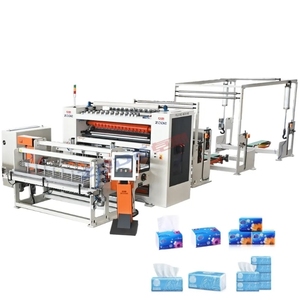
Napkin Tissue Production Line Small Scale Napkin Tissue Paper Making Machine Automatic Folding Machine
Compact 1/4 & 1/6 fold automatic napkin machine featuring custom logo embossing, precise electronic counting, and low power consumption for emerging converting workshops.
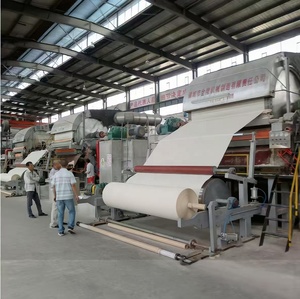
Crescent Type Toilet Paper Making Machine, High Speed Tissue Production Line, for Jumbo Roll Tissue Paper Manufacturing
Heavy-duty crescent former paper machine delivering operational speeds up to 1200 m/min with steam-heated Yankee dryer hoods for high-yield parent roll production.
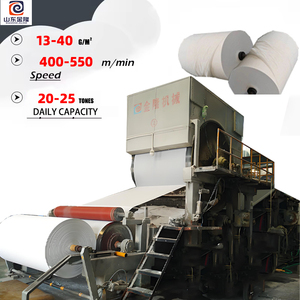
Fully Automatic Toilet Paper Tissue Production Line Waste Paper Recycling Pulp Tissue Machine for Household Tissue
Integrated eco-pulping system paired with automatic toilet roll rewinding, perforation, slitting, and wrapping designed for 100% recycled fiber optimization.
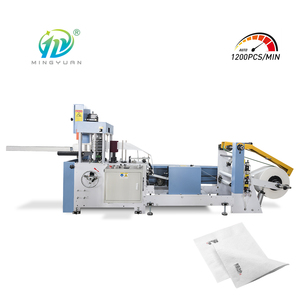
Factory Sale Low Price Tissue Paper Making Machine, Automatic Paper Napkin Machine / Toilet Paper Machine
Dual-capability modular setup optimized for fast switching between toilet tissue rewinding and flat napkin folding, maximizing capital efficiency for multi-product lines.
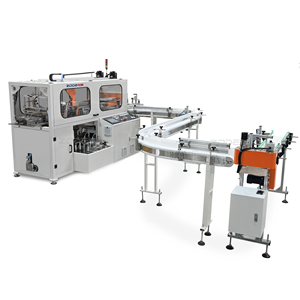
ZD-C25 Tissue Paper Production Line Tissue Paper Production Line Manufacturers Tissue Paper Production Line
Industrial-grade ZD-C25 automated line integrating pneumatic log loading, automatic core transfer, web tension synchronization, and high-speed log saw cutting.
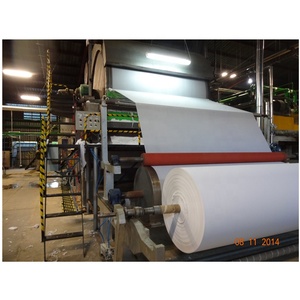
Toilet Tissue Paper Making Machine Automatic Production Line
Full servo-driven 1880/2800 mm working width rewinder with point-to-point steel-to-rubber embossing, auto tail sealing, and automatic bundle packaging integration.
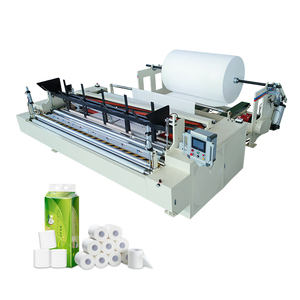
Automatic Tissue Paper Making Machine / Napkin Making Machine / Toilet Paper Roll Making Machine Complete Set
Turnkey tissue processing system equipped with stock preparation, PLC touchscreen central control, variable speed frequency control, and automatic film overwrapping.
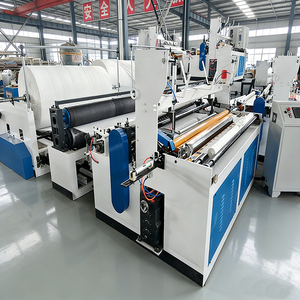
Automatic Paper Making Production Machinery Soft Tissue Jumbo Roll Facial Napkin Tissue Paper Making Process Line
High-efficiency facial tissue and soft-pack processing machinery engineered with vacuum suction folding technology, double embossing, and auto-counting discharge.
Engineering Heritage & Manufacturing Dominance: Seasia Tissue Equipment
As a leading pioneer in paper converting machinery based in the High-Tech Development Zone of Zhengzhou, Henan, Seasia Tissue Equipment Co., Ltd. stands as an authoritative force in the design, fabrication, and worldwide deployment of heavy-duty tissue paper manufacturing systems. Our engineering portfolio spans the entire paper processing spectrum—ranging from virgin wood pulp and waste paper recycling pulp lines to high-speed toilet roll rewinders, V-fold facial tissue folders, multi-color printed napkin machines, pulp molding egg tray units, paper cup formers, and industrial steam boilers.
When enterprise buyers invest in tissue manufacturing plant installations, machine stability, energy efficiency, and operational safety dictate overall profit margins. Our manufacturing facility integrates precision CNC machining centers, dynamic balance calibration for high-speed rollers, and robust electrical assembly bays utilizing Siemens PLCs, Schneider electronics, and NSK bearings. We do not merely assemble machines; we deliver customized engineering layouts, line balance calculations, pneumatic system design, and comprehensive operator training to ensure immediate start-up profitability.
In-House Structural Fabrication
Heavy wall-frame structures annealed to relieve internal stress, ensuring zero frame vibration under high-speed rewinding and slitting operations.
Certified CE & ISO Compliance
Fully enclosed safety shielding, emergency stop interlocks, and CE-compliant safety light curtains built into every automated line standard.
Custom Embossing & Tooling
Precision laser-engraved steel-to-rubber, steel-to-steel, or steel-to-wool embossing rollers tailored with custom company logos or decorative patterns.
Global Tissue Machinery Procurement Trends (2025–2030 Analysis)
The global tissue converting market is undergoing a structural paradigm shift. Driven by rising labor costs, volatile virgin pulp prices, stringent environmental regulations, and shifting commercial hygiene preferences post-pandemic, equipment buyers are re-evaluating capital expenditure (CapEx) metrics. Modern procurement strategies are transitioning from low-cost machinery purchases toward long-term total cost of ownership (TCO) optimization and operational technology integration.
1. Shift Toward High-Degree Automation & Full-Servo Integration
Across North America, Europe, and rapidly industrializing regions across Southeast Asia, Africa, and Latin America, tissue manufacturing enterprises face localized skilled-labor shortages. Consequently, buyers overwhelmingly request full-servo rewinding systems over mechanical gear-driven units. Servo-driven architectures allow independent web tension control, automatic core feeding, fast electronic roll length changes, and dynamic perforation positioning. This eliminates mechanical friction wear, reduces product changeover times from hours to minutes, and cuts required line personnel by up to 60%.
2. Waste Paper Recycling & Sustainable Fibre Processing
Sustainability is no longer merely a brand marketing tool—it is an economic imperative. Modern tissue mills increasingly deploy closed-loop stock preparation plants capable of converting mixed waste paper, recycled corrugated containers (OCC), and office paper waste into premium household soft tissue and commercial jumbo rolls. Buyers demand pulping equipment engineered with multi-stage detrashers, high-density cleaners, reverse flotation de-inking cells, and heat recovery steam systems that lower water usage per ton of pulp processed by 35% compared to legacy plants.
3. Multi-Functional Hybrid Converting Platforms
To hedge against market volatility, modern converting plants are moving away from single-purpose machines. Hybrid tissue lines—capable of switching between toilet tissue rolls and kitchen towel production, or producing both flat-pack and V-fold napkins with simple modular add-ons—are capturing significant procurement share. B2B wholesalers are prioritizing machinery suppliers capable of delivering modular chassis designs that accept future upgrades such as color flexographic printing units or automatic film bundlers without requiring complete line replacements.
Next-Generation Technology Trends in Tissue Manufacturing
To stay competitive in the high-capacity tissue manufacturing arena, machinery producers must continuously innovate at the intersection of fluid mechanics, thermodynamics, and high-precision mechanical motion. Below is an engineering overview of key technological breakthroughs driving the current industrial revolution in tissue paper manufacturing:
Crescent Former Technology vs. Fourdrinier
Traditional Fourdrinier and suction breast roll formers are rapidly being superseded by high-speed Crescent Formers. By spraying pulp stock between a forming fabric and a backing felt over a crescent-shaped solid shoe, jet-to-wire speed ratios are optimized. This achieves exceptional sheet uniformity, superior tensile strength ratio (MD/CD), and operational line speeds exceeding 1200–1500 meters per minute on parent roll machines.
Point-to-Point & Nested Embossing Engineering
Modern consumer tissue demands enhanced softness, bulk, and liquid absorption without adding sheet weight (GSM). Advanced point-to-point and nested steel-to-rubber embossing units create micro-air pockets between tissue plies. This increases sheet caliper and water retention capacity by up to 40% while preserving paper strength, allowing manufacturers to reduce raw material fiber usage without sacrificing end-user quality perception.
Smart PLC Web Tension & Auto-Tail Sealing Systems
At high rewinding speeds, paper breakage is the primary cause of unplanned downtime and material waste. Modern Seasia production lines incorporate closed-loop tension control via load cell rollers and variable-frequency AC drives (VFD). Furthermore, integrated tail-sealing units utilize high-precision pneumatic spray guns and water-soluble adhesives to automatically trim, roll, and seal log tails in under 1.5 seconds per cycle, yielding clean, aesthetically pleasing, non-waste outer tissue rolls.
B2B Procurement FAQ: Technical & Commercial Guidance
Expert answers to the most crucial technical, operational, and commercial questions raised by international tissue factory buyers.
Why Enterprise Wholesalers Partner with Seasia Equipment
Investing in industrial tissue machinery requires choosing a manufacturing partner capable of delivering long-term mechanical reliability, rapid spare parts dispatch, and responsive technical engineering. Here is how Seasia compares against standard regional suppliers:
| Feature / Engineering Standard | Seasia Tissue Equipment Co., Ltd. | Standard Regional Vendors |
|---|---|---|
| Main Frame Construction | Heavy-duty 20–30mm thick steel plate wallboard, stress-relieved | Thin 10–12mm welded channel iron; prone to high-speed vibration |
| Control & Servo Drive System | Siemens PLC, touchscreen HMI, full-servo multi-axis synchronizing | Basic relay controls or unbranded microcontrollers; limited diagnostics |
| Factory Acceptance Test (FAT) | 100% full-speed running test with customer paper prior to dispatch | Dry mechanical idle test without paper loading |
| International Safety Standards | Full CE Directive compliance, safety shields, light curtain protection | Exposed moving rollers and gears lacking safety interlocks |
| Global Spare Parts Availability | Standard international brands (NSK, Schneider, AirTAC, Siemens) | Non-standard custom components difficult to replace locally |
Ready to Scale Your Tissue Manufacturing Capacity?
Contact our senior paper machinery engineers today for a tailored technical proposal, complete ROI equipment quote, and free workshop 2D/3D layout design.