Featured Tissue Converting & Wet Wipe Machinery
High-efficiency, PLC-controlled paper and nonwoven converting production lines engineered for optimal reliability, local grid compatibility, and maximum yield across Cambodian industrial parks.
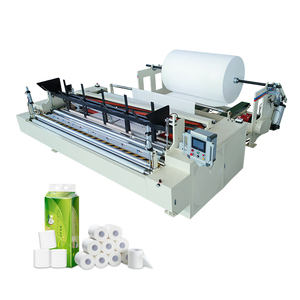
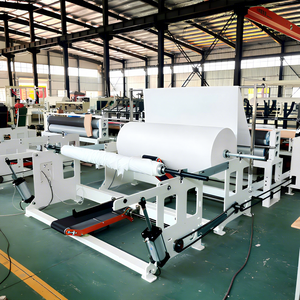
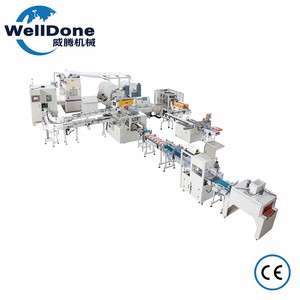
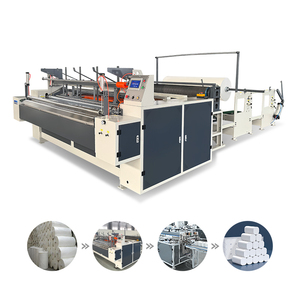
1. Cambodian Market Dynamics: The Strategic Transition to Local Wet Wipe Manufacturing
The Kingdom of Cambodia has emerged as one of Southeast Asia’s most dynamic manufacturing and consumer markets. Driven by sustained GDP growth averaging over 6% annually, rapid urbanization in major centers like Phnom Penh, and a booming tourism sector spanning Siem Reap and coastal Sihanoukville, the domestic demand for personal hygiene, baby care, and commercial food-service wet wipes has reached unprecedented levels. Historically, Cambodian wholesalers and distributors relied heavily on finished imported wet wipes from neighboring Vietnam, Thailand, and China. However, rising cross-border logistics costs, supply chain vulnerabilities, and import tariffs have fundamentally shifted market economics, driving a surge in local converting and packaging operations.
Establishing local wet wipe manufacturing facilities within Cambodian Special Economic Zones (SEZs)—such as the Phnom Penh SEZ (PPOSEZ) or the Sihanoukville Special Economy Zone (SSEZ)—presents immense cost advantages. Local production allows factory owners to capitalize on Cambodia’s favorable Qualified Investment Project (QIP) incentives, lower labor overheads, and immediate access to regional retail channels. To stay competitive, forward-thinking Cambodian factory owners are seeking high-precision, fully automated wet wipe folding and packaging machinery that minimizes material waste, guarantees hygienic contact-free production, and adapts seamlessly to local ambient humidity and electrical infrastructure.
Key Market Drivers for Wet Wipe Production in Cambodia:
• Expansion of Hospitality & Food Service (HoReCa): Restaurants, hotels, and casinos in Phnom Penh and Siem Reap require massive volumes of single-piece, individually wrapped refreshing wet wipes (sachets). Automated single-piece wet wipe machine lines allow local convertors to offer custom-printed, branded wipes to commercial venues at fraction of imported costs.
• Retail Growth in Baby Care & Personal Hygiene: Modern supermarket chains (e.g., AEON, Lucky Supermarket) and pharmacy franchises across Cambodia are expanding their private-label offerings. High-capacity 80-pack and 100-pack baby wipe lines with re-sealable plastic lids dominate family household consumption.
• Industrial & Healthcare Demand: Post-pandemic hygiene awareness has institutionalized the use of anti-bacterial household surface wipes, medical-grade disinfectant wipes, and sanitizing hand wipes in Cambodian hospitals, clinics, and industrial manufacturing plants.
2. Localized Application Scenarios & Machine Engineering Solutions in Cambodia
Operating industrial converting machinery in tropical Southeast Asian environments presents unique mechanical and chemical engineering challenges. High ambient temperatures, elevated relative humidity, and variable power line stability in rural industrial corridors demand equipment designed with heavy-duty structural integrity and climate-resilient components. Below are the four primary industrial application scenarios served by our wet wipe folding machinery across Cambodia:
Single-Piece Refreshing Towel Lines (HoReCa Sector)
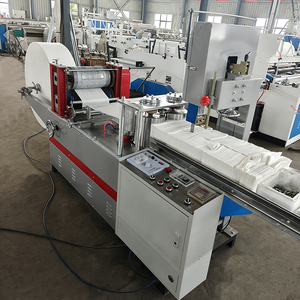
High-speed, single-lane and multi-lane sachet folding machines capable of producing 200–400 packs per minute. Integrates online liquid dosing, 4-side pouch sealing, and flexographic date coding for Phnom Penh restaurant suppliers.
30–120 Count Family & Baby Wipe Converting Lines
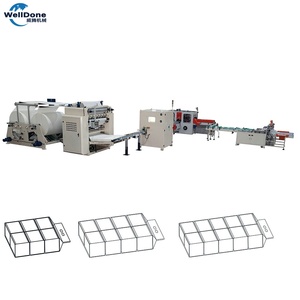
Fully automatic multi-row converting systems featuring pneumatic jumbo roll unwinders, servo-driven cross-folding (Z-fold, N-fold, or Interfold), automatic liquid wetting, online web cutting, flow wrapping, and robotic lid applicators.
Pocket-Pack Travel Wipes (10–30 Wipes per Pack)
Compact, flexible folding machinery optimized for small-footprint travel packs with re-sealable adhesive labels. Highly popular in Siem Reap souvenir shops, convenience store chains, and outdoor event vending.
Anti-Bacterial & Medical Grade Disinfectant Lines
Constructed completely with SUS304 and SUS316L sanitary stainless steel contact points, anti-corrosion piping, and sealed fluid tanks. Engineered to handle alcohol-based or benzalkonium chloride solutions safely without degrading seals.
Raw Material Optimization: Nonwoven Web Selection & Liquid Wetting Technology
A crucial factor in wet wipe manufacturing economic calculation is optimizing nonwoven fabric consumption. Most Cambodian factories utilize Spunlace nonwoven fabric (a blend of Viscose and Polyester, typically ranging from 35 GSM to 65 GSM). Our folding machinery features high-precision magnetic powder tension controllers and ultrasonic web-guiding alignment systems. This prevents nonwoven web drift, necking, or elongation during high-speed slitting and folding operations, keeping raw material yield above 98.5%.
Furthermore, our liquid wetting system utilizes a closed-loop flowmeter setup synchronized directly with main motor RPM. Whether the machine runs at 300 cuts per minute or accelerates to 800 cuts per minute, the liquid-to-cloth ratio (typically 2.8:1 to 3.5:1 by weight) remains perfectly uniform across every individual wipe, eliminating dry spots or liquid pooling inside packages.
3. Technical Specifications & Architectural Comparison Matrix
To assist Cambodian industrial buyers, factory engineers, and procurement directors in selecting the ideal equipment configuration, the following comparative engineering matrix outlines parameters across our standard wet wipe folding machine lines:
| Machine Category / Model | Folding Type | Design Speed | Suitable Raw Material | Liquid Dosing Range | Power Specs (Cambodia Grid) |
|---|---|---|---|---|---|
| Single-Piece High Speed Line | Z-Fold / Vertical Fold | 250 – 400 packs/min | Spunlace 30–60 GSM | 1.5 – 6.0 ml (±0.1ml) | 380V, 50Hz, 3-Phase (12 kW) |
| 5–30 Wipes Pocket Pack Line | Z-Fold / Pop-Up Interfold | 400 – 600 wipes/min | Spunlace / Bamboo Nonwoven | 2.5 – 3.2 times fabric weight | 380V, 50Hz, 3-Phase (18 kW) |
| 30–120 Wipes Auto Family Line | Z / N / Continuous Interfold | 2400 – 4800 wipes/min | Cross-Lapped Spunlace | 2.8 – 3.8 times fabric weight | 380V, 50Hz, 3-Phase (45 kW) |
| Medical & Disinfectant Line | C-Fold / Z-Fold | 300 – 500 wipes/min | Flushable / Poly-Viscose | Anti-Corrosive Fluid System | 380V, 50Hz, 3-Phase (22 kW) |
*Note: All machines can be equipped with step-up/down voltage transformers to accommodate site-specific voltage variations within Cambodian provincial industrial zones.
4. Frequently Asked Questions (FAQ) for Cambodian B2B Machinery Buyers
Navigating cross-border machinery procurement, customs clearance, site installation, and long-term technical maintenance requires clear operational clarity. Below are detailed answers to the most common questions raised by Cambodian clients:
What customs documentation (Form E) is provided for tariff exemptions in Cambodia?
How do Seasia wet wipe machines handle electrical fluctuations in rural Cambodian zones?
What water treatment infrastructure is needed before feeding the liquid dosing system?
Does Seasia send mechanical engineers to Cambodia for setup and operator training?
How are machine spare parts and wearable replacement items handled for Cambodian plants?
5. Enterprise Advantages: Why Cambodian Manufacturers Partner with Seasia
Selecting Seasia Tissue Equipment Co., Ltd. as your manufacturing equipment supplier means securing an engineering partner committed to your factory’s long-term profit and operational uptime. Our competitive advantages rest on four pillars of engineering excellence:
100% Pre-Shipment Wet Testing Protocol
Before packing and container loading, every wet wipe machine is fully assembled in our Zhengzhou workshop and run with actual nonwoven fabric rolls and liquid formulations. We capture complete high-definition operating videos and send detailed test logs for your technical sign-off.
Free CAD Workshop Layout Design
Send us your workshop length, width, and ceiling height dimensions in Cambodia. Our engineering office will generate a complimentary 3D factory layout drawing optimizing nonwoven roll loading, chemical mixing tank positioning, finished product packing zones, and utility piping.
CE & ISO Quality Management Compliance
Our manufacturing facility strictly complies with ISO9001 quality management guidelines. Key converting lines carry formal CE Certification, ensuring top-tier operator safety features, emergency braking systems, acoustic soundproofing covers, and electrical safety wiring.
Direct Manufacturer Pricing & Customization
By eliminating third-party trading intermediaries, we offer direct factory pricing. We easily customize folding dimension plates, embossing sleeve patterns, packaging bag sealers, and liquid dosing ratios to meet exact Cambodian target retail specs.
Ready to Launch or Expand Your Wet Wipe Production Line in Cambodia?
Consult with our senior machinery engineers today. Receive a custom project technical proposal, detailed ROI profitability breakdown, and free CAD workshop layout design tailored for your factory location.