Featured Machinery Portfolios for Tokyo & Greater Kanto Converters
Factory-direct paper converting equipment tested and configured to Japanese voltage, space constraints, and quality standards.
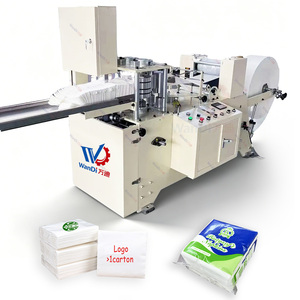
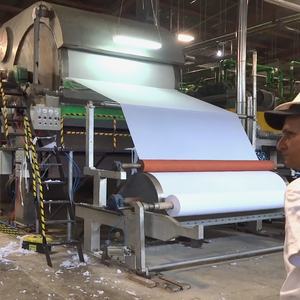
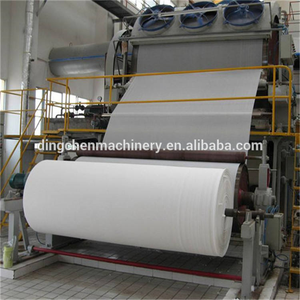
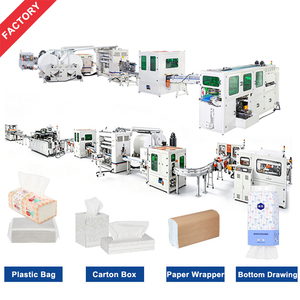
Localized Application Scenarios in Greater Tokyo & Kanto Industrial Area
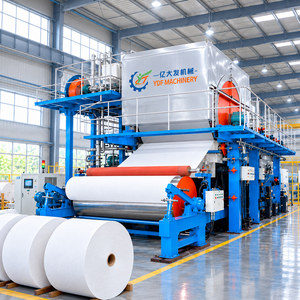
The tissue converting landscape in Tokyo is defined by distinctive consumer behavior, extreme urban space premium, and strict environmental guidelines. Manufacturers and B2B wholesalers operating in Tokyo, Yokohama, and Chiba face operational challenges that differ substantially from other global metropolitan hubs. Selecting the appropriate Facial Tissue Production Line requires an engineered balance between high mechanical throughput and compact machine physical dimensions.
High-End Hospitality & Office Towers
Districts like Marunouchi, Otemachi, and Roppongi demand ultra-soft, lotion-infused, or 3-ply luxury facial tissue. Our high-speed V-fold machines incorporate pneumatic micro-embossing and precise liquid moisturizing sprayers to meet Japanese 5-star hotel specifications.
Commuter Pocket & Pocket Advertising
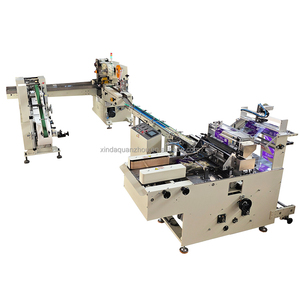
Around major transportation hubs such as Shinjuku and Shibuya stations, pocket tissue marketing (Poreji) remains a major advertising driver. Our 500 pcs/min pocket tissue machinery delivers sharp automated film wrapping and card-insertion modules tailored for Tokyo media agencies.
Urban Compact Workshop Operations
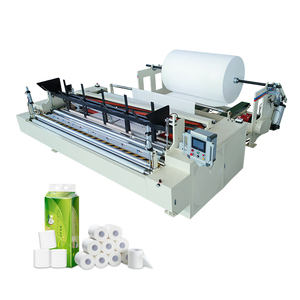
With Tokyo industrial real estate leased at premium rates per tsubo (3.3 sq. meters), converting plants must optimize floor space. Seasia’s integrated production lines combine slitting, folding, and saw cutting into a single linear chassis, minimizing spatial footprint by up to 35%.
Technical Insight for Tokyo Purchasing Directors: Japanese commercial clients enforce strict zero-dust (dusting-free) requirements for facial tissues used in electronic cleanrooms, cosmetics, and medical clinics in Bunkyo-ku. Our production lines utilize vacuum-assisted dust extraction hoods above the slitting cut-off blades to guarantee zero free-floating fibers during high-speed interfolding.
Key Market Trends Driving Tissue Converting Investments in Japan
Understanding local market evolution is imperative for wholesalers and tissue converters aiming to secure a competitive edge in Japan. Based on recent procurement data and regional supply chain shifting, three core macro-trends are shaping purchasing decisions across Tokyo's paper sector:
- Transition Toward Sustainable Virgin Bamboo & Agricultural Pulps: In line with Japan's ESG mandates and plastic-reduction policies, leading retailers in Ginza and Shibuya are substituting conventional wood pulp with 100% bamboo or wheat straw fibers. Converting non-wood pulp demands precise tension rollers and tailored web-guiding sensors to prevent web breaks during interfolding.
- Hyper-Automation to Counter Labor Shortages: Japan's demographics have accelerated the demand for single-operator converting lines. Modern plants in the Greater Tokyo area utilize PLC-driven automation where unwinding tension, sheet counting, log cutting, and poly-bag packaging are synchronized without manual intervention.
- Micro-Embossing and High-Density Ply Bonding: Japanese consumers favor multi-ply facial tissues that maintain structural integrity when moist. Advanced steel-to-rubber or steel-to-steel micro-embossing units create soft air pockets between tissue plies without sacrificing tensile softness.
Why Tokyo Buyers Partner with Seasia Tissue Equipment Co., Ltd.
As an industry-certified manufacturer headquartered in Henan, China, Seasia Tissue Equipment Co., Ltd. serves global converters with direct factory supply, custom machinery engineering, and comprehensive lifecycle support. For buyers in the Tokyo market, Seasia provides specialized equipment adaptations designed for seamless overseas installation and localized compliance.
Precision Voltage & Grid Adaptation
Eastern Japan operates on a 200V / 50Hz electrical system. Seasia custom-builds all electrical cabinets, inverter drives, and PLC motors specifically matched to Japanese industrial power standards, ensuring plug-and-play installation without external transformers.
International Quality Certifications
All machinery lines carry formal CE certifications, ISO Quality Management compliance, and third-party audit verification by TÜV Rheinland. Critical structural frames are fabricated with heavy-duty anti-vibration steel plates for dimensional stability.
Pre-Shipment Trial Run & Factory Layout
Prior to dispatch to Tokyo or Yokohama ports, every production line undergoes a rigorous 48-hour continuous trial run using the buyer's target jumbo roll stock. Live video verification and free CAD workshop layout designs are provided to every customer.
Frequently Asked Questions by Tokyo Tissue Wholesalers & Manufacturers
Which facial tissue folding structure is most popular in Tokyo commercial markets?
The V-fold (interfold) structure is the dominant standard for box tissue and soft-pack facial tissue in Japan. It allows continuous sheet-by-sheet dispensing without jamming in standard commercial dispensers used across Tokyo office buildings and hotel guest rooms.
How long does shipping take from your manufacturing base to Tokyo / Yokohama Port?
Maritime transit time from Qingdao or Shanghai port to Tokyo or Yokohama is typically 4 to 7 days. Including factory assembly, electrical customization, and pre-shipment trial testing, total project lead time ranges from 30 to 45 business days.
Can Seasia machines handle raw jumbo rolls made from 100% bamboo or recycled waste paper?
Yes. Our converting machines are equipped with variable frequency drive (VFD) unwinding stands and pneumatic web tension controls specifically designed to handle delicate eco-friendly bamboo fibers, wheat straw pulp, and recycled tissue grades without web breakages.
Do you offer on-site installation and operator training in Japan?
Yes. Seasia provides comprehensive overseas technical support. Overseas installation, line commissioning, and operator training can be performed on site by our engineering team or managed through real-time video guidance complete with Japanese-language documentation.
What is the recommended machinery setup for a start-up tissue converting business in Kanto?
For entry-level or small-space operators, we recommend a 2-line or 3-line automatic V-fold facial tissue machine paired with a single-head band saw cutter and a semi-automatic sealing machine. This keeps initial capital expenditure low while leaving clear expansion paths for full automation.
Ready to Build or Upgrade Your Facial Tissue Production Line in Tokyo?
Contact Seasia's senior application engineers today to request technical parameters, custom embossing roll design options, and a tailored factory layout for your plant.
Inquire Now