Featured Napkin & Tissue Machinery Solutions
Explore our export-grade paper converting systems engineered for high speed, low maintenance, and energy-efficient commercial tissue production.
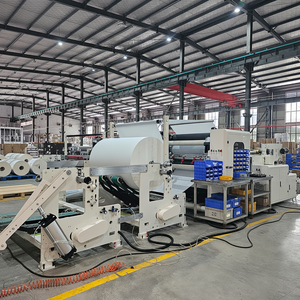
Fully Automatic Toilet Tissue Paper Roll Production Line Competitive Price Toilet Tissue Paper Machine Paper Processing Machine
View Machinery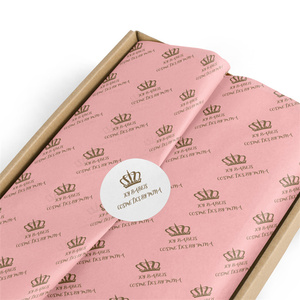
Custom Pink Christmas Tissue Paper with Printed Flower Logo for Gift Wrapping & Packaging Shredded Flowers Machine Made Wrap
View Machinery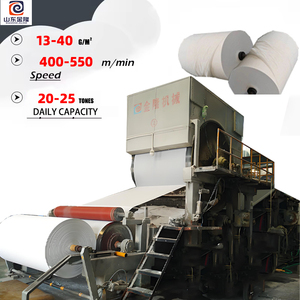
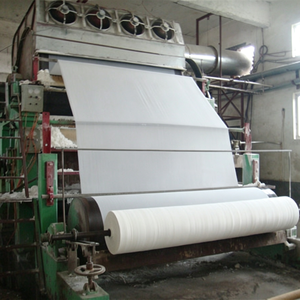
Fully Automatic Toilet Paper Tissue Production Line Waste Paper Recycling Pulp Tissue Machine for Household Tissue
View Machinery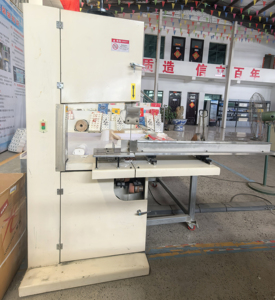
Semi-automatic Manual Small Toilet Paper Roll Tissue Paper Rolling Band Saw Cutting Machine Equipment Fast Response
View Machinery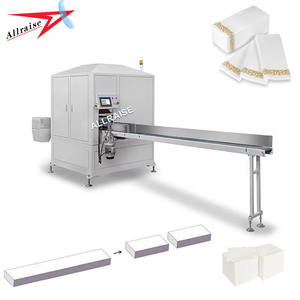
Automatic Single Channel Napkin Tissue Cutter Making Machine Disposable Soft Dinner Facial Tissue Paper Log Saw Cutting Machine
View Machinery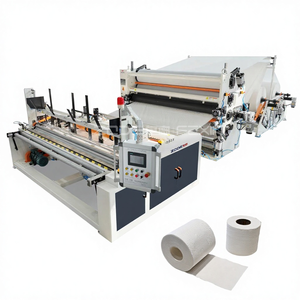
High Speed Fully Automatic Complete Production Line Small Scale Bathroom Toilet Tissue Paper Roll Making Machine Price in China
View Machinery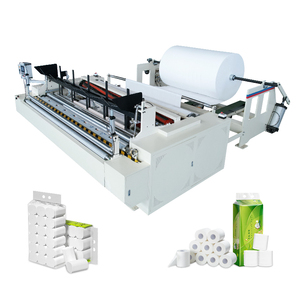
Automatic Toilet Roll Production Line Paper Napkin Tissue Making Machine Toilet Paper Making Machine Price
View Machinery
10+
Years Engineering Heritage
65+
Countries Exported To
99.4%
Factory Test Pass Rate
24/7
Global Engineer Support
Manufacturing Authority & Enterprise Strengths
As an industry-leading exporter and wholesaler of tissue and paper converting equipment, Seasia Tissue Equipment Co., Ltd. operates at the nexus of precision mechanical engineering, automated control systems, and sustainable pulp processing. Based in Zhengzhou, Henan, China, our manufacturing infrastructure is built to fulfill demanding international quality standard frameworks including CE Certification, ISO 9001 Quality Management, and TÜV Rheinland Audited Supplier Compliance.
In-House Mechanical & PLC Engineering
Unlike simple traders, our team manufactures equipment in-house. Every napkin machine, slitter-rewinder, and log saw cutter is designed with heavy-duty structural steel plates, precision-ground gearboxes, and multi-axis PLC servo control systems (Siemens/Delta) to guarantee zero-vibration high-speed continuous folding.
Rigorous Pre-Shipment Testing Protocols
We mandate a strict 100% factory trial run policy. Prior to packing, every line is loaded with authentic commercial parent jumbo rolls, calibrated for folding geometry, embossing depth, and tension control, and filmed running at full operational speed for client visual sign-off.
Custom Voltage & Market Adaptability
Global electrical compliance varies significantly. We configure industrial motors and pneumatic lines for specific client power grids (e.g., 220V 3-Phase 60Hz in South America, 380V 3-Phase 50Hz in Eastern Europe/Africa, 415V in South Asia), ensuring seamless plug-and-play installation upon container arrival.
In-Depth Technical Architecture of High-Speed Napkin Machines
Modern commercial napkins—spanning dinner napkins, cocktail napkins, luncheons, and dispenser-type tissue—require specialized mechanical folding geometries. Understanding machine mechanics is vital for procurement teams evaluating long-term operational performance and fiber loss metrics.
| Folding Specification | Common Unfolded Dimensions | Folding Mechanism | Primary Commercial Application |
|---|---|---|---|
| 1/4 Fold (Square Fold) | 230mm x 230mm to 400mm x 400mm | Vacuum / Mechanical Jaw Folding | Standard restaurant dinner napkins, catered event napkins, retail packs. |
| 1/6 Fold & 1/8 Fold | 300mm x 300mm / 330mm x 330mm | Longitudinal folder + transverse blade cutter | Compact food service dispensers, QSR fast food packaging, specialized cutlery wrap. |
| N-Fold / Z-Fold / V-Fold | 200mm x 210mm / 230mm x 230mm | Interfolding vacuum cylinder rollers | Commercial washroom interfold hand towels, facial tissue soft-packs, medical wipes. |
Key Engineering Modules in Modern Converting Machinery
To deliver clean edge cuts and crisp fold registration at operational speeds exceeding 800 to 1,200 sheets per minute, top-tier napkin production equipment incorporates four essential technical subsystems:
- Magnetic Powder Brake & Automatic Tension Unwinder: Maintains constant web tension as jumbo roll diameter decreases, preventing tissue tears and alignment drift.
- Steel-to-Rubber or Steel-to-Steel Embossing Units: Utilizes CNC-engraved steel rollers and high-durometer rubber/wool-paper counter rollers to impart structural bulk, absorbency, and decorative customer logo designs.
- Flexographic Color Printing Stations: Integrated 1-color to 4-color flexo printing systems using eco-friendly water-based inks, enabling inline custom logo branding without requiring secondary converting steps.
- Pneumatic Counting and Stacking Units: Automatically groups folded napkins into predetermined pack quantities (e.g., 50, 100, or 250 sheets) via pneumatic pushers, presenting organized stacks directly to band saw cutters or automatic bagging machinery.
Industry & Technology Development Trends (2025–2030)
The global commercial paper converting sector is undergoing rapid structural evolution driven by sustainability mandates, rising energy costs, and digital manufacturing transitions. Enterprise buyers must align equipment selection with these four core development vectors:
1. Full Servo-Driven Modular Automation
Legacy mechanical line shafts are rapidly being replaced by multi-axis direct-drive servo motors. Independent servos on unwinding, embossing, folding, and cutting shafts eliminate gear backlash, reduce mechanical wear by up to 40%, and enable push-button size changes via digital HMI touchscreens.
2. Alternative Fiber & Circular Pulp Processing
Due to raw material price volatility in virgin wood pulp, modern converting machinery must reliably process eco-pulp blend ratios including bamboo pulp, sugarcane bagasse, recycled waste paper pulp, and unbleached kraft fiber without web breaks or excessive dust generation.
3. Inline Smart Inspection & Vision Systems
High-resolution optical sensors integrated directly past the cutting knife identify misfolds, ink smudges, edge burrs, and web tears in real-time, automatically rejecting defective stacks without interrupting high-speed line operations.
4. Low-Wattage Eco-Drying & Pneumatics
Energy-optimized vacuum pumps, regenerative blowers, and smart pneumatic valving reduce total line electrical consumption by 18% to 25%, directly lowering the operational kilowatt-hour cost per metric ton of converted tissue paper.
Strategic Sourcing Guidelines for B2B Importers & Wholesalers
Purchasing tissue converting equipment represents a capital expenditure (CAPEX) decision that impacts manufacturing margin profiles for 10 to 15 years. Global procurement leaders should structure their technical evaluations around the following framework:
Total Cost of Ownership (TCO) vs. Initial Purchase Price
While low initial machinery costs may appear attractive, substandard steel quality, unbranded electrical switches, and non-standard bearings lead to frequent line stoppages and scrap rates exceeding 5%. Evaluating TCO requires factoring in:
- Component Standardisation: Demand standard global brands (NSK/SKF bearings, Schneider/Siemens electrics, Airtac pneumatics) to ensure spare parts are readily purchasable in local domestic markets.
- Parent Roll Compatibility: Ensure machine unwind stands can handle standard local jumbo roll widths (e.g., 1,575mm, 1,880mm, or 2,800mm) and maximum roll diameters (up to 1,200mm or 1,500mm) to minimize trim waste.
- Turnkey Downstream Integration: Sourcing an isolated folding machine without matching the throughput capacity of automatic band saw cutters and flow-wrapping packing lines creates immediate operational bottlenecks. Sourcing a complete, synchronized line ensures seamless throughput.
Frequently Asked Questions (FAQ) for Global Buyers
Expert answers to common engineering, logistical, and operational questions regarding napkin and tissue machinery procurement.
What is the difference between mechanical folding and vacuum folding napkin machines?
Mechanical folding relies on physical tucking blades and folding jaws to fold the tissue web. It is highly cost-effective and suitable for standard single-ply or double-ply tissue up to 600 sheets/min. Vacuum folding uses internal suction rollers to pull the paper cleanly onto the folding cylinder at ultra-high speeds (up to 1,200+ sheets/min) without paper friction tears, making it ideal for high-volume industrial lines.
Which toilet tissue paper machine model width should I select: 1575 or 1880?
The model designation (1575 vs 1880) represents the maximum usable width in millimeters of the raw parent jumbo roll. You should choose Model 1575 if your regional paper mills supply parent rolls around 1,500mm–1,550mm, or if you are launching a medium-scale workshop. Model 1880 accommodates wider 1,800mm–1,850mm jumbo rolls, producing more tissue logs per cycle and achieving higher total daily tonnage output.
Can napkin machines incorporate custom company logo embossing?
Yes. We engineer customized steel-to-rubber or steel-to-steel embossing rollers based on vector logo artwork provided by clients. High-precision CNC engraving creates deep, crisp logo reliefs that elevate product branding for corporate catering, hotel chains, and restaurant clients.
How are machine voltage and frequency configured for export orders?
Every motor, PLC drive, heater element, and control transformer is tailored during production to match your country's industrial power infrastructure. Common options include 380V 3Phase 50Hz, 220V 3Phase 60Hz, 415V 3Phase 50Hz, or 480V 3Phase 60Hz. Voltage details are formally locked into technical drawings prior to assembly.
What overseas installation, commissioning, and training services do you provide?
All machinery is fully assembled, pre-wired, and test-run in our factory prior to shipment. For overseas deployment, we offer two installation support paths: 1) Dispatching senior field service engineers directly to your factory for physical setup, mechanical tuning, and operator training; or 2) Providing high-definition video walkthroughs, detailed electrical schematics, and live remote engineer support via video call.
What is the typical production lead time and shipping duration?
Standard single napkin machines or band saw cutters are typically completed within 15 to 25 working days. Full automatic production lines or custom-embossed units require 30 to 45 working days for manufacturing and rigorous trial testing. Ocean freight shipping times vary by destination port (e.g., 12–18 days to Southeast Asia, 25–35 days to Europe/Middle East, 30–45 days to West Africa or South America).
What raw tissue paper GSM range can these machines process?
Our napkin and tissue converting machinery is engineered to process single-ply, 2-ply, or 3-ply paper weights ranging from 13 g/m² (grams per square meter) up to 30 g/m² per ply. Tension rollers and perforation blades are easily adjusted to ensure crisp cutting across varied paper grades.
How can prospective buyers verify factory build quality before placing an order?
We welcome international buyers or third-party inspection agencies (SGS, TÜV, BV) to conduct physical factory audits at our workshop in Zhengzhou, Henan, China. Alternatively, clients can request a live interactive video audit to inspect raw steel stocks, machining centers, assembly bays, and live machine test runs on paper rolls.
Ready to Upgrade Your Tissue Converting Plant?
Connect directly with our senior application engineers to receive customized machine technical proposals, factory CAD layout drawings, and transparent FOB/CIF wholesale quotations tailored to your market goals.