Featured Tissue & Paper Napkin Converting Lines
Precision-engineered converting systems built for high-speed folding, embossing, digital printing, and end-to-end automated packaging.
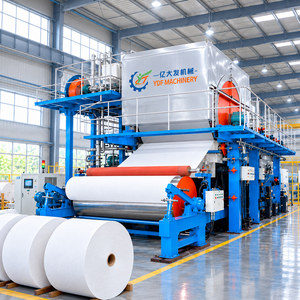
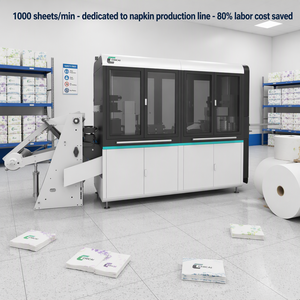
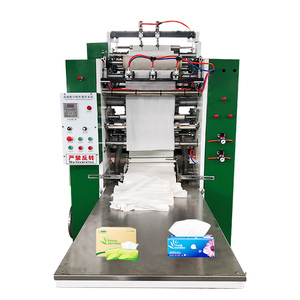
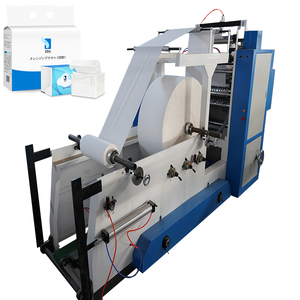
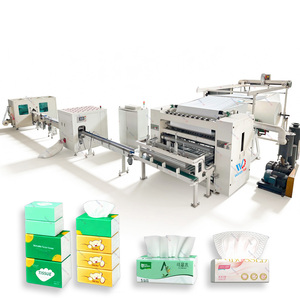
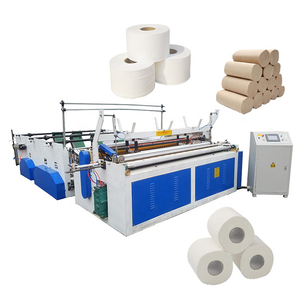
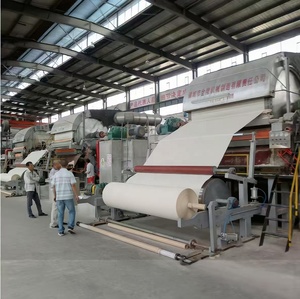
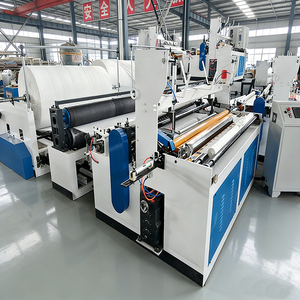
1. The Engineering Landscape of China's Paper Napkin Machinery Sector
The global tissue converting and commercial napkin manufacturing industry is undergoing a profound structural shift. Commercial tissue buyers across North America, Europe, Southeast Asia, and Africa are increasingly sourcing high-efficiency paper napkin production lines from verified Chinese original equipment manufacturers (OEMs). Driven by advancements in servo-driven mechanical movement, real-time pneumatic tension regulation, and integrated digital printing, China’s napkin production machinery offers an unmatched price-to-performance ratio without compromising structural rigidity or mechanical precision.
Historically, commercial converters faced a dilemma: invest in legacy European machinery requiring capital outlays exceeding millions of dollars, or purchase entry-level manual converting gear plagued by high web-breakage rates and inconsistent embossing depth. Today, top-tier Chinese manufacturers bridge this gap by offering fully automated tissue converting machinery certified under European CE and ISO9001 quality management systems. These production lines achieve mechanical operating speeds exceeding 2,500 sheets per minute per lane while maintaining registration tolerances within ±0.15 mm.
Core Mechanical Subsystems of Modern Napkin Converting Lines
A industrial-grade napkin converting production line is an interconnected ecosystem of precision mechanical engineering. Understanding these primary subsystems is vital for factory managers and procurement directors evaluating supplier capabilities:
- Jumbo Roll Unwinding & Tension Control Unit: Utilizes continuous pneumatic feedback rollers and magnetic particle brakes to preserve web integrity. Advanced lines incorporate dual unwind stands with dynamic auto-splicing to eliminate downtime during raw paper parent roll changes.
- Embossing & Micro-Nesting Assemblies: Features hardened steel-to-rubber or steel-to-steel rollers. CNC-engraved laser patterns deliver enhanced tactile softness, improved ply bonding, and structural volume enhancement without tearing delicate 13–18 GSM tissue plies.
- Flexographic & Digital Printing Modules: Modern high-speed lines integrate inline flexographic flexo units (1 to 4 colors) or zero-plate-cost digital inkjet heads. Quick-drying eco-friendly water-based inks enable custom logo branding for HoReCa (Hotel, Restaurant, Catering) clients.
- Rotary Vacuum Folding Head: The heart of the converting line. Utilizing high-vacuum suction drums, it transforms slitted web strips into 1/4 fold, 1/6 fold, 1/8 fold, or custom M/V interfolded configurations with perfect square-edge geometry.
- Automated Log Saw Slitting & Banding: Synchronized servo-driven circular orbital saws precisely cut tissue logs into final napkin dimensions, seamlessly transferring stacks to automatic flow-wrapping and cartoning modules.
2. Enterprise Manufacturing Competencies & Technical Rigor
When procuring industrial machinery from China, evaluating manufacturer authority, technical expertise, and quality control systems is paramount to ensuring project success. Seasia Tissue Equipment Co., Ltd. stands at the forefront of China's paper processing and tissue converting industry, operating state-of-the-art CNC machining centers in Zhengzhou, Henan Province.
Heavy-Duty Cast Iron Frame Architecture
Unlike low-cost suppliers using welded sheet metal frames that vibrate and warp at high speeds, our line bases are constructed from high-tensile solid cast iron plate frames (30mm–40mm thickness). This dampens resonance, ensures zero frame flex, and extends machine operating lifespan beyond 15 years.
Full Factory Acceptance Testing (FAT) Protocol
Every machine undergoes a mandatory 72-hour continuous stress test in our factory using real virgin pulp, bamboo pulp, or recycled raw paper specified by the client. HD operational video recordings and dynamic tension logs are provided to buyers prior to export container loading.
Siemens & Schneider PLC Integration
We standardize exclusively on internationally available automation electronics. Featuring Siemens PLC processing controllers, multi-axis servo drives, and touchscreen HMIs, global factories can easily source replacement electrical components locally while enjoying remote cloud-diagnostic capabilities.
Global Engineering Standards & Export Compliance
Navigating cross-border machinery procurement requires strict compliance with regional electrical safety standards and environmental regulations. Seasia Tissue Machinery guarantees that all exported paper napkin converting equipment matches the local electrical standards of the target market—whether 380V 50Hz 3-Phase for European/Asian grids, 220V 60Hz for South American operations, or 460V/480V 3-Phase for North American facilities.
| Performance Specification | Standard Mechanical Line | Full Servo Digital Production Line | Seasia Customized Enterprise Line |
|---|---|---|---|
| Maximum Folding Speed | 800 – 1,200 sheets/min | 1,800 – 2,200 sheets/min | 2,200 – 3,200 sheets/min |
| Raw Material Adaptability | 100% Virgin Wood Pulp | Virgin Pulp & Mixed Kraft | Bamboo, Bagasse, Recycled & Virgin Pulp |
| Folding Size Accuracy | ±0.5 mm | ±0.2 mm | ±0.1 mm (Optical Sensor Controlled) |
| Drive Architecture | Chain & Gear System | Hybrid Servo-Gear Drive | Multi-Axis Full Independent Servo Drive |
| Changeover Setup Time | 2 – 4 Hours (Manual) | 45 – 60 Minutes | 15 – 30 Minutes (One-Touch HMI Presets) |
3. Global Paper Napkin Manufacturing Trends (2025–2030)
Procuring a napkin production line is a long-term capital investment. To ensure asset longevitiy, procurement managers must align equipment specifications with emerging market dynamics, sustainability mandates, and evolving consumer habits over the next decade.
A. Rapid Adoption of Eco-Friendly Non-Wood Raw Fibers
Environmental legislation and single-use plastic bans are shifting consumer demand toward sustainable tissue fibers. Raw bamboo pulp and sugarcane bagasse fiber have emerged as fast-growing eco-friendly raw materials due to their rapid crop renewal cycles and high natural tensile strength. However, bamboo fibers exhibit differing stretch dynamics compared to standard softwood pulp. Modern paper napkin folding machines must feature active micro-tension adjustment systems to prevent web slippage or micro-tearing during high-speed vacuum folding.
B. The Rise of Short-Run Customization & Zero-Plate Digital Printing
The hospitality sector increasingly demands custom-branded printed napkins for boutique restaurants, corporate events, and regional franchise chains. Traditional flexographic printing requires expensive polymer print plates and lengthly ink cleanup cycles, making short runs cost-prohibitive. The integration of Zero-Plate-Cost Inline Digital Printing Technology allows tissue converters to accept short-run orders (as few as 1,000 sheets) with zero setup waste, unlocking exceptionally high profit margins for specialized packaging vendors.
C. End-to-End Automation & Smart Telemetry (Industry 4.0)
Labor shortages and rising minimum wages across industrial zones mean standalone tissue machinery is rapidly being replaced by fully automated turnkey production lines. Modern tissue converting lines route napkins directly from folding drums into automatic bundle counters, log saws, individual flow-wrappers, cartoning machines, and robotic palletizing cells. Remote telemetry enables factory managers to monitor Overall Equipment Effectiveness (OEE), track real-time power consumption, and schedule preventive maintenance via smartphone applications.
4. B2B Buyer FAQ: Machinery Selection & Import Logistics
Clear answers to critical engineering, pricing, and shipping questions frequently raised by international machinery buyers:
Transform Your Paper Converting Operations Today
Contact our senior engineering team for customized factory layout CAD drawings, raw material consumption analysis, and official OEM price quotes tailored to your output targets.