Industrial Napkin & Tissue Converting Solutions
Factory-direct paper napkin making machines, facial tissue folding lines, rewinding systems, and turnkey packaging integration engineered for global B2B buyers.
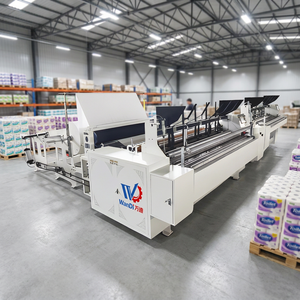
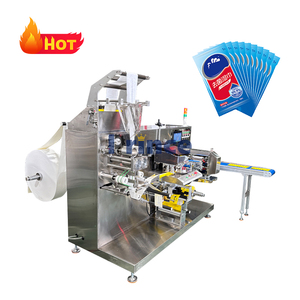
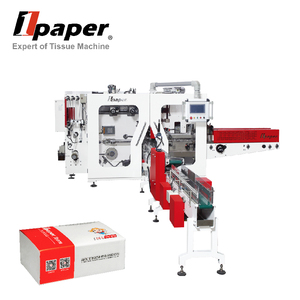
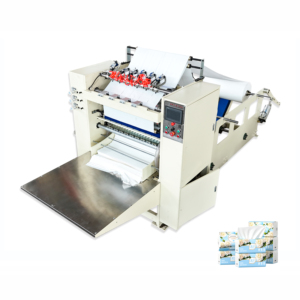
1. Technical Architectural Overview: Custom OEM Napkin Converting Engineering
The global tissue converting industry demands absolute precision, ultra-low downtime, and modular operational versatility. As a premier original equipment manufacturer (OEM) and factory located in Zhengzhou, Henan High-Tech Zone, Seasia Tissue Equipment Co., Ltd. specializes in designing and manufacturing high-speed napkin paper making machinery engineered to transform raw jumbo paper rolls (13 GSM to 28 GSM) into high-value, folded, embossed, and custom-printed commercial napkins.
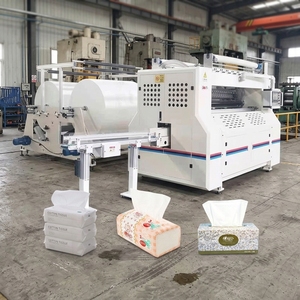
A high-speed industrial napkin making machine represents a complex electromechanical ecosystem. The operational cycle begins at the magnetic powder tension-controlled unwinding station, passes through high-definition flexographic printing and micro-embossing rollers, and terminates at high-speed rotary cutter blades and vacuum-assisted folding heads.
Information Gain Benchmark: Modern OEM napkin production lines utilize multi-axis servo-driven synchronous drive architecture rather than traditional mechanical line-shaft arrangements. This reduces mechanical backlashes, lowers paper web tension breakage rates by 84%, and allows instant digital adjustments of fold geometries and sheet length parameters directly through a multi-touch PLC panel.
Core Engineering Modules in Custom Napkin Converting Equipment
- Jumbo Roll Unwind & Constant Tension Unit: Equipped with pneumatic jumbo roll loading arms, flat belt transmission, and closed-loop web tension sensors to prevent paper stretching or tearing across varying jumbo roll diameters (up to 1200mm width and 1500mm diameter).
- Precision Flexographic Printing Station (1 to 4 Colors): Utilizes ceramic anilox rollers, doctor blade chamber systems, and fast-drying infrared/ultraviolet drying lamps for high-precision logo and pattern printing on cocktail, lunch, and dinner napkins without color bleeding or ink offset.
- 3D Point-to-Point & Steel-to-Rubber Embossing Systems: Hard-chromed steel rollers matched with imported high-durometer rubber or wool-paper rollers generate distinct, deep embossing patterns (border embossing, full-surface micro-embossing, or custom corporate branding logo embossing) to maximize napkin bulk, softness, and absorption capacity.
- Rotary Cutting & Vacuum Suction Folding Head: High-hardness tungsten steel rotary knives execute clean cross-cuts, while synchronized vacuum suction cylinders fold sheets into precise 1/4 fold, 1/6 fold, 1/8 fold, 1/12 fold, or N-fold geometries without mechanical pinching marks.
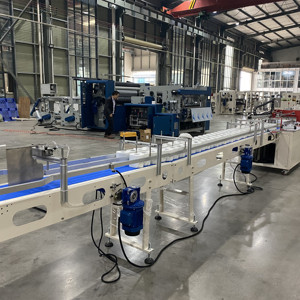
- Electronic Auto-Counting & Stacking Conveyor: Photoelectric sensor counting units trigger pneumatic pushing fingers to deliver perfectly segregated stacks (e.g., 50 or 100 napkins per pack) directly to downstream automatic packaging machinery.
Comparative Technical Specifications: Line-Shaft vs. Multi-Axis Servo OEM Napkin Lines
| Performance Metric | Standard Mechanical Line Shaft | Seasia OEM Multi-Axis Servo Line | Procurement Value Advantage |
|---|---|---|---|
| Mechanical Speed | 800 – 1,200 pcs/min | 2,200 – 3,200 pcs/min | +160% Production Capacity |
| Fold Precision Tolerance | ± 1.2 mm | ± 0.2 mm | Zero Jamming in Auto-Packers |
| Raw Material GSM Compatibility | 14 – 22 GSM (1-ply / 2-ply) | 12 – 28 GSM (1-ply, 2-ply, 3-ply) | Broader Paper Sourcing Range |
| Paper Waste Rate during Start-up | > 3.5% | < 0.8% | Significant Annual Raw Material Savings |
| Changeover Setup Time | 120 – 180 Minutes (Manual) | 15 – 30 Minutes (Digital PLC Preset) | Minimizes Unplanned Downtime |
| Drive Motor Architecture | Single AC Motor + Gearbox | Independent Inovance / Siemens Servos | Lower Noise & Reduced Gear Wear |
2. Factory Authority & OEM Manufacturing Capabilities: Seasia Tissue Equipment
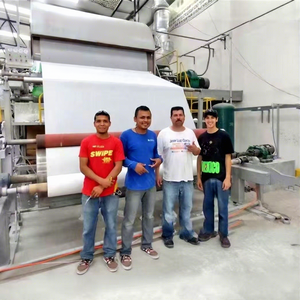
Sourcing paper machinery directly from a verified Chinese factory eliminates intermediary markups and guarantees deep structural customization tailored to local market requirements. Seasia Tissue Equipment Co., Ltd. operates a heavy-duty production facility in Zhengzhou, Henan Province, equipped with CNC machining centers, dynamic balancing test rigs, and dedicated electrical assembly workshops.
CE & ISO Quality Compliance
Audited by TÜV Rheinland. Fully compliant with EU machinery directives, low-voltage electrical safety standards, and ISO9001 quality assurance protocols.
Deep OEM/ODM Customization
Voltage adaptation (220V/380V/415V/440V, 50/60Hz), custom napkin dimensions (200mm to 430mm square), bespoke embossing steel rollers, and custom logo printing units.
100% Factory Acceptance Testing (FAT)
Every machine undergoes continuous 8-hour testing using client-supplied jumbo rolls in our workshop before container packing, with HD test run videos supplied.
Factory Direct Service Workflow for Overseas Buyers
- Technical Consultation & Market Requirement Analysis: Our engineering team evaluates your target product (e.g., fast-food napkins, luxury printed hotel napkins, medical wipes) and selects optimal unfolded sheet dimensions, folding styles, and speed thresholds.
- Free Workshop Layout & CAD Design: We supply tailored 2D and 3D plant CAD drawings matching your available workshop area, floor loading capacity, compressed air piping, and power supply points.
- Precision Manufacturing & Quality Control: Frames are built from heavy-duty stress-relieved steel plates to eliminate vibration at speeds exceeding 2,500 sheets per minute. Chrome-plated steel rollers undergo precise dynamic balance testing.
- Global Shipping & On-Site / Remote Commissioning: Machines are wrapped in moisture-proof anti-rust membrane and secured inside FCL containers. Overseas engineers provide on-site installation, commissioning, and operator training, supported by 24/7 video technical support.
3. Global B2B Sourcing & Procurement Trends in Napkin Manufacturing (2025–2030)
The paper napkin manufacturing sector is experiencing rapid transformation driven by strict environmental regulations, changing consumer hygiene demands, and the aggressive expansion of quick-service restaurant (QSR) chains worldwide. Strategic procurement officers must anticipate these market shifts when selecting converting machinery.
A. Rapid Shift Toward Eco-Friendly Fiber & Non-Wood Pulp Processing
Due to global plastic bans and forestry sustainability initiatives, napkin converters are shifting from 100% virgin wood pulp to eco-friendly substrates such as virgin bamboo pulp, bagasse (sugarcane pulp), and high-percentage post-consumer recycled fiber (PCR). Modern OEM napkin machines must feature modified web guidance rollers, special blade coatings, and adjustable vacuum pressure settings to process unbleached bamboo or recycled paper (which exhibits shorter fiber length and higher dust content) without web breaks or excessive knife wear.
B. Turnkey Line Automation: Eliminating Manual Handling
Rising global labor costs and stringent sanitary regulations (such as FDA food contact paper requirements) are driving converters away from standalone napkin folders. Procurement trends heavily favor fully automatic integrated lines where the napkin making machine connects directly via multi-belt transfer units into automatic single-pack poly-bagging machines, bundle overwrappers, and robotic case packers. This eliminates manual touching, guarantees hygiene, and lowers labor overhead by up to 70% per production line.
C. High-Value Customization: Logo Printing & Luxury Point-to-Point Embossing
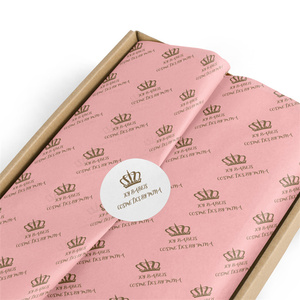
Commercial clients in the hospitality and food-service sectors increasingly utilize napkins as brand marketing media. Demand is surging for custom-printed napkins featuring multi-color flexographic printing (up to 4 colors) with water-based food-grade inks. Furthermore, double-embossed and point-to-point glued napkins (such as tissue-to-tissue lamination) are rapidly replacing standard single-ply napkins in high-end dining due to their cloth-like texture and superior liquid absorption.
4. Technology Evolution & Smart Manufacturing Trends
Integrating Industry 4.0 principles into tissue paper converting machinery is redefining operational efficiency, maintenance, and quality control.
Smart PLC & Cloud Telematics
Real-time machine performance monitoring (OEE), automatic alert generation for preventive maintenance (knife sharpening, belt tension), and remote cloud diagnostic interface for instant engineering support.
Vision Quality Inspection Systems
High-resolution inline camera sensors scan napkin folded sheets at 3,000 pcs/min speed to instantly detect print misalignment, dirt spots, edge tears, or improper folds, auto-rejecting defective pieces.
Energy-Efficient Inverter Motors
Variable Frequency Drives (VFD) coupled with high-efficiency IE4 motors and energy-recovering regenerative braking modules cut overall electrical power consumption by up to 22% per ton of converted paper.
5. Comprehensive B2B Procurement FAQ: Technical & Operational Buying Guide
Below are authoritative answers compiled by Seasia’s senior engineering team to address technical, commercial, and operational questions frequently raised by global paper mill buyers and tissue converting enterprises.
Q1: How do I select the correct napkin machine model based on my local market fold size and tissue dimensions? +
Selecting the ideal napkin making machine model depends on the unfolded sheet size and the targeted fold style required by your regional market:
- 230mm x 230mm / 250mm x 250mm (1/4 Fold): Standard size for fast-food chains, coffee shops, and cocktail bars. Compact, economical, and fast output.
- 300mm x 300mm / 330mm x 330mm (1/4 or 1/8 Fold): Standard lunch and dinner napkin size used across restaurants, catered events, and home dining packs.
- 400mm x 400mm (1/4, 1/8, or 1/12 Fold): Premium large dinner napkins, often manufactured with 2-ply or 3-ply heavy tissue and deep point-to-point embossing.
- 1/6 Fold / Dispenser Napkin Fold: Engineered for commercial tabletop metal or plastic dispensers used in high-traffic quick-service eateries.
Note: Because fold size is determined by the fixed mechanical cylinder geometry and folding knife location, machine specifications must be locked in during ordering. Seasia offers customizable folding heads or dual-size interchangeable cylinder options upon request.
Q2: What raw material paper grade and GSM specifications are required for efficient napkin production? +
Napkin converting machines achieve optimal performance when utilizing tissue parent rolls with the following technical characteristics:
- Grammage (GSM): 13 GSM to 18 GSM for multi-ply napkins (2-ply or 3-ply); 18 GSM to 28 GSM for single-ply napkins.
- Pulp Composition: 100% Virgin Wood Pulp, Bamboo Pulp, or high-grade De-inked Recycled Pulp (DIP). Fiber strength must meet minimum tensile strength standards (MD > 1.8 kN/m, CD > 0.6 kN/m) to prevent tearing during high-speed unwinding.
- Jumbo Roll Core Diameter: Standard 3 inches (76mm) inner core diameter.
- Jumbo Roll Dimensions: Maximum outer diameter up to 1200mm – 1500mm; roll width determined by machine model width (e.g., 230mm, 300mm, 400mm, or double-lane 600mm/800mm widths).
Q3: What is the difference between Steel-to-Rubber and Steel-to-Steel embossing rollers? +
The choice of embossing combination dramatically impacts napkin bulkiness, pattern sharpness, hand-feel softness, and tooling lifespan:
- Steel-to-Rubber Embossing: Consists of an engraved steel pattern roller mating against a smooth high-durometer rubber roller. Ideal for standard micro-embossing, soft border embossing, and general lunch napkins. Highly resilient, lower cost, and forgiving on minor paper thickness variations.
- Steel-to-Steel Embossing: Features matched male/female laser-engraved steel rollers. Produces extremely sharp, crisp, 3D embossed designs and high bulkiness. Recommended for premium hotel dinner napkins, heavy multi-ply tissue, and crisp logo branding. Requires high machining precision and robust machine framing.
- Steel-to-Paper / Wool-Paper Roller: Provides exceptional embossing depth and maximum bulkiness without breaking delicate tissue fibers, frequently used for high-grade 2-ply and 3-ply tissue products.
Q4: Can flexographic printing units handle multi-color custom logo printing without ink smudging at high speeds? +
Yes. Seasia’s OEM flexographic printing units integrated into napkin making machines are engineered specifically for non-absorbent high-speed tissue converting:
We incorporate high-precision laser-engraved ceramic anilox rollers (ranging from 200 to 600 LPI) paired with doctor blade chamber systems to deliver a uniform, micro-meter thick layer of water-based food-grade ink onto the paper web. Downstream forced-air or infrared (IR) drying tunnels flash-dry the ink instantly before the paper enters the embossing or folding section, completely eliminating ink bleed, offsetting, or smudging at linear speeds up to 300 meters per minute.
Q5: How does the machine handle electrical voltage compatibility for export to different countries? +
Every OEM napkin machine manufactured at our Zhengzhou factory is fully configured to match the exact industrial power infrastructure of the buyer's factory destination. During the technical agreement phase, we confirm your local 3-phase industrial power supply specs:
- Americas: 220V / 460V / 480V, 3-Phase, 60Hz
- Europe & Asia: 380V / 400V / 415V, 3-Phase, 50Hz
- Special Local Grids: Step-up or step-down heavy-duty transformers and frequency converters are integrated directly into the main control cabinet. All electrical components (breakers, contactors, PLC, frequency inverters) utilize international Schneider, Siemens, or Omron brands with global UL / CE certifications.
Q6: What is the estimated Return on Investment (ROI) and payback period for a small-to-medium napkin converting factory? +
While ROI depends on local raw material paper costs, electricity rates, and local wholesale napkin pricing, a typical market financial model operates as follows:
A standard dual-lane automatic napkin machine operating at 2,000 pcs/min output produces approximately 1.2 million to 1.5 million folded napkins per 8-hour shift. Assuming a standard wholesale margin of $0.0008 to $0.0015 USD per napkin piece above raw pulp paper costs, daily gross margin ranges between $960 and $2,250 USD per shift. Factoring in equipment capital expenditure, container freight, labor, and power consumption, most of our overseas customers achieve full machinery payback within 6 to 10 months of continuous operation.
Q7: What installation, commissioning, and operator training support is provided post-delivery? +
Seasia provides comprehensive two-tier commissioning and training support:
- On-Site Technician Dispatch: Experienced mechanical and electrical engineers are dispatched directly to your facility to oversee installation, position machinery according to approved CAD layout drawings, calibrate pneumatics, run test paper, and train your operators in operation and daily blade maintenance.
- Turnkey Remote Video Guidance: For clients requiring instant setup, machines are shipped fully pre-wired with color-coded plug-and-play connections. We provide comprehensive HD installation video manuals, wiring schematics, and direct 1-on-1 video call sessions with our chief engineer.
Q8: How are machine spare parts, rotary blades, and wearing items managed long-term? +
Each machine is shipped with a comprehensive 2-Year Emergency Spare Parts Package containing replacement tungsten steel cutting blades, vacuum suction seals, heating tubes, timing belts, air cylinders, and electrical sensors. For long-term maintenance, Seasia maintains an extensive warehouse inventory in Zhengzhou with express DHL/FedEx dispatch for replacement parts within 48 hours.
Transform Your Paper Converting Business Today
Contact Seasia Tissue Equipment engineers to receive an authoritative technical quotation, free workshop CAD layout drawing, and custom OEM napkin making machine proposal tailored to your local market requirements.