1 / 5
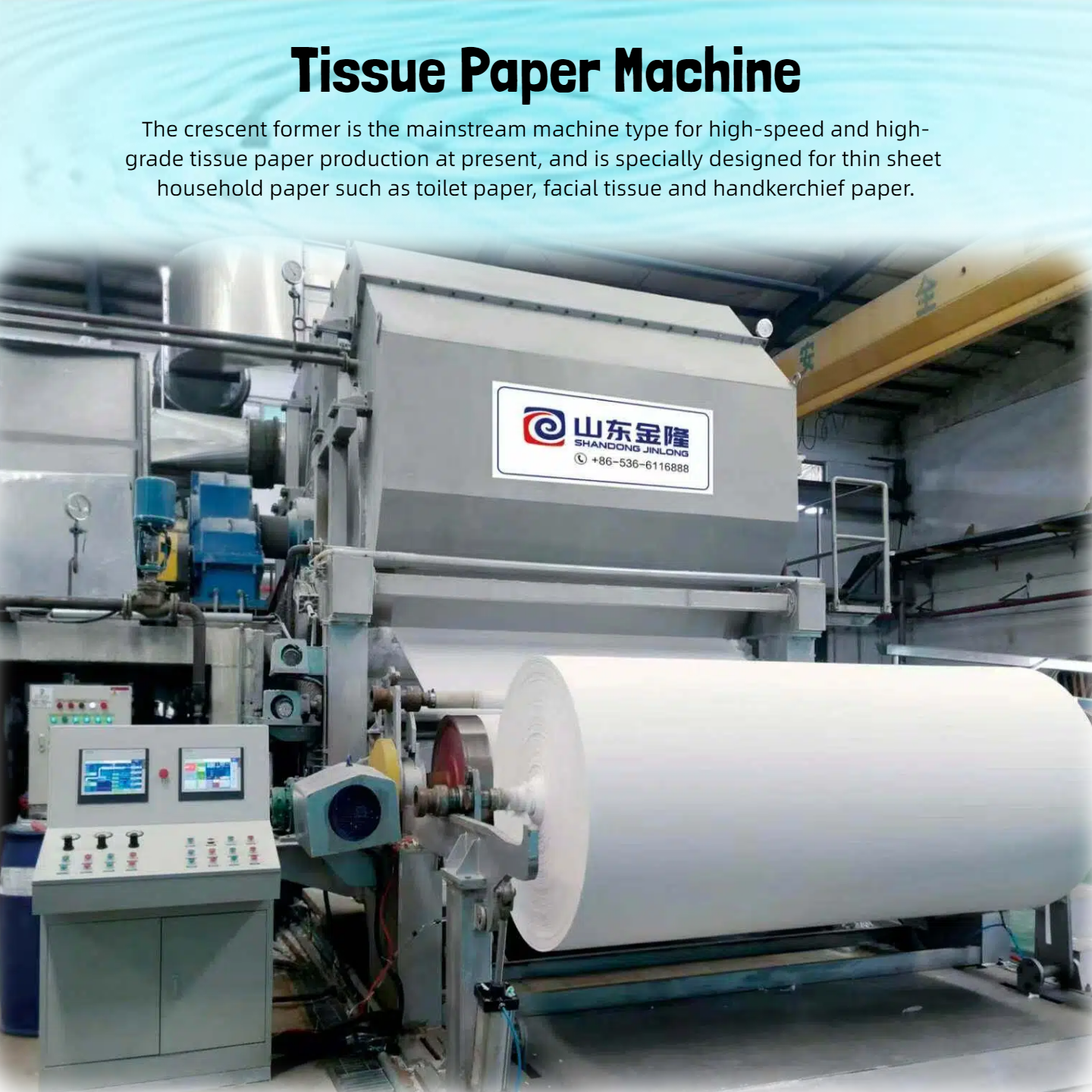
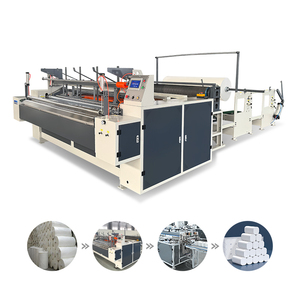
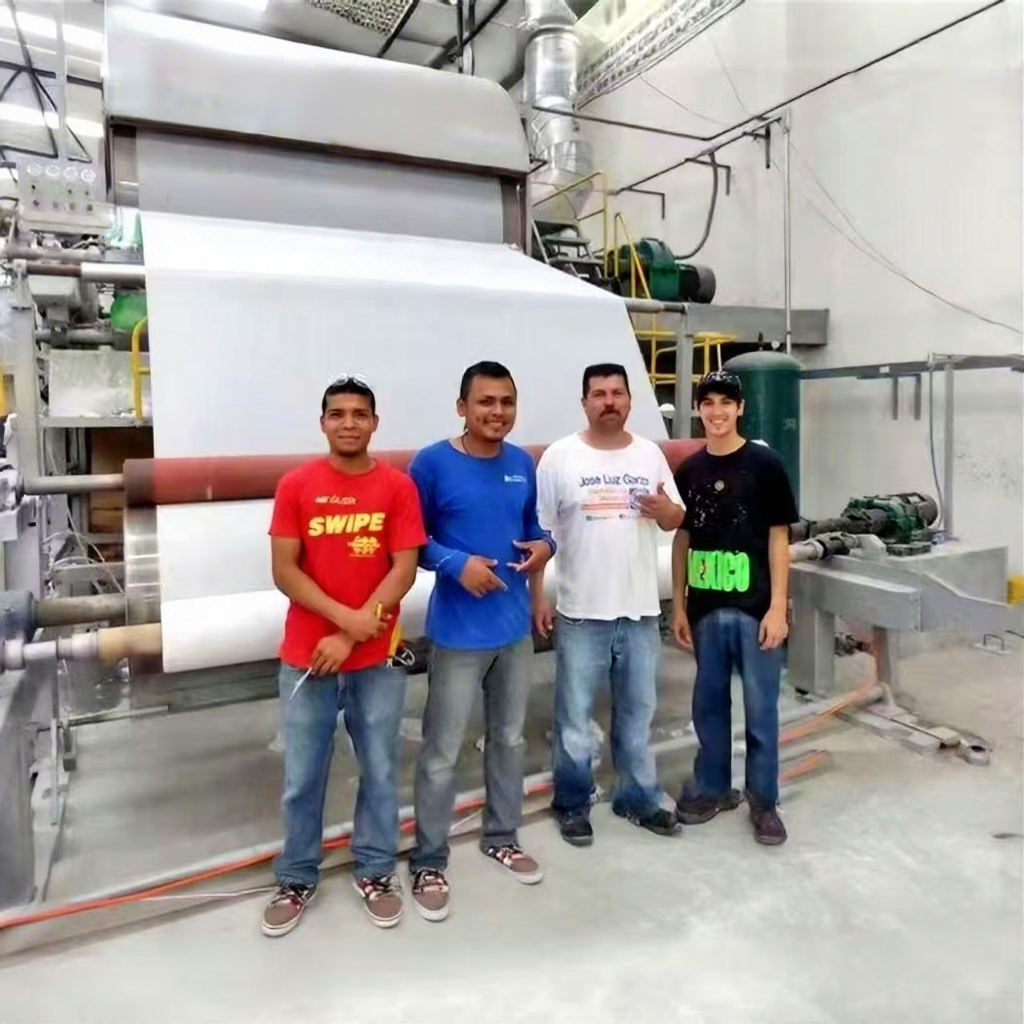
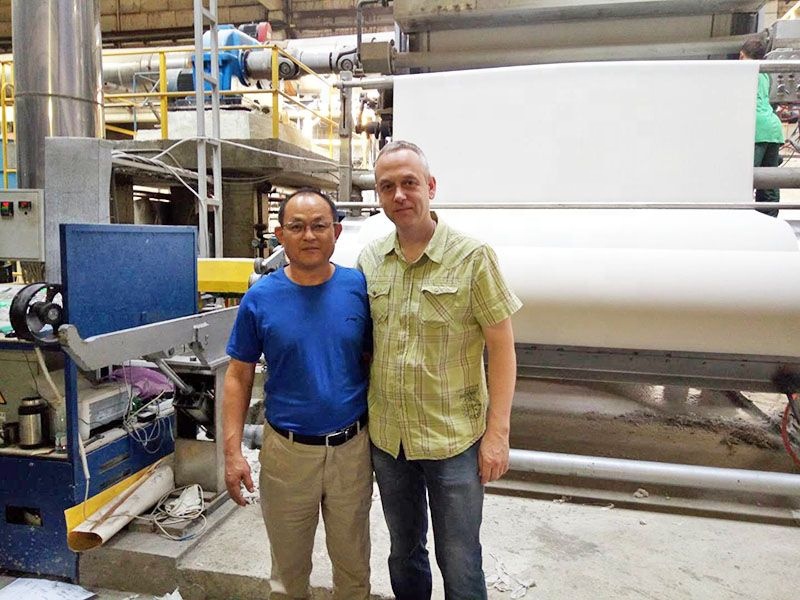
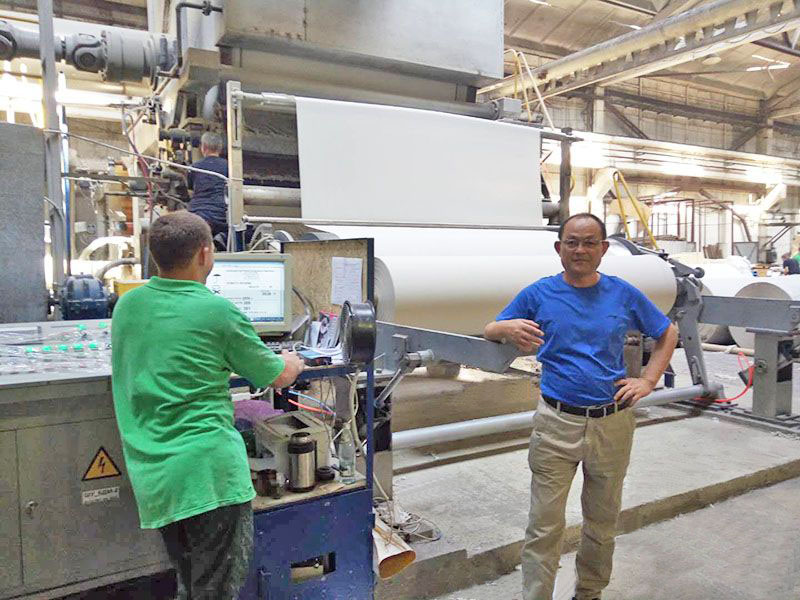
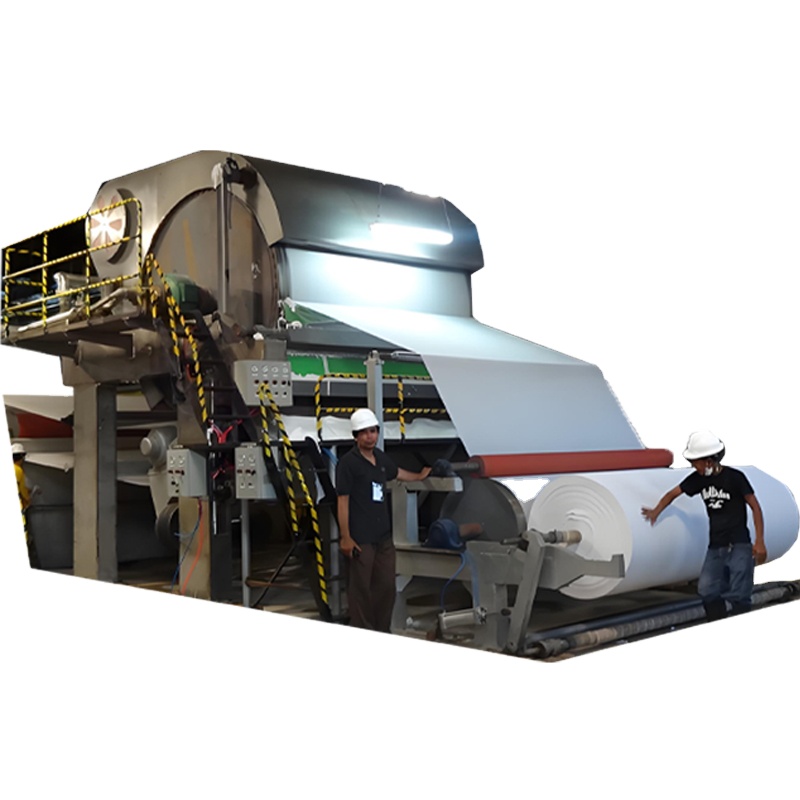
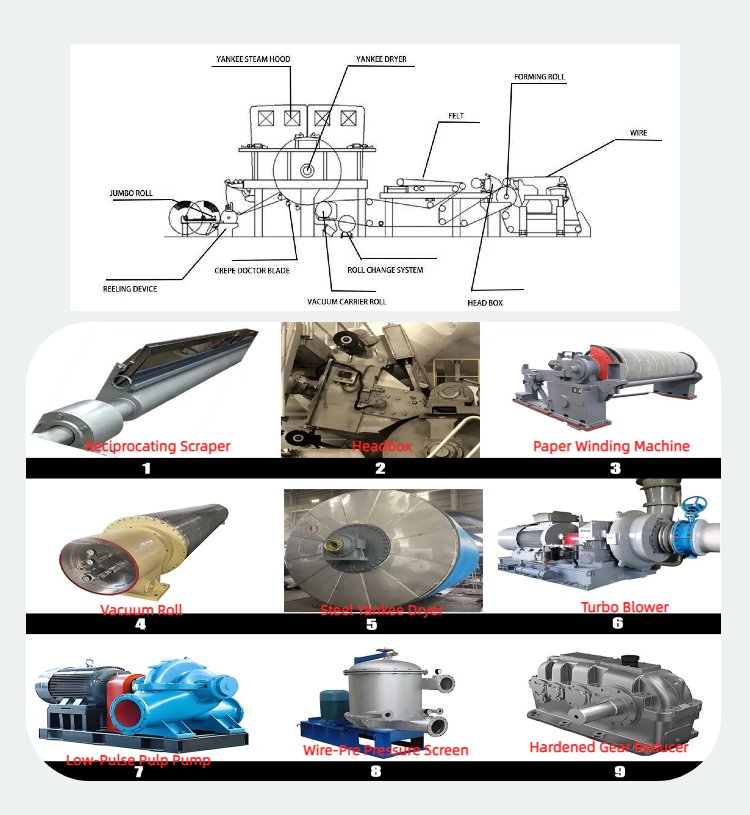
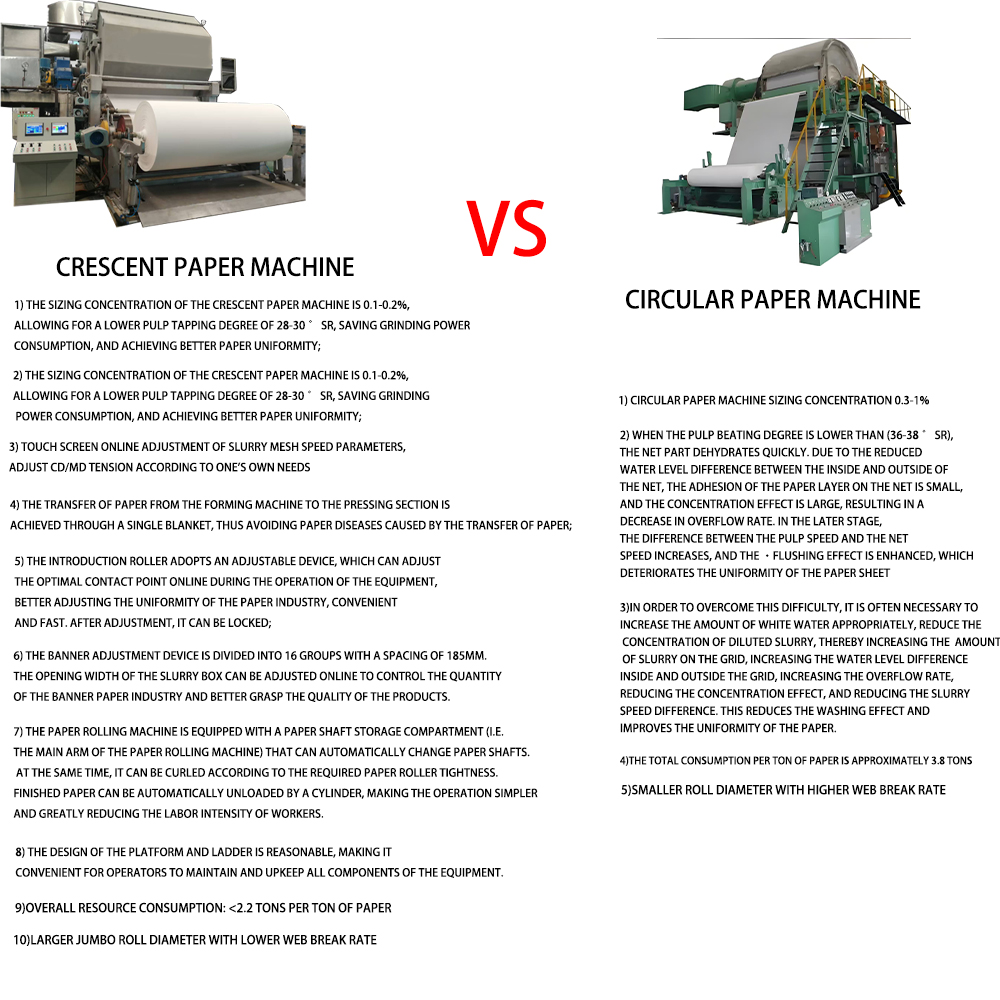
Paper machine serves as an umbrella term for a comprehensive array of machinery and equipment that collectively transform pulp into a finished paper web. At the heart of this system lies the main unit, which comprises components like the pulp box, where the initial pulp mixture is prepared. From there, the pulp is guided through a mesh unit, where the initial paper web begins to take shape. Subsequent to the mesh unit, the paper web is pressed in a pressing unit to remove excess water and enhance its structural integrity. This pressed web then enters a drying unit, where heat is applied to further evaporate water and solidify the paper's fibers. Complementing the main unit are various auxiliary systems that ensure the smooth and efficient operation of the entire paper machine. These include steam systems that provide the necessary heat for drying, water systems for pulp preparation and cleaning, vacuum systems to assist in the removal of excess water, lubrication systems to maintain the smooth operation of moving parts, and heat recovery systems that harness wasted heat to enhance energy efficiency. In summary, the paper machine is a sophisticated integration of various components and systems that work in harmony to transform pulp into the paper we use in our daily lives.
| Category | base paper of tissue paper and paper towels |
| Raw Material | Wood pulp, refined straw pulp, reed pulp, renewable deinked pulp and so on. |
| Quantitative | 14-35g/m² (Quantitative after paper curling) |
| Paper Machine | Model: 1880 |
| Rail Distance | 2800mm |
| Dryer | Φ3000×2300mm |
| Net Paper Width | 1880mm |
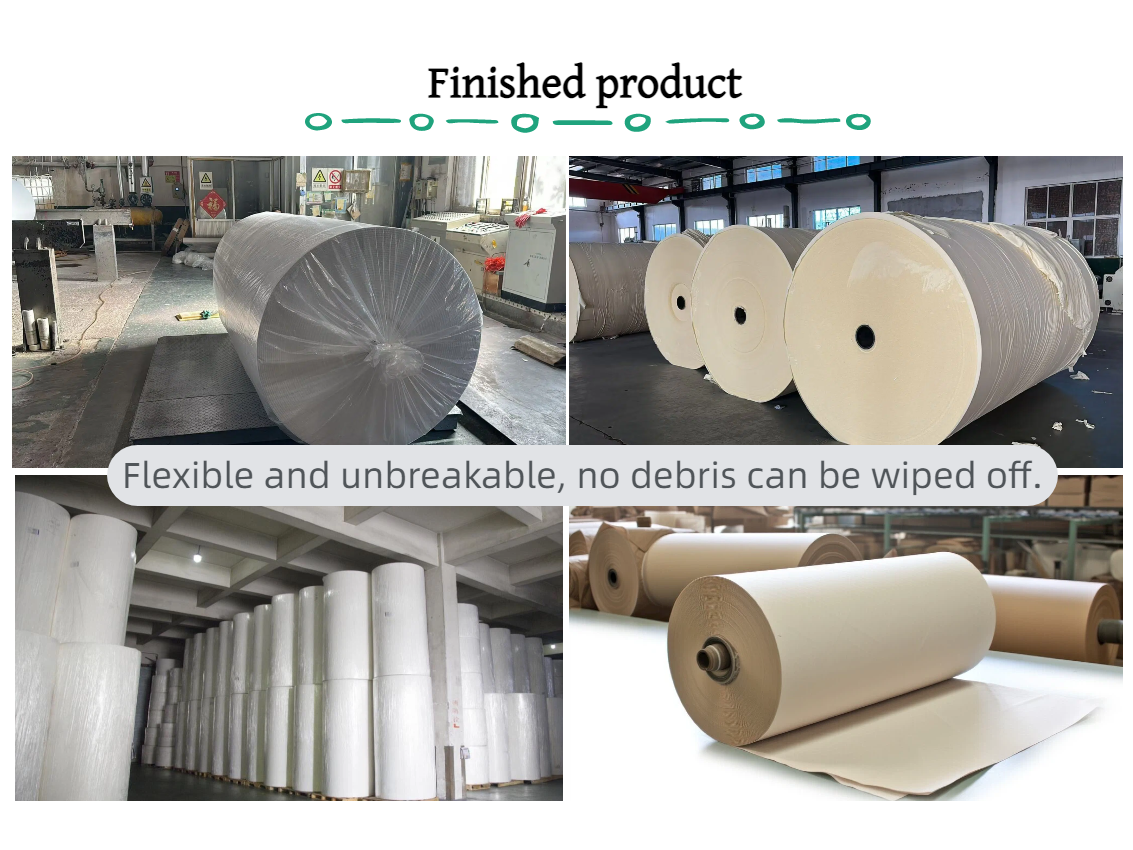
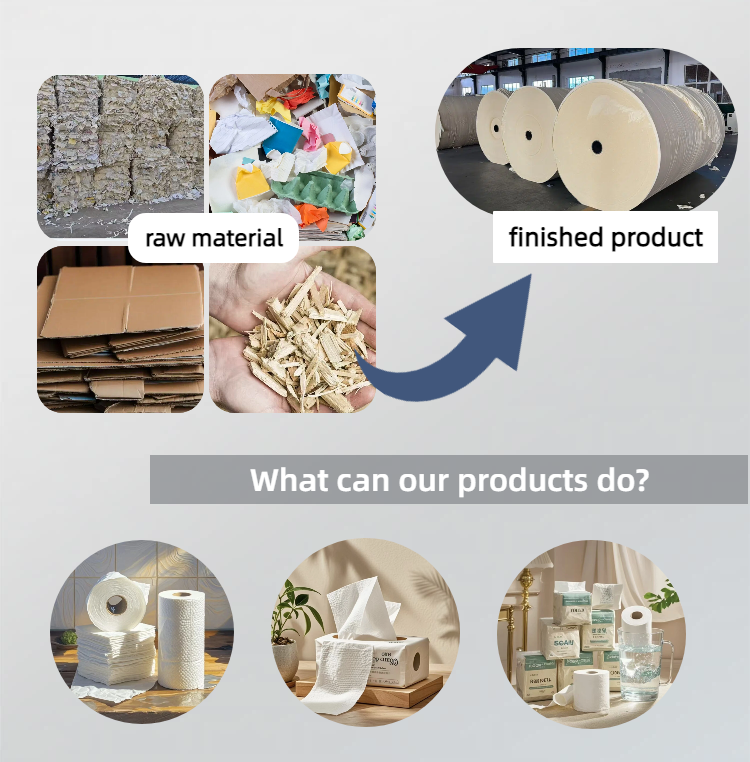
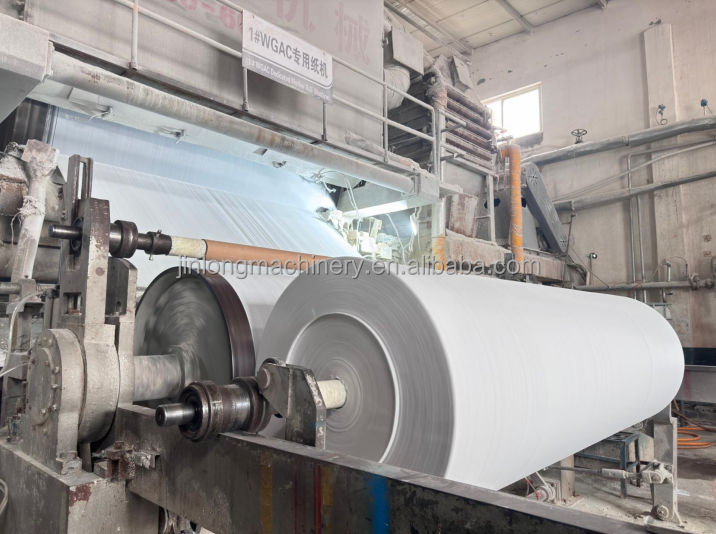
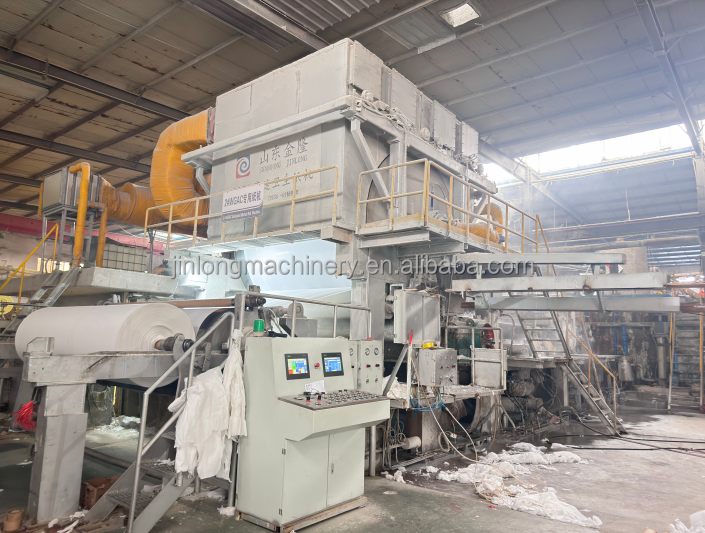
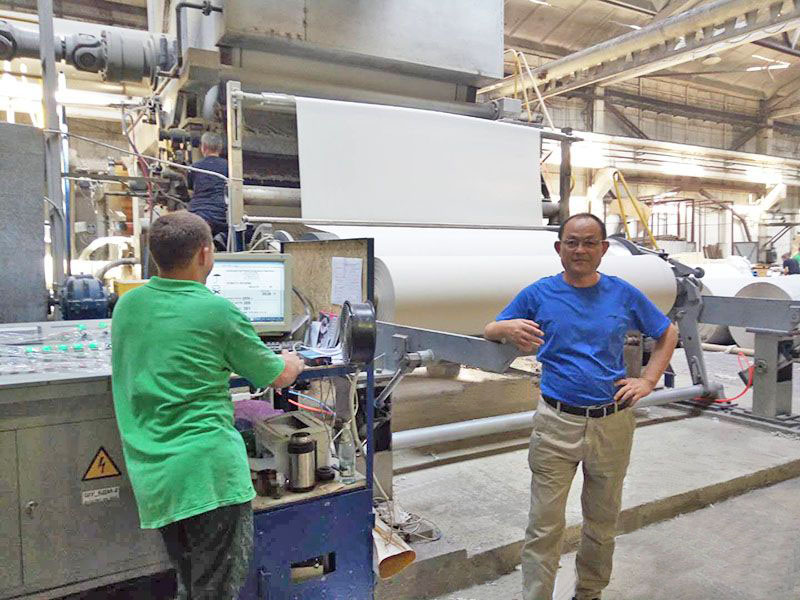
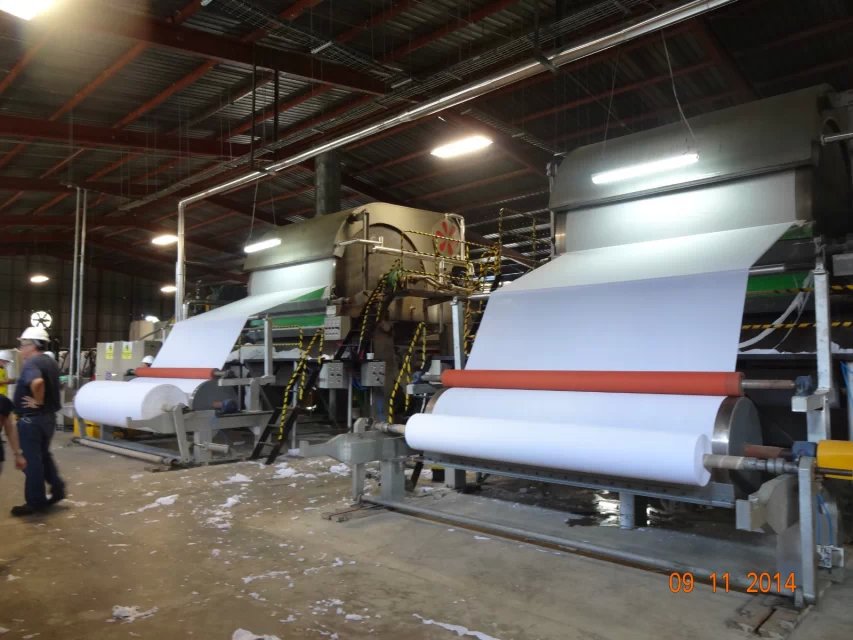


This machine supports various raw materials including wood pulp, refined straw pulp, reed pulp, and renewable deinked pulp to produce high-quality tissue paper products.
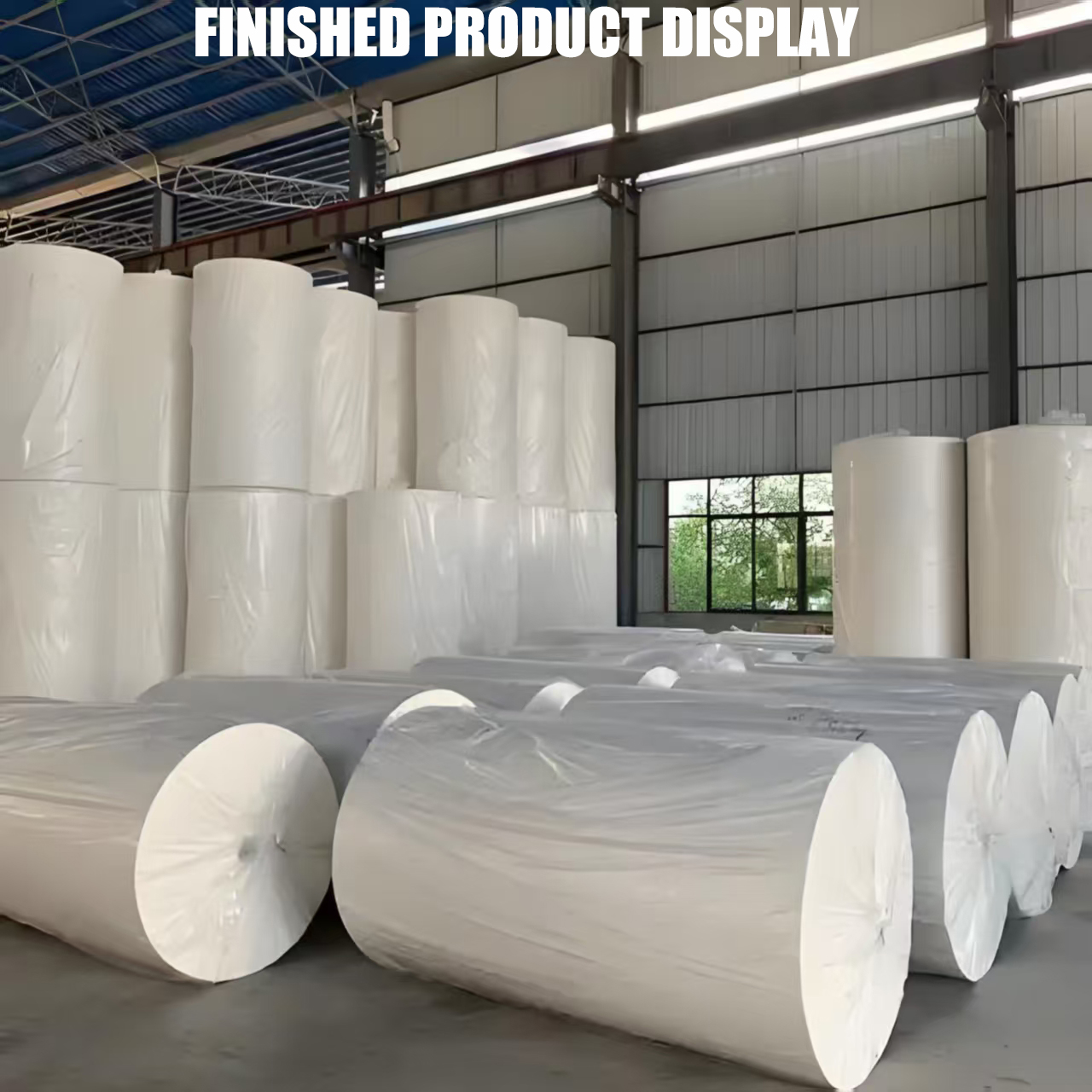
Model 1880 is designed for producing high-quality base paper for facial tissue, toilet tissue, and absorbent paper towels.
The machine processes paper with a quantitative weight range of 14-35g/m² (measured after paper curling).
Key specifications include a net paper width of 1880mm, a rail distance of 2800mm, and a dryer dimension of Φ3000×2300mm.
The complete system includes steam systems, water systems, vacuum dewatering systems, lubrication units, and heat recovery systems for optimal energy efficiency.