Featured Tissue Converting Machinery
Precision-engineered high-speed rewinders, facial tissue fold machinery, and complete production lines.
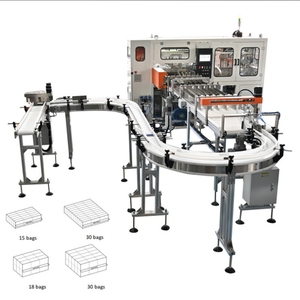
ZD-C25B Full Automatic Toilet Paper Machine Production Line
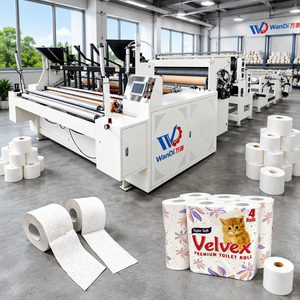
Automatic Tissue Roll Paper & Kitchen Roll Rewinder Machine
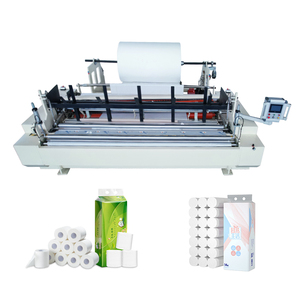
Automatic Toilet Paper Roll Embossing Rewinding Machine
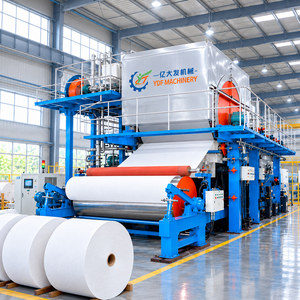
Bamboo Pulp Tissue Paper Converting Machine Project Line
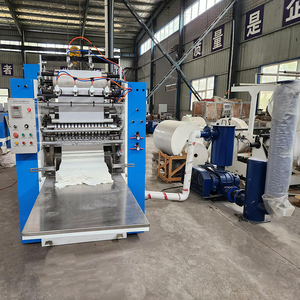
High Speed Automatic Facial Tissue Converting Machinery
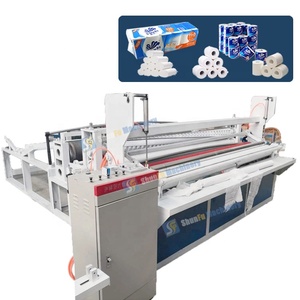
Semi Automatic Toilet Tissue Roll Rewinding & Packing Line
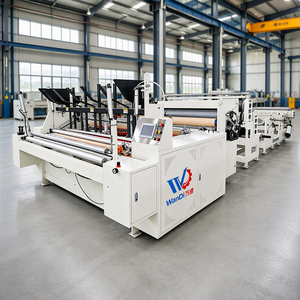
Small Roll Kitchen Embossed Toilet Paper Rewinder
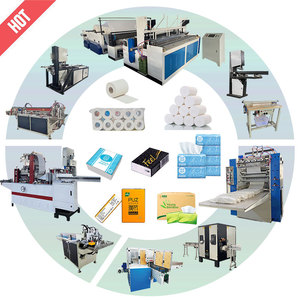
Complete Set Small Business Toilet Tissue Making Equipment
Seasia Tissue Equipment Co., Ltd.
Headquartered in Zhengzhou, Henan, China, we are an OEM-certified engineering pioneer supplying tissue converting machinery across 4 continents.
In-House Manufacturing & R&D
Unlike trading intermediaries, we design, build, and assemble every machine in our Zhengzhou workshop, ensuring precise tension management, heavy-duty frame integrity, and strict quality assurance.
CE & ISO Compliance
Our plant maintains ISO Quality Management standards alongside full CE compliance for toilet paper rewinding machines, facial tissue machines, and napkin tissue equipment.
Turnkey Engineering Layouts
We provide free floor layout design, electrical load matching, and raw material optimization tailored to your workshop size, local voltage (e.g., 220V/380V/415V/440V), and ambient conditions.
Engineering Architecture & Operation of Modern Tissue Converting Lines
A comprehensive buyer's manual on web tension dynamics, embossing mechanics, perforation ratios, and drive synchronization.
Tissue converting is the sophisticated electro-mechanical process of transforming lightweight, high-crepe parent rolls (jumbo rolls) into finished consumer products such as toilet rolls, kitchen towels, facial tissues, and folded table napkins. Operating at line speeds ranging from 180 to over 800 meters per minute, modern tissue converting lines require absolute synchronization between unwind stands, embossing units, perforation cylinders, rewinding logs, and downstream log saw cutters.
1. Key Sub-Systems of an Automatic Tissue Rewinding Line
A full-scale automatic toilet paper roll converting line consists of six integrated modules engineered to operate continuously without material tearing or log deformity:
- Pneumatic Jumbo Roll Unwind Stand: Equipped with independent flat belt driving systems and variable frequency drives (VFD) to maintain constant web tension regardless of declining parent roll diameter.
- Embossing Section (Steel-to-Rubber or Steel-to-Steel): Imprints decorative patterns that expand log bulk by 15% to 30%, enhancing absorbency and tactile softness. Options include micro-embossing, nested embossing, and point-to-point configurations.
- Helical Perforating Cylinder: High-precision spiral anvil and rotating blade assembly that creates clean, uniform tear lines without compromising web integrity at high line velocities.
- Rewinding & Core Transfer Unit: Utilizes servo-driven rewinding mandrels or surface rewinding rollers to wind paper log structures, automatically injecting paper cores and applying tail-gluing and trimming.
- Log Saw Cutting Machine: Double-orbit or single-orbit servo-controlled band saws that cut continuous tissue logs into specified roll lengths (e.g., 90mm to 110mm) with laser-guided blade sharpening.
- Automatic Primary & Secondary Packaging: Seals single or multi-roll packages in PE film, integrating flow-wrappers or bundle packing machines.
Technical Specification Comparison: 1575 vs. 1880 Machine Models
When selecting tissue converting machinery, matching the machine working width to your local jumbo roll supplier's trim width is the single most critical factor in eliminating raw material edge waste.
| Engineering Parameter | 1575 Model Converting Line | 1880 Model High-Speed Line |
|---|---|---|
| Max Parent Roll Width | 1,750 mm (Standard 1,575 mm master) | 2,150 mm (Standard 1,880 mm master) |
| Finished Log Output / Min | 2.5 – 4.5 Logs/min (approx. 180-220m/min) | 4.5 – 7.0 Logs/min (approx. 230-300m/min) |
| Daily Capacity (8-Hour Shift) | 1.5 to 2.5 Tons / Shift | 3.5 to 5.5 Tons / Shift |
| Drive Control System | Pneumatic + Variable Frequency (VFD) | Multi-Axis Full Servo Motor PLC System |
| Main Motor Rating | 5.5 kW – 7.5 kW | 7.5 kW – 15 kW |
| Perforation Pitch Range | 90 mm – 160 mm (Adjustable) | 80 mm – 220 mm (Servo Adjustable) |
| Raw Material GSM Compatibility | 13 g/m² – 30 g/m² (1 to 3-ply) | 11 g/m² – 35 g/m² (1 to 4-ply) |
2. Raw Material Adaptability: Wood Pulp, Recycled Fiber, & Bamboo Pulp
Machine performance varies significantly depending on tensile strength, fiber orientation, and moisture content of the raw material. Modern tissue converters must process three main paper substrates:
100% Virgin Wood Pulp: High tensile fiber length permits maximum speed processing with minimal dust accumulation. Ideal for high-end embossed 3-ply toilet rolls and soft-pack facial tissue.
Recycled Waste Paper Pulp: Shorter fiber length requires precise web tension regulation to prevent snapping. Seasia's converting lines incorporate chrome-plated expansion rollers and anti-static bars to maintain smooth web passage when running economical recycled paper.
Non-Wood Bamboo Pulp: Growing rapidly in market share, eco-friendly bamboo pulp features unique stiffness and high moisture absorption. Seasia machine lines utilize specially hardened tungsten carbide alloy knives and custom embossing roller tooth profiles optimized specifically for bamboo fiber tensile properties.
Global Tissue Machinery Sourcing Trends (2025–2030)
Key technological shifts shaping equipment selection for modern paper product manufacturers.
1. Full Servo Driven Automation
Traditional mechanical gear-driven conversion lines are rapidly being replaced by full-servo motor architectures. Multi-axis servo synchronization eliminates mechanical chain wear, reduces noise below 75dB, and enables push-button size changes via Siemens or Delta touch HMIs.
2. Coreless Roll & Hybrid Flexibility
Rising paper core costs and eco-conscious retail branding are accelerating demand for coreless toilet paper converting. Advanced rewinders now offer rapid switching between core-inserted logs and solid coreless rolls on the same production line.
3. Integrated Pulp Molding & Recycling
Paper converting factories are increasingly adding pulp molding egg tray machines and edge-trim repulping loops. By turning scrap tissue paper edges and local cardboard waste into protective egg cartons, factories achieve zero-waste operations and diversify revenue streams.
Frequently Asked Questions for Machinery Sourcing
Detailed answers to technical, commercial, and operational queries from global buyers.
Request Your Tailored Technical Proposal & Plant Layout
Send our senior engineering team your target product specifications, daily output goals, and workshop dimensions. We will generate a complete equipment quote and CAD factory layout within 24 hours.