Featured Tissue & Napkin Processing Machinery
Explore our industrial-grade tissue converting equipment, engineered for high efficiency, precise embossing, and long-term durability. Each production line undergoes rigorous factory testing before international dispatch.
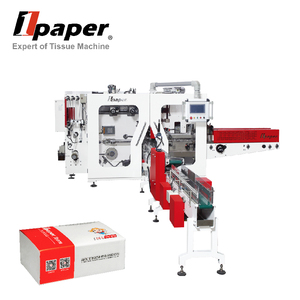
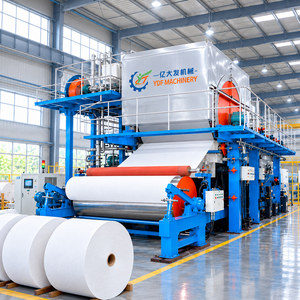
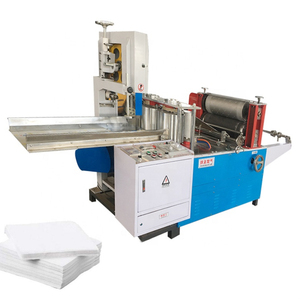
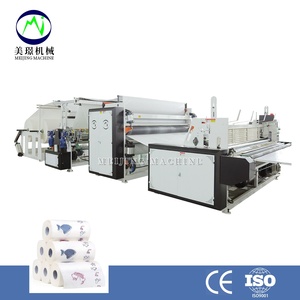
Executive Industrial Whitepaper: Embossed Napkin Manufacturing Excellence
The global commercial tissue and napkin manufacturing sector is experiencing a structural transition. Driven by surging demand in HoReCa (Hotel, Restaurant, Catering), institutional hygiene, and sustainable personal care products, procurement managers are seeking advanced machinery capable of delivering high tactile softness, structural web integrity, precise pattern definition, and minimal operational downtime.
As a leading China top embossed napkin machine manufacturer & factory, Seasia Tissue Equipment Co., Ltd. stands at the forefront of this industrial evolution. Operating from our state-of-the-art engineering center in Zhengzhou, Henan Province, we integrate precision mechanical engineering, Siemens PLC smart automation, and proprietary embossing roller engraving technology to deliver turnkey paper converting solutions across Asia, Africa, Europe, and the Americas.
Information Gain Insight: Modern napkin procurement is no longer just about operational speed. Mechanical longevity, micro-embossing depth stability, automatic tension feedback, energy efficiency per metric ton, and raw material versatility (handling virgin wood pulp, bamboo pulp, and recycled post-consumer waste) dictate a converter's net profit margin.
Engineering Architecture: Embossing, Folding, & Tension Control
The structural transformation of flat parent jumbo rolls into high-value embossed napkins relies on three core synchronized subsystems: mechanical embossing units, differential pneumatic web tension controls, and high-speed vacuum/mechanical folding assemblies.
1. Steel-to-Steel vs. Steel-to-Rubber Embossing Systems
Embossing serves a dual purpose: enhancing visual aesthetics and modifying tissue bulk, absorbency, and tactile softness. Seasia engineering offers two primary roller configurations depending on target market demands:
- Steel-to-Rubber Embossing: Ideal for standard 1-ply and 2-ply soft table napkins. The hardened forged steel roller (laser-engraved with custom floral, geometric, or corporate logo patterns) presses against a high-density, wear-resistant synthetic rubber roller. This creates soft, cushioned relief patterns without puncturing fine fiber webs.
- Steel-to-Steel (Point-to-Point / Nested) Embossing: Engineered for premium multi-ply tissue products. Male and female steel rollers are CNC-machined with sub-micron tolerance to match pattern geometries perfectly. This process locks plies together through mechanical interlocking or localized glue lamination, significantly increasing product volume and liquid absorption capacity.
2. Servo-Driven Web Tension & Edge Alignment
In high-speed converting (exceeding 200 meters per minute), minor variations in parent roll density or humidity can cause web drift, sheet tearing, or uneven folding. Seasia napkin machines incorporate closed-loop photoelectric web-guiding units coupled with magnetic powder brake tension control. This guarantees uniform tension across the web width regardless of parent roll diameter decay.
3. Multi-Fold Versatility: 1/4, 1/6, 1/8, and Custom Geometry
Our folding heads utilize balanced rotary cutter cylinders and precision vacuum-assisted mechanical folding jaws. The machine smoothly transfers paper sheets from longitudinal slitting to cross-folding without jamming, producing clean 1/4 square folds, 1/6 rectangular dispenser folds, or 1/8 cocktail folds at consistent cycle rates.
Key Technical Specifications Comparison Matrix
Compare baseline engineering parameters across key industrial tissue line tiers:
| Performance Metric | Entry-Level Start-Up Line | High-Speed Commercial Line | Full-Auto Industrial Line |
|---|---|---|---|
| Jumbo Roll Width | 1575 mm | 1880 mm | 2800 mm - 3000 mm |
| Operating Speed | 120 - 180 m/min | 180 - 240 m/min | 250 - 350 m/min |
| Control System | Delta PLC + Touchscreen | Siemens S7-1200 / Servo | Full Motion Servo + IoT Remote |
| Embossing Unit | Steel to Rubber / Wool | Steel to Steel (Laser Engraved) | Pneumatic Point-to-Point Lamination |
| Printing Capability | Optional 1-Color Flexo | Integrated 2-Color Flexo | High-Precision 4-Color Flexo |
| Raw Material Adaptability | Virgin Wood Pulp | Virgin / Bamboo Pulp | Virgin, Bamboo, Recycled Fiber |
Future Procurement & Technology Trends (2025–2030)
Strategic machinery purchasing requires anticipating market shifts. Based on global import-export data and sustainability mandates, tissue converters must align their capital expenditure with the following key industry trends:
1. Rapid Adoption of Alternative Fibers (Bamboo & Bagasse)
With environmental regulations restricting deforestation and buyers demanding eco-friendly products, raw materials like unbleached bamboo pulp, sugarcane bagasse, and agricultural straw pulp are capturing market share. Bamboo pulp fibers possess different tensile lengths and surface friction coefficients compared to softwood pulp. Modern embossed napkin machines must feature adjustable nip-pressures and modified feed rollers to process non-wood fibers without web breakage.
2. In-Line Color Flexographic Printing Integration
Branded tableware has transformed from a niche luxury to a standard requirement for fast-food chains, airlines, and hospitality brands. Future procurement shifts heavily toward converting lines equipped with modular, water-based 1-to-4 color flexographic printing blocks. In-line printing eliminates secondary processing steps, reducing labor costs and material handling contamination.
3. Direct Energy-Efficiency & Total Cost of Ownership (TCO) Optimization
Energy costs represent a major recurring expense in paper converting. Modern buyers prioritize machines fitted with IE3/IE4 premium efficiency motors, variable frequency drives (VFD), and intelligent standby modes. Replacing traditional gear-driven mechanics with direct-drive servo motors reduces power consumption by 15% to 25% while decreasing mechanical friction noise and oil lubrication requirements.
4. Smart Factory Integration & Remote Diagnostics
International buyers demand real-time visibility over production yields, OEE (Overall Equipment Effectiveness), and maintenance schedules. Seasia machinery integrates cloud-enabled PLC gateways, allowing factory managers to monitor output metrics on mobile devices or grant remote diagnostic access to our engineering team for troubleshooting without delay.
Development Trends in China's Paper Converting Equipment Sector
China has transformed from a low-cost machine supplier into a global hub for high-end paper converting technology. This transition is built on deep industrial supply chains, advanced CNC machining infrastructure, and rigorous engineering standardization.
Key developmental milestones shaping China's manufacturing leadership include:
- Precision Laser Engraving for Embossing Cylinders: Utilizing 3D fiber laser engraving machines enables ultra-precise, deep 3D embossing patterns on alloy steel rollers, providing sharp pattern clarity even at high web speeds.
- Modular Machinery Design: Modern converting lines are built on standardized structural frames. A factory can start with a basic embossing and folding unit and seamlessly attach automatic log cutters, glue laminators, or automatic film wrapping units as business volume grows.
- CE & ISO International Standard Rigor: Export-grade machinery manufacturers in China strictly adhere to European Machinery Directives (CE), electrical safety protocols (EN 60204-1), and ISO 9001 quality management systems.
Enterprise Strength: Why Choose Seasia Tissue Equipment Co., Ltd.
Selecting the right machinery partner is a long-term investment. Seasia Tissue Equipment Co., Ltd. builds durable machinery and lasting partnerships with global buyers through comprehensive technical support.
In-House R&D & Manufacturing
Unlike trading intermediaries, we manufacture our structural frames, process our rollers, and program our control systems in-house in Zhengzhou. This allows full customization of roll widths, folding configurations, and voltage compatibility (e.g., 220V/380V/415V/440V, 50Hz/60Hz).
Free Workshop Layout & Engineering Design
We provide complimentary 3D plant layout drawings and pneumatic/electrical planning before order confirmation. We design operational layouts around your available floor space to optimize material flow and operator safety.
100% Real-Paper Test Runs (FAT)
Every napkin and tissue line undergoes rigorous Factory Acceptance Testing (FAT) using real customer-supplied parent paper rolls before packing. We record and send high-definition operating videos and folded sheet samples for client approval prior to shipment.
Global Delivery & On-Site Commissioning
With verified exports across 4 continents—including installations in Poland, India, Thailand, Kenya, and Mali—our technical team provides on-site installation, machine commissioning, and operator training, supported by lifetime spare parts availability.
Frequently Asked Questions (Procurement FAQ)
Ready to Scale Your Tissue Manufacturing Business?
Consult with our senior paper machinery engineers today. Receive a custom machinery proposal, embossed sample confirmation, and a complimentary factory floor layout design tailored to your production goals.
Get a Quote