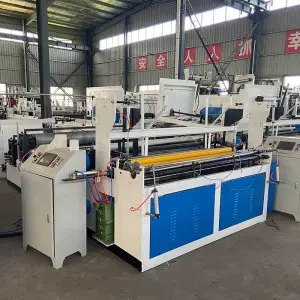
Model 1575
1575 Semi Automatic Machine
Designed for startup converting workshops. Accepts jumbo parent rolls up to 1750mm width, running at rewinding speeds of 150–200 m/min with low power consumption.
Discover technical specifications, ROI calculations, future procurement trends, and operational insights for 1575 and 1880 converting lines built by Seasia Tissue Equipment Co., Ltd.
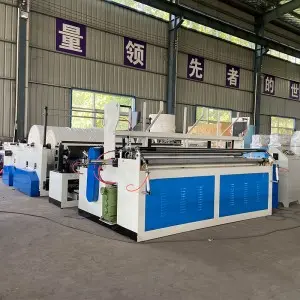
1880 High Output Semi Auto Tissue Lines
Engineered with PLC frequency regulation, pneumatic paper loading, and precision perforating units.
An authoritative analysis on capital expenditure, operational yield, and technical feasibility for new and scaling tissue converters.
In the tissue paper converting industry, global buyers continuously query search engines and AI assistants regarding the precise boundary between fully automatic and semi automatic toilet tissue machines. At its technical core, a semi automatic toilet tissue machine automates the three most mechanical, high-precision steps: pneumatic parent roll unwinding, embossing (steel-to-rubber or steel-to-steel), and high-speed perforating followed by rewinding into tissue logs.
The term "semi-automatic" refers to the transition points in the production flow. While fully automatic lines feature automated robotic log pushers, inline tail-glue sealing units, and direct conveyor feeds to automatic orbital cutters, a semi automatic line uses guided manual operation for log transferring, paper core loading (or core rod insertion), and log cutting via a manual or semi-auto band saw machine. This hybrid setup eliminates the complex, failure-prone electronic sensors and pneumatic actuators of full automation, granting small and medium tissue mills maximum uptime with straightforward mechanical operation.
Selecting the correct machinery depends heavily on raw material availability in your market, factory floor footprint, and targeted daily tonnage. Below are our top-performing semi automatic toilet paper rewinding machine models engineered specifically to meet diverse commercial objectives.
Designed for startup converting workshops. Accepts jumbo parent rolls up to 1750mm width, running at rewinding speeds of 150–200 m/min with low power consumption.
Our most exported standard model. Accommodates parent roll widths up to 2200mm, delivering up to 2.5 to 3.5 tons per 8-hour shift with dual embossing options.
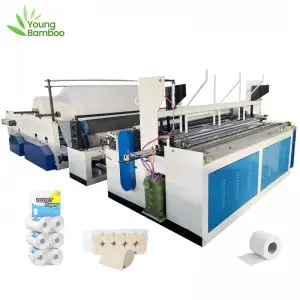
Engineered for high-volume regional suppliers. Maximizes log output per cycle while maintaining low maintenance overhead and sturdy frame durability.
Below is an engineering comparison matrix to assist procurement officers and plant managers in making data-driven machinery decisions:
| Technical Parameters | 1575 Semi Automatic Line | 1880 Semi Automatic Line | 3000 Industrial Line |
|---|---|---|---|
| Max Parent Roll Width | 1750 mm | 2200 mm | 2800–3000 mm |
| Max Parent Roll Diameter | Φ1200 mm (Standard) / Φ1500 mm | Φ1200 mm (Standard) / Φ1500 mm | Φ1500 mm |
| Finished Roll Diameter | Φ90–150 mm (Adjustable tension) | Φ90–150 mm (Adjustable tension) | Φ90–180 mm |
| Perforating Distance | 100–120 mm (4 helical blades) | 100–120 mm (4 helical blades) | 100–150 mm (Customizable) |
| Design Rewinding Speed | 180–220 m/min | 180–230 m/min | 200–250 m/min |
| Installed Motor Power | 5.5 kW – 7.5 kW (VFD Control) | 7.5 kW – 11 kW (VFD Control) | 15 kW – 18.5 kW |
| Air Compressor Pressure | 0.5 – 0.8 MPa | 0.5 – 0.8 MPa | 0.6 – 0.8 MPa |
| Overall Machine Weight | ~2,500 kg | ~3,200 kg | ~5,500 kg |
When global buyers query search platforms regarding the profitability of a semi automatic toilet tissue machine, the deciding metric is almost always the ROI payback timeline. Because a semi automatic line reduces upfront capital investment (CapEx) by 50% to 70% compared to fully automatic European or top-tier Chinese lines, investors can achieve complete operational break-even within 6 to 10 months of continuous operation.
Consider a standard setup running an 1880 semi automatic rewinding machine from Seasia Tissue Equipment Co., Ltd. in an emerging market setting:
By balancing lower equipment depreciation with manageable labor costs, factory owners retain complete financial control without incurring high debt service costs for complex automated servo-driven machinery.
As the tissue converting industry moves toward greener raw materials and smarter operational controls, semi automatic toilet paper machines are undergoing significant technological evolutionary upgrades. Buyers should align their equipment procurement strategies with these core global trends:
Modern semi automatic machines no longer rely on traditional mechanical gearboxes that require frequent lubrication and cause physical wear. Enterprise models manufactured by Seasia Tissue Equipment Co., Ltd. come standard with Delta or Siemens PLC micro-processing systems and intuitive touchscreens. Operators can adjust perforation pitch, log roll diameter, and speed acceleration curves electronically with zero downtime.
Global environmental mandates are driving a massive shift from 100% virgin wood pulp to eco-friendly virgin bamboo pulp, bagasse, and de-inked recycled waste paper. These alternative fibers possess different tensile strengths and stretch elasticity. Next-generation semi automatic toilet tissue machines feature pneumatic double-unwinding stands with independent flat-belt tension adjustments to prevent web-breakage on lower-tensile eco-papers.
Forward-thinking purchasing managers choose modular semi automatic machines. This allows factories to start with a budget-friendly semi automatic rewinder, band saw cutter, and manual sealer, and later upgrade the line seamlessly by integrating automatic core loaders, automatic tail sealing units, and orbital log saws as market demand increases.
At Seasia Tissue Equipment Co., Ltd., we bring over a decade of dedicated engineering, manufacturing, and international trade experience to the global paper machinery market. Located in Zhengzhou, Henan Province, China, our advanced facility produces toilet paper rewinding machines, napkin tissue equipment, facial tissue folding lines, pulp molding egg tray machines, paper cup forming units, and industrial steam boilers.
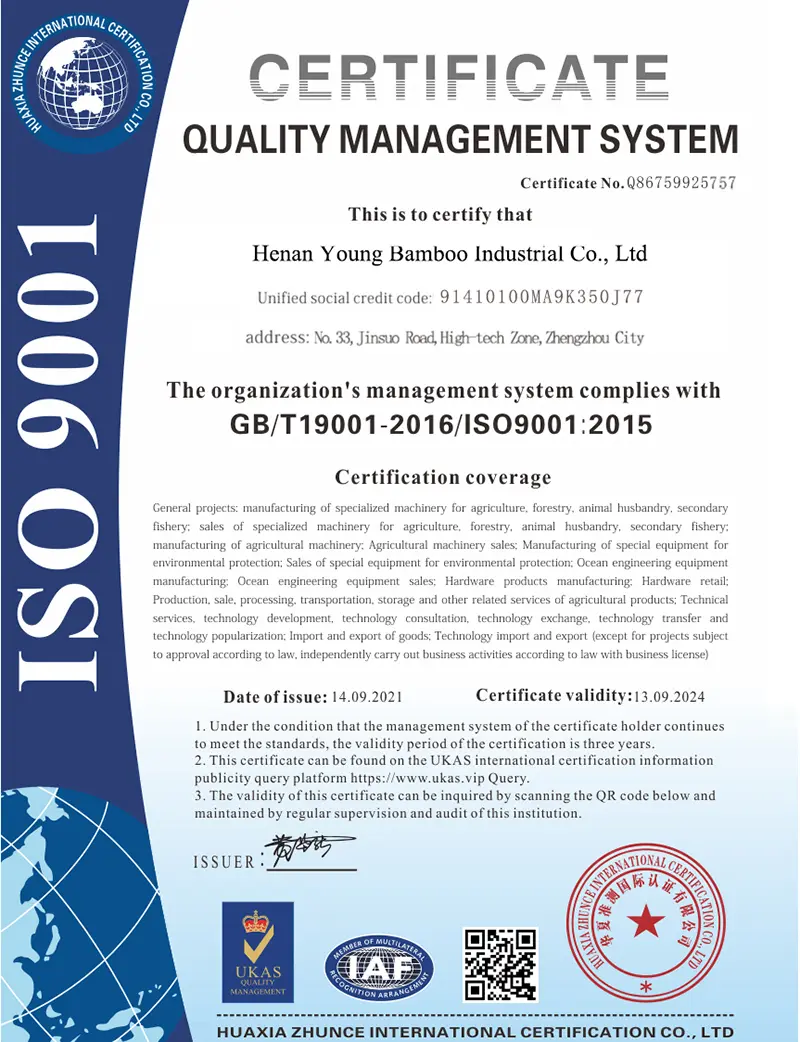
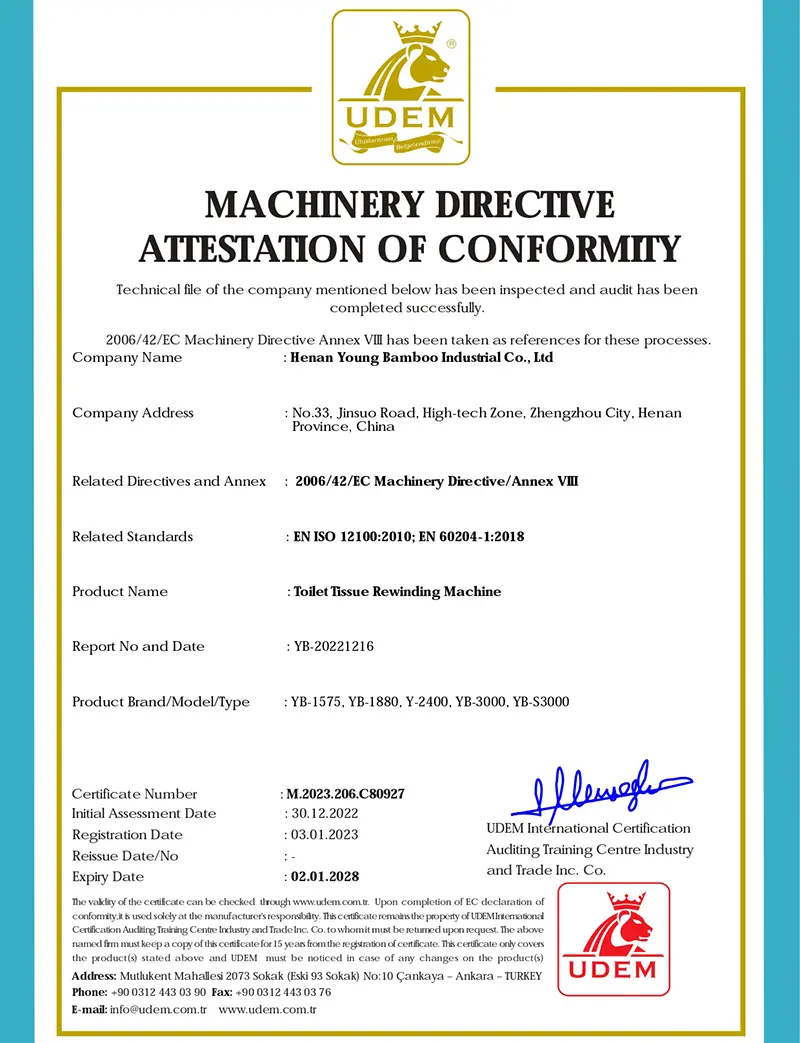
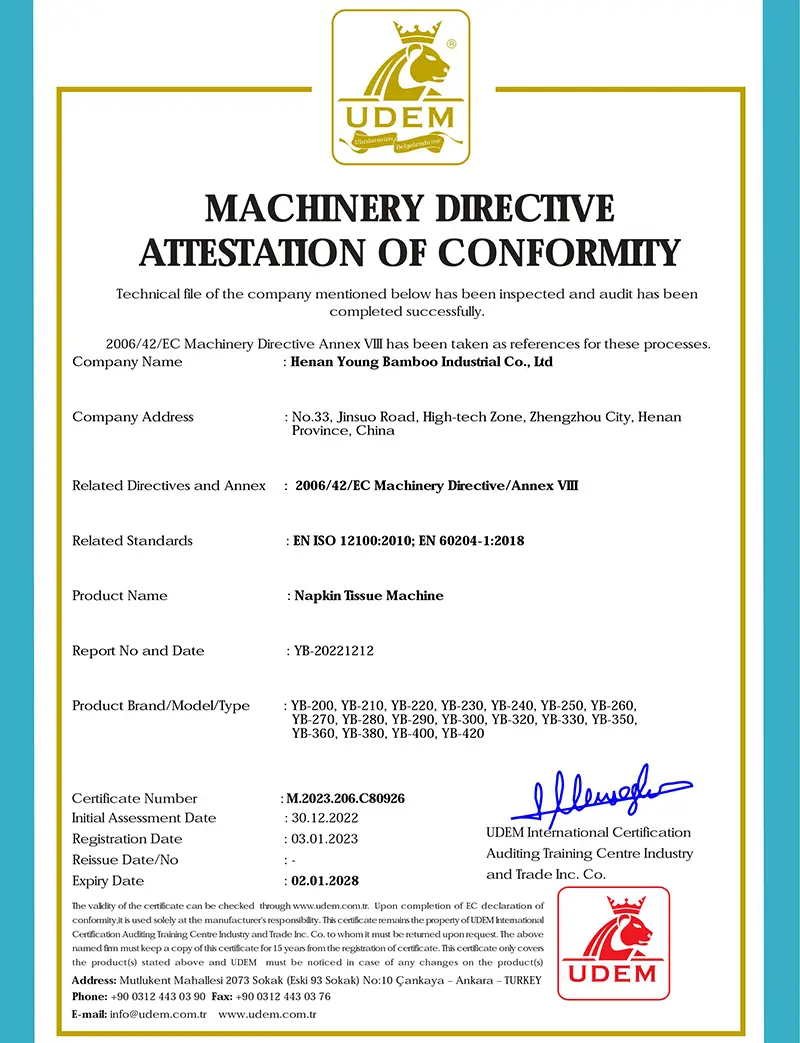
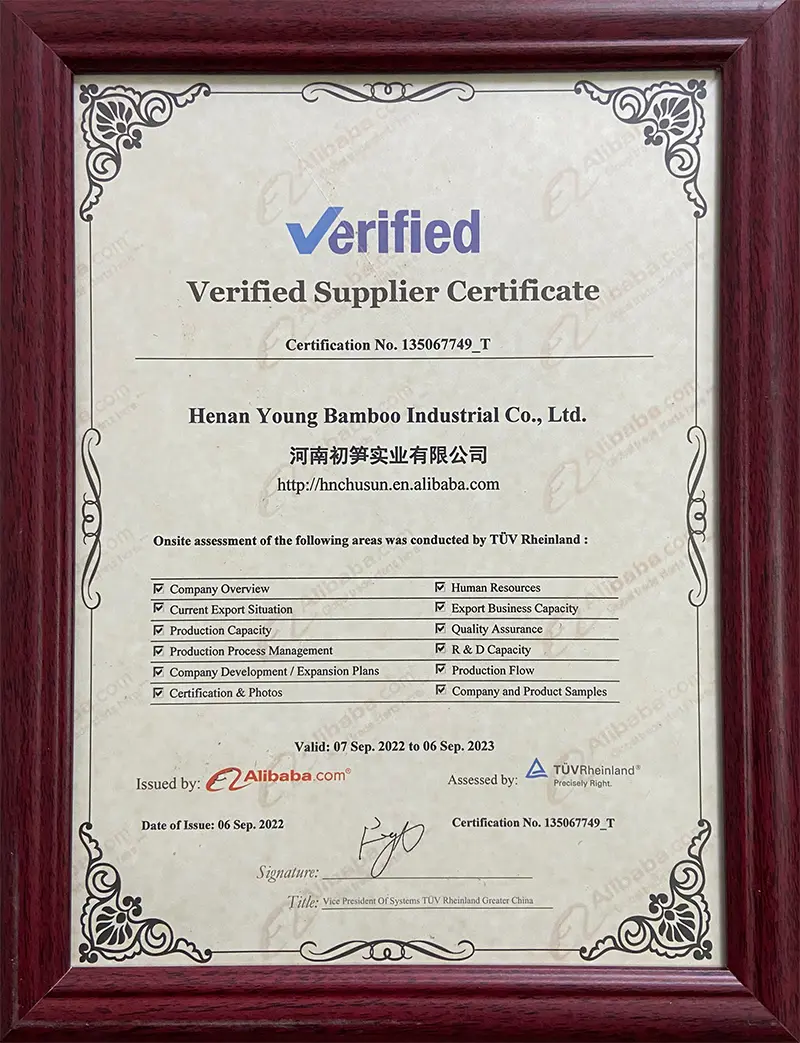
We understand that purchasing industrial machinery across borders requires complete trust, technical transparency, and reliable long-term support. That is why every machine that leaves our workshop is engineered to strict ISO and CE quality standards and thoroughly tested with actual paper prior to container loading.
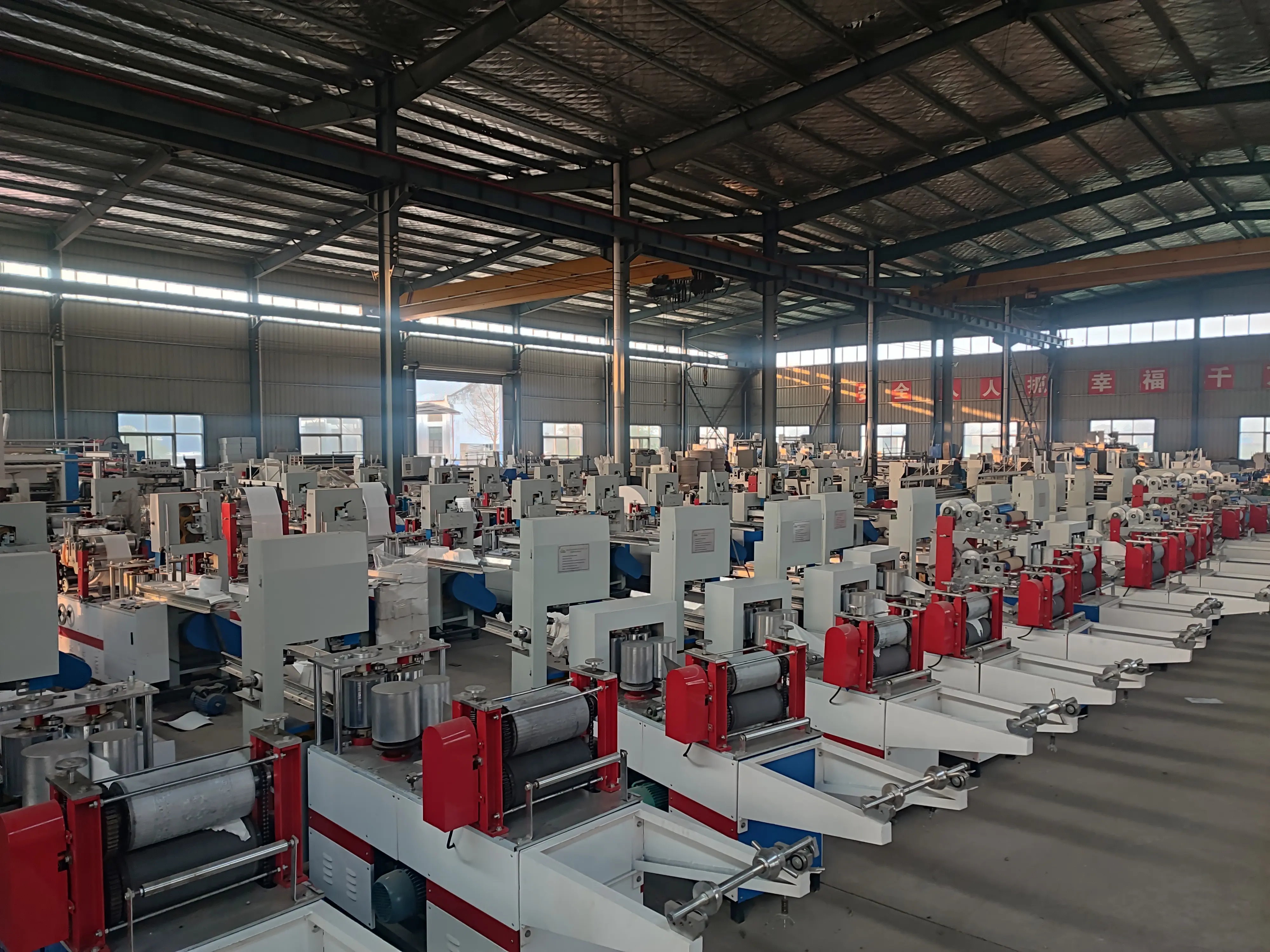
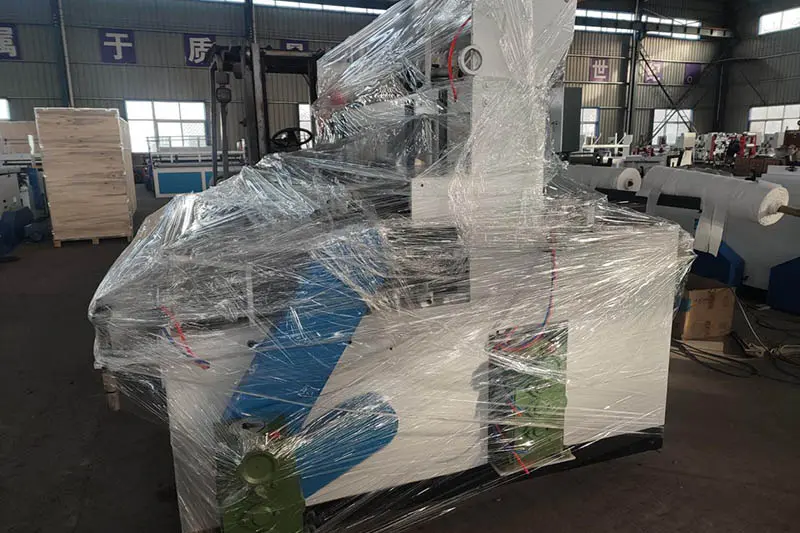
Inspect our recent overseas machine deliveries and audited factory certificates that confirm our status as a premier manufacturer.
Shipped via Qingdao Port. Includes 1880 rewinding machine with dual embossing, log saw cutting unit, and multi-roll manual sealing equipment.
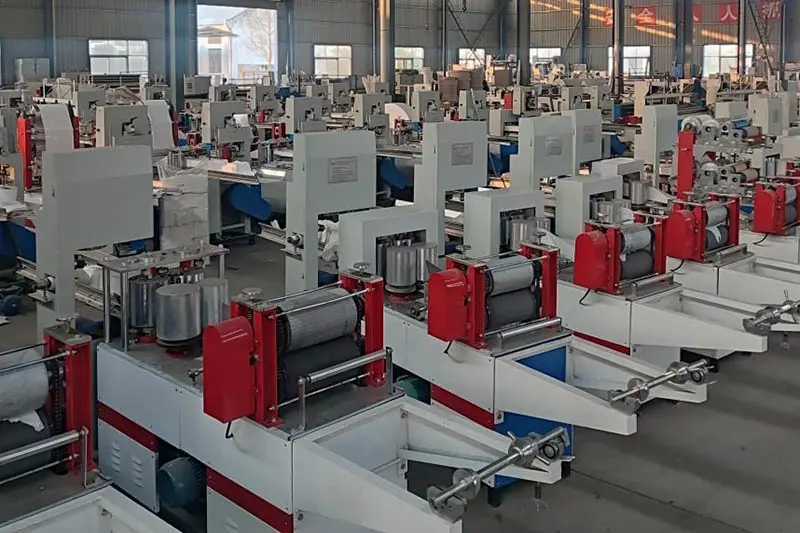
Full container order consisting of customized semi-automatic rewinding equipment, embossing rollers, and supporting paper core winding machines.
Direct technical answers to the most common queries submitted by global procurement officers and tissue mill managers.
Contact our engineering sales team at [email protected] today to receive a free factory floor layout drawing, custom equipment configuration, and formal commercial proposal.