
Executive Industry Overview: Paper Converting Dynamics in Ulaanbaatar & Mongolia
The tissue paper converting and packaging industry in Ulaanbaatar is currently undergoing a pivotal transformation. Driven by rapid urban population growth, expansion in the local hospitality (HoReCa) sector across the Sükhbaatar and Khan-Uul districts, and a strong national economic push toward import substitution, Mongolian entrepreneurs are establishing domestic tissue manufacturing operations. Historically, a significant portion of sanitary paper goods—including double-ply toilet tissue, embossed table napkins, and soft-pack facial tissues—were imported directly from Russia or China. However, rising cross-border logistics tariffs and currency volatility have shifted the market balance in favor of local production within Ulaanbaatar's industrial zones.
Establishing an efficient paper tissue mill or converting workshop in Ulaanbaatar requires more than basic rewinding or folding equipment. Mongolia’s extreme climatic conditions—characterized by harsh sub-zero winter temperatures dipping below -30°C to -40°C and ultra-low ambient humidity—present unique mechanical and thermodynamic challenges to paper processing. Tissue paper processed under low humidity conditions becomes prone to static build-up, brittleness, and sheet tearing during high-speed converting. Moreover, consumer preferences in Ulaanbaatar lean heavily toward high-density, multi-ply, deeply embossed tissue products that offer tactile warmth, rapid liquid absorption, and high structural integrity.
Information Gain Key Finding: Why Embossing Depth Matters for Ulaanbaatar
In cold, dry environments like Ulaanbaatar, deep micro-embossing and nested steel-to-rubber pattern pressing increase the air-pocket trapping volume between tissue plies by up to 35%. This dramatic increase in bulking height gives 13.5gsm to 18gsm tissue paper a premium 2-ply or 3-ply feel while using up to 12% less raw pulp mass, delivering substantial cost savings for factory owners without sacrificing softness or absorption.
Engineering the Ideal Tissue Embossing Roller: Steel-to-Steel vs. Steel-to-Rubber
At the mechanical core of every high-performance tissue machine built by Seasia Tissue Equipment Co., Ltd. lies the embossing system. The embossing process is not merely decorative; it serves fundamental engineering functions: mechanically bonding multiple paper webs without excessive glue, enhancing tactile softness (bulkiness), and improving water absorbency through capillary action created by localized pattern impressions.
Steel-to-Rubber Embossing
Features a laser-engraved, hardened steel roller pairing against a high-density 85-92 Shore A hardness rubber roller. Ideal for V-fold facial tissue and soft table napkins where high tactile cushion and uniform sheet tension are mandatory. Offers lower operational noise and extended machine longevity under continuous 24-hour operation.
Steel-to-Steel Embossing
Utilizes dual synchronized steel cylinders engraved with male and female mating patterns. Essential for commercial kitchen towels and high-density toilet rolls where sharp, crisp pattern definition, high ply-bonding strength, and maximum sheet thickness are needed to process heavier recycled or virgin parent rolls.
Desynchronized Micro-Embossing
Integrates micro-dot background patterns combined with macro-border logos. This hybrid configuration increases inter-ply friction, completely eliminating paper delamination during auto-cutting, slitting, or manual dispensing in harsh cold weather conditions.
Sub-Zero Technical Adaptations for Mongolian Industrial Workshops
When exporting machinery from our manufacturing base in Zhengzhou, Henan to Ulaanbaatar, our engineering team implements localized cold-weather modifications to guarantee seamless start-up and uninterrupted continuous production:
- Low-Viscosity Synthetic Lubrication & Cold-Resistant Seals: Standard hydraulic fluids and gear lubricants can thicken in unheated winter warehouses, causing gear friction and drive belt slippage. Seasia machines destined for Ulaanbaatar are outfitted with synthetic low-pour-point gear oils and fluorine-rubber seals rated down to -40°C.
- Pneumatic Tension & Air Dew-Point Management: Compressed air lines in cold climates often accumulate condensation, leading to cylinder freezing. Our units include dual-stage air-water separators, heated pneumatic regulators, and auto-drain valves to maintain stable nip pressure across embossing cylinders.
- 380V/50Hz Industrial Power Stabilization: Electrical components including Siemens or Delta PLCs, frequency inverters, and premium motor drives are calibrated for Ulaanbaatar's 380V 3-phase industrial power supply, featuring surge protection units to withstand localized grid fluctuations.
- Anti-Static Deionizing Bars: To combat dry winter static charge during high-speed web feeding (up to 100 m/min), integrated active anti-static bars neutralize static charges on parent rolls, preventing web jam, multi-sheet feeding, or uneven V-fold edge misalignment.
Technical Specifications & Equipment Matrix
To assist factory purchasing managers, plant engineers, and investors in Ulaanbaatar in making informed procurement decisions, the following matrix outlines the core performance parameters of our primary converting and embossing equipment lines:
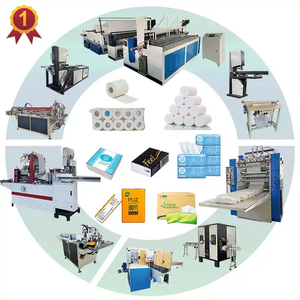
| Equipment Category | Jumbo Roll Width | Embossing Type | Production Capacity | Drive System | Primary Ulaanbaatar Market Application |
|---|---|---|---|---|---|
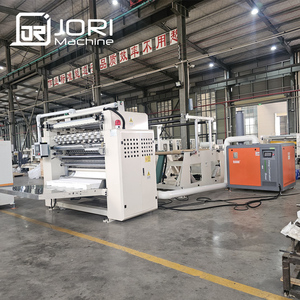
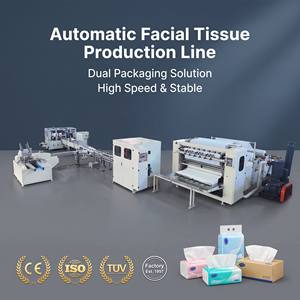
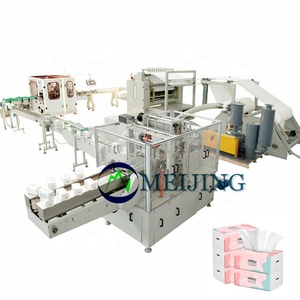
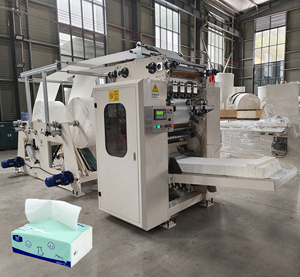
| Automatic V-Fold Facial Tissue Line | 420 - 1880 mm | Steel-to-Rubber / Steel-to-Steel | 60 - 100 m/min (per line) | Inverter + Motor Dual Drive | Box & Soft-pack facial tissues for retail and hotel chains |
| 1575/1880 Toilet Paper Rewinder | 1750 - 2150 mm | Point-to-Point / Micro-embossing | 180 - 230 m/min log speed | PLC Programmable Control | Household toilet rolls & commercial jumbos for institutions |
| 1/4 & 1/6 Fold Table Napkin Machine | 230 - 400 mm | Full Steel-to-Border Embossing | 600 - 1000 sheets/min | Pneumatic Nip Control | Restaurants, cafes, HoReCa in Sükhbaatar & Khan-Uul |
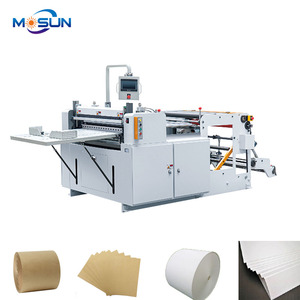
| High-Speed Tissue Slitter Rewinder | 1000 - 2200 mm | Smooth / Light Calendering | 200 - 350 m/min | Magnetic Powder Tension | Parent roll slitting for local converting workshops |
Localized Application Scenarios in Ulaanbaatar
Scenario 1: Supply Chain Solutions for Premium Hospitality in Sükhbaatar & Khan-Uul
Ulaanbaatar’s luxury commercial sector—encompassing high-end hotels (such as Shangri-La, The Blue Sky), upscale international dining establishments, and corporate office towers—demands ultra-soft, lint-free, elegant table napkins and facial tissue. Equipment fitted with custom-engraved steel-to-rubber embossing units enables factory operators to produce embossed sheets bearing localized floral motifs, corporate logos, or clean border prints. The high-capacity V-fold facial tissue folding line delivers precise, interfolded single-sheet extraction that fits standard commercial dispensers without tearing.
Scenario 2: Heavy-Duty Industrial Tissue for Mining Operations & Regional Transit Camps
Mongolia’s vast mining sector (including operations in South Gobi and corporate administrative hubs in Ulaanbaatar) requires heavy-duty, high-absorbency toilet tissue and industrial hand towels. Workers operating in remote camps rely on tissue that absorbs grease, moisture, and dirt quickly. Our 1880 automatic rewinding machines utilize deep point-to-point embossing that creates elevated, high-absorbency pockets. By pairing this embossing technology with 100% recycled or mixed wood pulp parent rolls, local manufacturers can supply durable industrial tissue rolls at highly competitive wholesale rates.
Scenario 3: Urban Supermarket Retail & Private-Label OEM Soft-Packs
Major supermarket franchises across Ulaanbaatar (such as Nomin, eMart, and Sansar) are increasing their private-label sanitary product lines. To meet retail shelf requirements, soft-pack facial tissues must exhibit attractive micro-embossed patterns, perfectly square-cut side profiles, and tight protective plastic wrapping. Utilizing our high-speed facial tissue dual packaging line allows local plants to automatically fold, emboss, slit, and heat-seal tissue bundles at rates up to 100 packs per minute, minimizing manual labor costs while maximizing packaging visual appeal.
Factory Strengths: Why Partnering with Seasia Tissue Equipment Co., Ltd. Drives Competitive Advantage
Selecting the right machinery manufacturer is critical to long-term profitability. Located in the High-tech Zone of Zhengzhou, Henan, Seasia Tissue Equipment Co., Ltd. offers significant structural, technical, and logistical advantages for Mongolian buyers:
- Direct Cross-Border Logistics via Erlian / Zamyn-Uud: Rail and highway transport from our Henan production facility directly to the Zamyn-Uud border point and onward to Ulaanbaatar takes just 7 to 12 days. This close geographic proximity lowers freight overhead compared to European or sea-shipped machinery.
- 100% Pre-Shipment Factory Testing with Real Paper: Every machine undergoes rigorous multi-hour test runs using raw parent roll stock specified by the customer before leaving our floor. Video footage and technical operational metrics are provided for approval prior to container loading.
- CE & ISO 9001 Certification with TÜV Audited Quality: Our manufacturing processes adhere to international engineering safety standards, utilizing heavy-duty cast-iron wall frames (20mm-30mm thickness) to minimize high-speed vibration and maintain tight precision tolerances over years of continuous operation.
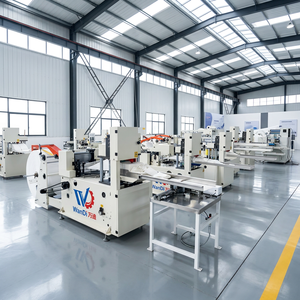
- Turnkey Workshop Engineering & Free Layout Design: Our engineering department provides comprehensive CAD factory floor layouts, electrical wiring diagrams, and compressed air piping plans tailored to your specific building footprint in Ulaanbaatar, ensuring hassle-free installation and optimal workflow.
- On-Site Commissioning & Technical Operator Training: Experienced bilingual installation engineers are dispatched directly to Ulaanbaatar to supervise equipment placement, perform fine-tuning, and train local Mongolian operators in machine safety, PLC operation, embossing roller maintenance, and daily maintenance protocols.
Local Market Trends: Strategic Guidance for Investors in Ulaanbaatar
Investing in tissue converting equipment in Ulaanbaatar presents a lucrative opportunity due to several favorable macroeconomic factors:
- Government Incentive Programs for Manufacturing: The Mongolian government actively supports domestic light industry development through reduced land-use taxes in industrial zones and favorable loan structures for equipment importation aimed at reducing reliance on foreign consumer goods.
- Shift Toward Recycled Raw Materials: Waste paper recycling initiatives in Ulaanbaatar are expanding. Modern tissue embossing machinery easily converts 100% recycled or de-inked pulp jumbo rolls into comfortable, commercial-grade toilet tissue and hand towels, giving manufacturers access to lower raw material costs.
- E-Commerce & Convenience Store Retailing Expansion: The proliferation of 24-hour convenience stores and mobile shopping apps in Ulaanbaatar has spurred demand for smaller, travel-sized, high-density tissue soft-packs and pocket napkins. Flexible machines that allow quick roll adjustments or folding setting swaps provide a major advantage in responding to rapid consumer trends.