Featured Tissue & Packaging Converting Machinery
Engineered for maximum reliability, speed, and continuous production efficiency in Gwangju's modern industrial zones.
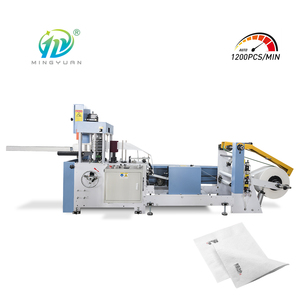
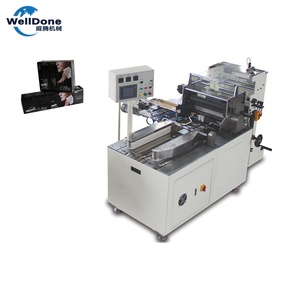
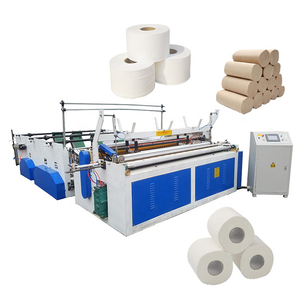
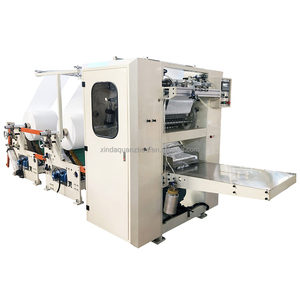
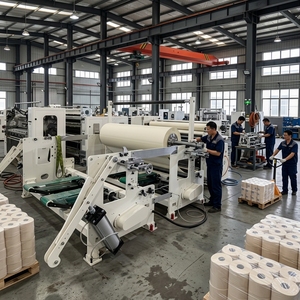
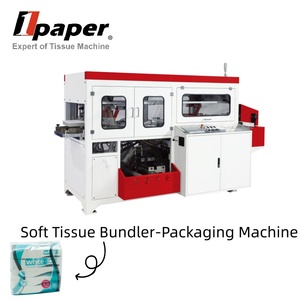
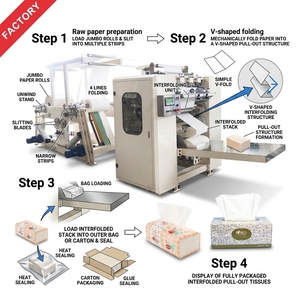
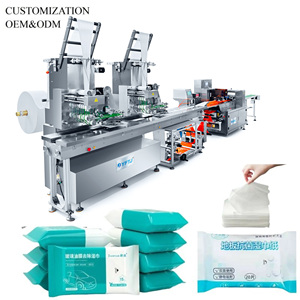
The Gwangju Paper Converting Landscape: Driving Next-Generation Napkin Production
Gwangju has established itself as a premier hub for modern advanced manufacturing, green technology, and high-precision machinery deployment in South Korea. Within the fast-moving consumer goods (FMCG) and food service sectors, the demand for customized, branded, and eco-friendly paper napkins has surged dramatically across the Honam region and nationwide. As restaurants, luxury hotel chains, franchise cafes, and commercial catering suppliers seek to elevate brand identity while complying with strict South Korean environmental regulations, local paper converters require state-of-the-art machinery capable of delivering high-definition printing, complex folding patterns, and immaculate edge embossing.
Investing in a high-efficiency printed napkin machine in Gwangju allows tissue manufacturers to cut supply-chain overheads, bypass volatile third-party converting costs, and respond dynamically to short-run customized orders. Modern tissue converting is no longer merely about mechanical folding; it requires integrated servo-driven synchronization, intelligent flexographic printing blocks, tension-controlled unwinding stands, and automated packing interfaces. Seasia Tissue Equipment Co., Ltd. supplies industrial-grade printed napkin machines and complete paper converting lines engineered specifically to meet the high voltage, space optimization, and operational efficiency standards demanded by Korean manufacturers.
Engineering Standards of Seasia Printed Napkin Machinery
Building a high-output printed napkin production facility demands precision mechanical engineering and robust electrical systems. Seasia Tissue Machinery integrates world-class components, including Schneider and Mitsubishi PLC controllers, Siemens motors, and precision-ground steel-to-rubber or steel-to-steel embossing cylinders.
1-4 Color Flexographic Printing
Utilizes high-precision ceramic anilox rollers and rubber plate cylinders. Features independent doctor blade systems for instant ink drying and micro-registration adjustments without stopping the line.
Dual Embossing Units
Engineered for deep crisp wall-to-wall or border embossing patterns. Steel to rubber or steel to wool paper rollers ensure smooth paper texture retention even under continuous 2,000 sheet/min speeds.
Versatile Folding Mechanisms
Capable of producing 1/4 fold (standard square), 1/6 fold, 1/8 fold, and custom rectangular shapes with vacuum-assisted counting and sorting channels for seamless automatic packaging alignment.
| Specification Parameter | 1/4 Fold Napkin Machine | 1/6 & 1/8 Custom Fold Machine | High-Speed Multi-Line Unit |
|---|---|---|---|
| Unfolded Paper Size | 230mm x 230mm to 400mm x 400mm | 270mm x 270mm to 430mm x 430mm | 200mm x 200mm to 300mm x 300mm |
| Production Speed | 1,200 - 1,800 sheets/min | 1,000 - 1,500 sheets/min | 2,200 - 3,000 sheets/min |
| Raw Material GSM | 13 - 28 g/m² (1-ply or 2-ply) | 14 - 30 g/m² (1, 2, or 3-ply) | 13 - 22 g/m² (1-ply or 2-ply) |
| Printing Capability | 1 - 2 Colors Flexo (Water-based) | 1 - 4 Colors Flexo (Precision) | 1 - 2 Colors High Speed Flexo |
| Power Grid Standard | 380V/220V 60Hz (Custom for Korea) | 380V/220V 60Hz (Custom for Korea) | 380V/220V 60Hz (Custom for Korea) |
Localized Application Scenarios in Gwangju & Surrounding Industrial Regions
Deploying specialized tissue machinery requires an understanding of localized business ecosystems. In Gwangju and the broader Jeollanam-do industrial corridor, tissue converters cater to diverse business segments:
Scenario A: High-End HoReCa Customized Logo Supply
South Korea’s food service market demands brand differentiation. Contract converters in Gwangju use our 2-color flexographic printed napkin lines to produce custom-printed dinner napkins for regional franchise restaurants and boutique cafes. High-speed plate exchange mechanisms allow operators to switch client logo plates in under 15 minutes, making short-run custom printing economically viable.
Scenario B: Eco-Friendly Bamboo & Recycled Fiber Converting
Aligned with South Korea’s ESG directives and plastic reduction initiatives, Gwangju tissue manufacturers are increasingly processing 100% unbleached bamboo pulp and eco-recycled fiber parent rolls. Seasia machines feature modified pneumatic tension systems and delicate web-guiding sensors that prevent tearage on low-tensile eco-paper, delivering pristine embossed finish without damaging delicate fibers.
Scenario C: Integrated Commercial Tissue Facilities
Larger paper mills and regional packaging hubs in Gwangju combine printed napkin lines alongside automatic toilet paper rewinding machinery, facial tissue V-fold machines, and wet wipe converting lines. This integrated approach maximizes raw material utilization, shares centralized steam and power utilities, and offers a complete hygiene paper portfolio to corporate clients.
Why Global Converters Choose Seasia Tissue Machinery
Seasia Tissue Equipment Co., Ltd. brings over a decade of dedicated manufacturing authority in paper converting machinery, pulp molding systems, and tissue processing lines. Operating from our state-of-the-art production base in Zhengzhou, Henan, China, we combine factory-direct pricing with rigorous European quality assurance (CE, ISO9001, TÜV Rheinland verification).
- Factory Test Run Protocol: Every napkin machine undergoes a continuous 48-hour operational trial run with customer-supplied paper rolls before export. Clients receive live video evidence and complete speed performance logs.
- Tailored Voltage & Frequency: Machines manufactured for Gwangju and South Korea are wired directly for 380V/220V 60Hz electrical standards, utilizing local industrial plug configurations and certified electrical enclosures.
- Free Factory Floor Layout Design: Our engineering team provides detailed 2D and 3D CAD workshop layouts, optimizing workflow from parent roll storage to converting, packing, and palletizing.
- On-Site & Video Installation Support: We offer comprehensive commissioning guidance, routine spare parts kits, and overseas technician dispatch for direct factory installation and operator training.
Frequently Asked Questions by Gwangju Business Buyers
Q: What electrical modifications are required for importing napkin machinery into South Korea?
Our factory configures all motor drives, PLCs, heaters, and main electrical panels to South Korea's standard 380V 3-phase or 220V single-phase at 60Hz. We utilize CE and KC-compliant electrical components to streamline local factory inspection and power grid connection in Gwangju industrial zones.
Q: How does the flexographic color printing system handle logo detail on porous tissue?
Our machines utilize high-line-screen ceramic anilox rollers coupled with quick-drying flexo inks. This prevents ink bleeding into raw paper fibers, ensuring crisp edges on complex brand logos, Korean typography, and fine design borders even on 13gsm single-ply or multi-ply parent rolls.
Q: What is the lead time for machine delivery to Gwangju or Busan Port?
Standard 1/4 fold printed napkin machines are manufactured and fully tested within 20 to 30 working days. Ocean freight shipping from Qingdao or Shanghai port to Busan/Incheon port typically takes only 2 to 4 days, ensuring exceptionally rapid deployment for South Korean buyers.
Q: Can one machine produce multiple fold sizes or napkins with different embossing patterns?
While fold geometry (e.g., 1/4 fold vs 1/6 fold) is governed by the mechanical folding head, we offer modular machines with interchangeable folding units or dual-line options. Embossing cylinders feature quick-change sleeve couplings, allowing operators to switch embossing designs for different clients efficiently.
Ready to Upgrade Your Tissue Converting Plant in Gwangju?
Contact our senior technical team today to receive a comprehensive machine proposal, customized CAD floor plan, and factory-direct price quotation.
Send an Inquiry