Factory-Direct Tissue Converting & Folding Machinery
High-efficiency, heavy-duty tissue paper machines designed for extreme durability, operational self-reliance, and seamless integration into industrial converting facilities.
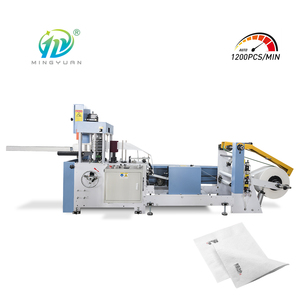
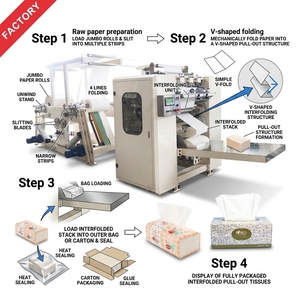
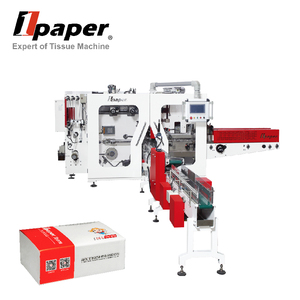
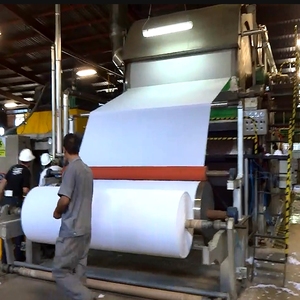
Technical Whitepaper: Paper Folding Machine Factories & Cross-Border Supply Ecosystems Serving North Korea
In the evolving landscape of East Asian light industry and regional manufacturing, paper converting machinery—specifically paper folding machines, napkin tissue equipment, and toilet paper rewinding plants—plays a pivotal role in national hygiene security and local economic self-reliance. As specialized paper machinery original equipment manufacturers (OEMs), our production facilities in Zhejiang Wenzhou and Henan Zhengzhou deliver purpose-built industrial machinery designed to meet the rigorous operational requirements of paper converting plants serving North Korea (Democratic People's Republic of Korea) and adjacent cross-border economic hubs such as Dandong, Sinuiju, Rason Special Economic Zone, and Nampho.
Deploying tissue processing equipment in regions with unique infrastructure profiles requires more than off-the-shelf automation. It demands deep engineering expertise in electrical tolerance resilience, mechanical longevity, physical raw material flexibility, and simplified maintenance protocols. This whitepaper analyzes the technical architecture, localized deployment dynamics, and operational requirements necessary for establishing efficient paper converting and folding factories serving the North Korean market.
1. Mechanical Engineering & Structural Resilience for Regional Grids
Industrial operations in North Korean light industry facilities demand machinery engineered for maximum mechanical durability. Unlike factories operating in environments with hyper-stable power grids, regional installations require machinery that withstands power fluctuations without compromising PLC program integrity or destroying sensitive drive systems.
- Heavy-Duty Cast Iron & Fabricated Steel Frames: Our folding machines utilize high-tensile 1800kg+ solid steel side plates and vibration-damped structural bases. This minimizes harmonic resonance during high-speed V-fold or N-fold paper converting, preserving knife alignment and mechanical timing.
- Electrical & Grid Adaptation (380V / 50Hz 3-Phase): Equipped with reinforced isolation transformers, surge suppression modules, and heavy-duty Siemens or Schneider frequency converters, our equipment maintains steady mechanical torque even during transient voltage drops.
- Hybrid Operational Modes (PLC Automation & Manual Controls): While our high-speed units feature advanced touch-screen PLC automation, critical drive components retain mechanical hand-wheel overrides and robust relay switches, ensuring that production can proceed even under reduced technical support conditions.
Localized Application Scenarios in North Korea & Border Logistics Hubs
Analyzing the primary commercial and public sector touchpoints where converted paper products are deployed across regional provinces.
Pyongyang & Urban Domestic Light Industry Facilities
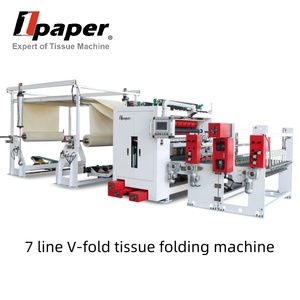
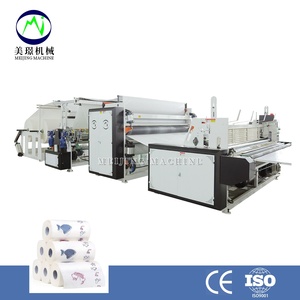
State-operated light industrial factories in Pyongyang, Hamhung, and Chongjin require multi-line V-fold facial tissue making machines and automatic 1880 double-set toilet tissue rewinders. These plants process large parent rolls into standardized soft-pack facial tissues and toilet rolls for urban household distribution, public institutions, and state retail networks.
Special Economic Zones (Rason & Sinuiju Logistics Hubs)
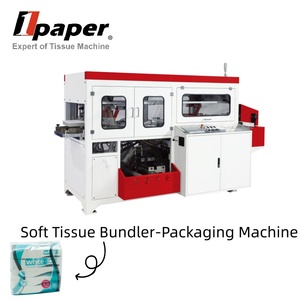
In cross-border economic sectors like the Rason Special Economic Zone and Sinuiju industrial parks, tissue machinery operates in export-processing and joint logistics facilities. These operations rely on high-speed soft facial tissue bundlers and automatic napkin machines equipped with custom embossing units to produce high-grade paper napkins for international hospitality, dining, and regional transport hubs.
Healthcare, Sanatoriums & Public Hospitality Units
Regional health centers, state sanitariums, and hospitality venues require high-hygiene, point-to-point glue-laminated kitchen towels and interfolded hand napkins. Equipment deployed in these settings features enclosed pneumatic cutting units, stainless steel contact surfaces, and anti-static discharge bars to ensure pristine finished product sanitation.
Localized Development Trends in Regional Paper Converting Technology
Understanding technical evolution in tissue converting machinery provides key information gain for factory directors, machinery buyers, and trade representatives planning production lines. Across East Asian regional markets, paper folding equipment design is shifting toward specific technical vector trends:
1. Multi-Grade Raw Material Flexibility
Supply chain dynamics dictate that converting plants must efficiently switch between diverse raw paper grades—ranging from 100% virgin wood pulp (13–18 gsm) to recycled pulp mixes and non-wood fibers such as bamboo or local straw pulp (18–22 gsm). Modern folding machinery incorporates dynamic magnetic powder tension brakes and variable frequency web aligners. This prevents paper web snaps on lower-tensile strength parent rolls, ensuring continuous factory output regardless of raw material shifts.
2. Energy-Efficient Heat Sealing & Low-Kilowatt Motor Motors
Energy conservation is paramount for industrial facilities serving North Korea. The latest generation of soft-pack facial tissue bundling machines utilizes solid-state pulse heating elements and high-efficiency helical gear reducers. By replacing traditional high-wattage continuous heat bars with localized thermostatic sealing, energy consumption is reduced by 25% to 35% per metric ton of packaged paper product.
3. Modular Knife Assemblies & Precision Embossing Rollers
To reduce factory downtime during size changes, modular converting cassette systems have become standard. Factories serving cross-border trade can swap embossing rollers (steel-to-rubber or steel-to-steel) and helical folding blades within 45 minutes. This allows a single production line to produce square table napkins, box facial tissues, and pocket tissues seamlessly.
Localized Buyer Procurement FAQ
Direct answers to technical, mechanical, and logistical questions commonly raised by factory managers and procurement agents.
How do your paper folding machine factories adapt equipment for voltage variations common in North Korean industrial zones?
Our engineering team outfits all machines bound for North Korean industrial facilities with wide-voltage tolerance drive systems. We integrate heavy-duty copper-wound isolation transformers, external voltage stabilizing interfaces, and thermal overload relays on all main motors (including 380V/50Hz 3-phase systems). Furthermore, PLCs are isolated with auxiliary DC power buffering to prevent program corruption during sudden power drops.
What logistics routes and export packaging standards are used for machinery delivered to Dandong, Sinuiju, or Rason?
All machinery undergoes heavy export rust-proofing: polished steel surfaces are coated with anti-corrosion grease, vacuum-sealed in moisture-barrier foil, and encased in reinforced ISPM-15 compliant wooden crates. For overland truck transport via Dandong-Sinuiju bridges or direct rail container shipping to Rason/Nampho, crate bases feature heavy steel skid channels designed for rapid forklift and crane handling at border customs checkpoints.
Can your facial tissue and napkin machines process non-standard or locally produced parent paper rolls?
Yes. Our machines are built with adjustable unwinding stands capable of handling jumbo roll diameters from 1000mm up to 1500mm, with custom core diameters (76mm standard or custom sizes). Air-expanding shafts and manual web-tension compensators allow operators to smoothly feed parent rolls with uneven density or lower moisture uniformity without tearing the sheet.
What wear-resistant spare parts kit is included with factory shipments to ensure long-term self-reliance?
Recognizing the importance of uninterrupted operation, every factory shipment includes an extended 2-year Wear-Parts Package. This kit includes spare tungsten carbide circular slitting knives, perforating blade strips, high-temperature teflon sealing tapes, rubber suction cups, timing belts, pneumatic cylinders, and a complete electrical fuse/relay kit.
How are installation, calibration, and operator training handled for remote or cross-border facilities?
We provide a comprehensive multi-tier support protocol. First, every machine undergoes a full 72-hour factory dry-run and wet-paper test in our workshop, with high-definition video documentation and step-by-step operational markings on all pneumatic lines and wiring harnesses. We supply complete bilingual technical manuals, schematic circuit diagrams, and offer real-time remote engineering video support or on-site engineer dispatch through border trade technical representatives.
Corporate Advantages & Manufacturing Heritage
As a premier paper processing machinery manufacturing enterprise with factory bases in Zhejiang Wenzhou and Henan Zhengzhou, our organization represents the benchmark in paper converting technology. Our factory direct advantage offers global buyers and regional manufacturing enterprises distinct operational benefits:
Factory-Direct Engineering & Customization
We operate full-cycle CNC machining workshops, heat treatment facilities, and assembly lines. We customize machine frame dimensions, embossing pattern designs, folding geometries, and drive motor specifications to exact customer requirements.
Strict Quality Inspection & CE / ISO Assurance
Every paper folding machine, toilet paper rewinder, and bundling unit undergoes rigorous dynamic balancing, thermal imaging of electrical cabinets, and continuous paper converting trial runs prior to export approval.
Whether you are establishing a new paper processing plant in Sinuiju, upgrading a facial tissue facility in Pyongyang, or expanding trade warehousing in Dandong, our engineering team delivers reliable machinery, transparent technical documentation, and long-term industrial support.
Start Your Paper Converting Factory Project Today
Consult with our senior machinery engineers for custom plant layout drawings, machine model recommendations, and competitive factory-direct pricing for North Korea and surrounding regional markets.
Contact Us