Featured Tissue & Napkin Converting Machinery
Explore our engineering catalog featuring automated tissue converters, zero-plate digital napkin printers, and high-speed facial tissue converting systems optimized for local factory deployments.
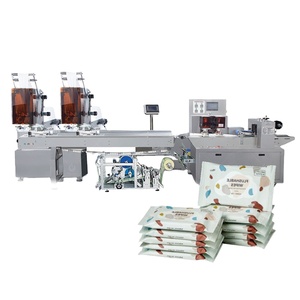
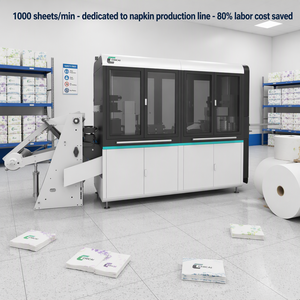
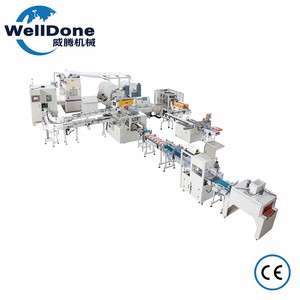
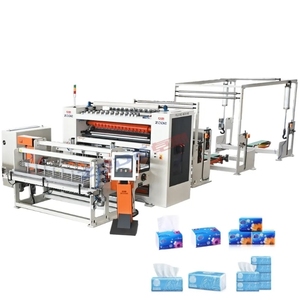
Industrial Overview: Napkin & Tissue Machinery Supply in the Chongjin Market
As the capital of North Hamgyong Province and a premier industrial port hub on the Sea of Japan (East Sea of Korea), Chongjin represents a critical node in northern regional manufacturing, state enterprise production, and municipal commercial supply networks. Industrial procurement officers, local manufacturing collectives, and commercial trade entities within Chongjin are increasingly seeking high-yield, mechanically robust paper converting systems to satisfy rising regional consumer demand for disposable hygiene products, food service napkins, and sanitation supplies.
Strategic Sourcing Insight for Chongjin Buyers: Navigating equipment imports requires machinery engineered specifically for operational resilience. Key selection metrics in this market include tolerance to variable power grid configurations (380V 50Hz, 3-phase heavy industrial loads), thick-gauge structural steel framing to withstand continuous maritime climate operation, and low-maintenance pneumatic folding assemblies that minimize downtime without demanding rare imported electronic consumables.
Establishing an on-site napkin production or tissue converting facility in the Chongjin industrial zone provides local manufacturers with distinct cost advantages over importing pre-packaged finished tissue products. By importing raw parent jumbo paper rolls directly through local port logistics network infrastructures, local processors convert raw cellulose into finished 1/4-fold table napkins, 1/6-fold dispenser tissue, and custom-embossed restaurant towels at profit margins exceeding regional averages.
Target Application Scenarios Across Chongjin Commercial Sectors
The versatility of modern paper converting equipment allows single converting units to service multiple distinct end-user sectors across North Hamgyong. Based on local market intent analysis, enterprise buyers in Chongjin deploy tissue folding machinery across four core commercial environments:
1. State Hospitality, Hotels & Dining Facilities
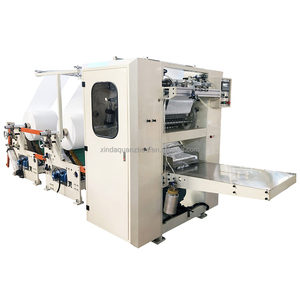
Large-scale municipal dining halls, state guest houses, and hotel facilities across Sunam and Sinam districts require vast quantities of hygienic table napkins. High-speed 1/4 fold napkin machines equipped with steel-to-rubber embossing rollers deliver soft, high-absorbency square napkins that meet rigorous municipal sanitation guidelines while providing branded aesthetic appeal.
2. Industrial Seafood Processing & Cold Storage Plants
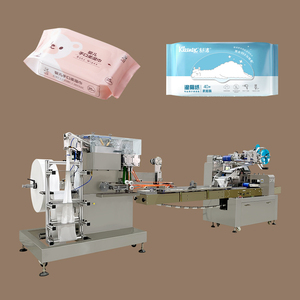
As a major East Sea fishing port, Chongjin hosts significant seafood freezing, canning, and marine processing complexes. Industrial operations utilize specialized heavy-duty wet wipe production equipment (such as the JBK-260S lines) and thick multi-ply absorbent paper towels for worker hand-sanitization, surface oil absorption, and hygienic packing operations within sterile packing rooms.
3. Commercial Department Stores & Retail Outlets
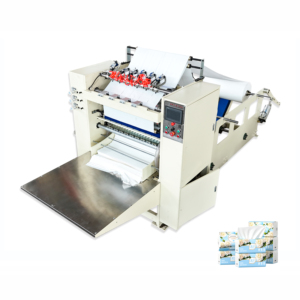
Retail trade outlets in urban Chongjin require affordable, neatly packaged consumer tissue packs. Small-scale automatic napkin folding units integrated with manual or semi-automatic sealing banders allow local light-industrial workshops to manufacture 100-sheet and 200-sheet tissue packs, offering competitive pricing compared to long-distance imported consumer goods.
4. Institutional & Medical Sanitation Supply
Regional health centers and public infrastructure complexes require sterile V-fold and interfolded facial tissues. Multi-lane converting lines equipped with electronic counting and automatic pneumatic web tension controls ensure consistent sheet dimensions, lint-free edge cuts, and optimal ply bonding required for medical and institutional use.
Technological & Operational Trends Shaping Local Sourcing
The paper machinery market serving the Chongjin sector is experiencing rapid technological evolution. Buyers are shifting away from manual, labor-intensive machinery toward automated, energy-conscious converting systems that maximize output per kilowatt-hour. Key technical shifts include:
Low-Power High-Torque Motors
Given the focus on energy management in regional factories, modern napkin machines feature frequency-inverter variable speed controls (VFD). This reduces startup current spikes by 40% and lowers baseline power draw during continuous folding cycles.
Zero-Plate Digital Printing
Short-run customization is gaining momentum. Systems like the CHICAI Digital Printer eliminate expensive photopolymer plates, allowing operators to print low-volume custom logos for local catering contracts directly from digital artwork files.
Recycled & Straw Pulp Tolerance
Equipment engineered with adaptive magnetic powder brakes can process varying quality tissue raw materials—ranging from 100% virgin wood pulp to mixed unbleached straw paper—without snapping the running paper web.
Seasia Tissue Equipment: Engineering Strengths & Global Reliability
As a specialized manufacturer and exporter of paper converting lines, Seasia Tissue Equipment Co., Ltd. (located in Zhengzhou High-Tech Zone, Henan, China) delivers end-to-end industrial manufacturing solutions for international business buyers. Our factory-direct export model combines rigorous engineering standards with comprehensive international client support.
Factory Pre-Shipment Testing
Every napkin and facial tissue machine undergoes a full 72-hour trial run using real parent paper rolls in our factory before container loading. Buyers receive complete video verification showing speed performance, embossing clarity, and folding accuracy.
International Certification Standards
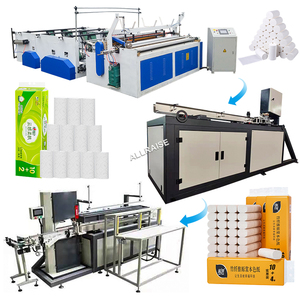
Our tissue processing lines, toilet paper rewinding machines, and pulp molding lines are backed by official ISO Quality Management certification, CE compliance certificates for mechanical safety, and third-party TÜV Rheinland verification.
Bespoke Electrical & Mechanical Customization
We tailor machine voltages, motor frequencies, pneumatic line placements, and steel embossing pattern designs to meet your exact workshop parameters. Whether you require specific 380V/50Hz wiring or customized folding dimensions, our engineers design to order.
End-to-End Plant Layout & Logistics Support
Beyond supplying machinery, Seasia provides free 2D/3D CAD workshop layout designs to optimize your raw material storage, production workflow, and finished goods packing zone. We coordinate direct maritime export shipping straight to target destination ports.
Ready to Plan Your Napkin Production Line?
Contact our senior machinery application team today to request technical specifications, factory test footage, and customized CIF port quotation estimates.
Procurement FAQ for Chongjin Machinery Buyers
Technical, logistical, and operational answers for enterprise buyers considering tissue machine deployment in North Hamgyong Province.
Our machinery is standardly configured for 3-phase 380V, 50Hz electrical supply, which matches the regional industrial grid standard in Chongjin. We also install heavy-duty voltage stabilization options and premium Schneider/Siemens electrical breakers to safeguard sensitive PLC control boards against minor local voltage fluctuations.
The fraction refers to the geometry of the folded napkin relative to the open unfolded sheet. A 1/4 fold creates a classical square napkin commonly used in standard hotel table dining. A 1/6 fold creates an elongated rectangular shape ideal for tall table dispensers found in fast-casual eating establishments and industrial dining halls. For comprehensive market coverage, many local plants install one 1/4 fold line and one 1/6 fold line side-by-side.
Equipment is packaged in heavy-duty, moisture-proof seaworthy wooden crates lined with vacuum-sealed corrosion inhibitors to prevent maritime salt-air exposure during ocean transport. Cargo is loaded into 20ft or 40ft High Cube containers at our factory and shipped directly via established international maritime shipping routes targeting Chongjin Port, or routed through coordinated regional overland transit networks.
Yes. Seasia napkin making machines feature adjustable magnetic powder brake tension systems and stepless speed controls. When running lower-tensile recycled tissue or straw pulp parent rolls (14–18 GSM), operators can reduce web tension to prevent tearing. When running high-grade virgin pulp (18–22 GSM), speed can be maximized up to 220 meters per minute.
Every machine comes with an extensive spare parts package—including replacement folding blades, timing belts, heating elements, and pneumatic seals. We provide comprehensive step-by-step HD operational video manuals, electrical schematics, and mechanical troubleshooting guides in clear technical documentation. Remote engineering guidance is maintained throughout the operational lifespan of the machine.
Standard standalone napkin machines (such as 1/4 fold automatic units) require a manufacturing cycle of 15 to 20 business days. Custom multi-lane facial tissue lines or units requiring bespoke steel embossing roll engraving require 25 to 35 days. Pre-shipment video inspection is completed before final dispatch.
Establish Your Paper Converting Capacity Today
Partner with a trusted manufacturer committed to mechanical durability, precision engineering, and responsive international export support. Contact Seasia Tissue Equipment today to receive complete technical data sheets, factory layout blueprints, and direct factory pricing.