Precision Machinery for OEM Paper Converting
Direct factory supply of certified converting equipment optimized for the Japanese domestic and export markets.

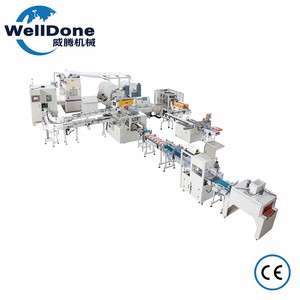
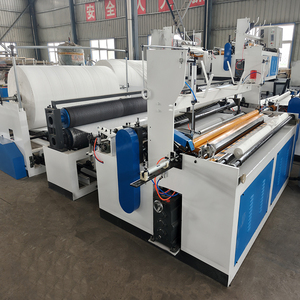
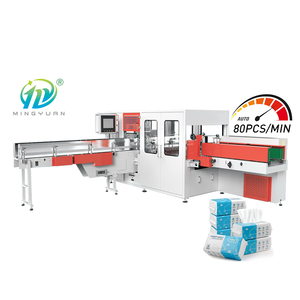
Engineering OEM Paper Converting Solutions for Japan’s Strict Market Standards
The Japanese paper processing market represents the global gold standard in finished product quality, precise dimensional tolerance, and tactile softness. B2B buyers, OEM brand owners, and commercial distributors across Japan demand machinery that maintains zero-defect manufacturing parameters while offering exceptionally high operational yield. As a premier Custom OEM Disposable Paper Products Machine Supplier & Exporter for Japan, Seasia Tissue Equipment Co., Ltd. bridges high-precision Chinese machinery engineering with Japan's rigorous manufacturing expectations (JIS standards).
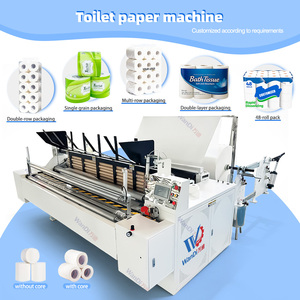
Our complete machinery lines—spanning high-speed toilet paper roll rewinding machines, multi-lane facial tissue folding lines, table napkin machinery, wet wipe manufacturing setups, and pulp molding egg tray equipment—are custom-engineered to meet specific regional requirements across Japan, including Tokyo, Osaka, Nagoya, Fukuoka, and Hokkaido. By incorporating advanced PLC servo-automation systems, Japanese-compatible electrical infrastructure (200V, 3-phase, 50Hz/60Hz), and energy-efficient steam and mechanical drives, we provide Japanese converters with high-information-gain production assets designed for long-term profitability.
Technical Information Gain: Japanese commercial specifications typically mandate customized tissue sheet dimensions (such as 200mm x 210mm for soft-pack facial tissues and specific coreless toilet roll diameters). Our customized OEM machinery utilizes micro-computerized tension control and precision laser-guided blade cutting to ensure tension-free web handling for ultra-soft virgin or recycled pulp fibers.
| Machine Category | Standard Model Configurations | Japan-Specific Custom Adaptation | Primary Output Products |
|---|---|---|---|
| Toilet Tissue Rewinder | 1575 / 1880 / 2800 mm Web Width | 200V/3-Phase Grid Adaptation, Ultra-Quiet Drive (<72dB), Steel-to-Rubber Embossing | Coreless & Cored Toilet Rolls, Industrial Jumbo Rolls |
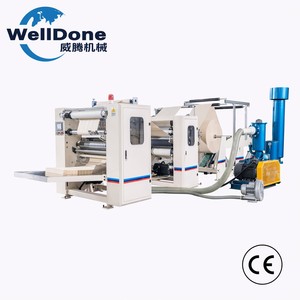
| Facial Tissue Folder | 2-Lane to 10-Lane Multi-Line Lines | Vacuum Suction V-Fold, Automatic Counting, Soft-Pack Film Wrapper Linkage | Premium Box Tissue, Soft-Pack Pocket Tissues |
| Napkin Machinery | 1/4 Fold, 1/6 Fold, Custom Emboss | 1-2 Color Flexographic Printing, High-Speed Edge Trimming, Sanitary Shielding | Restaurant Table Napkins, Oshibori Paper Base |
| Pulp Mold Egg Tray Line | 1x3, 1x4 Reciprocating / Rotary | Multi-Layer Metal Drying System, Waste Paper Slurry Closed-Loop Recycling | 30-Cell Egg Trays, Eco Industrial Packaging |
Core Technological Capabilities & Enterprise Advantages
Built by machine makers, customized for OEM brands, and trusted by global tissue converters.
Custom Electrical & Mechanical OEM Setup
Full customization of voltage configurations (100V single phase / 200V 3-phase, 50Hz for Eastern Japan / 60Hz for Western Japan), PLC software UI localization (English/Japanese), and custom steel embossing roller patterns designed to replicate precise brand textures.
Rigorous Pre-Shipment Trial Runs
Every tissue converting machine, log saw cutter, and packaging line undergoes real paper trial runs in our Zhengzhou factory prior to export. Japanese clients receive HD video verification, speed audits, and detailed physical product sampling reports before loading.
Compact Workshop Layout Design
Given the premium cost of industrial real estate in Japan, our engineering department delivers free 3D CAD factory layout designs to maximize floor space usage, optimize material flow from raw jumbo roll storage to final cartoning, and reduce labor requirements.
Localized Application Scenarios across Japan’s Commercial & Retail Sectors
Understanding local consumer preferences and commercial supply chains is essential when choosing disposable paper product machinery for the Japanese market. Japanese tissue consumption is marked by high per-capita usage of facial tissues, widespread adoption of wet wipes (Oshibori) in foodservice, and strict environmental regulations favoring recyclable molded fiber packaging.
1. High-Density Urban Retail & Soft-Pack Facial Tissue Lines
In dense urban centers like Tokyo, Kanagawa, and Osaka, retail space is limited, driving consumer preference toward compact soft-pack facial tissues over rigid cardboard boxes. Our Automatic 10-Lane Facial Tissue Production Line and Soft Facial Tissue Folding Machines allow manufacturers to produce high-density soft-pack tissues efficiently. Equipped with continuous vacuum folding rollers and dynamic film overwrapping systems, these lines process 2-ply and 3-ply virgin pulp paper into soft, compact packs ideal for Japanese pharmacy and convenience store distribution channels.
2. HORECA & Hygiene-Driven Foodservice Machinery
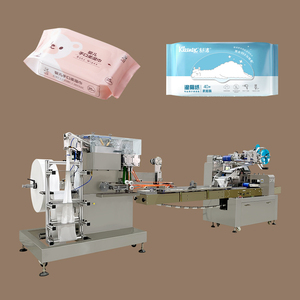
Japan’s hospitality and food service industry requires specialized paper disposables, ranging from single-use wet wipes (Oshibori) provided at dining tables to custom-embossed table napkins. The Haoyuan Jbk-260s Automatic Wet Wipes Machine provides fully automated liquid dispensing, cross-folding, bag sealing, and date coding, meeting Japanese sanitary standards. Simultaneously, our 1/4 and 1/6 fold napkin folding machinery featuring integrated 2-color flexographic printing allows OEM exporters to deliver custom logo-printed napkins directly to Japanese restaurant chains.
3. Eco-Friendly Pulp Mold Packaging & Plastic Replacement Trends
Driven by Japan’s Act on Promotion of Resource Circulation for Plastics, food producers and poultry farms are transitioning from expanded polystyrene (EPS) packaging to biodegradable molded pulp alternatives. Seasia’s Waste Paper Recycling Egg Tray Making Machines convert local recycled corrugated waste into high-strength 30-cell egg trays, lidded egg cartons, and industrial shock-absorbing cushions. Integrated with multi-layer continuous metal drying lines, these systems maximize fuel efficiency while maintaining high thermal efficiency.
Strategic Trends Shaping Disposable Paper Machinery Demand in Japan
Navigating the Japanese market requires aligning equipment capabilities with upcoming industry trends. Machinery purchasers in Japan are prioritizing three key investment drivers:
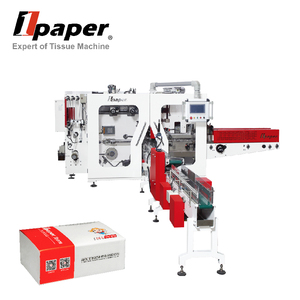
1. Labor Reduction via Full-Line Automation: Due to demographic shifts and labor scarcity in Japan, manufacturing facilities are moving away from semi-automatic workshops toward integrated automated production lines. Connecting automatic rewinding, log saw cutting, individual roll wrapping, and bundle packing reduces manual handling requirements by up to 75%.
2. Ultra-Soft & Lotion-Infused Paper Processing: Japanese consumer preference for ultra-soft, lotion-treated facial tissue requires converting equipment that handles delicate, high-moisture sheet tension without tearing or surface abrasion. Our folding and slitting machines feature pneumatic web tension management and variable-frequency drives for smooth fiber processing.
3. Decarbonized & Energy-Efficient Operations: Energy costs remain a significant operational consideration for Japanese converting plants. Seasia machinery integrates high-efficiency steam generators, heat recovery exhaust systems in drying channels, and low-kilowatt servo-motor drives, lowering total kilowatt-hour consumption per ton of converted paper product.
Frequently Asked Questions (FAQ) for Japanese B2B Buyers
Key technical, logistical, and commercial inquiries answered by our senior engineering export team.
Ready to Upgrade Your Paper Converting Line for the Japanese Market?
Contact our engineering specialists today to receive a customized technical proposal, free CAD workshop layout drawing, and direct factory pricing within 24 hours.