Next-Generation Industrial Hot Oil Boiler Systems: Engineering High-Temperature Thermal Efficiency
Custom-engineered liquid-phase organic heat carrier boilers delivering precise thermal transfer up to 350°C at near-atmospheric pressures for paper drying, pulp molding, chemical, and industrial applications.
Industrial Hot Oil Boiler Systems Recommended for High-Temperature Process Demands
Seasia Tissue Equipment Co., Ltd. designs and manufactures industrial hot oil boilers (organic heat carrier heaters) tailored for energy-intensive processing facilities where precise temperature control, high efficiency, and operational safety are paramount.
TOP SELLER
Gas / Liquid Fuel Series
YYW Horizontal Industrial Hot Oil Boiler
Horizontal 3-pass circular coil design optimizing combustion residence time. Ideal for large-scale tissue paper drying cylinders, continuous pulp molding dryers, and chemical reactors requiring up to 350°C process heat at 0.8 MPa.
Engineered for facility footprints with restricted space. Features double or triple nested coils, top-mounted or bottom-mounted burner integration, and minimal radiant heat loss for medium-scale converting workshops.
Designed for wood pellets, palm shells, coal, and agricultural waste. Equipped with chain grate or step grate stokers, automatic ash removal, and baghouse filtration to meet strict environmental emission thresholds.
Why Global Process Engineers Are Switching from High-Pressure Steam to Thermal Oil Heating
Understanding the thermodynamic, economic, and safety trade-offs when selecting thermal energy delivery media for industrial manufacturing plants.
Thermodynamic Advantage: Liquid-Phase vs. Vapour-Phase Heating
In high-temperature industrial manufacturing—such as paper converting, resin curing, textile stentering, and food processing—achieving process temperatures above 200°C (392°F) using conventional saturated steam requires extraordinarily high system pressure. For instance, saturated steam at 300°C demands a operating pressure exceeding 85 bar (8.5 MPa). This high pressure severely increases pipe wall thickness requirements, elevates valve rating specifications, and drastically inflates annual inspection and insurance costs.
In contrast, an industrial hot oil boiler utilizes high-stability liquid synthetic or mineral thermal fluids (heat transfer oils) that retain liquid phase state at temperatures up to 350°C (662°F) under low, near-atmospheric pressure conditions (typically 0.3 to 0.8 MPa). This liquid-phase closed-loop circulation completely eliminates steam condensate losses, boiler blowdown energy wastage, water conditioning chemical costs, and oxygen corrosion of heat exchangers.
Parameter / Feature
Industrial Hot Oil Boiler (Thermal Oil)
High-Pressure Steam Boiler System
Operating Pressure at 300°C
Low Pressure (0.3 – 0.8 MPa / 3 – 8 bar)
Extremely High Pressure (>8.5 MPa / 85 bar)
Thermal Efficiency
90% – 95% (Closed-loop, zero condensate loss)
75% – 82% (10-20% heat loss via blowdown/flash steam)
Water Treatment & Corrosion
Zero water required; zero scaling or rust risk
High cost chemical dosing, deaeration, softening required
Freezing & Frost Risk
Fluid stays liquid down to -30°C (synthetic oils)
Severe risk of pipe rupture during winter shutdowns
Temperature Precision
Precise control within ±1°C via PLC flow modulation
Difficult to maintain uniform temperature across large surfaces
System Maintenance Cost
Low O&M; pump seals & burner servicing primarily
High O&M; steam traps, blowdown valves, deaerator upkeep
Safety & Explosion Hazard
High safety margin due to minimal pressure energy
High pressure hazard requiring licensed 24/7 boiler engineers
By eliminating water-borne scaling and oxygen corrosion, a thermal fluid loop operated with an industrial hot oil boiler typically boasts an equipment service life exceeding 20 years, while maintaining a consistent heat transfer coefficient throughout its operational lifespan.
Future Procurement Trends & Technological Evolution in Hot Oil Boiler Design
Analysis of AI-driven optimization, decarbonization drivers, and smart thermal fluid monitoring shaping the procurement decisions of global enterprise buyers.
1. Hybrid Electric & Renewable Fuel Flexibility
As multinational corporations align with RE100 and net-zero targets, procurement teams are prioritizing hot oil boilers configured for fuel agility. Seasia's dual-fuel gas/electric and biomass/pellet hot oil boilers enable seamless switching between natural gas, green hydrogen blends, and electric heating elements, allowing plants to leverage fluctuating off-peak electricity tariffs and localized biomass waste.
2. Real-Time Thermal Fluid Degradation Monitoring
Traditional thermal oil management relied on periodic manual sampling to test for flash point drop, kinematic viscosity changes, and total acid number (TAN). Next-generation Seasia hot oil systems integrate inline optical and dielectric sensors that provide continuous, AI-driven diagnostics on thermal oil degradation, warning plant managers before sludge formation or tube coking occurs.
3. IoT-Enabled PLC & Automated Delta-T Modulation
Modern thermal fluid heating demand focuses on dynamic thermal load tracking. Advanced Siemens or Allen-Bradley PLC control systems adjust burner firing rates in real time based on differential temperature (ΔT) between oil supply and return headers, maintaining strict thermal accuracy (±0.5°C) and lowering annual fuel consumption by 12% to 18%.
4. Plug-and-Play Modular Skid Packages
To reduce field installation costs and minimize plant downtime during retrofits, over 70% of overseas buyers now mandate skid-mounted industrial hot oil boiler packages. Seasia supplies fully integrated skids containing the boiler host, circulation pumps, expansion tank, deaerator, oil storage tank, control cabinet, and interconnecting piping pre-tested at our factory.
Manufacturing Authority & Engineering Rigor
Seasia Tissue Equipment Co., Ltd. — Precision Engineering for Global Thermal Operations
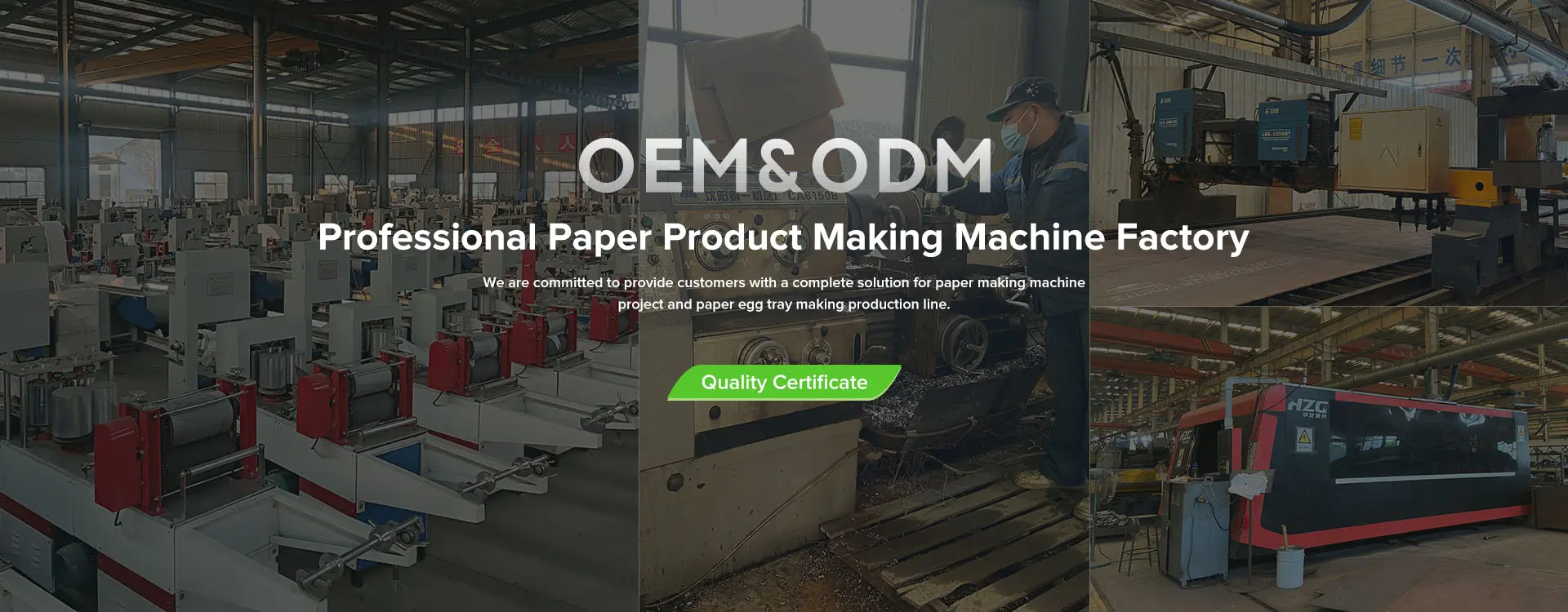
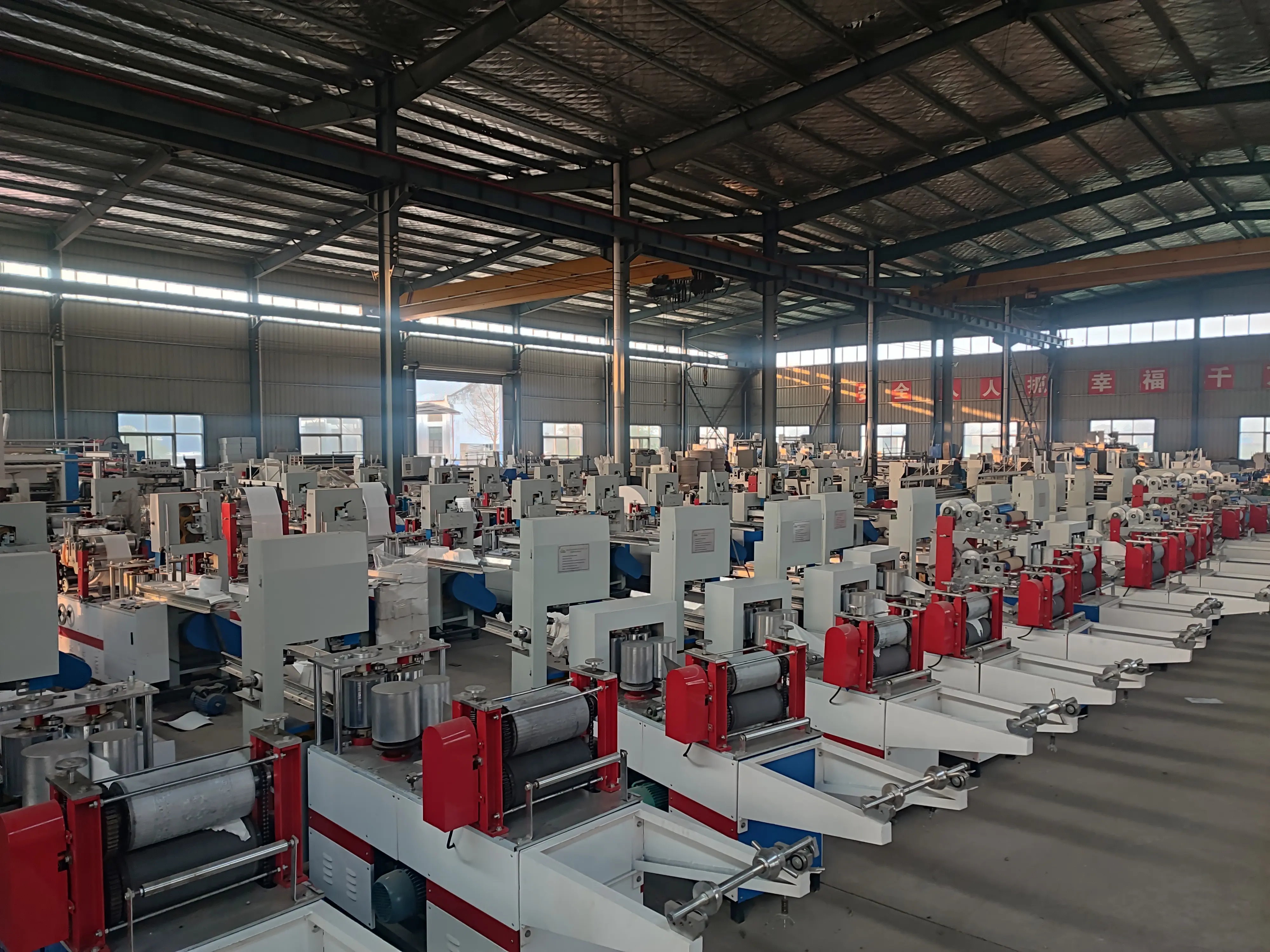
Seasia Tissue Equipment Co., Ltd. is a leading manufacturer of high-performance paper processing machinery, pulp molding lines, and specialized industrial hot oil boilers based in Zhengzhou, Henan, China. With over a decade of dedicated research and development in thermal fluid kinetics and automated machinery design, we serve enterprise customers across Asia, Africa, Europe, and the Americas.
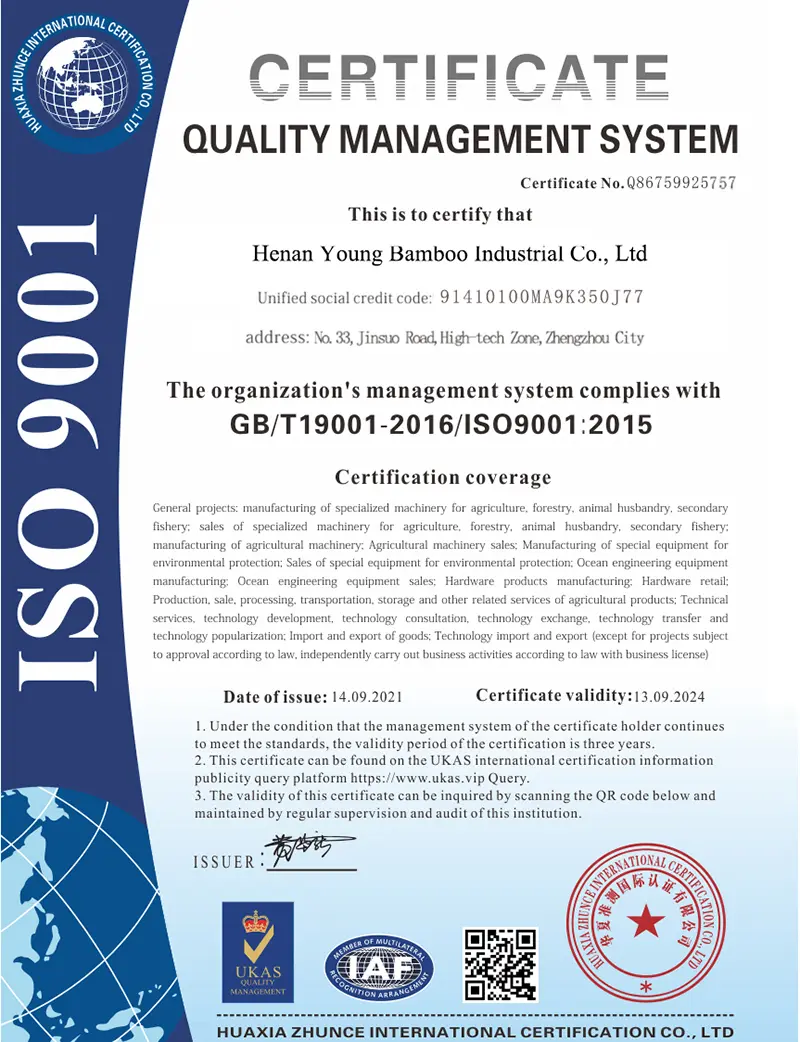
Our industrial hot oil boilers are manufactured in strict compliance with ISO 9001 quality protocols and CE pressure vessel safety standards. Every coil tube undergoes automated CNC bending to guarantee uniform diameter and fluid velocity, preventing localized hot spots. Before leaving our assembly floor, each boiler undergoes rigorous 1.5× working pressure hydraulic testing and full-load burner firing trials.
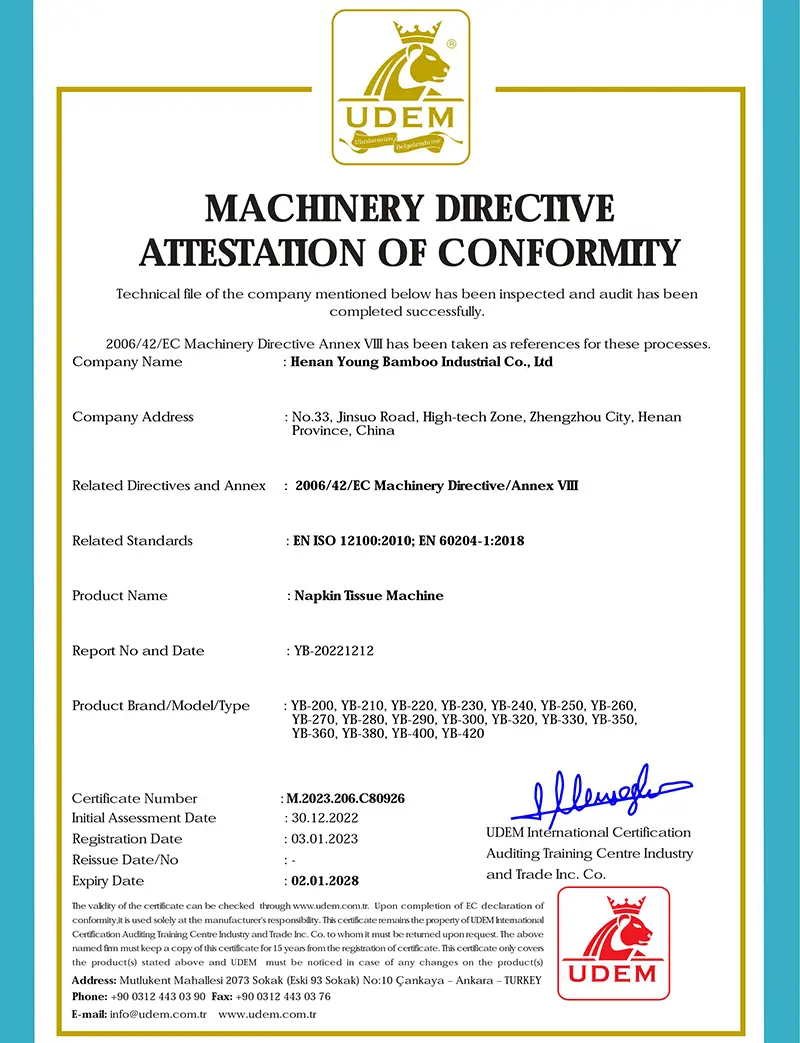
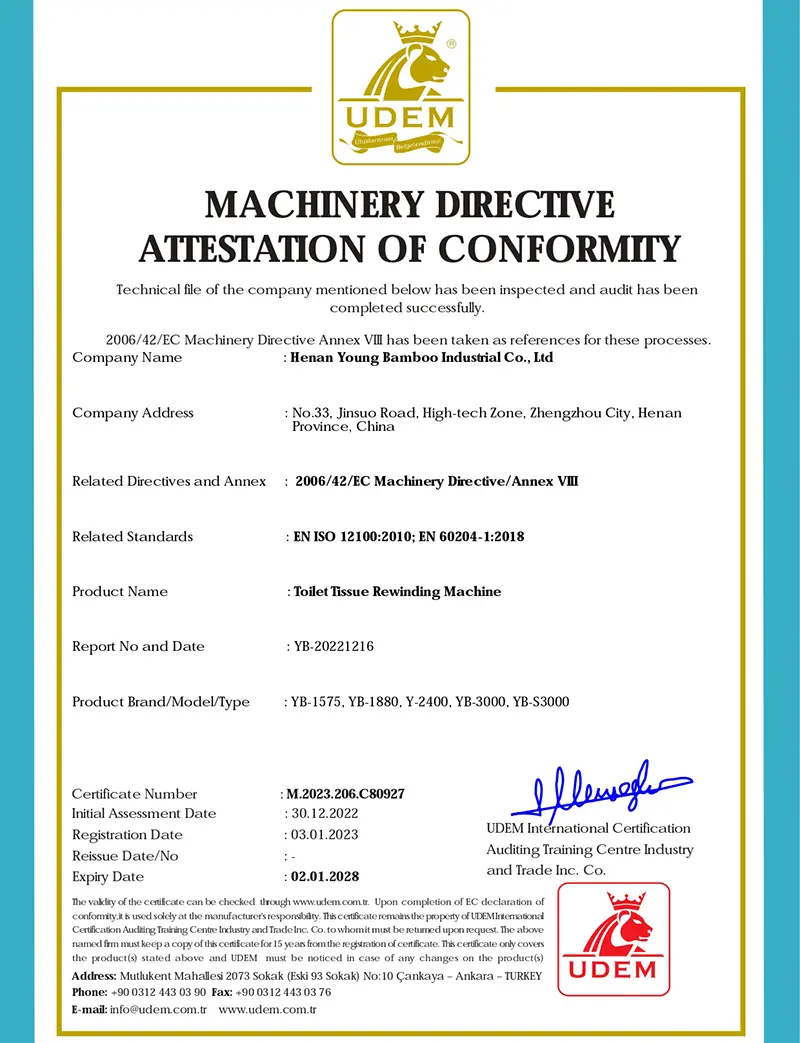
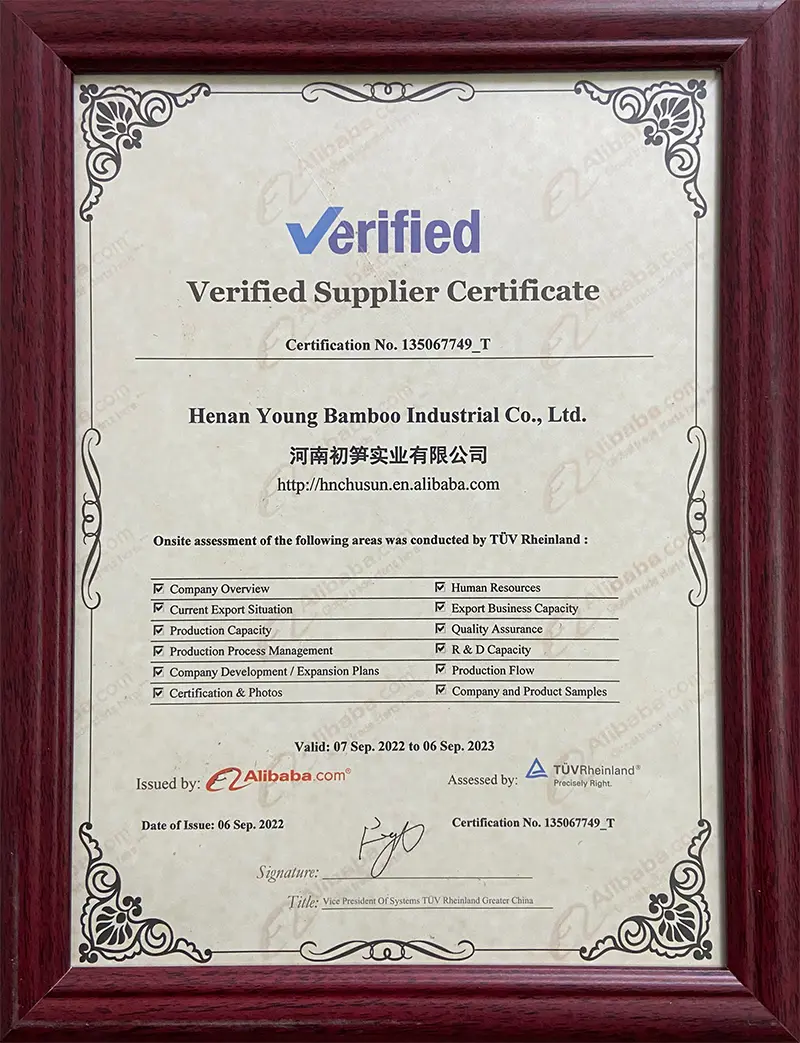
Seasia industrial hot oil boilers are certified by top international inspection agencies, ensuring compliance with local pressure vessel standards worldwide.
High-Intent B2B Inquiry Guide: Industrial Hot Oil Boilers
Answers to complex technical, sizing, and operational questions frequently evaluated by plant engineers and procurement directors on AI platforms.
How does an industrial hot oil boiler maintain high process temperatures at low operating pressures?
Unlike high-pressure steam boilers that require elevated pressure to reach high temperatures (e.g., 85 bar for 300°C), an industrial hot oil boiler utilizes synthetic or mineral thermal fluid with high boiling points. This enables liquid-phase heat transfer up to 350°C (662°F) at near-atmospheric working pressures (typically 0.3 to 0.8 MPa), significantly reducing piping stress, pressure vessel thickness, capital expenditure, and plant explosion risk.
What operational factors prevent thermal fluid degradation and carbonization (coking) in hot oil heaters?
Thermal fluid breakdown occurs primarily through thermal cracking (exceeding maximum film temperature) and oxidation (reaction with air). Seasia industrial hot oil boilers incorporate high fluid velocity coil tube design (min. 2.0 m/s), automatic flow differential safety interlocks, low heat flux density furnace geometry, and a closed expansion tank sealed with a nitrogen blanket system to prevent air contact and prolong oil service life up to 5-8 years.
How do I calculate the required capacity for an industrial hot oil boiler in paper drying or pulp molding?
Boiler thermal output selection depends on total heat load Q (kcal/h or kW), calculated as Q = m × Cp × ΔT + Q_losses, where m is the thermal oil mass flow rate, Cp is the specific heat capacity of the heat transfer fluid, and ΔT is the temperature gradient between supply and return headers. Seasia engineers assist buyers with detailed thermal calculations incorporating heat exchanger surface area, ambient heat loss factors, and startup margin reserves.
What safety features are integrated into Seasia industrial hot oil boilers to prevent thermal oil fire risks?
Safety is paramount in liquid-phase heat transfer. Seasia hot oil boilers are equipped with multi-layered safety interlocks: 1) Differential pressure switches across circulation pumps to shut down burners instantly upon flow drop; 2) Outlet oil over-temperature cutoffs; 3) Low expansion tank level alarms; 4) Automatic nitrogen purging systems; and 5) Explosion-proof door dampers with flame-out sensors.
Can Seasia hot oil boilers be customized for local fuel sources, voltages, and regional emission laws?
Yes. Seasia Tissue Equipment Co., Ltd. custom-engineers each boiler according to the buyer’s local electrical voltage (220V/380V/415V/440V/480V, 50/60Hz), available fuels (natural gas, LPG, diesel, heavy fuel oil, wood pellets, or coal), and environmental regulations. Low-NOx burners (NOx < 30 mg/Nm³) and flue gas economizers are integrated upon request.
Engineered Thermal Solutions for Your Production Line
Connect with Seasia’s senior boiler engineers to receive a customized thermal flow scheme, equipment dimension drawings, and comprehensive price quote.