Industrial Tissue & Paper Converting Machinery
Select high-performance production lines, factory-tested and custom-configured for optimal jumbo roll yield, low power consumption, and maximum operational uptime.
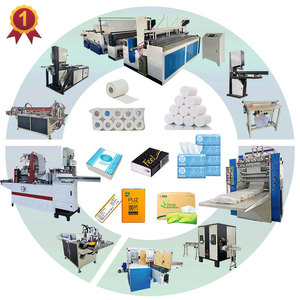
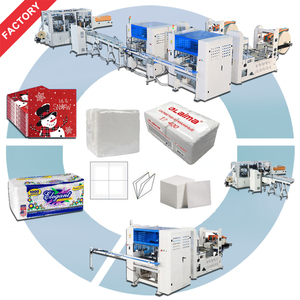
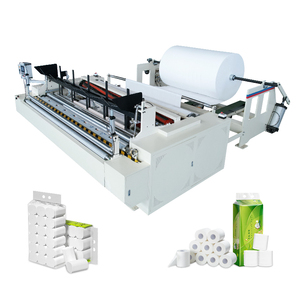
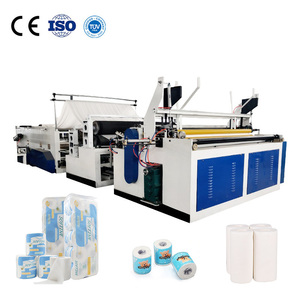
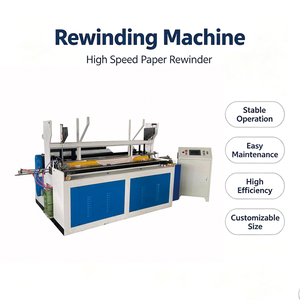
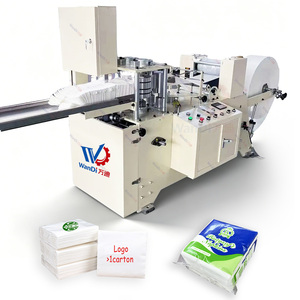
Engineering Excellence in Tissue & Pulp Converting Systems
In the highly competitive commercial paper industry, procurement directors and converting plant operators face relentless pressure to optimize output metrics, reduce raw material waste, and minimize operational downtime. As a premier original machinery designer and exporter, Seasia Tissue Equipment Co., Ltd. (operating from Zhengzhou High-tech Development Zone, Henan, China) delivers fully integrated, end-to-end tissue paper converting production lines, pulp molding systems, and automated packaging infrastructure built to rigorous international engineering standards.
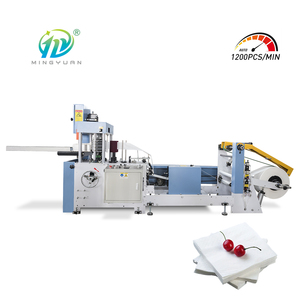
Modern commercial tissue converting demands more than just mechanical rotation; it requires absolute synchronicity between pneumatic jumbo roll unspooling, high-precision embossing steel rollers, high-speed log sawing, and intelligent PLC-driven wrapping units. Whether launching a localized converting workshop equipped with a compact 1575 mm rewinder or engineering an industrial-scale 1880 mm multi-lane converting plant running at 1200 sheets/min, our production machinery bridges the gap between high capital efficiency and uncompromised structural longevity.
By leveraging certified quality management frameworks (ISO9001:2015, CE Machinery Directive 2006/42/EC, and TÜV Rheinland Factory Audits), Seasia Tissue Equipment provides global buyers with audited manufacturing transparency. Every machinery shipment undergoes rigorous dynamic test runs utilizing customer-specified paper GSM grades prior to export container loading, eliminating setup bottlenecks and ensuring smooth commissioning at the destination facility.
Tissue Converting Line Engineering Architecture
An in-depth breakdown of key mechanical sub-systems driving structural integrity, precise perforation, and consistent web tension control across modern high-speed tissue converting production lines.
Pneumatic Unwinding & Tension Control
The performance of any high-speed rewinder depends on maintaining uniform web tension during jumbo roll unwinding. Our 1575 and 1880 series machinery integrate heavy-duty shaftless pneumatic unwinding stands fitted with independent variable-frequency drive (VFD) motors.
- Closed-loop tension sensors eliminate web tearing on lightweight (13–18 GSM) virgin pulp.
- Pneumatic roll-loading arms eliminate manual lifting risks for operators.
- Compatible with jumbo parent roll diameters up to 1500 mm.
Precision Embossing & Perforation
Consumer preference for tissue softness and sheet bulk is driven by embossing geometry. Our converting lines offer point-to-point and steel-to-rubber embossing configurations engineered with high-rigidity forging steel rolls.
- Custom laser-engraved 3D patterns (nested, wave, micro-embossing).
- Helical spiral perforation blades deliver clean tear lines across variable lengths (90–180 mm).
- Independent pneumatic nip-pressure adjustment for precise bulk control.
Automatic Log Sawing & Core Handling
Converting wound paper logs into retail-ready rolls requires ultra-fast, clean cutting. Our automatic high-speed band saws and orbital log saws operate seamlessly inline with the rewinding unit.
- Continuous servo-driven blade movement achieves up to 140 cuts per minute.
- Integrated automatic grinding wheel unit maintains blade razor sharpness during runtime.
- Automatic core loading and tail-sealing spray system reduce manual intervention.
Production Line Machinery Benchmarks & Specs
Use the engineering metrics below to evaluate factory floor spatial requirements, energy inputs, and projected throughput across our standard automated paper converting platforms.
| Machine Platform | Parent Roll Width | Design Speed | Finished Diameter | Installed Power | Core Automation |
|---|---|---|---|---|---|
| 1575 Semi-Auto Rewinder | ≤ 1750 mm | 180 – 220 m/min | Φ 60 – 150 mm | 7.5 kW – 11 kW | Manual Core Loading / Auto Tail Seal |
| 1880 High-Speed Full Line | ≤ 2200 mm | 250 – 350 m/min | Φ 70 – 300 mm (Jumbo) | 15 kW – 22 kW | Fully Automated Core Loader & Log Saw |
| 1200 pcs/min Napkin Folder | 230 – 400 mm (Unfolded) | 1000 – 1200 pcs/min | 1/4 or 1/6 Fold Size | 4.5 kW – 7.5 kW | Vacuum Folding / Auto Counter / 2-Color Print |
| Multi-Lane Facial Tissue Line | 420 – 1260 mm | 800 – 1000 sheets/min/lane | V-Fold / Interfolded | 11 kW – 30 kW | Automatic Vacuum Suction & Log Transporter |
| Rotary Egg Tray Molding System | Recycled Paper Pulp | 2000 – 6000 pcs/hr | 30-Cell Trays / Cartons | 35 kW – 95 kW | Pulping, Rotary Molding & Metal Dryer Line |
Procurement Trends Shaping global Tissue Manufacturing
The global tissue paper converting market is undergoing a structural transition driven by shifting consumer habits, volatile virgin pulp prices, and stringent regional sustainability mandates. For enterprise buyers, sourcing machinery is no longer solely about initial equipment purchase cost; it revolves around total cost of ownership (TCO), operational flexibility, and energy efficiency.
- Decarbonization & Pulp Recycling: Higher adoption of non-wood fiber sources (bamboo, sugarcane bagasse, and post-consumer recycled paper) requires converting machinery with flexible tension controls and adaptable feed rollers capable of handling non-uniform tensile strength.
- Energy-Efficient Drying & Drives: Rising electricity and gas costs in Europe, Africa, and North America are accelerating the demand for servo-motor-driven unwinding systems and dynamic gas/biomass drying tunnels in pulp molding (egg tray) plants.
- Compact Workshop Modularity: Emerging tissue converting businesses favor modular line layouts (such as our compact 1575 series) that allow incremental capacity scaling—starting with basic rewinding and log cutting before integrating automated packaging units.
Technological Innovations in Next-Gen Machinery
Automation standards in paper converting equipment have advanced rapidly over the past decade. Seasia Tissue Equipment incorporates state-of-the-art mechatronic innovations that deliver measurable gains in production yields while protecting mechanical components from premature wear.
- Smart Motion Control (PLC + HMI): Utilizing programmable logic controllers with multi-touch Human-Machine Interfaces allows operators to adjust sheet lengths, perforation frequencies, and log counts digitally without physical gear swaps.
- Vacuum-Assisted High-Speed Folding: Our high-output facial tissue and napkin lines incorporate high-pressure vacuum extraction systems that stabilize tissue sheets during 1200+ pcs/min folding sequences, preventing paper jams.
- Precision Flexographic Color Printing: Integrated 1-to-4 color flexographic printing units feature ceramic anilox rollers for sharp logo impression on restaurant napkin products using non-toxic water-based inks.
Seasia Enterprise Advantages & Manufacturing Capabilities
Why leading tissue paper converting brands, regional distributors, and pulp packaging plants across Asia, Africa, Europe, and the Americas choose Seasia Tissue Equipment Co., Ltd.
In-House Manufacturing & Customization
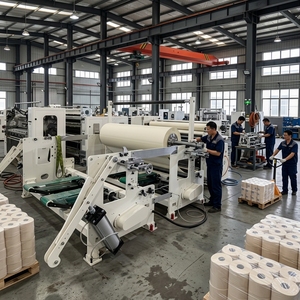
We build our machines in our specialized workshop in Zhengzhou. Every component—from heavy steel wall-plates to precise embossing rollers—is machined and inspected under strict internal QC protocols. Custom voltage, custom frequency (50Hz/60Hz), and unique embossing patterns are tailored to order.
Free CAD Workshop Layout & Engineering Design
We don't just sell standalone machines; we engineer turn-key factory floors. Our engineering team provides complimentary 2D and 3D plant CAD layout design, optimizing raw material intake, machine positioning, electrical trenching, and finished product packaging flow.
Pre-Shipment Testing & Overseas Installation
No machine leaves our factory floor without running actual paper stock under real operational conditions. Clients receive comprehensive test videos before shipping. For setup, we offer both remote video commission assistance and on-site engineer dispatch for global client facilities.
Frequently Asked Technical & Procurement Questions
Expert clarity on tissue machinery selection, operational requirements, voltage compatibility, and global export procedures.
Which toilet paper rewinding machine width should I choose, 1575 or 1880?
Can the machines be configured for custom local electrical voltages and frequencies?
What is the operational difference between semi-automatic and fully automatic converting lines?
Do you provide overseas installation, commissioning, and operator training?
How do I select the right drying system for an egg tray pulp molding production line?
Can I visit the factory in China to inspect machines before issuing payment?
What are the typical lead times for manufacturing and export shipping?
Ready to Build or Upgrade Your Tissue Production Line?
Consult with our senior machinery engineers today. Receive technical specifications, factory space CAD layouts, and a factory-direct commercial proposal tailored to your target output.
Inquire Now