High-Performance Tissue & Converting Equipment
Explore our primary engineering range engineered for high output, precise tension control, and continuous duty cycles across global paper processing mills.
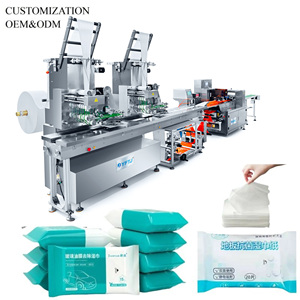
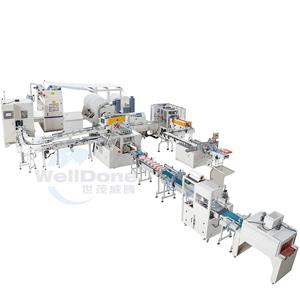
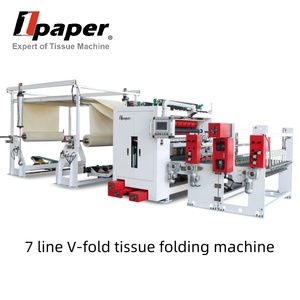
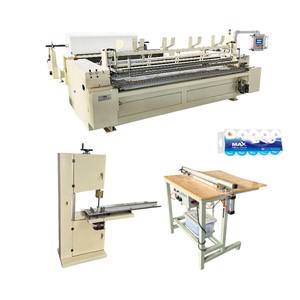
Engineering Blueprint: Next-Generation Tissue Machinery Procurement
A comprehensive technical guide for mill operators, plant directors, and OEM machinery distributors seeking optimization in tissue converting and packaging systems.
Information Gain Insight: Selecting commercial tissue converting machinery requires evaluating web tension dynamics, PLC synchronization, drive-motor harmonics, and pneumatic cut-off reliability rather than raw mechanical operating speed alone. Operational efficiency (OEE) is heavily dictated by parent roll handling ergonomics and automated tail-gluing precision.
1. Structural Evolution of Industrial Tissue Machinery
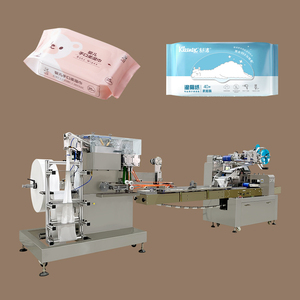
The global tissue converting market has shifted from basic mechanical link-driven configurations toward high-precision, servo-driven modular architectures. Modern tissue paper manufacturing equipment—spanning fully automatic toilet roll rewinders, high-speed facial tissue interfolders, and multi-lane wet wipe converting machines—demands strict compliance with mechanical tolerances, vibration damping, and dynamic torque calibration.
Leading manufacturers like Seasia, Welldone, and Haoyuan focus on rigid frame stability, utilizing heavy-duty cast iron or reinforced structural steel side-plates to minimize harmonic oscillation at linear paper speeds exceeding 200–800 meters per minute. Unsynchronized vibrations lead to web breaks, uneven embossing depths, and rapid wearing of helical perforation blades.
Key technical components evaluated in enterprise-grade machinery include:
- Pneumatic & Shaftless Jumbo Roll Stand Unwinding: Allows independent tension adjustment via magnetic powder brakes or variable-frequency drive (VFD) motors, accepting parent roll diameters up to 1500mm.
- Steel-to-Rubber or Steel-to-Steel Embossing Units: CNC-machined micro-embossing and nested pattern rollers that enhance sheet bulk, hand-feel softness, and liquid absorption metrics.
- Rotary Helical Perforation Assemblies: High-alloy steel blade rollers providing clean sheet-separation tear lines without damaging structural paper fibers.
- Automatic Tail Gluing & Trimming Modules: Precision spray nozzle or dip-gluing systems ensuring clean roll sealing for seamless end-user dispenser feeding.
Engineering Comparison Matrix: Converting Line Categories
| Equipment Category | Core Web Width (mm) | Max Operating Speed | Control Architecture | Primary Target Product |
|---|---|---|---|---|
| Toilet Roll Rewinder | 1575 / 1880 / 2800 mm | 180 – 250 m/min | Siemens / Delta PLC + HMI | Retail Toilet Rolls & JRT Commercial Rolls |
| Facial Tissue Interfolder | 1200 – 2100 mm | 800 – 1200 sheets/min/lane | Multi-axis Motion Controller | V-Fold & N-Fold Boxed/Soft-pack Tissue |
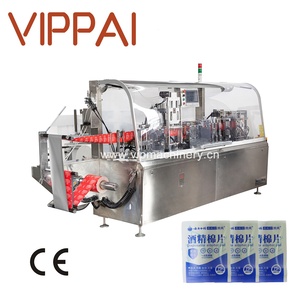
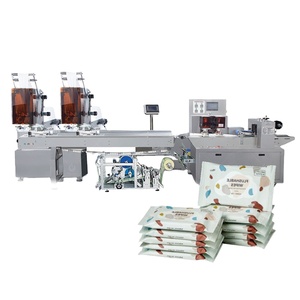
| Baby & Wet Wipes Line | 300 – 1200 mm | 300 – 600 packs/min | Full Servo Synchronization | Sanitary, Baby, & Industrial Wipes |
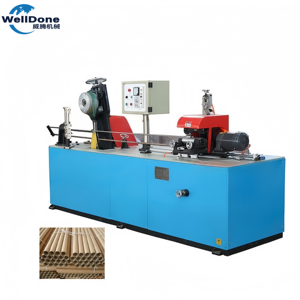
| Core Winding Machine | Custom Diameter (25-76mm) | 20 – 60 m/min | Pneumatic + Inverter Control | Spiral Paper Cores & Bamboo Pulp Cores |
2. Future Procurement Trends in Tissue Machinery (2025–2030)
As global sustainability mandates tighten and labor costs rise, commercial tissue equipment wholesalers and facility procurement managers must align equipment roadmaps with four macro-trends:
A. Alternative Substrate Adaptation (Bamboo, Agricultural Residue, & Non-Wovens)
With virgin wood pulp prices fluctuating, converting machinery must handle variable fiber lengths. Bamboo pulp tissue features higher tensile strength but stiffer elasticity, requiring adaptive web tension transducers and modified perforation geometry. Similarly, spunlace non-woven materials used in wet wipe manufacturing require specialized non-abrasive stainless steel contact rollers and hermetic liquid dosing manifolds.
B. Integrated Smart Industrial IoT & Predictive Maintenance
Modern production lines feature real-time sensor networks monitoring bearing temperature, motor current draw, web oscillation, and blade sharpness. Automated diagnostics alert maintenance teams to minor mechanical misalignments before catastrophic bearing failure occurs, maximizing Overall Equipment Effectiveness (OEE).
C. Energy Efficiency and Carbon Footprint Reduction
Energy consumption during rewinding and drying stages represents a major portion of operational expenditure. High-efficiency VFD motors, regenerative braking systems on unwinding stands, and closed-loop pneumatic controls reduce kWh consumption per metric ton of processed tissue by up to 22% compared to legacy fixed-speed drive systems.
Industrial Specifications & Machinery Index
Detailed overview of core equipment solutions engineered by leading Chinese OEM factories.
Why Global Buyers Partner With Our Manufacturing Hubs
Combining rigorous engineering standards, verified international certifications, and end-to-end turnkey project execution.
All production lines meet European CE directives, ISO9001 Quality Management standards, and hold TÜV Rheinland verified factory audit credentials for total buyer safety.
Motors, control cabinets, and transformers are pre-configured to your regional grid specifications (220V Single Phase, 380V 3-Phase, 415V/440V 60Hz) prior to factory dispatch.
Our engineering department provides custom CAD floor plans, pipeline schematics, raw material storage layouts, and electrical load planning tailored to your workshop dimensions.
Frequently Asked Procurement & Engineering Questions
Addressing essential technical inquiries raised by enterprise tissue buyers and plant engineers.
Request Your Customized Production Line Proposal
Connect directly with our senior tissue machinery application engineers for technical consultations, customized plant layouts, factory pricing, and production ROI analysis.