Machinery Catalog
Industry-Leading Tissue & Paper Machinery Portfolio
Direct factory equipment engineered under ISO 9001 quality management and CE safety protocols.
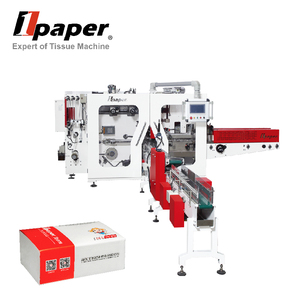
High-Speed Facial Tissue Wrapping & Packing Machine (118 Pcs/Min)
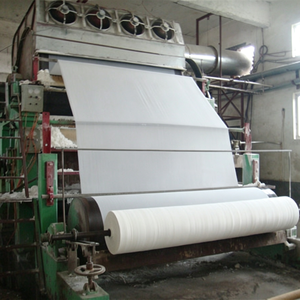
Tissue Paper Making Machine, Waste Paper Recycling Production Line
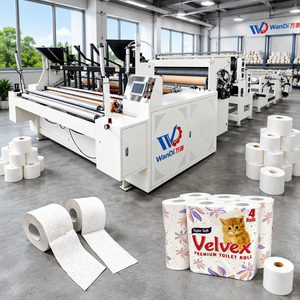
Automatic Tissue Roll Paper Converting Machine & Rewinder Line
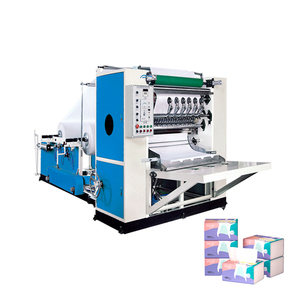
Full Automatic 2 Line Facial Tissue Machine with Box & Bag Packing
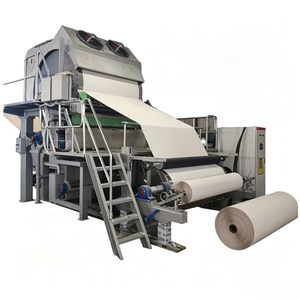
High Speed PLC Tissue Paper Making Machine (60 Tons/Day Capacity)
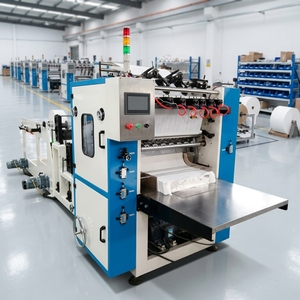
Facial Tissue & Disposable Face Towel Machine Production Line
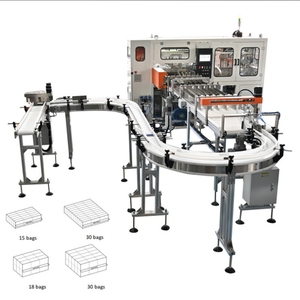
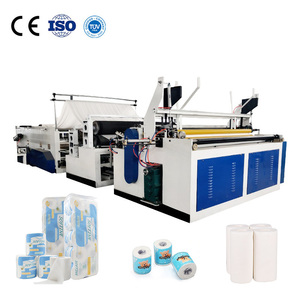
ZD-C25B Full Automatic Toilet Paper & Tissue Converting Line
10+
Years Industry Expertise
4
Continents Supplied
100%
Factory Test-Run Rate
24h
Engineering Support
Industrial Engineering Deep-Dive
High-Speed Printed Napkin Machine Architectural Blueprint
A rigorous examination of kinetic precision, flexographic ink dispersion, and mechanical folding technology.
1. Precision Flexographic Printing Engine
Modern commercial table napkins require crisp branding and uniform ink transfer without compromising paper tensile strength. High-tier napkin manufacturing lines feature 1- to 4-color flexographic printing modules configured directly inline with the raw jumbo roll unwind stand.
Key Feature: Precision ceramic anilox rollers with micro-metering doctor blades ensure micro-thin, fast-drying water-based ink dispersion at speeds exceeding 800 sheets per minute.
By implementing dynamic web tension control sensors prior to ink impression, paper stretching and registration misalignments are virtually eliminated. This guarantees high color consistency, suitable for Quick Service Restaurants (QSRs), luxury hospitality, and private-label retail branding.
2. Calendering & Embossing Mechanics
Embossing serves both structural and aesthetic purposes—enhancing bulk density, absorption speed, and hand-feel softness. Machines utilize Steel-to-Rubber or Steel-to-Steel engraving rollers engineered via high-precision CNC laser engraving.
Information Gain: Heating options inside steel embossing cylinders improve fiber deformation memory, keeping embossing patterns intact even under high humidity storage.
Adjustable pneumatic loading cylinders allow operators to adjust embossing pressure dynamically according to substrate paper weight (13 gsm to 28 gsm single/multi-ply virgin or recycled tissue paper).
Technical Benchmark Matrix: Conventional vs. Next-Gen Printed Napkin Lines
| Engineering Specification | Traditional Mechanical Napkin Machines | Seasia Advanced Servo-Driven Printed Lines | Converter Impact & ROI |
|---|---|---|---|
| Maximum Linear Speed | 200 – 400 pcs/min | 800 – 1,200 pcs/min | +200% Daily Output Expansion |
| Printing Technology | Rubber Rollers, Manual Ink Fountain | Ceramic Anilox + Enclosed Chamber Blade | Zero Ink Splashing, 35% Lower Ink Waste |
| Fold Configuration Tolerance | ± 1.5 mm mechanical drift | ± 0.2 mm via Optical Servo Registration | Flawless Squareness for Auto-Packing Lines |
| Drive Transmission | Chain & Spur Gear System | Independent Multi-Axis Servo Control | 70% Vibration Reduction, Lower Wear |
| Changeover Time (Fold/Size) | 3.5 – 5.0 Hours | 15 – 30 Minutes (Quick-Modular) | Maximum Up-Time for Small Batch Orders |
Factory Authority & Credentials
Why Global Buyers Partner with Seasia Tissue Equipment Co., Ltd.
Headquartered in Zhengzhou High-Tech Zone, Henan, China—combining heavy machinery manufacturing precision with seamless export execution.
Factory Direct Verification & Compliance
Seasia Tissue Equipment Co., Ltd. operates with verified TÜV Rheinland supplier status alongside comprehensive ISO Quality Management Certification. Every napkin, facial tissue, and toilet paper roll machine carries valid CE certification, adhering to strict EU safety directives.
Customized Engineering & Layouts
We do not supply off-the-shelf compromises. Our in-house mechanical and electrical engineering design team configures machine voltage, folding geometry (1/4, 1/6, 1/8, or custom dispenser folds), embossing roll depth, and pneumatic line integrations specifically matched to your local plant layout.
100% Pre-Shipment Trial Run Protocol
To mitigate commissioning risks for overseas importers across Asia, Africa, Europe, and the Americas, every converting line undergoes a mandatory 72-hour stress test using raw parent paper rolls inside our Zhengzhou facility. High-definition operational video and paper cut samples are delivered to the client prior to container loading.
Strategic Procurement Horizon
Future Trends Shaping Printed Napkin & Tissue Machinery Procurement
Crucial market shifts and technological trajectories tissue processing enterprises must align with to secure a long-term competitive edge.
A. Global Sourcing & Procurement Trends
-
✓
Shift Toward High-Efficiency Turnkey Lines: Converters are moving away from standalone napkin folders toward integrated lines that bundle flexo printing, embossing, vacuum folding, log transfer, and automatic flow-wrapping machines to minimize manual handling labor costs.
-
✓
Multi-Grade Substrate Flexibility: As virgin pulp prices fluctuate, machine buyers prioritize equipment that seamlessly handles non-wood bamboo pulps, sugarcane bagasse, and 100% post-consumer recycled tissue without frequent web-breaks or tension jams.
-
✓
Total Cost of Ownership (TCO) Prioritization: Procurement directors evaluate capital equipment based on energy efficiency per ton of converted paper. Low-kW main drive motors combined with regenerative brake drives are becoming standard procurement requirements.
B. Technology & Equipment Development Trends
-
✓
Water-Based Eco-Ink Flexographic Integration: Tightening global environmental regulations demand non-toxic, food-grade water-based printing. Modern machinery incorporates hot-air IR drying chambers between printing stations to ensure zero ink bleeding during high-speed production.
-
✓
AI-Assisted Web Tension & Optical Inspection: Next-generation napkin machinery integrates intelligent sensor arrays that automatically compensate for parent roll eccentricities and trigger quick auto-rejection of misprinted or torn napkins before packaging.
-
✓
Rapid Changeover Modular Embossing Systems: Quick-release bearing blocks allow factories to swap personalized logo embossing cylinders within minutes, catering to short-run customized events and restaurant orders.
Buyer Knowledge Base
Frequently Asked Questions (FAQ) for Machine Procurement
Engineering answers to technical and commercial questions raised by tissue converting plant managers prior to contract execution.
What is the technical difference between 1/4 fold, 1/6 fold, and 1/8 fold napkin machines? +
The fraction designation represents how the raw paper web is folded relative to its unfolded dimensions. A 1/4 fold machine creates a square napkin commonly used in general dining; a 1/6 or 1/8 fold produces rectangular napkins intended for cutlery wrapping or specialized restaurant dispensers. Seasia builds custom folding heads tailored specifically to your target folded dimensions (e.g., 230mm x 230mm, 300mm x 300mm, or 400mm x 400mm unfolded paper size).
Can a single napkin machine handle both single-ply and double-ply tissue paper? +
Yes. Our printed napkin machinery is designed with multi-strand unwind stands featuring micro-adjustment friction brakes. This allows effortless switching between 1-ply (typically 18–28 gsm) and 2-ply (13–18 gsm per ply) jumbo rolls. When switching plies, operators simply adjust the pneumatic embossing pressure control and web tension parameters via the PLC touch screen.
How do you ensure water-based flexographic inks dry properly at 800+ pcs/min speeds? +
High-speed ink drying is achieved through a dual-stage system. First, ceramic anilox rollers deliver an ultra-precise, thin ink film layer onto the paper sheet. Second, an inline electrical or infrared (IR) hot-air blower system is positioned immediately after the printing plate cylinder, curing the water-based ink completely before the paper enters the embossing and folding section.
What raw parent roll width should I order from paper mills to match my napkin line? +
The required parent roll width depends directly on your napkin's unfolded dimension and the number of operational lanes (single lane or double lane). For instance, a 300mm single-lane napkin machine requires a parent roll width of exactly 300mm. A double-lane machine making 300mm napkins will require a 600mm parent roll. Matching parent roll dimensions accurately eliminates edge-slitting scrap waste.
What power voltage options are available for overseas industrial plants? +
All electrical cabinets, motors, frequency inverters, and PLC control systems are custom-wired to match your country's industrial power grid. Standard options include 380V 3-Phase 50Hz (Asia/Europe/Africa), 220V 3-Phase 60Hz (Parts of South America), and 460V/480V 3-Phase 60Hz (North America).
What is the expected lead time and shipping process for a complete napkin production line? +
Standard manufacturing time ranges from 30 to 45 calendar days depending on printing unit options and custom embossing cylinder engraving. Equipment is packed in export-grade moisture-proof wooden crates or secured directly inside 20ft/40ft containers with steel tie-downs. We provide complete factory acceptance video tests (FAT) before dispatch.
How is post-purchase overseas technical installation and spare parts handled? +
We offer both on-site engineer dispatch for turnkey commissioning and comprehensive guided remote video installation support. Crucial wear parts (slitting knives, timing belts, rubber suction cups) are included in an initial spare kit sent with the machine. Long-term replacement parts are shipped via DHL/FedEx express within 48 hours of request.
Ready to Upgrade Your Tissue Converting Plant Capacity?
Connect with our engineering specialists in Zhengzhou today for technical consultancy, customized workshop floorplan design, and instant factory-direct quotations.
Get a Quote