Featured Automatic Tissue Converting Machines
High-speed, precision-engineered tissue paper manufacturing systems designed for continuous industrial output, optimal embossing clarity, and minimal energy consumption.
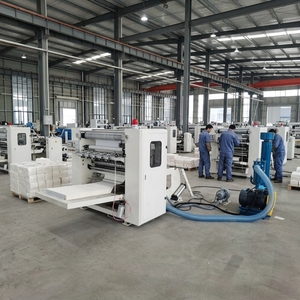
Automatic Tissue Paper Making Machine for Toilet Napkin Facial Tissue Paper Folding Machine Production Line
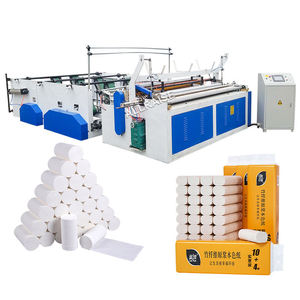
Automatic Toilet Tissue Paper Making Machine Toilet Tissue Roll Rewinding Perforating Production Line Kitchen Towel Machinery
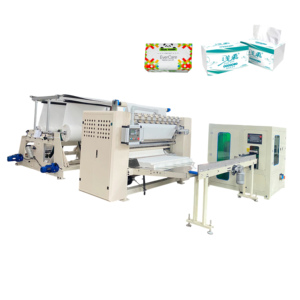
Full Automatic 7 Line Facial Tissue Paper Interfolder Making Machine Line and Facial Tissue Log Saw Cutting Machine
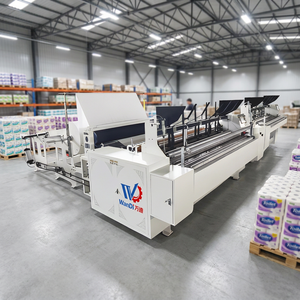
Hot Selling Tissue Paper Converting Machinery Mini Small Full Automatic Toilet Tissue Paper Rewinding Making Machine Price
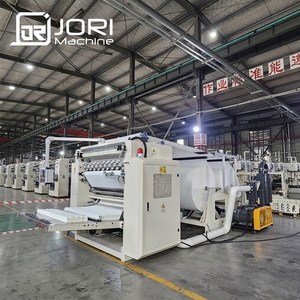
Automatic 6 Lines Facial Tissue Paper Folding Machine 2 Color Box Drawing High Speed Tissue Making Production Line
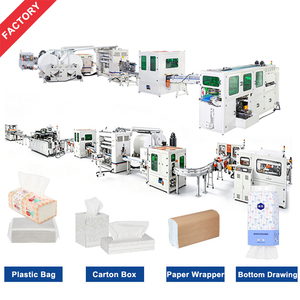
CE Certified High Speed Facial Tissue Machine Line Automatic V Fold Interfold Paper Making Machinery PLC Control
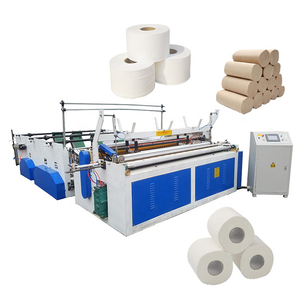
Intelligent Toilet Tissue Paper Manufacturing System with Automated Packaging
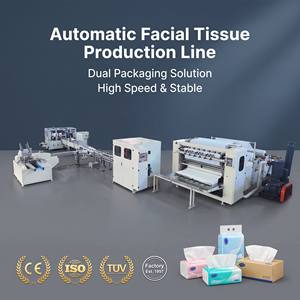
High Speed Facial Tissue Production Line with Motor & Gear Dual Packaging Solution Soft Pack Box Type 60-100m/min Capacity
Industry Whitepaper: Modern Engineering of Fully Automatic Tissue Production Lines
The global tissue converting market is undergoing a structural transition toward high-speed, fully integrated automated production lines. Industrial buyers seeking optimal total cost of ownership (TCO) must evaluate machinery based on mechanical wallboard rigidity, closed-loop servo driving responsiveness, pneumatically controlled web tension, and real-time Overall Equipment Effectiveness (OEE) tracking. Modern automatic tissue converting lines integrate raw jumbo roll unwinding, steel-to-rubber or steel-to-steel embossing, helical blade perforating, multi-lane interfolding or rewinding, precision log saw slitting, and high-speed primary/secondary film packaging.
When configuring a full-line system—whether for toilet tissue rolls, kitchen towels, facial tissue soft packs, or commercial napkins—the alignment between raw material GSM (typically 13 g/m² to 42 g/m² virgin or recycled fibers) and web handling physics determines final roll density, perforation tearability, and ply bond integrity. Leading original equipment manufacturers (OEMs) implement Siemens S7-1500 or Mitsubishi PLC architectures with multi-axis motion controllers to maintain synchronized web speed across variable tension zones, preventing web breakage during high-speed acceleration phases up to 280 m/min.
Core Subsystem Engineering in Tissue Converting Machinery
An industrial automatic tissue production line consists of five synchronized mechanical and electrical modules engineered to run continuously under high mechanical stress:
1. Jumbo Roll Unwinding & Tension Control
Utilizes independent pneumatic flat-belt drive units with dynamic magnetic powder brakes or vector motor feedback. Closed-loop load cell sensors continuously monitor web tension, automatically compensating for jumbo roll diameter reduction to eliminate sheet stretching and web breaks.
2. Embossing & Edge Lamination
Featuring heavy-duty steel-to-rubber or nested steel-to-steel rollers with laser-engraved micro and macro patterns. Pneumatic gap adjustment ensures uniform ply bonding without crushing paper bulk, preserving softness while enhancing absorption capacity.
3. Perforating & Rewinding / Interfolding
Helical perforating knives driven by independent servo motors allow instant digital adjustment of perforation distance (90–180 mm). Rewinding units feature automatic core feeding, pneumatic tail spraying, and precision log transfer.
Engineering Selection Matrix: Toilet Roll Rewinders vs. Facial Tissue Interfolders
Understanding the operational differences between roll converting and interfolded sheet converting is critical when planning workshop layouts and raw material sourcing:
- Web Width Specifications: Standard industrial widths range from 1575 mm (suitable for small-to-medium converting plants) to 1880 mm and 2800 mm (high-capacity multi-line installations matching parent machine width).
- Log Saw Cutting Technology: High-speed servo-driven orbital single or dual-arm log saws achieve cutting speeds up to 180 cuts/minute with automatic blade sharpening, thermal temperature monitoring, and active vacuum dust extraction.
- Interfolding Mechanics: Vacuum-suction folding cylinders (V-fold, N-fold, Z-fold) process up to 10 lines simultaneously, delivering controlled interleaved tissue stacks directly to automated bundling and box-cartoning lines.
Future Procurement & Technology Trends in Tissue Manufacturing
Strategic market insights for tissue paper manufacturers, converting factory directors, and international equipment importers.
1. Full-Line Automation & Smart Diagnostics
Manual log transfer and hand-fed packaging are rapidly being phased out globally. Modern procurement mandates end-to-end integration from jumbo roll loading to robotic palletizing. Remote IoT diagnostic modules enable real-time PLC fault detection and predictive motor bearing maintenance via encrypted cloud interfaces.
2. Eco-Friendly Fibers & Non-Core Processing
With strict global plastics bans and rising fiber costs, tissue production lines must accommodate non-wood pulps (bamboo, sugarcane bagasse, wheat straw) and recycled fibers with varying tensile strengths. Dual-purpose rewinders that switch between core-inserted toilet rolls and solid coreless rolls in under 15 minutes are capturing significant market share.
3. Energy Efficiency & Modular Upgrades
Energy costs account for over 22% of total converting overhead. Modern tissue production machinery incorporates regenerative braking drives, high-efficiency vacuum pumps, and quick-change embossing steel rollers that reduce energy draw per ton of finished paper by up to 18% compared to legacy gear-driven lines.
Why Overseas Buyers Trust Our Manufacturing Excellence
Delivering factory-tested tissue converting machinery with direct technical support, custom electrical engineering, and certified international quality standards.
ISO 9001 & CE Certified Quality Control
Every tissue machine line undergoes multi-stage quality auditing, dynamic balance testing of high-speed rollers, and electrical safety inspection adhering strictly to European CE safety directives and ISO quality management systems.
100% Pre-Shipment Factory Paper Run
We perform full-speed test runs using real paper jumbo rolls in our workshop prior to loading containers. Video documentation, perforation quality checks, and electronic balance reports are delivered directly to the client before dispatch.
Custom Voltage & Local Grid Adaptation
Machinery electrics (motors, PLCs, frequency inverters, heaters) are custom-wired to match your target nation’s industrial grid—including 220V, 380V, 415V, 440V, or 480V at 50Hz or 60Hz single/three-phase configurations.
Global Turnkey Installation & Training Support
Our experienced mechanical and automation engineers provide overseas factory installation, layout CAD floor planning, commissioning, and operator training across Asia, Africa, Europe, the Middle East, and the Americas.
Frequently Asked Questions by B2B Tissue Buyers
Clear, expert engineering answers to assist factory owners, project managers, and procurement officers during project feasibility assessment.
Ready to Build or Expand Your Tissue Converting Factory?
Contact our senior paper machinery engineers today for a tailored technical evaluation, custom factory CAD floor plan design, and factory-direct equipment proposal.