Featured Industrial Paper Converting Equipment
Explore our flagship automated tissue paper rewinding, folding, slitting, and pulp molding equipment built for high OEE and rigorous commercial operation.
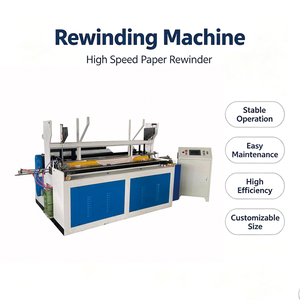
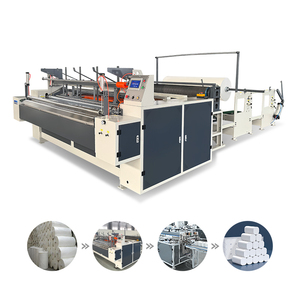
Fully Automatic Small Toilet Tissue Paper Roll Making Machine Production Line
View Details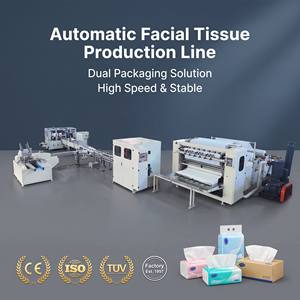
High Speed Facial Tissue Production Line with Motor & Gear Dual Packaging Solution
View Details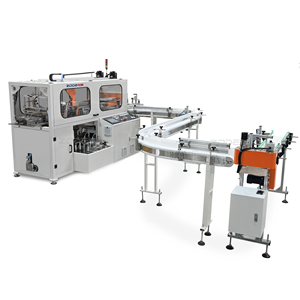
ZD-C25 Industrial Tissue Paper Production Line Complete Converting Set
View Details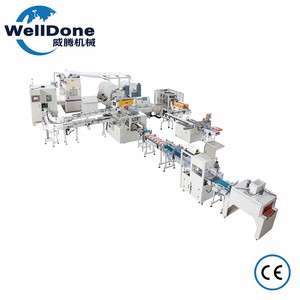
Welldone 10-Lane Soft Tissue Box Draw Full Automatic Converting Line
View Details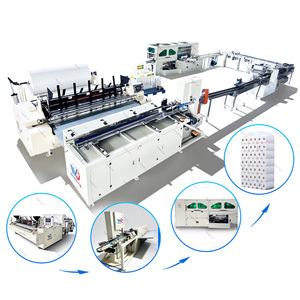
Fully Automatic Toilet & Kitchen Tissue Paper Roll Production Line
View Details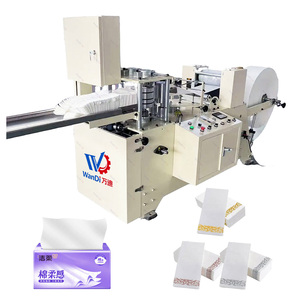
Best Sale Restaurant Table Napkin Paper Making Machine for Small Business
View Details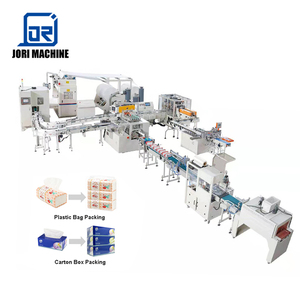
Automatic V-Fold Facial Tissue Hand Towel Processing Production Line
View Details99.2%
Operational Equipment Efficiency
1,200
Sheets/Min Folding Capacity
±0.5mm
Ultra-Precise Cut Tolerance
CE & ISO
Global Safety Compliance
State of the Art in Automatic Napkin Machinery Manufacturing
An authoritative technical analysis on mechanical engineering innovation, servo-driven synchronization, and raw material utilization for modern paper converting plants.
In the rapidly evolving landscape of commercial hygienic paper manufacturing, procurement managers and factory owners face unprecedented pressures. Escalating raw material prices, fluctuating parent roll grammage (GSM), increasing labor costs, and stringent market requirements for customized branding have transformed the acquisition of tissue converting machinery from a simple capital expenditure into a critical strategic decision. Modern high-speed napkin machines are no longer standalone mechanical folder frames; they are fully integrated, multi-servo synchronized industrial systems engineered for continuous 24/7 uptime.
Engineering Gain Insight: Transitioning from traditional mechanical shaft-driven napkin folders to full-servo electronic motion control reduces mechanical vibration wear by 65%, eliminates gear backlash, and increases parent roll web tension control precision to within ±0.2 Newtons. This directly minimizes paper snapping, allowing factories to process virgin, recycled, or bamboo pulp jumbo rolls at speeds exceeding 1,000 sheets per minute per lane.
1. Technical Paradigm Shifts in Automatic Napkin Machine Design
The traditional paper napkin folding machinery relied heavily on mechanical cams, complex gearboxes, and manual tension adjustments. These systems, while lower in initial capital cost, introduced severe bottlenecks in high-volume production facilities. Current engineering standards established by top-tier original equipment manufacturers (OEMs) prioritize four foundational technological vectors:
Servo-Driven Synchronization
Independent servo motors drive the unwinding stand, steel-to-rubber or steel-to-steel embossing unit, flexographic printing station, and folding head. PLC closed-loop control guarantees zero phase shift during high-speed acceleration and deceleration cycles.
Precision Embossing & Calendering
Advanced micro-embossing and point-to-point embossing units enhance paper bulk, absorption capacity, and hand-feel softness without compromising tensile strength. CNC-machined hardened steel rollers maintain uniform pressure distribution across the entire web width.
Inline Flexo Color Printing
Integrated 1-color to 4-color flexographic printing modules utilize water-based food-grade inks. Infrared or hot-air drying stations ensure instantaneous ink setting prior to paper folding, preventing smudging and web contamination.
2. Strategic Procurement Trends Shaping the Next Decade
When evaluating napkin machine manufacturers and global machinery exporters, industrial buyers must align their procurement strategies with long-term macroeconomic and technological trajectories. Key industry intelligence signals three dominant purchasing patterns:
- Demand for Modular Line Flexibility: Modern paper converting factories avoid single-purpose fixed machinery. Suppliers must offer modular converting lines that can be expanded with automated packaging units, bundle wrap stations, or log-saw cutters with minimal downtime.
- Transition to Eco-Friendly & Variable Pulp Substrates: Market shifts toward sustainable packaging have led converters to use virgin wood pulp, sugarcane bagasse, recycled paper, and unbleached bamboo fibers. Equipment must handle wide GSM variations (typically 13g/m² to 28g/m² per ply) without tearing or jam-ups.
- Automated In-line Quality Control & Defect Detection: High-end napkin manufacturing units now integrate optical web inspection sensors that automatically detect paper holes, ink splatters, or folding misalignment, auto-rejecting non-compliant finished packs before final wrapping.
- Turnkey Factory Layout and Utility Integration: Overseas buyers increasingly prefer turn-key procurement contracts, requesting customized floor layouts, compressed air piping schematics, vacuum suction duct design, and matching industrial steam boilers directly from the primary supplier.
3. Technical Benchmarks & Machinery Performance Matrix
To assist industrial engineering teams in selecting the exact machinery configuration, the following comparative engineering matrix outlines key technical metrics across common automatic napkin and tissue machine configurations:
| Machine Category / Model Type | Folding Specification | Production Speed (Pcs/Min) | Parent Roll Max Width | Total Power Requirement | Optimal Paper GSM Range |
|---|---|---|---|---|---|
| Standard 1/4 Fold Napkin Machine | 1/4 Square Fold (230-400mm) | 600 – 1,000 pcs/min | 230mm – 400mm | 4.5 kW – 7.5 kW | 14 – 22 g/m² (1-2 Ply) |
| Custom 1/6 & 1/8 Dispensary Napkin Line | 1/6 or 1/8 Rectangular Fold | 500 – 800 pcs/min | 300mm – 420mm | 5.5 kW – 11 kW | 13 – 20 g/m² (1-2 Ply) |
| Multi-Lane High-Speed Facial Tissue Line | V-Fold / Interfolded Draw Type | 1,200 – 2,500 sheets/min | 1,000mm – 2,100mm | 15 kW – 35 kW | 13 – 18 g/m² (2-3 Ply) |
| Automatic Toilet Tissue Rewinder (1880) | Perforated & Rewound Roll Log | 180 – 220 meters/min | 1,880mm (Parent Roll) | 11 kW – 22 kW | 13 – 30 g/m² (1-3 Ply) |
4. Manufacturing Rigor: Why Partner with Seasia Tissue Equipment Co., Ltd.
As a leading enterprise in the paper machinery sector located in Zhengzhou, Henan, China, Seasia Tissue Equipment Co., Ltd. stands as a premier manufacturer and global exporter of tissue converting, pulp molding, and paper processing machinery. Our complete product ecosystem encompasses automatic toilet paper rewinding machines, napkins folding machines, multi-lane facial tissue lines, pulp molding egg tray units, paper cup forming machinery, slitting rewinders, and auxiliary industrial steam boilers.
Engineering Customization
We do not mass-produce generic equipment. Every machine is tailored to match the client's local parent roll specifications, voltage requirements (220V/380V/415V/440V, 50/60Hz), embossing laser-engraved steel artwork, and specific packaging styles.
Rigorous Factory Testing Protocols
Before container loading, every napkin machine and toilet paper production line undergoes an intensive 72-hour continuous test-run using actual tissue parent rolls. Video recordings and live remote video audits are provided to clients prior to dispatch.
Certified Overseas Field Support
Backed by ISO quality management compliance, CE machinery safety certifications, and TÜV audited manufacturing facilities, our field service engineers provide on-site overseas installation, layout planning, commissioning, and operator training.
Ready to scale your hygienic paper production? Download our updated technical brochure and machine specifications:
Get Catalog5. Procurement FAQ & Operational Troubleshooting
Detailed technical answers to common queries raised by international equipment buyers during feasibility analysis and purchasing negotiations.
Q1: Which napkin machine folding specification (1/4 vs 1/6 vs 1/8 fold) yields the highest market return?
Answer: The ideal folding format depends on your target distribution channels. 1/4 square fold napkins (unfolded 230x230mm to 400x400mm) dominate retail supermarket packs, catering, and fine-dining establishments due to their clean display area for custom logo embossing. 1/6 and 1/8 rectangular folds are engineered primarily for fast-food chains, hotel breakfast dispensers, and takeaway outlets. For maximum commercial ROI, selecting a machine with interchangeable folding board modules allows your factory to switch between fold types as client contracts evolve.
Q2: How does raw tissue paper GSM affect napkin folding accuracy and edge cutting cleaniness?
Answer: Lower GSM paper (13-15 g/m² single ply) requires ultra-precise pneumatic web tension control and vacuum suction assistance at the folding head to prevent fluff buildup and sheet tearing. Higher GSM or multi-ply sheets (18-24 g/m² 2-ply) require heavier pressure on the calendering and embossing rollers to maintain crisp fold creases. Seasia napkin machines incorporate fine-tuning micro-metric adjustment dials on shear-cut rotary blades and tungsten-steel slitting knives, maintaining precise ±0.5mm dimensional cuts regardless of tissue basis weight.
Q3: Should I invest in steel-to-rubber or steel-to-steel embossing rollers for commercial napkin production?
Answer: Steel-to-rubber embossing systems are cost-effective, versatile, and ideal for standard restaurant napkins, delivering excellent bulk restoration and soft texture. Steel-to-steel embossing rollers, manufactured via precision CNC laser engraving, are recommended for high-end decorative napkins, heavy 2-ply/3-ply tissue, or custom-branded corporate napkins. Steel-to-steel rollers produce sharper pattern definition, superior ply bonding without glue, and have a longer operational lifespan under continuous industrial production.
Q4: What are the primary maintenance schedules required to prevent machine downtime?
Answer: Routine preventive maintenance includes:
1) Daily: Air-blowing paper dust from the folding head, vacuum ports, and optical sensors;
2) Weekly: Checking tension belts, lubricating main drive bearings, and inspecting slitting blade sharpness;
3) Monthly: Inspecting servo motor couplings, checking flexographic ink pump seals, and checking electrical panel cooling systems. All Seasia machines feature centralized automatic lubrication ports to simplify grease distribution.
Q5: What electrical and plant infrastructure preparations are necessary prior to delivery?
Answer: Buyers should prepare:
1) A level concrete foundation floor capable of supporting 3-8 tons of static load;
2) Stable three-phase electrical power supply configured to match the ordered machine voltage;
3) An industrial air compressor delivering 0.6-0.8 MPa compressed air with an inline air dryer;
4) Sufficient aisle clearance for forklift handling during uncrating and positioning. Seasia provides comprehensive CAD factory layout drawings prior to machine shipment.
Request Complete Machinery Catalog & Plant Layout Proposals
Partner with an audited, CE-certified paper machinery manufacturer. Contact our engineering desk today to receive customized floor plans, ROI projections, and factory-direct pricing for napkin, facial tissue, and toilet paper production lines.
Get Catalog