High-Efficiency Tissue & Napkin Production Systems
Factory-tested, CE & ISO certified machinery lines engineered for maximum uptime and precise paper conversion.
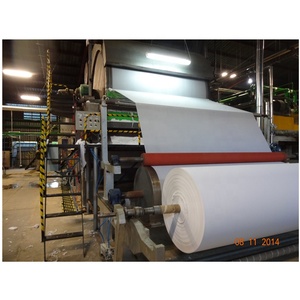
Toilet Tissue Paper Making Machine Automatic Production Line
Fully integrated industrial processing line featuring pneumatic log lifting, automatic embossing, and synchronized cutting modules.
View Details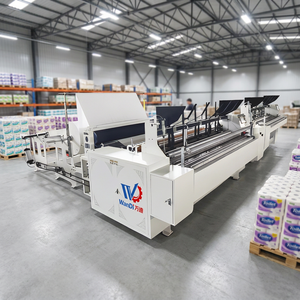
Automatic Toilet Tissue Paper Rewinding & Converting Line
High-speed mini rewinding converting unit designed for continuous perforated roll manufacturing with automated web tensioning.
View Details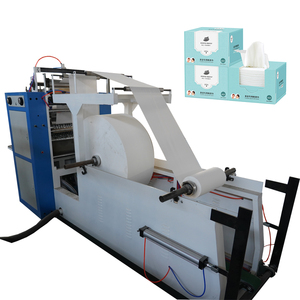
PLC-Controlled High Efficiency Facial Tissue Machine
Dual-voltage (380V/220V) compact manufacturing plant utilizing precision gear transmission and PLC-driven interlocking folding.
View Details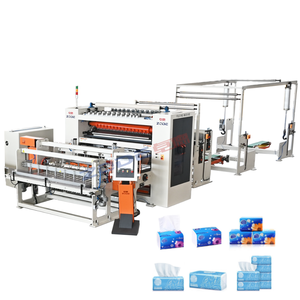
ZODE V7L Fully Automatic Facial Tissue Line
Heavy-duty industrial tissue folder featuring high-speed vacuum suction technology and continuous high-yield sheet drawing.
View Details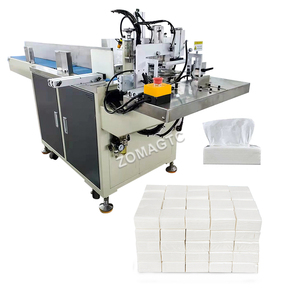
Semi-Automatic Tissue Cutting, Folding & Packing System
Versatile multi-functional paper converting assembly suited for custom tissue sizes, napkin wrapping, and flexible batch output.
View Details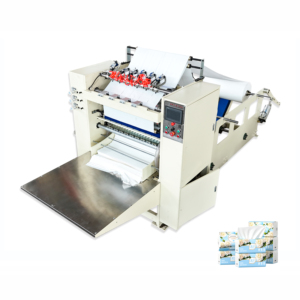
Automatic 3-Lane Facial Tissue Drawing & Folding Unit
High-output multi-lane folder engineered for simultaneous V-fold tissue conversion with automated sheet counting functions.
View Details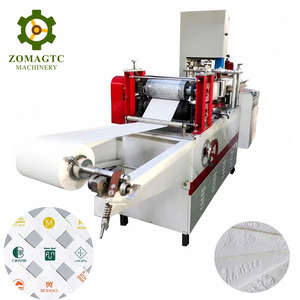
Automatic 2-Color Printing & Embossing Napkin Folder
Precision flexo-printing and steel-to-wool embossing machine designed for branded restaurant, café, and hotel serviettes.
View Details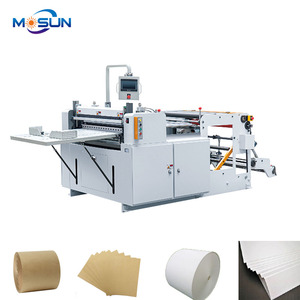
MSHQJ-1100B PLC Precision Napkin & Tissue Cutting Machine
Heavy-duty motorized log saw cutter delivering ultra-clean finished edges, low paper dust generation, and high-speed cycle rates.
View DetailsSeasia Tissue Equipment Co., Ltd.: Pioneering Advanced Paper Converting Machinery
In the rapidly evolving paper converting industry, selecting reliable Automatic Napkin Folding Machine Factories & Exporters is a crucial decision for tissue converters, commercial paper processors, and facility packaging suppliers globally. Operating out of the High-tech Industrial Development Zone in Zhengzhou, Henan, China, Seasia Tissue Equipment Co., Ltd. has established itself as an engineering benchmark in paper converting technology.
Our enterprise specializes in designing, manufacturing, and deploying end-to-end tissue production systems—ranging from high-speed serviette folding machines and multi-lane facial tissue folding lines to 1575/1880 toilet tissue rewinding lines, pulp molding egg tray systems, and paper cup machinery. Every machine engineered under our quality management framework holds formal CE and ISO certifications and undergoes rigorous third-party auditing by TÜV Rheinland.
Future Procurement Trends in Automatic Napkin Machinery (2025–2030)
Key technological and market shifts driving capital equipment expenditures for paper converters worldwide.
1. Full Servo-Driven Modular Architecture
The procurement landscape is moving away from mechanical gear-and-chain transmissions toward full multi-axis electronic servo control. Modern buyers demand independent servo drives for web feeding, embossing, folding, and slitting. This architecture reduces mechanical wear by 40%, enables push-button format changes, and eliminates paper tearing caused by backlash.
2. Inline Multi-Color Flexographic Printing
Commercial paper napkin buyers in the HORECA (Hotel, Restaurant, Catering) sector increasingly demand custom branding. Procurement strategies now prioritize napkin folding machines with integrated 1 to 4-color flexographic printing modules featuring water-based, eco-friendly inks, doctor blade metering, and immediate infrared web drying.
3. Processing Sustainable & Eco-Friendly Pulps
With global sustainability mandates restricting single-use plastics, consumer demand has shifted toward 100% virgin bamboo pulp, unbleached sugarcane bagasse, and recycled fibers. Machinery must now handle varying tensile strengths and GSM weights (13 gsm to 28 gsm) without requiring manual recalibration of the folding vacuum.
4. IoT Remote Diagnostics & Predictive Maintenance
International machinery procurement now emphasizes digital integration. Modern automatic napkin folding machines feature PLC units equipped with Ethernet/Wi-Fi communication modules. Engineers can perform remote diagnostics, update software algorithms, and monitor real-time OEE (Overall Equipment Effectiveness) metrics across continents.
5. High-Speed Automated Bundling & Packaging Integration
Standalone folding units are rapidly being replaced by fully automated napkin processing suites. Converters require direct mechanical or conveyor coupling between the folding head, automatic band-saw cutting units, and automatic film-wrapping or bagging machines to minimize labor reliance.
Mechanical Folding vs. High-Speed Vacuum Air-Suction Technology
Understanding the engineering shift from traditional mechanical claw folders to modern vacuum suction systems.
The historical development of napkin folding machinery spans decades of innovation. Traditional entry-level machines relied on mechanical tucking blades and mechanical claws to fold paper sheets into 1/4 (square) or 1/6 (dispenser) configurations. While cost-effective for micro-workshops, these mechanical systems face operational speed limits and higher maintenance overhead due to component wear.
| Technical Parameter | Traditional Mechanical Folding Machine | Modern Vacuum Suction Automatic Line |
|---|---|---|
| Maximum Operating Speed | 400 – 600 sheets/min per lane | 800 – 1200+ sheets/min per lane |
| Folding Mechanism | Mechanical tucking blade & cam claws | Vacuum suction cylinder & airflow control |
| Paper GSM Compatibility | Limited range (18–24 gsm standard) | Wide range (13–28 gsm, recycled, bamboo, virgin) |
| Embossing Options | Steel-to-paper roller (Basic pattern) | Steel-to-steel / Steel-to-wool micro-embossing |
| Noise Level & Maintenance | Higher noise (>85 dB), frequent greasing | Low noise (<75 dB), sealed oil-bath gearbox |
| Printing Integration | Optional basic single-color rubber stereo | Precision 1-4 color flexographic inline unit |
Modern high-speed automatic napkin folding machines utilize a specialized vacuum pump air system to draw tissue paper onto rotating folding drums. This friction-free, contactless vacuum handling eliminates pinhole damage, preserves tissue bulkiness, and allows processing speeds exceeding 1,000 sheets per minute with precise line alignment.
Engineering Advantages of Seasia Tissue Equipment
Customized machinery built to meet your specific raw material, voltage, and market needs.
Customized Folding & Embossing Rollers
We manufacture custom-engraved steel-to-steel and steel-to-rubber embossing rollers tailored to your branding needs. Choose from micro-embossing, edge-border engraving, or custom corporate logos.
Voltage & Electrical Adaptability
Our electrical cabinets are custom-wired to match your local power infrastructure—whether your facility operates on 380V 3-Phase 50Hz, 220V 3-Phase 60Hz, or 415V industrial grids—using premium Schneider and Siemens components.
Global On-Site & Remote Commissioning
We provide complete factory installation support. Our senior engineers offer on-site setup, operational training, and video-assisted commissioning, as demonstrated in our successful line installations across Asia, Africa, Europe, and the Americas.
Frequently Asked Questions by Industrial Paper Converters
Clear engineering answers to guide your equipment selection and purchasing decisions.
What is the difference between 1/4 fold, 1/6 fold, and 1/8 fold napkin folding machines?
How do I match jumbo paper roll specifications to the machine width?
What maintenance is required for flexographic color printing modules on napkin folders?
Can one napkin machine fold multiple different product sizes?
What is the typical lead time and shipping process for an overseas machinery order?
Request Your Custom Machinery Proposal & Line Layout Design
Share your target output, raw paper specs, and workshop dimensions. Our application engineers will return a detailed machine recommendation, electrical layout drawing, and competitive FOB/CIF quotation within 24 hours.