Flagship Paper Converting Machinery & Equipment
Precision-engineered, factory-tested, and custom-configured converting machinery designed for high-speed napkin production, facial tissue folding, and pulp molding operations.
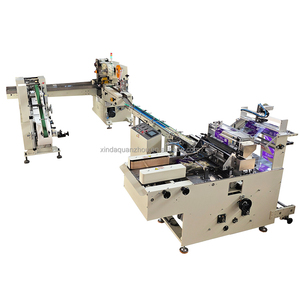
Automatic Mini Pocket Facial Tissue & Handkerchief Paper Production Line with PLC Motor Engine-500pcs/min
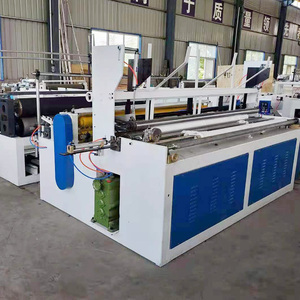
Industrial Toilet Paper Making Machine Tissue Production Line Equipment
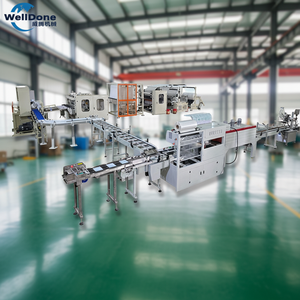
Welldone Turnkey Toilet Roll Making Machine Solution | Tissue Paper Factory Setup Equipment
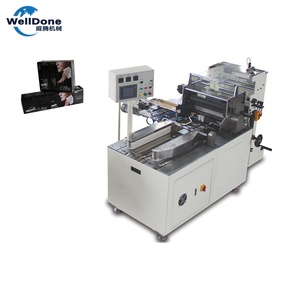
Welldone Portable Tissue Making Unit Sanitized Tissue Machine Low Noise Bamboo Paper Converting OEM Handkerchief Machine
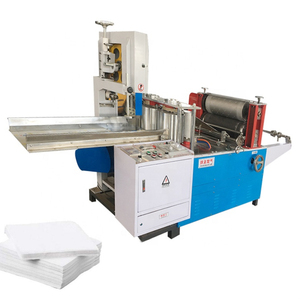
Fully automatic small tissue paper machine, tissue folding and embossing machine
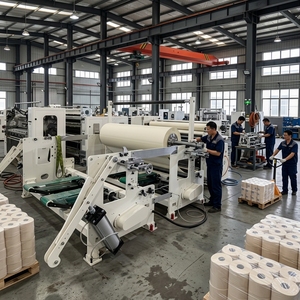
Full Automatic Toilet Paper Roll Making Machine Complete Tissue Production Line with Automatic Rewinding and Winding System
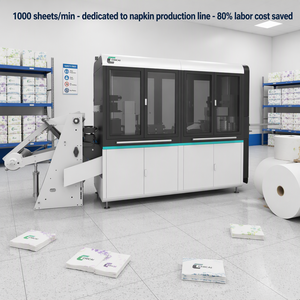
CHICAI Zero Plate Cost Short Run Digital Napkin Printing Machine High ROI Automatic Tissue Paper Converter for Small Business
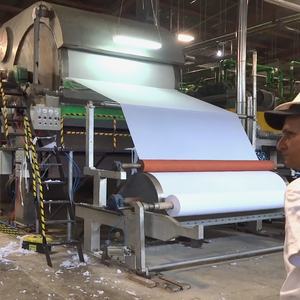
Jumbo Roll Toilet Tissue Napkin Paper Making Machine Produce by Wooden/Waste Paper Paper Product Machinery
Enterprise Direct Factory Manufacturing Capabilities
Seasia Tissue Equipment Co., Ltd. operating out of Zhengzhou, Henan, represents China's apex engineering standard in pulp molding and tissue paper converting machinery.
Authoritative Enterprise Infrastructure & Core Competitive Strengths
Why leading paper converters, commercial napkin manufacturers, and regional distributors partner with Seasia Equipment Co., Ltd.
Navigating the complex landscape of paper napkin machinery procurement requires more than simply evaluating machinery purchase costs. Industrial buyers demand engineering accuracy, consistent mechanical durability, and uninterrupted spare parts supply chains. Operating out of the High-tech Zone in Zhengzhou, Henan, Seasia Tissue Equipment Co., Ltd. has solidified its position as a premiere OEM/ODM manufacturer specializing in tissue paper converting, pulp molding egg tray equipment, and paper cup production systems.
In-House Milling & Machining
Unlike trading intermediaries, we execute all core roller fabrication, steel-to-rubber embossing cylinder carving, and frame welding inside our standardized workshop. This ensures strict physical tolerances down to ±0.02mm across high-speed folding shafts.
ISO9001, CE & TÜV Audited
Our factory credentials include ISO Quality Management certification alongside official European Union CE compliance for napkin converting and toilet tissue rewinding lines. TÜV Rheinland third-party audit reports confirm our structural integrity and export readiness.
Real-Paper Pre-Shipment FAT
Every paper napkin machine undergoes rigorous Factory Acceptance Testing (FAT) using real parent rolls matching the buyer's exact GSM, ply count, and wood pulp characteristics. High-definition HD operational video logs are archived and delivered prior to final container loading.
Custom Electrical & Voltage Configuration
Global factory power standards vary significantly. We custom-configure electric motors, frequency adjusters, and PLC touch panels (Siemens, Delta, Schneider) to operate seamlessly under localized voltage environments—including 220V 3-Phase, 380V 3-Phase, 415V, and 440V configurations at 50Hz or 60Hz.
Proven Overseas Turnkey Deployment
From delivering 12-unit full container loads (FCL) of table napkin converting machines to India, to installing multi-line facial tissue equipment in Thailand and pulp molding egg tray systems in Mali and Kenya, our field engineering support extends across Asia, Africa, Europe, and the Americas.
Technology & Technological Development Trends in Paper Napkin Machinery
An engineering deep-dive into high-speed folding mechanics, zero-plate digital flexographic printing, pneumatic tension control, and automated inline packaging integration.
The commercial tissue paper converting industry is undergoing a radical transition driven by rising labor costs, volatile raw material prices, and heightened consumer demand for premium tactile aesthetics. Modern paper napkin making machines have evolved far beyond elementary mechanical cam-driven folders into multi-axis servo-driven, PLC-monitored automated systems.
1. Full Servo-Driven Vacuum Suction Folding Systems
Traditional mechanical claw folding mechanisms suffer from paper dust accumulation, high wear-and-tear, and output speed limitations capped around 1,500 to 2,000 napkins per minute. Modern high-capacity napkin lines utilize vacuum suction folding drums coupled with independent servo motors. By creating precise negative pressure zones along the perforated cylinder, parent rolls running at speeds exceeding 600 meters/min can be folded cleanly into 1/4, 1/6, or 1/8 configurations without tearing edge fibers or creating static jamming.
2. Zero-Plate Digital Printing and In-Line Flexographic Integration
With the exponential growth of custom-branded napkins for hotel chains, quick-service restaurants (QSR), and luxury event catering, napkin converters require short-run versatility. Technological advancements now allow integration of inline flexographic printing modules and zero-plate cost digital printing engines directly into the napkin converting line. Water-based food-grade inks are applied directly to the primary paper sheet prior to the embossing phase, ensuring instant curing without bleeding through 13-18 GSM virgin wood pulp sheets.
3. High-Precision Embossing Cylinder Engineering
Embossing serves both structural and aesthetic functions: it bonds multi-ply sheets (2-ply or 3-ply) together through fiber mechanical interlocking while enhancing sheet bulk, softness, and liquid absorption capacity. Advanced converting factories utilize CNC laser-engraved steel-to-rubber or steel-to-steel embossing rollers. Micro-embossing patterns paired with border embossing cylinders provide exceptional dimensional stability, preventing sheet delamination during high-speed packaging.
4. Smart PLC Controls and Pneumatic Tension Calibration
Maintaining constant web tension is paramount when converting delicate paper stock ranging from 13 GSM to 25 GSM. Modern tissue machines integrate closed-loop magnetic powder tension controllers combined with pneumatic lifting un-winding stands. The PLC central brain continuously recalculates unwinding speed as parent roll diameters decrease, eliminating web breaks and ensuring consistent fold accuracy within a ±0.5mm margin.
Global Procurement & Market Outlook Trends (2025–2030)
Key strategic insights for B2B buyers, paper mill investors, and tissue converters preparing for the next decade of commercial tissue demand.
Shift Toward Non-Wood Raw Materials
Environmental regulations and forest conservation mandates are pushing paper converters worldwide to adopt bamboo pulp, sugarcane bagasse, and recycled agricultural residue fibers. Equipment buyers are increasingly procuring napkin machines equipped with specialized web-guiding sensors and anti-abrasion steel rollers engineered specifically to handle the shorter fiber lengths and higher dust indices of non-wood pulps.
Turnkey Inline Packaging Automation
Procuring standalone napkin folders is rapidly being replaced by buying complete turnkey production lines. B2B buyers now request fully integrated systems: parent roll unwinding → multi-color flexo printing → micro/border embossing → vacuum folding → rotary saw slitting → automatic counting & transferring → automatic flow wrapping / bagging machine. Eliminating manual handling reduces contamination risks and lowers factory labor overhead by up to 70%.
Demand for Modular & Upgradeable Machine Architecture
Commercial converters facing shifting client demands are eschewing rigid, single-purpose machinery. Modern procurement favors modular machinery foundations that allow retroactive installation of additional printing units, secondary embossing stands, or automatic transfer units without requiring a complete line replacement.
Comprehensive B2B Paper Napkin Machine Procurement FAQ
Direct technical answers to critical questions asked by plant managers, procurement officers, and business owners prior to placing an order.
Ready to Scale Your Paper Napkin Manufacturing Business?
Consult with Seasia Equipment's engineering team today. Get a customized machine proposal, workshop layout design, and factory-direct wholesale quote tailored to your local paper market.
Contact Us