High-Performance Tissue & Napkin Machinery Solutions
Factory-direct converting lines engineered for optimal OEE, high-speed output, and rigorous export compliance.
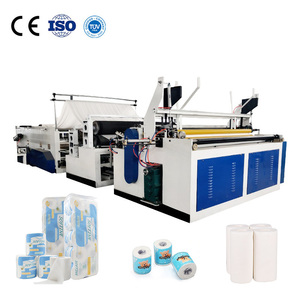
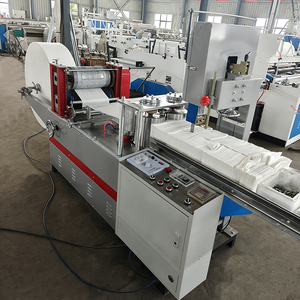
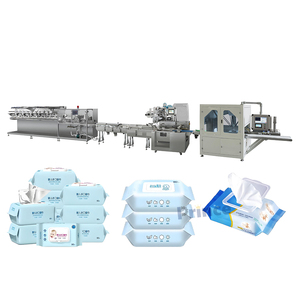
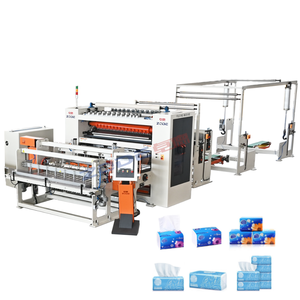
1. B2B Selection Matrix: Navigating China's Top Napkin Packaging & Converting Exporters
In the rapidly evolving global tissue paper processing sector, sourcing automated machinery from a leading China Napkin Packaging Machine Exporter requires a thorough technical evaluation of machine kinematics, electrical integration, and operational efficiency (OEE). High-speed table napkin folding and packaging lines operate at the intersection of mechanical precision and sensor-driven automation. For commercial converters catering to HORECA (Hotel, Restaurant, Catering) and retail markets, machine selection dictates long-term unit margins, waste ratios, and packaging presentation.
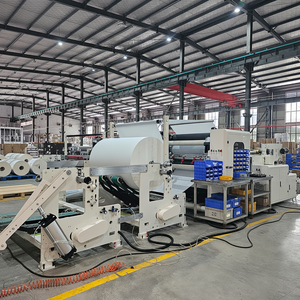
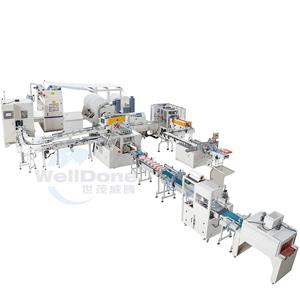
Modern napkin converting equipment encompasses several synchronized sub-systems: jumbo roll unwinding stands with pneumatic tension control, flexographic or gravure color printing units, steel-to-rubber or steel-to-paper embossing rollers, high-precision vacuum-assisted folding tables, automatic counting counters, and integrated film wrapping or boxing units. Choosing the optimal machine configuration depends heavily on target tissue grammage (typically 13–22 gsm per ply), target output speeds (from 1,500 to 4,000 sheets per minute), and desired package formats (single-tier, double-tier, or multi-pack overwrapping).
Technical Benchmarking & System Performance Matrix
Below is an engineering comparison matrix designed to guide tissue converting facility managers, procurement directors, and plant engineers in evaluating equipment categories exported by top Chinese manufacturers like Seasia Tissue Equipment Co., Ltd.:
| Equipment Category | Optimal Speed / Output | Control Architecture | Embossing & Printing | Primary Application |
|---|---|---|---|---|
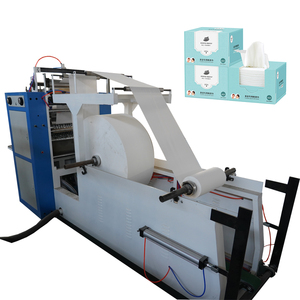
| 1/4 & 1/6 Fold Napkin Machine | 1,800 – 3,200 pcs/min | Siemens / Delta PLC + Servo Drive | Steel-to-Rubber, 1–4 Color Flexo | Commercial Dining, Fast Food Outlets |
| High-Speed Facial Tissue Line | 800 – 1,200 logs/min | Multi-axis Motion Servo System | Point-to-Point / Nested Emboss | Box & Soft-Pack Retail Tissue |
| Automatic Toilet Roll Rewinder | 200 – 300 m/min log speed | Pneumatic Log Saw + PLC HMI | Decurl, Perforate, Edge Emboss | Consumer Toilet Paper Rolls |
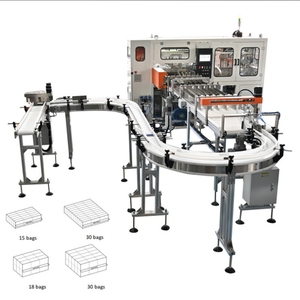
| Automatic Napkin Bundling & Packaging | 30 – 80 packs/min | Optical Sensor + Thermal Seal | PE / CPP / Biodegradable Film | Retail Packaging & HORECA Bulk Packs |
When evaluating top Chinese exporters, buyers must ensure that machine framing utilizes heavy-duty cast iron or reinforced structural steel plates (minimum 20mm-25mm thickness). Structural rigidity minimizes high-frequency operational vibration at elevated linear speeds, safeguarding the longevity of precision embossing rollers and rotary cutting knives.
2. Engineering Authority & Manufacturing Excellence: Seasia Tissue Equipment Co., Ltd.
As an established leader among China Napkin Packaging Machine Exporters, Seasia Tissue Equipment Co., Ltd. (headquartered in Zhengzhou, Henan, China) operates a vertically integrated research, engineering, and manufacturing facility. Adhering strictly to Google's E-E-A-T (Experience, Expertise, Authoritativeness, and Trustworthiness) criteria, our organizational track record is anchored in transparent technical documentation, international compliance certifications, and hands-on field experience across four continents.
Our manufacturing philosophy prioritizes modular design. By isolating the printing, embossing, folding, and packaging modules, client plants can upgrade individual machine components—such as installing an inline automatic bundling unit or adding a second color printing flexo station—without replacing the foundational converting chassis.
3. Strategic Industry Forecast: Global Napkin Sourcing & Packaging Trends (2025–2030)
As global sustainability mandates tighten and labor costs rise across emerging and developed markets alike, purchasing directors evaluating napkin packaging equipment must anticipate several macro-level industrial transitions. Procurement decisions made today must withstand regulatory shifts and technological obsolescence over a 10-to-15-year operational lifecycle.
A. Sustainable & Eco-Friendly Packaging Film Transition
Single-use plastic reduction policies are reshaping the tissue packaging landscape. Leading European and North American markets are actively phasing out conventional Polyethylene (PE) overwrapping in favor of recyclable CPP (Cast Polypropylene), bio-based PLA films, and paper-wrapped bundles. Modern napkin packaging machines must features precise heat-sealing bar temperature controllers (PID-regulated within ±1°C) and modified tension feeding belts capable of handling thinner, heat-sensitive eco-films without tearing or seal burnout.
B. Smart Factory IoT Telemetry & OEE Analytics
Industrial Internet of Things (IoT) connectivity is transitioning from a luxury add-on to a standard operational requirement. Forward-thinking China napkin packaging exporters are equipping PLC systems with OPC-UA protocols, cloud-connected remote diagnostics, and real-time OEE dashboards. Plant supervisors can monitor paper web break frequency, motor current spikes, hourly package counts, and predictive maintenance alerts directly via mobile or ERP interfaces, reducing unscheduled downtime by up to 35%.
C. Fully Automated Robotic End-of-Line Integration
The bottleneck in modern tissue converting plants has shifted from napkin folding to manual case packing and palletizing. Future-proof procurement demands seamless interface synchronization between individual napkin wrappers, automatic bundle stackers, case packers, and robotic arm palletizers. Opting for converting machinery equipped with standard digital I/O handshakes simplifies downstream automation integration as production scales.
4. Machinery Engineering Trends: Next-Generation Napkin Packaging Innovations
In response to consumer demand for premium embossed patterns, multi-ply softness, and distinctive brand packaging, napkin machinery design is undergoing significant mechanical and electronic evolutions. Understanding these engineering trends allows B2B buyers to select equipment that offers maximum market adaptability.
1. Multi-Axis Direct-Drive Servo Technology
Legacy napkin folding and wrapping machines relied heavily on complex mechanical gearboxes, line shafts, and chains. Modern high-speed designs utilize independent multi-axis servo drives (e.g., servo unwinding, servo folding, servo pushers, and servo film cutters). Eliminating mechanical drive chains dramatically reduces acoustic noise levels (below 75 dB), eliminates gear backlash errors, and enables instant digital format changeovers via HMI touchscreen presets.
2. Advanced Flexographic Printing & UV Curing Units
Branded napkins represent a major revenue driver for commercial dining chains. Modern napkin machinery incorporates inline 1-color to 4-color flexographic printing stations featuring ceramic anilox rollers and doctor blade ink chamber systems. These systems ensure uniform ink transfer at linear speeds exceeding 300 meters per minute while preventing ink bleed on soft, absorbent tissue stock.
3. High-Precision Optical Registration & Defect Ejection
To maintain zero-defect delivery standards, top-tier packaging machines utilize high-speed optical vision sensors. The system continuously scans for napkin print misalignment, incorrect fold geometry, or damaged film seals. Defective units are automatically blown out via pneumatic ejector nozzles without stopping the primary production line, ensuring 100% compliant output to the final boxing station.
5. Comprehensive B2B Procurement FAQ (Frequently Asked Questions)
Direct answers to technical, commercial, and logistical inquiries commonly raised by international tissue paper manufacturers during technical negotiations:
Ready to Optimize Your Tissue Processing Infrastructure?
Consult directly with Seasia Tissue Equipment's senior engineering team. Receive customized line layouts, official ROI analysis, and comprehensive machinery specifications tailored to your target regional market.