Featured Tissue Converting & Napkin Folding Equipment
Factory-tested, CE & ISO certified machinery designed for high-speed automated production with minimum downtime.
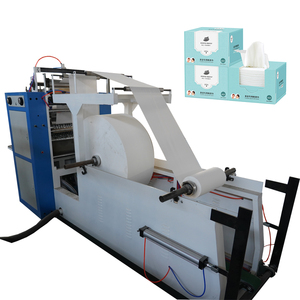
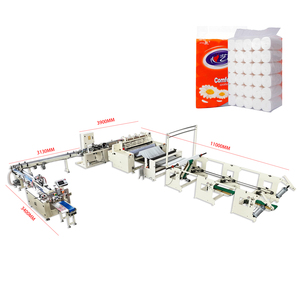
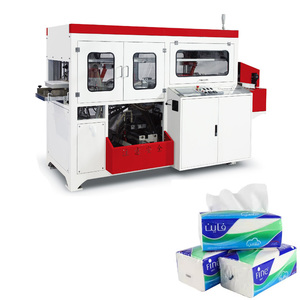
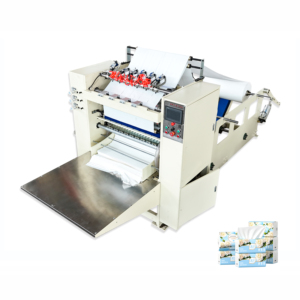
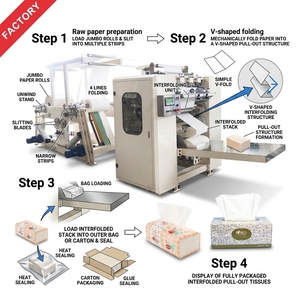
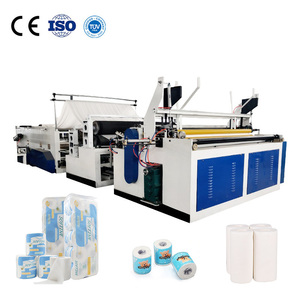
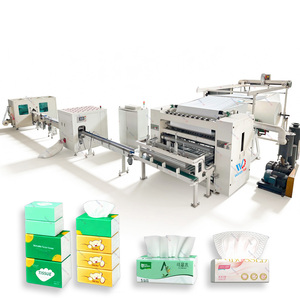
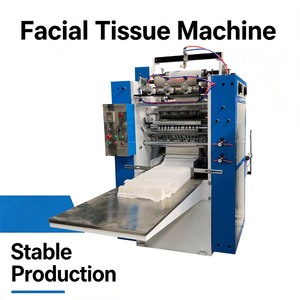
Industrial Engineering Excellence in Napkin Folding Machinery
An In-Depth Whitepaper on Mechanical Synchronization, Custom Embossing, and Operational Economics for Global Converters.
In the highly competitive commercial tissue processing sector, acquiring reliable, automated converting machinery is the cornerstone of operational profitability. As a premier original equipment manufacturer based in Henan, China, Seasia Tissue Equipment Co., Ltd. specializes in delivering end-to-end tissue paper converting solutions, spanning high-speed table napkin folding machines, automatic facial tissue production lines, toilet roll rewinding systems, pulp molding egg tray equipment, and paper cup machinery.
Modern napkin folding machinery must bridge the gap between high-speed mechanical output and delicate material handling. Paper substrates range from lightweight 13 gsm virgin pulp to heavy-duty 28 gsm recycled fibers. Maintaining continuous tension control while executing precise 1/4 fold, 1/6 fold, 1/8 fold, or custom cocktail napkin geometry requires state-of-the-art mechanical design and electrical integration.
Core Engineering Features of Seasia Napkin Machinery:
- Precision Rotary Folding Cylinders: Engineered with ground alloy steel and dynamic balance testing to eliminate vibration at operating speeds exceeding 800–1200 sheets per minute.
- Pneumatic & Mechanical Counting Units: Integrated vacuum suction systems and electronic sensor counters ensure accurate stack discharge, reducing manual counting labor by 100%.
- Steel-to-Rubber & Steel-to-Steel Embossing: CNC-engraved steel embossing rollers paired with imported rubber or wool-paper rollers create crisp, uniform texture, enhanced bulk, and superior tactile softness.
- Flexographic Color Printing Integration: Synchronized 1 to 4-color flexographic printing modules utilizing water-based eco-friendly inks, offering spot-on registration for restaurant and hotel branding.
Why Global Paper Converters Choose Seasia Equipment
Built by certified engineers in Zhengzhou, China, backed by verified international delivery records and rigorous factory testing.
Customized Engineering & Electrical Specs
Every market operates under unique parameters. We customize machine motor voltage (380V 3-Phase, 220V Single/3-Phase, 415V), grid frequency (50Hz/60Hz), unfolding sheet dimensions, edge trimming margins, and core sizes to match your local jumbo roll supply directly.
Strict Pre-Shipment Trial Run Testing
We never ship an untested machine. Every napkin folding machine, facial tissue folder, and toilet roll line undergoes an intensive 72-hour trial run using actual raw paper stock in our Zhengzhou workshop. Clients receive full HD operational videos and sample inspection sheets before container loading.
Global Delivery & On-Site Installation
With successful machinery installations spanning India (FCL shipments of 12 napkin machines), Poland (1880 tissue lines), Thailand (multi-line facial tissue machines), Kenya, and Mali, our field technicians provide complete layout design, overseas commissioning, and lifelong technical assistance.
Future Sourcing & Development Trends in Tissue Machinery
Navigating the next decade of paper converting technology: Automation, Sustainability, and Intelligent Servo Control.
1. Transition from Mechanical Gear Drives to Multi-Axis Servo Motor Control
Traditional tissue converting machinery relied heavily on complex gear trains and chain drives, which suffered from mechanical backlash, high noise, and frequent friction wear over time. Sourcing trends indicate a massive shift toward full multi-axis servo synchronization. Servo-driven napkin folding machines allow digital control over folding timing, web tension, and log cut lengths via an intuitive PLC touch panel. This drastically shortens product changeover times from hours to minutes and reduces maintenance downtime by up to 65%.
2. Eco-Friendly Paper Substrates & Non-Wood Fiber Adaptation
Global environmental regulations and shifting consumer preferences are driving paper mills to incorporate non-wood fibers, such as bamboo pulp, sugarcane bagasse, and high-percentage recycled kraft paper. Future napkin folding machines must be engineered with adaptable web tension regulators and specialized feeding rollers to handle variable tensile strengths without tearing or causing paper jam misfeeds.
3. Integrated Downstream Automation (Folding to Banding & Flow-Wrapping)
Modern tissue converting plants are moving away from standalone folding units toward completely integrated production lines. A primary trend in global equipment procurement is the sourcing of modular systems where the napkin folder is directly linked via automatic transfer belts to single-bagging machines, bundle wrappers, or case packers. This minimizes human touch, complies with food-grade hygiene standards (HACCP), and drastically reduces operating labor cost per unit.
Frequently Asked Questions (Sourcing & Engineering FAQ)
Critical answers to technical, commercial, and operational questions for overseas machine buyers.
Ready to Upgrade Your Tissue Converting Plant?
Contact our senior machinery engineers today for a complete line catalog, customized factory floor layout design, and competitive export quotation.