High-Performance Converting Equipment Showcase
Explore our export-grade tissue converting equipment, engineered for high yield, operational stability, and minimal downtime.
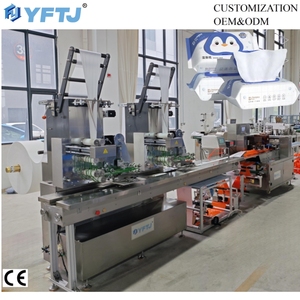
5-30pcs/pack Restaurant Napkin Tissue Paper Making Machine Multi Pieces Baby Wipes Making Machine Wet Wipes Making Machines
Versatile multi-piece wet wipe & restaurant napkin folding line equipped with automatic liquid dosing, slitting, and high-precision packaging integration.
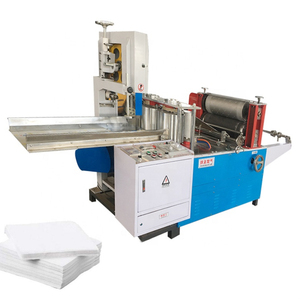
Fully automatic small tissue paper machine, tissue folding and embossing machine
Compact high-speed folder designed for small to medium converting workshops featuring steel-to-rubber embossing rollers and precision counting system.
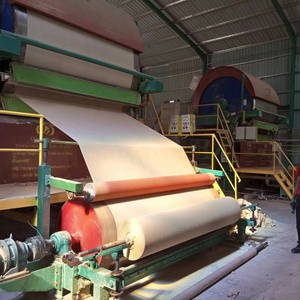
Maquina Para Fabricar Papel Higienico Tisu Con Sistema Industrial De Pulpa De Bambu
Heavy-duty toilet paper rewinding machine specifically engineered to handle eco-friendly bamboo pulp jumbo rolls without tearing or fiber degradation.
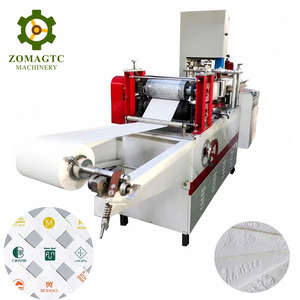
Automatic Serviette Tissue Folding Two Color Printing Embossing Restaurant Hotel Cafe Disposable Paper Napkin Making Machine
Integrated flexographic two-color printing and serviette napkin folding unit tailored for high-end hospitality, restaurant, and branded retail supply.
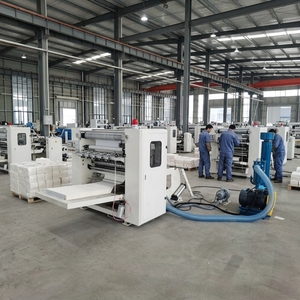
Automatic Tissue Paper Making Machine for Toilet Napkin Facial Tissue Paper Folding Machine Production Line
Full turnkey automated converting plant combining parent roll slitting, multi-lane folding, log cutting, and automated poly-wrapping modules.
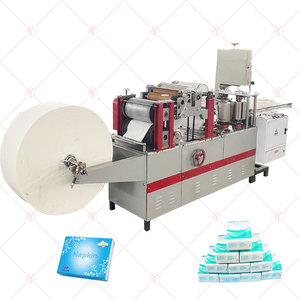
Customized Logo Napkin Tissue Paper Production Line Machine 1/4 Fold Napkin Tissue Paper Making Machine
Precision 1/4 square fold napkin production unit with custom logo steel embossing cylinders and electronic automatic counter stacking.
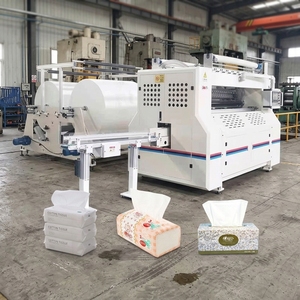
Factory Direct Automatic Paper Napkin Machine Tissue Napkin Production Line for Small Business
Cost-effective startup converting line engineered for high operating simplicity, low maintenance costs, and rapid ROI for commercial tissue ventures.
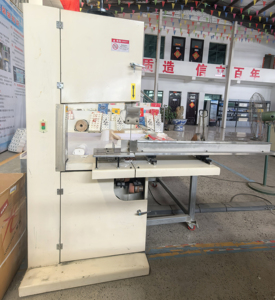
Semi-automatic Manual Small Toilet Paper Roll Tissue Paper Rolling Band Saw Cutting Machine Equipment Fast Response
High-precision band saw log cutting unit providing crisp, clean edge slitting for paper rolls with manual or pneumatic feeder assist.
Executive Summary: Navigating Global Tissue Paper Machinery Procurement
The global tissue paper product market is experiencing unprecedented structural shifts driven by escalating hygienic tissue consumption, green eco-pulp transitions, and strict automated manufacturing requirements. According to international tissue converting benchmarks, procuring modern tissue paper machinery is no longer simply about acquiring mechanical hardware; it requires evaluating operational total cost of ownership (TCO), fiber versatility, power consumption per converted ton, and real-time maintenance responsiveness.
This whitepaper acts as a comprehensive procurement guide for corporate buyers, plant engineers, and tissue converters looking for qualified manufacturing partners across Asia, Europe, and the Americas. By analyzing technical parameters—such as jumbo roll width alignment, pneumatic tension control, variable speed frequency regulation, and custom embossing technology—procurement teams can eliminate expensive line mismatches and maximize production throughput.
Evaluation Framework: How We Ranked the Top 10 Suppliers & Exporters
To establish a reliable engineering benchmark, manufacturers and global exporters are evaluated across five critical performance metrics established by industry experts:
1. Operational TCO & Energy Efficiency
Evaluating energy consumption (kWh per ton of finished product), mechanical vibration damping, and wear-and-tear resistance of cutting blades and embossing rollers.
2. Automation & PLC Integration
Assessing touch-screen HMI interfaces, automatic web tension control, sensor-based paper break detection, and remote diagnostic capabilities for zero-downtime troubleshooting.
3. Raw Material Fiber Versatility
The ability of un-unwinding stands and rewinding mandrels to process diverse GSM weights (13 gsm to 45 gsm) made from virgin wood pulp, bamboo pulp, bagasse, and recycled fiber.
Comparative Benchmark: Top 10 Global Tissue Machinery Supplier Profile
The following technical matrix outlines key operational distinctions between leading tier-1 tissue equipment suppliers globally and specialized original equipment manufacturers (OEMs):
| Evaluation Parameter | Tier-1 European Brands | Seasia Tissue Equipment Co. | Standard Market Competitors |
|---|---|---|---|
| Parent Roll Capacity | 1880mm – 2800mm | 1575mm / 1880mm / Custom | 1300mm – 1575mm |
| Pre-Shipment Testing Protocol | Dry mechanical test | 100% Real Paper Pre-Run Video Audit | Basic dry motor check |
| Embossing System Options | Steel-to-Steel / Point-to-Point | Steel-to-Rubber / Steel-to-Steel Custom Logo | Fixed generic pattern |
| Volt & Electrical Adaptation | Fixed European standard | Full Global Voltage Customization (220V–480V) | Requires external transformer |
| Line Layout & Engineering Design | Paid consultancy | Free Plant CAD & Flow Layout Design | Standard template only |
| Delivery Lead Time | 6 to 9 Months | 30 to 45 Days (Fast-Track Options) | 60 to 90 Days |
Future Procurement & Technological Trends (2025–2030 Horizon)
As tissue product manufacturing evolves, purchasing directors must align capital expenditure with several critical industry developments:
1. Bamboo and Non-Wood Fiber Adaptation
With global supply chains prioritizing sustainable forestry, bamboo pulp and bagasse (sugarcane residue) are rapidly displacing traditional softwoods. Bamboo pulp fibers possess different tensile strengths and surface friction coefficients. Modern toilet paper rewinding machines and facial tissue folding units must feature dynamic magnetic powder tension systems to prevent web snap during high-speed rewinding.
2. Servo-Driven Multi-Lane Folding Architecture
Legacy mechanical gear-driven napkin and facial tissue machines are being phased out in favor of multi-axis servo motor configurations. Independent servo drives allow operators to change folding dimensions, cut lengths, and embossing pressure digitally via HMI screens without changing mechanical gears, reducing format changeover times from 4 hours down to under 15 minutes.
3. Eco-Friendly Pulp Molding & Closed-Loop Recycling Integration
Leading converting facilities are integrating waste paper recycling egg tray machines and edge-trim repulping systems directly alongside tissue converting lines. Trim waste generated during log saw cutting is immediately redirected into pulp molders to produce egg cartons, eco-friendly industrial packaging, or protective corner blocks, creating a zero-waste manufacturing facility.
Total Cost of Ownership (TCO) & ROI Calculation Model
Calculating return on investment for an automated 1880 tissue paper rewinding and cutting line requires analyzing both CapEx (Capital Expenditure) and OpEx (Operational Expenditure):
Formula for Daily Yield Calculation:
Daily Output (kg) = Line Speed (m/min) × Parent Roll Width (m) × Basis Weight (gsm) × Operating Hours × Efficiency Index (%)
By upgrading from a manual band saw cutter to an automatic high-speed log saw with electronic sharpening sensors, converters boost plant productivity by up to 35% while extending blade life cycles by 250%, substantially improving overall operational margins.
Enterprise Advantage: Why Partner with Seasia Tissue Equipment Co., Ltd.?
Headquartered in the High-Tech Zone of Zhengzhou, Henan, Seasia Tissue Equipment Co., Ltd. stands out among global tissue machinery exporters. Operating as both an engineering designer and direct equipment manufacturer, Seasia offers comprehensive converting solutions that combine precise mechanical engineering with dedicated global support services.
In-House Precision Manufacturing
Every structural frame, embossing roller, and folding arm is machined in-house under strict ISO 9001 quality protocols, ensuring high structural rigidity and vibration-free operating speeds.
100% Factory Pre-Run Testing
Prior to container loading, every machine is loaded with actual jumbo rolls or paper raw material in our factory and tested at full speed. Clients receive full HD video audits verifying operating performance.
Turnkey Global Installation
From complete plant CAD layout design to on-site commissioning and overseas operator training, Seasia engineers ensure fast startup times across Asia, Africa, Europe, and the Americas.
Frequently Asked Questions (FAQ) for B2B Procurement Managers
Which toilet paper rewinding machine width should I choose, 1575 or 1880?
Can the machines be built for my local voltage and paper specifications?
Do you provide installation and training outside China?
Can I visit the factory before ordering?
How do embossing rollers affect finished tissue softness and bulk?
What is the average lead time for a complete tissue converting line?
Ready to Optimize Your Tissue Converting Line?
Speak with our senior engineering team to receive a tailored equipment recommendation, custom line layout drawing, and competitive factory-direct price quotation.
Contact Us