SMALL BIZ
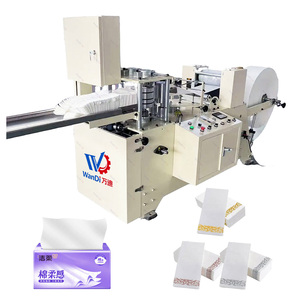
Explore our factory-tested industrial machinery engineered for high efficiency, operational stability, and custom production specifications.
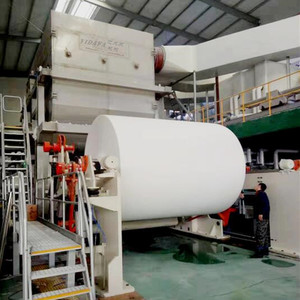
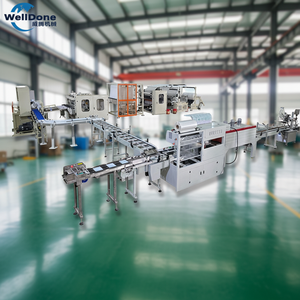
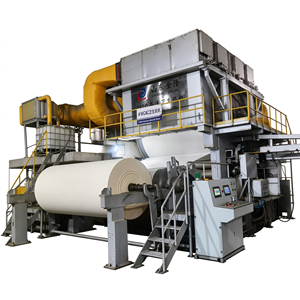
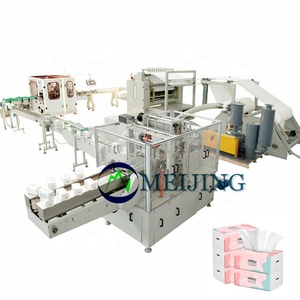
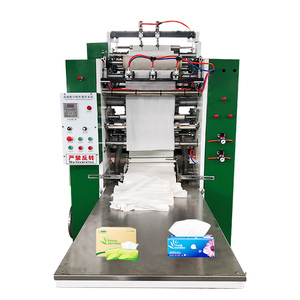
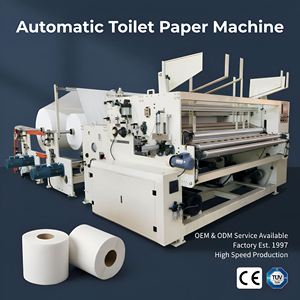
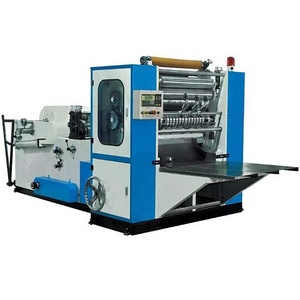
Headquartered in the High-tech Zone of Zhengzhou, Henan Province, Seasia Tissue Equipment Co., Ltd. stands as a premier Original Equipment Manufacturer (OEM) and Original Design Manufacturer (ODM) specializing in advanced paper converting machinery, pulp molding systems, and automated packaging infrastructure.
Our engineering philosophy centers on structural rigidity, precision tension synchronization, and operational adaptability. Unlike conventional equipment assembly workshops, Seasia integrates in-house mechanical fabrication with advanced Delta and Siemens PLC automation suites, ensuring every production line delivers minimal paper breakages, tight log rewinding density, and precise embossing definition.
We bridging the gap between raw jumbo roll converting and finished retail paper product delivery with proprietary mechanical engineering:
Detailed performance parameters for key tissue paper converting and pulp molding machinery lines engineered by Seasia Equipment Co., Ltd.
| Machine Model / Category | Working Width (mm) | Production Speed | Raw Material Compatibility | Control & Driving System | Target Output Product |
|---|---|---|---|---|---|
| 1575 Automatic Toilet Paper Rewinder | 1750 mm (Jumbo Roll ≤1575mm) | 180 – 220 m/min | Virgin Wood Pulp, Bamboo Pulp, Mixed Pulp | Delta PLC, Touch Screen, Inverter Drive | Bathroom Toilet Rolls (Core & Coreless) |
| 1880 High-Speed Rewinding Line | 2150 mm (Jumbo Roll ≤1880mm) | 200 – 240 m/min | Virgin Pulp, Recycled Paper Stock | Siemens/Delta PLC, Gearbox Synchronized | Commercial & Household Toilet Rolls |
| V-Fold 3/4 Line Facial Tissue Folder | 420 – 840 mm (Multi-lane) | 800 – 1200 sheets/min/lane | 13 – 18 gsm Facial Tissue Stock | Vacuum Suction, Independent Servo Control | Box & Soft-Pack Facial Tissues |
| 1/4 & 1/6 Fold Napkin Tissue Machine | 230 – 400 mm (Customized) | 600 – 1000 pcs/min | 14 – 22 gsm Tissue Paper | Steel-to-Border Embossing, Color Unit Optional | Restaurant & Hotel Table Napkins |
| Automatic Pulp Molding Egg Tray Machine | 1x3 to 4x8 Mould Matrices | 1000 – 6000 pcs/hr | Waste Paper, Old Corrugated Cartons (OCC) | Pneumatic Reciprocating / Rotary Drive | 30-Cell Egg Trays, Lidded Egg Cartons |
Providing specialized engineering solutions tailored to regional paper markets, factory floor constraints, and raw material availability.
We craft custom steel-to-steel and steel-to-rubber embossing rollers featuring localized geometric patterns, company brand logos, and micro-perforations to enhance tissue volume and tactile softness.
Our engineering team delivers 2D and 3D CAD factory floor blueprints, optimizing raw material intake, pneumatic air line routing, electrical drop points, and finished product packaging flow.
Whether utilizing 100% virgin wood pulp, eco-friendly bamboo fiber, sugar cane bagasse, or recycled de-inked paper, our machine drive ratios are fine-tuned to maintain high tensile stability.
An executive analysis of technological shifts, sustainable materials, and operational automation driving the global paper converting machinery sector.
Global tissue paper procurement is witnessing a rapid transition away from pure virgin wood pulp toward sustainable non-wood fibers, predominantly bamboo pulp and bagasse (sugarcane residue). Bamboo fibers possess longer tensile structures, offering high tear resistance while requiring less chemical cooking.
From an equipment perspective, converting alternative fibers demands variable tension control systems. OEM suppliers like Seasia integrate frequency-controlled unwind stands to prevent paper web snapping during high-speed rewinding.
Rising labor expenditures across Europe, North America, and Southeast Asia have accelerated demand for end-to-end continuous lines. Modern tissue manufacturing facilities no longer deploy standalone rewinders or manual cutters. Instead, current procurement strategies focus on:
In pulp molding and egg tray manufacturing, thermal energy consumed during moisture evaporation accounts for up to 60% of total operational expenditure (OPEX). Procurement trends heavily favor multi-layer metal drying channels equipped with heat recirculation hoods.
By capturing exhaust thermal energy to preheat incoming combustion air, modern plants achieve fuel savings of 18% to 25% compared to traditional single-layer brick drying tunnels.
When selecting tissue machinery, evaluate Total Cost of Ownership (TCO) rather than initial Capital Expenditure (CAPEX). Machines equipped with premium energy-saving motors (IE3 efficiency rating) and dynamic tension sensors reduce scrap paper waste by up to 4.5% annually.
A transparent, structured engineering lifecycle ensuring seamless machine customization, factory acceptance, and international delivery.
Definition of target paper product, jumbo roll dimensions, sheet layer counts (1-ply, 2-ply, 3-ply), desired daily output capacity, and local workshop electrical standards.
Seasia engineers draft customized CAD line schematics, gear drive ratios, embossing pattern proofs, and pulp molding die drawings for formal client validation.
CNC machining of steel rollers, dynamic balancing of rewinding shafts, frame stress-relieving, and custom PLC software development tailored to localized operator languages.
The completed machinery line is loaded with paper stock in our Zhengzhou workshop. Live operational videos, log density tests, and speed runs are performed for customer sign-off.
Anti-rust oil treatment, moisture-proof vacuum wrapping, secure wooden crating, and container loading supervision to guarantee safe transit via sea freight.
On-site engineer deployment or interactive remote video guidance for line installation, air pressure calibration, maintenance training, and spare part supply.
Clear, authoritative answers regarding technical specifications, factory customization, electrical compliance, and international shipping logistics.
The numerical designation (1575 vs 1880) represents the maximum raw material jumbo paper roll width in millimeters accepted by the unwind stand. Choosing between these models depends directly on your local jumbo roll supplier's capabilities:
To avoid excessive edge trimming waste, select the machine width that directly matches the standard parent roll width produced by paper mills in your target geographic region.
Yes, absolutely. All electrical panels, main drive motors, frequency inverters (VFDs), and PLC control units are engineered to match your factory's exact power grid specification. Common configurations include 380V/3-Phase/50Hz, 415V/3-Phase/50Hz, 220V/3-Phase/60Hz, and 480V/3-Phase/60Hz. Voltage requirements are confirmed during technical drawing approval prior to manufacturing.
The primary distinctions involve manual labor interaction, line integration speed, and packaging automation:
Embossing patterns are engraved onto heavy-duty steel rollers utilizing CNC laser engraving techniques. We offer custom designs including full-surface micro-embossing, border embossing, and branded logo integration. Depending on the desired tissue softness and volume, buyers can choose between Steel-to-Rubber rollers (standard cost, soft feel) or Steel-to-Steel rollers (crisper design definition, extended roller operational lifespan).
Seasia pulp molding systems are designed to recycle a wide spectrum of low-cost waste paper stocks, including old corrugated cartons (OCC), post-consumer newsprint, office waste paper, discarded magazines, and paper mill trimmings. The process involves hydraulic pulping, mechanical refining, vacuum forming, and continuous thermal drying to convert low-value waste into high-strength 30-cell egg trays, lidded egg cartons, fruit trays, and industrial cup carriers.
Yes. Every production line is test-run with real paper stock in our factory prior to shipping, and comprehensive video documentation is provided. For global installation, we offer two paths:
Overseas clients, technical consultants, and procurement managers are warmly welcomed to visit our manufacturing facilities in Zhengzhou, Henan, China. You can inspect raw material steel quality, observe CNC roller machining, watch operational trial runs on active production lines, and verify our ISO/CE certifications firsthand.
Consult with Seasia senior machinery engineers today. Receive technical specifications, factory floor CAD layouts, and direct factory pricing within 24 hours.