Industrial Manufacturing Excellence & Semantic Scope
A Technical Procurement Guide for Commercial Converts, Contract Packaging Operators, and Paper Mill Importers
Technical Whitepaper Context & Information Gain
In the modern tissue converting industry, procuring a facial tissue making line requires evaluating mechanical torque tolerances, pneumatic pressure equilibrium, embossing roll depth fidelity (measured in microns), and fiber-structure deformation dynamics. As a premier Chinese manufacturer headquartered in Zhengzhou, Henan, Seasia Tissue Equipment Co., Ltd. engineered this whitepaper to provide actionable technical benchmarking for global B2B buyers seeking optimized OEM/ODM converting machinery.
Engineered Converting & Embossing Equipment Portfolio
Select from our high-performance line of facial tissue making, folding, cutting, and packaging machines configured for export.
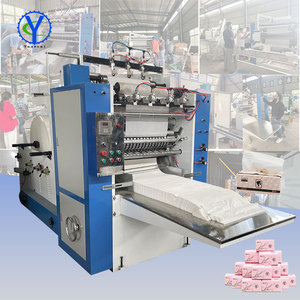
Customized Logo Tissue Paper Making Machine Facial Tissue Paper Production Line Machines
Precision steel-to-rubber or steel-to-steel logo embossing roller setup with high-speed pneumatic interfolding units.
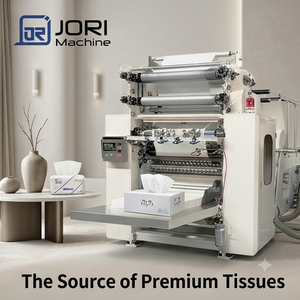
Full Automatic Facial Tissue Manufacture Machine Small Roll Napkin Tissue Toilet Paper Making Machine Price
Multi-functional flexible converting system supporting multi-ply facial tissue, napkin folding, and small roll rewinding.

Custom Pink Christmas Tissue Paper with Printed Flower Logo for Gift Wrapping & Packaging Shredded Flowers Machine Made Wrap
Specialty flexographic color printing and micro-embossing production equipment for premium gift tissue wrapping.
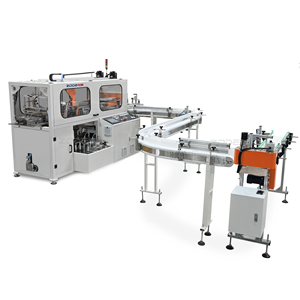
ZD-C25 Tissue Paper Production Line Tissue Paper Production Line Manufacturers Tissue Paper Production Line
Heavy-duty industrial ZD-C25 series fully automatic production line integrated with magnetic powder tension unwind stands.
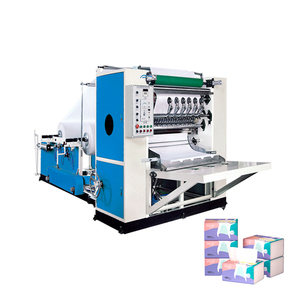
Full Automatic 2 Line Facial Tissue Paper Machine Production Line with Box and Plastic Bag Packing Machine
Continuous dual-channel converting setup linking V-fold tissue interfold units directly with box cartoning and poly-bag bundling.
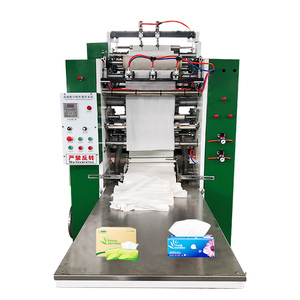
Young Bamboo v Fold 3 Line Facial Tissue Machine with Log Saw Cutting Machine and Packing Machine
Optimized for high-tensile 100% bamboo pulp or virgin wood pulp converting with dynamic log saw slit cutters.
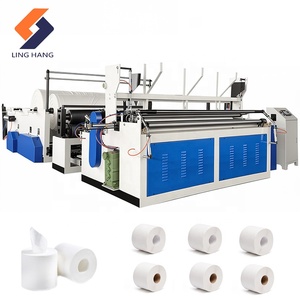
Semi-automatic and Fully Automatic Toilet Paper Machines Are Set up Economically Based on Production Capacity
Modular scalable plant architecture designed for emerging market startups and regional converting expansions.
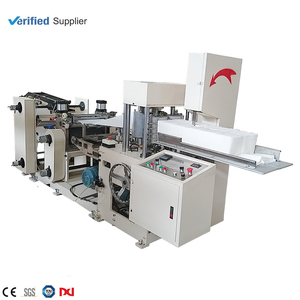
Tissue Making Machine Paper Manufacturing Machine
Industrial paper web converting, slitting, and re-winding parent roll processing machinery engineered for heavy continuous duty.
1. Engineering Architecture of Facial Tissue Embossing Systems
Facial tissue converting requires transforming large-diameter paper parent rolls (jumbo rolls ranging from 13 GSM to 22 GSM multi-ply) into individual, folded, tactilely pleasant, and structural-sound sheets. The embossing module serves a dual purpose: aesthetic brand differentiation and mechanical ply bonding. Without effective embossing or edge laminating, two-ply or three-ply tissue layers separate during extraction from the box or soft pack, ruining user experience.
At Seasia Tissue Equipment Co., Ltd., our OEM/ODM custom engineering focuses on three primary embossing roll configurations:
Steel-to-Rubber Embossing
Comprising a laser-engraved hardened alloy steel roller (surface hardness HRC 58-62) working against an imported 80-90 Shore A rubber roller. Ideal for soft, fluffy facial tissues requiring high bulk retention without fracturing delicate virgin wood pulp fibers.
Steel-to-Steel Embossing
Utilizes dual matched CNC-carved steel cylinders featuring microscopic male-female male gear alignment. Delivers ultra-sharp pattern definition, 3D deep relief textures, and structural stiffness essential for specialized boxed facial tissues and decorative napkin products.
Point-to-Point (P2P) & Glue Laminating
P2P micro-embossing creates micro-projections on both plies. An integrated flexographic glue applicator applies micro-dots of water-based adhesive to the pin points, generating air cushions between plies to increase absorption capacity by up to 35%.
Technical Specifications Matrix: Standard vs. Custom OEM/ODM Lines
When procuring equipment, mechanical engineers evaluate speed, web width, and energy consumption parameters against local production costs:
| Engineering Specification | Standard Entry Line (2-Line V-Fold) | High-Speed Industrial Line (4-6 Line) | Turnkey OEM/ODM Custom Flagship |
|---|---|---|---|
| Raw Material Jumbo Width | 420 mm – 600 mm | 840 mm – 1260 mm | 1400 mm – 2100 mm (Tailored) |
| Converting Speed (Sheets/min) | 800 – 1200 sheets/min | 2500 – 4000 sheets/min | 5000+ sheets/min (Servo Continuous) |
| Folding Format | V-Fold (Interfolded) | V-Fold / N-Fold / Z-Fold | Multi-Fold Switchable (PLC Auto-Adjust) |
| Embossing Pressure System | Mechanical Screw Regulation | Pneumatic Cylinder Balanced | Hydraulic Proportional Servo Control |
| Unwind Tension Control | Manual Mechanical Friction | Magnetic Powder Automatic Tension | Full Servo Motor Closed-Loop Sensor |
| Installed Electrical Power | 5.5 kW – 7.5 kW | 15 kW – 22 kW | 35 kW – 55 kW (3-Phase Adaptive) |
2. Global Industry Development Trends in Tissue Machinery (2025–2030)
The global tissue converting market is undergoing structural shifts driven by raw material price volatility, sustainability mandates, and factory automation requirements. Procurement officers must align capital expenditure (CAPEX) with these four macro industry trends:
A. Unbleached Non-Wood Fiber Adaptation
Rising consumer demand for eco-friendly products has accelerated the use of 100% bamboo pulp, sugarcane bagasse, and recycled agricultural residue. Bamboo fibers possess higher tensile strength and longer fiber length compared to hardwood pulp, requiring custom tension control algorithms and anti-static web guides on high-speed folding machines to prevent web breaks.
B. Full-Servo Motor Kinematics vs. Mechanical Gear Drive
Traditional tissue converting machines relied on complex mechanical gearboxes, line shafts, and chain drives, which suffered from mechanical wear, high noise levels, and backlash over time. Next-generation OEM lines integrate multi-axis Siemens or Mitsubishi PLC systems where individual servo motors control unwinding, embossing, folding, and log saw slitting independently, drastically cutting maintenance downtime.
C. Smart Vision Inspection & Auto-Rejection
Modern high-speed facial tissue packaging lines now integrate high-resolution CCD camera vision systems. These systems detect fiber clumps, embossing misalignment, oil spots, or defective fold geometry at speeds exceeding 200 meters per minute, automatically triggering pneumatic air-jet ejectors prior to box cartoning or plastic bagging.
D. Energy-Efficient Vacuum Folding Blowers
Vacuum folding systems account for up to 40% of total electrical energy consumption in facial tissue converting lines. Trendsetter manufacturers are replacing traditional roots blowers with high-efficiency frequency-controlled centrifugal turbo vacuum pumps, reducing operational electricity expenses by 25% to 35% annually.
3. Future Procurement Trends & Strategic Risk Mitigation
When cross-border importers acquire high-capital converting assets from China, strategic planning must look beyond the initial FOB or CIF purchase price. Successful tissue manufacturing ventures incorporate three key procurement considerations:
1. Modular OEM Expansion Capabilities
Importers should select modular machine chassis that support future add-on units. A regional converter starting with a basic 2-line V-fold facial tissue folding unit should choose a frame designed to accept subsequent modular integration of automatic log saw cutters, inline color printing stations, or glue laminating units without replacing the core base unit.
2. Electrical Standard & Voltage Adaptability
Cross-border power grids vary significantly worldwide. While China operates on 380V/50Hz 3-Phase standard, export machines bound for North America (460V/60Hz), South America (220V 3-Phase), or parts of Africa require factory-fitted heavy-duty copper transformers, variable frequency drives (VFDs) with wide voltage tolerance, and Schneider/CE-compliant electrical control cabinets.
3. Spare Parts Standardization & Universal Component Sourcing
To eliminate long downtime while awaiting overseas spare parts shipments, tier-one manufacturers build machines using globally standardized components. Seasia Tissue Equipment utilizes AIRTAC pneumatic cylinders, SKF/NSK bearings, Schneider electrical breakers, and Siemens PLCs—ensuring replacement parts can be sourced locally in over 120 destination countries.
4. Enterprise Advantages: Seasia Tissue Equipment Co., Ltd.
Located in the high-tech industrial cluster of Zhengzhou City, Henan Province, China, Seasia Tissue Equipment Co., Ltd. has spent over a decade establishing itself as an authoritative manufacturer and direct exporter of tissue converting machinery, pulp molding egg tray equipment, and industrial auxiliary systems.
Factory-Direct Rigorous Testing
Unlike trading intermediaries, 100% of Seasia machines undergo comprehensive pre-shipment factory testing (FAT) using actual paper jumbo rolls supplied or specified by the customer. Test video recordings and real-time operational metrics are verified before sea container loading.
Turnkey Plant Layout & Engineering
Our engineering team provides complimentary 2D CAD and 3D BIM workshop layout designs tailored to your factory's length, width, ceiling height, compressed air piping, electrical distribution, and raw material inventory pathways.
International Certification Compliance
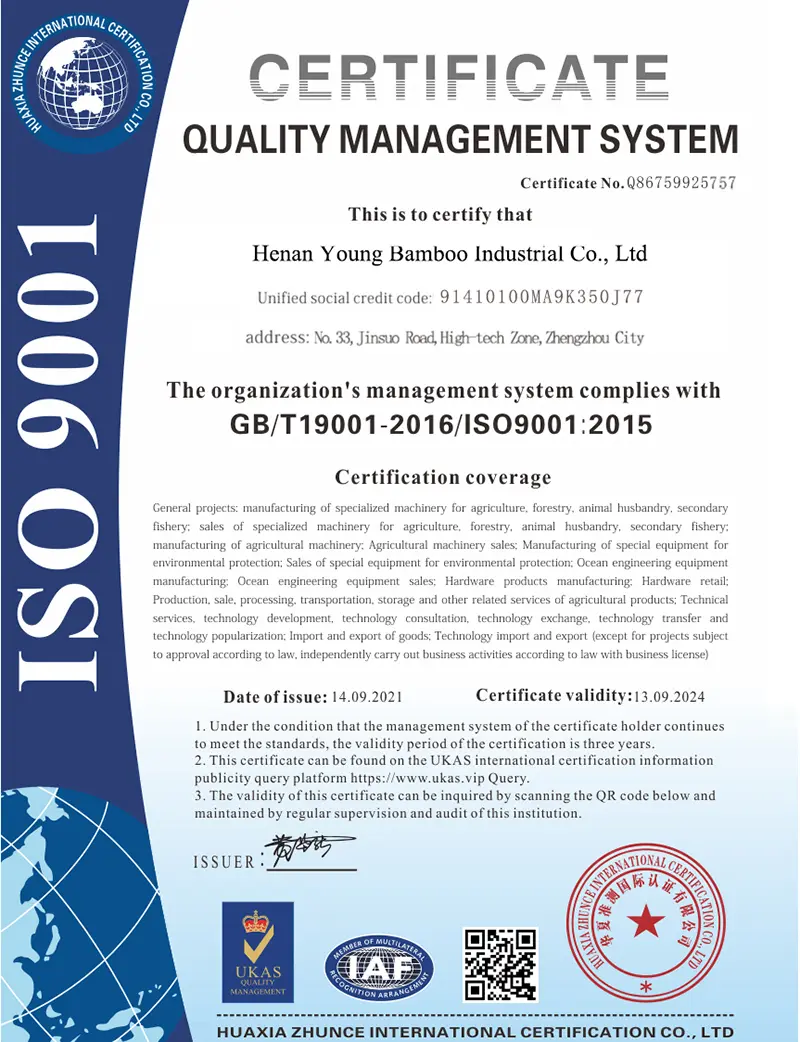
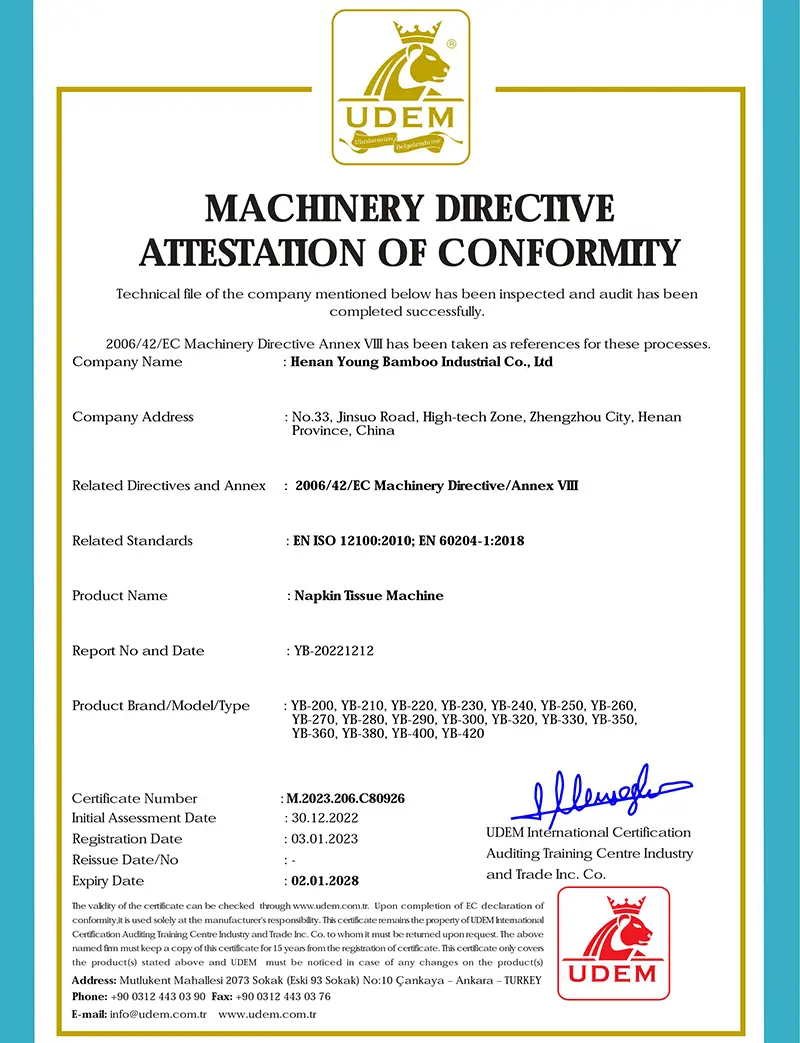
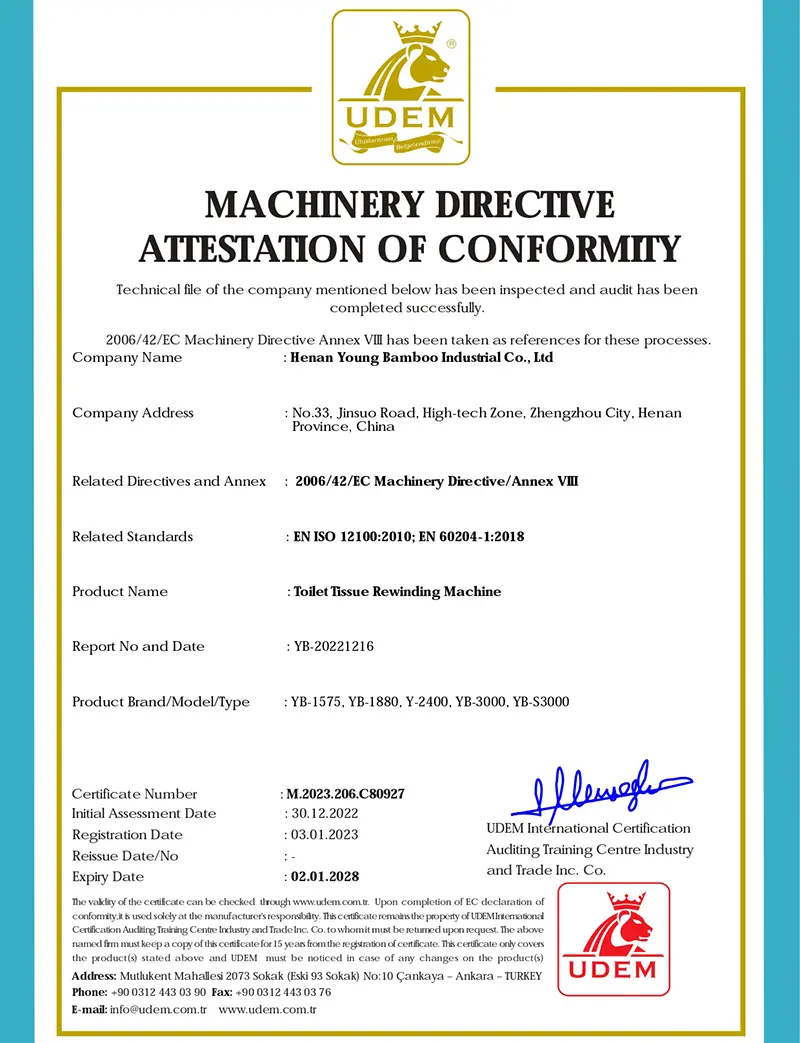
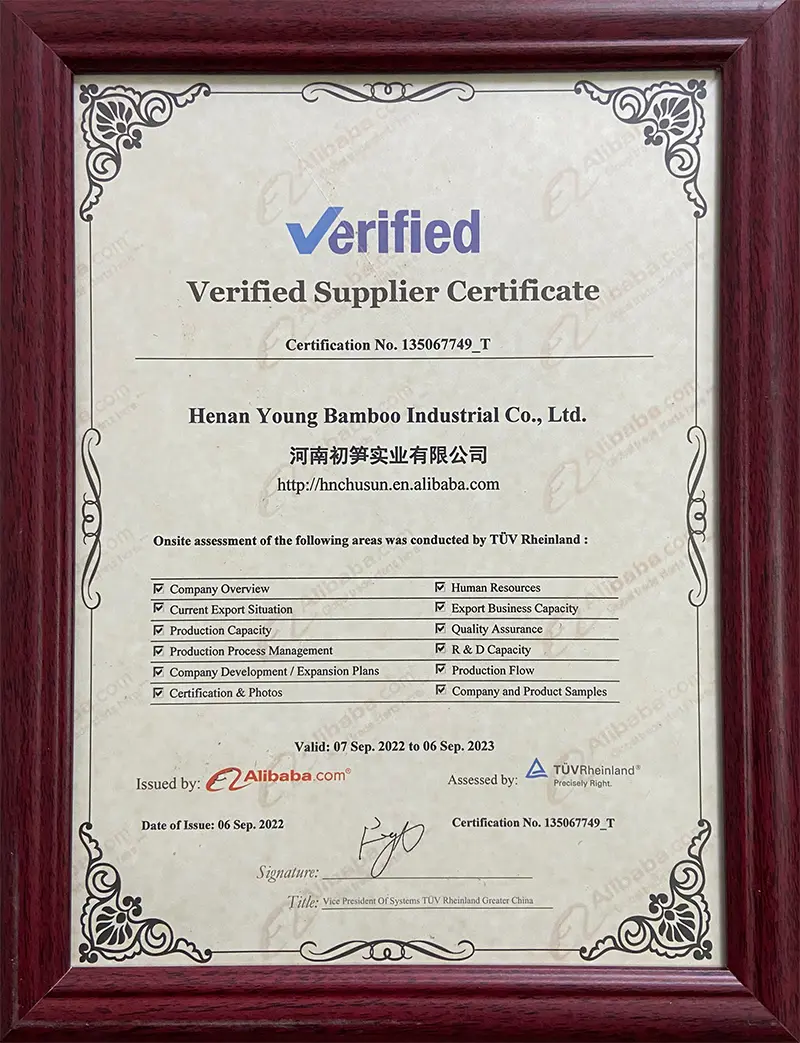
Our full machinery catalog holds accredited ISO 9001 Quality Management certification, alongside CE certificates specifically audited for tissue converting lines and paper rewinding equipment by recognized European notified bodies.
Global Overseas Installation Support
We deploy experienced mechanical and electrical engineers directly to your plant site across Asia, Africa, Europe, and the Americas for installation supervision, line commissioning, and operator maintenance training.
Verified Manufacturing Workshop & Global Shipments
Empirical proof of our manufacturing capability, client factory visits, and global export packaging operations:
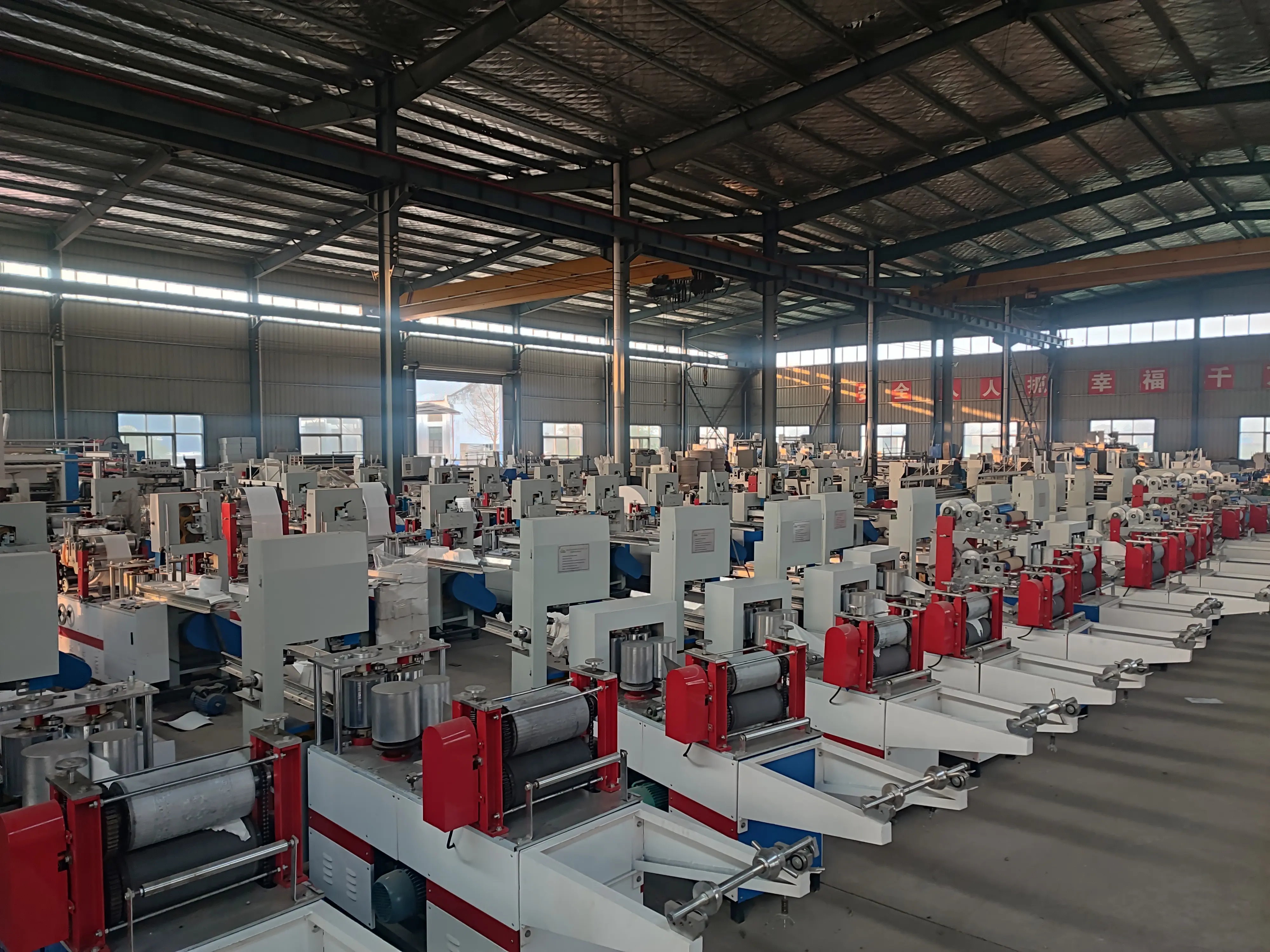 Zhengzhou Modern Assembly Workshop
 On-Site Customer Inspection & Testing
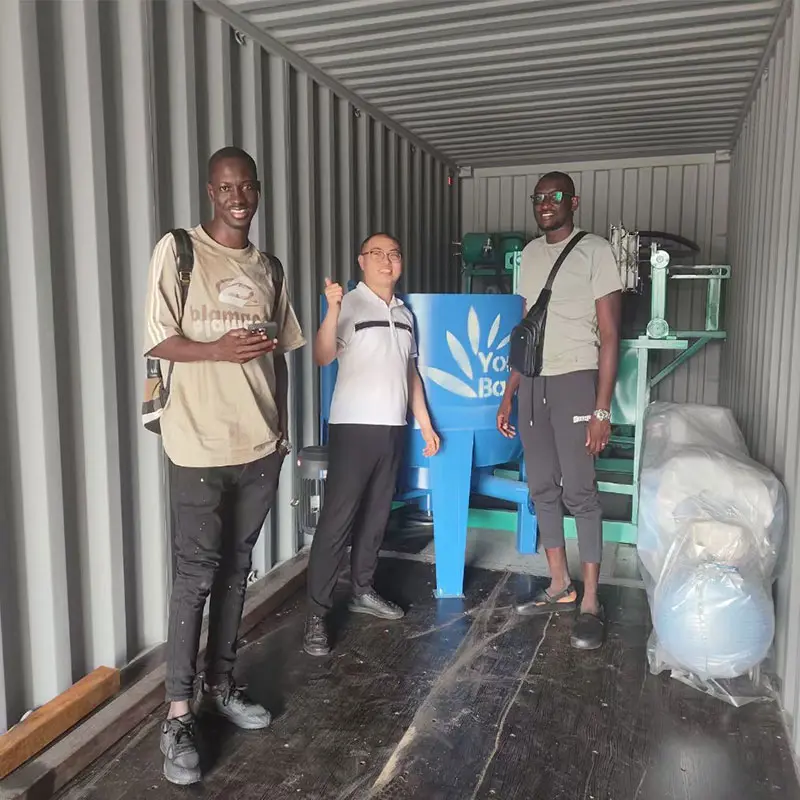 Seaworthy Packaging & FCL Loading
Frequently Asked Questions (FAQ) for Importers & Procurement Officers
Expert Engineering Solutions to Common Technical and Cross-Border Sourcing Inquiries
Q1: How do I determine whether to choose Steel-to-Steel or Steel-to-Rubber embossing for my market?
Q2: What jumbo roll width model should I choose (e.g., 1575 vs. 1880 vs. 2800 mm)?
Q3: Can Seasia configure the electrical system for our local country's voltage?
Q4: How does the automatic counting and interfolding vacuum system operate?
Q5: What is the typical production line lead time and shipping container requirement?
Q6: What warranty and after-sales spare parts policy do you offer?
Q7: Can I visit your manufacturing plant in Zhengzhou, Henan before paying the deposit?
Q8: How do we initiate a custom OEM/ODM machine design quote?
Ready to Upgrade or Establish Your Tissue Manufacturing Plant?
Partner with Seasia Tissue Equipment Co., Ltd. for factory-direct prices, customized steel embossing rollers, and comprehensive international engineering support.