Featured Tissue Converting Machinery Range
Precision Engineering Built for Industrial Output, Maximum OEE, and Tailored OEM Customization
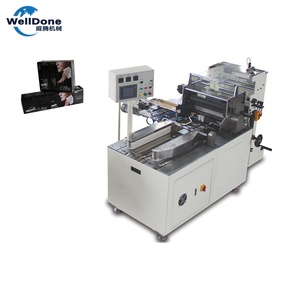
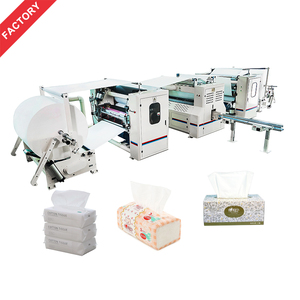
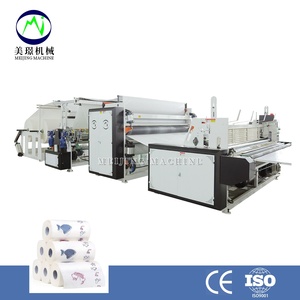
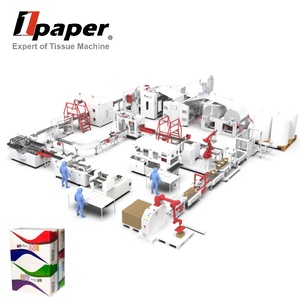
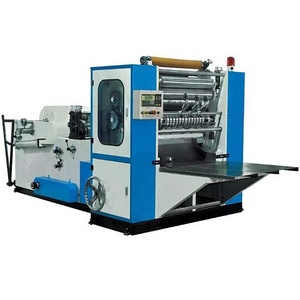
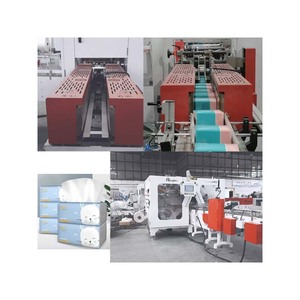
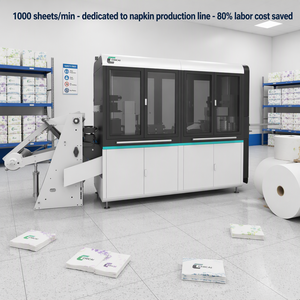
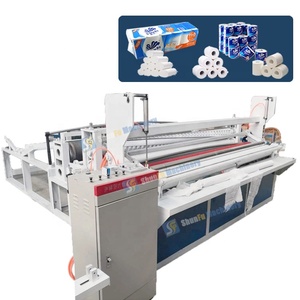
Engineering Benchmark: Custom OEM & Exporter Excellence in Tissue Machinery
The global tissue paper processing market is experiencing a structural shift driven by increasing demand for premium personal hygiene products, eco-conscious raw material utilization (such as virgin bamboo pulp and recycled fiber blends), and rapid automated production line modernizations. As a premier original equipment manufacturer (OEM) and global exporter located in Zhengzhou, Henan—China’s primary industrial machinery manufacturing corridor—Seasia Tissue Equipment Co., Ltd. sets the global standard in high-speed, multi-format tissue converting systems.
Modern paper converting requires significantly more than rudimentary mechanical rewinding. Today's commercial converters demand multi-axis servo synchronization, pneumatic constant-tension unwinding, dynamic web-guiding optics, advanced steel-to-rubber or 3D steel-to-steel embossing, and integrated high-speed bundle packaging lines. Our engineering department specializes in bridging raw paper jumbo roll processing with end-user retail distribution, delivering low-energy, highly scalable converting platforms custom-built to localized electrical configurations, GSM tolerances, and market-specific fold formats.
Core Machinery Architectural Ecosystem
Our OEM manufacturing facility operates under rigid ISO 9001 quality management protocols and holds comprehensive European CE safety certifications for napkin, facial tissue, and toilet tissue processing machinery. Our output covers four major equipment categories:
Toilet Paper Rewinding & Log Saw Lines
Capable of converting jumbo rolls from 1575mm up to 2800mm operating widths. Integrates pneumatic paper loading, automatic core feeding, tail gluing, perforating, log slicing, and shrink packaging.
Facial Tissue & Handkerchief Interfolding Lines
Utilizing high-precision vacuum suction V-fold, N-fold, and Z-fold technologies operating from 2 to 10 parallel lanes with automated count slitting and inline box cartoning.
Commercial Napkin Printing & Folding Lines
Featuring zero-plate-cost digital flexo printing, 1/4 to 1/6 embossing folding mechanisms, and precise edge trim registration designed for food-service supply chains.
Pulp Molding & Supporting Boilers
Industrial recycled paper pulping systems, rotary egg tray/carton molding units, combined with high-efficiency industrial steam generators and thermal fluid heaters.
Technical Specifications Matrix: Standard vs. OEM High-Speed Converting Lines
To assist industrial buyers in making informed capital allocation decisions, the following data matrix outlines key operational parameters comparing baseline mechanical units with Seasia's customized Siemens PLC-driven converting lines.
| Performance Specification | Baseline Mechanical Line | Seasia OEM High-Speed Automated Line | Value Generation Benefit |
|---|---|---|---|
| Control Automation | Relay Logic / Manual Valves | Siemens S7-1200/1500 PLC + Touch HMI | Reduces operator error & setup downtime by 70% |
| Line Speed (Rewind/Fold) | 120 - 180 m/min | 230 - 350 m/min (Continuous) | Up to 90% increase in daily metric ton yield |
| Web Tension Accuracy | Manual Mechanical Brake | Closed-Loop Servo Magnetic Powder Brake | Eliminates web tears on low-GSM tissue stock |
| Embossing Options | Single Steel-to-Rubber | Nested/Point-to-Point Steel-to-Steel/Rubber | Enhances bulkiness and liquid absorption capacity |
| Perforating Adjustment | Fixed Mechanical Blade Gap | Pneumatic Stepless Gear adjustment | Instant sheet length changeover (90-200mm) |
| Core Compatibility | Cored Rolls Only | Dual Capacity: Cored & Coreless Rolls | Access to institutional & consumer markets |
Future Procurement Trends in Tissue Converting Machinery (2025–2030)
As tissue producers navigate rising pulp raw material costs, shifting environmental regulations, and tightening labor markets, machinery procurement strategies are undergoing rapid refinement. B2B purchasers must evaluate equipment based on emerging technological paradigms:
1. Widespread Integration of Non-Wood & Eco-Substrates
With global sustainability mandates pushing brands away from virgin wood pulp, converting machinery must handle alternative fibers such as bamboo pulp, bagasse (sugarcane fiber), and high-percentage post-consumer recycled (PCR) paper. Bamboo fibers feature unique tensile characteristics, longer fibers, and variable dust shedding. Modern OEM machinery engineered by Seasia incorporates specialized dust extraction hoods, anti-static bar arrays, and modified slitting blades designed to preserve clean cuts without fiber fraying during high-speed bamboo converting.
2. Transition to Full Servo Multi-Axis Architecture
Traditional line shaft drives are quickly being phased out in favor of independent servo drive systems. In a multi-axis servo system, each functional module—unwinding, embossing, perforating, rewinding, and log ejection—is powered by dedicated servomotors synchronized electronically via high-speed Motion Control Bus (EtherCAT/Profinet). This eliminates mechanical gear wear, reduces lubrication requirements, and allows mill managers to alter perforation lengths or embossing register speeds directly from an intuitive touchscreen HMI.
3. Modular Line Expansion & Direct-to-Pack Integration
Stand-alone converting machinery is increasingly replaced by fully integrated, turnkey processing lines. Modern procurement demands seamless data and physical integration between log rewinding/folding, automated high-speed log sawing, single-roll wrapping, bundle wrapping, and robotic palletizing. Purchasing modular, expandable lines guarantees that tissue converting facilities can expand output incrementally without encountering machine protocol mismatches.
Industry Development Paradigm: Smart Diagnostics & IoT Remote Support
Procurement teams now prioritize machinery equipped with IoT remote diagnostic gateways. Through encrypted VPN channels, Seasia's control engineers can troubleshoot PLC program logic, audit drive performance, update motion control parameters, and conduct real-time fault diagnostics remotely—reducing site service lead times from days to minutes regardless of destination country.
Technological Innovations Driving Efficiency in Paper Converting
To secure a competitive advantage in consumer markets, paper processing machinery must maximize output while minimizing material waste and energy consumption. Key technical advancements developed within our R&D facility include:
Advanced Glue Lamination & Water Embossing Units
For kitchen towel and double-ply toilet tissue manufacturing, glue lamination units are essential to attach embossed plies together, providing superior roll bulk and absorbency. Our customized machines utilize Siemens-controlled micro-glue application systems. By applying microscopic glue dots (micro-dot lamination) only to the raised peaks of embossed paper, glue consumption is reduced by up to 35% while retaining maximum soft feel and structural integrity. Furthermore, optional water-lamination modules allow ply bonding using pure atomized water under pressure, serving chemical-free eco-tissue product lines.
Zero-Plate-Cost Digital Napkin Printing Innovations
In the commercial napkin domain, short-run customized branding for hotel chains, restaurants, and special events traditionally suffered from high photopolymer plate costs and setup downtime. Our latest digital printing tissue converters (such as the CHICAI series) bypass physical printing plates entirely. Utilizing industrial piezo-electric inkjet heads with food-grade water-based inks, converting businesses can accept micro-orders, alter custom artwork instantly, and achieve vibrant multi-color printing at zero plate cost with high investment returns.
Pneumatic Coreless Rewinding Technology
Consumer preferences in Europe and North America are shifting toward coreless toilet paper rolls to eliminate solid cardboard waste. OEM converting lines from Seasia utilize quick-change expanding air shafts and automatic tail-tucking mechanisms. Operators can toggle between standard cardboard core production and high-density coreless log winding on the same machine within 15 minutes of mechanical adjustment.
Enterprise OEM Capabilities & Quality Assurance Protocol (E-E-A-T Guarantee)
Demonstrating technical expertise, operational authority, and long-term reliability is paramount when supplying high-capital industrial machinery. Seasia Tissue Equipment Co., Ltd. operates out of a state-of-the-art facility in Henan, China, supported by over a decade of dedicated engineering expertise. Our global reputational leadership rests on four structural pillars:
1. In-House Precision Machining & Assembly
Unlike trading entities that outsource production, we maintain in-house CNC machining centers, dynamic roller balancing rigs, and precision surface grinders. Embossing rollers are crafted from forged alloy steel, laser-engraved, and surface-hardened to achieve precise 3D pattern consistency and extended operational lifespans.
2. Strict Factory Pre-Shipment Trial Protocol
No machinery leaves our workshop floor without completing a mandatory continuous 72-hour trial run using actual customer-supplied paper rolls. We record high-speed video footage, measure noise levels (< 75 dB), audit web tension consistency, and provide certified pre-shipment inspection reports to buyers prior to container loading.
3. Tailored OEM/ODM Engineering Modifications
We build converting machinery tailored to your exact facility parameters. From customizing 3-phase electrical configurations (e.g., 220V/60Hz, 380V/50Hz, 415V/50Hz, 480V/60Hz) to adjusting machine dimensions for low-clearance workshops, our engineering team provides comprehensive 3D CAD layout planning before production begins.
4. Comprehensive Global Installation & After-Sales
Supported by field deployment cases across Southeast Asia, Africa, Europe, and the Americas (such as our complete 1880 tissue line installation in Poland and 1x4 egg tray line commissioning in Mali), we provide worldwide on-site installation, commissioning, operator training, and guaranteed spare parts dispatch within 24 hours.
Frequently Asked Questions (FAQ) for Industrial Machine Buyers
The following technical answers reflect common operational, electrical, and commercial inquiries fielded by our engineering sales office:
The model number refers to the maximum usable jumbo roll width in millimetres (1575mm vs 1880mm). Select the 1575 model if your regional paper mill supplies jumbo rolls around 1.75m wide, or if you are launching an entry-level workshop with space constraints. Select the 1880 model if 1.88m parent rolls are available locally, as it yields significantly higher log counts per cycle, optimizing labor costs and daily output.
Yes, absolutely. All electrical panels are built custom using high-grade components (Siemens PLC, Schneider electronics, Delta/Yaskawa inverters) tailored to your country's industrial supply (e.g., 220V, 380V, 415V, 440V, 480V, 50/60Hz). Furthermore, embossing pattern designs, perforation pitch, roll diameter ranges, core inner diameters, and folding sizes are configured to your commercial requirements during technical drawing approval.
We provide two robust after-sales paths. First, every machine undergoes a full factory test-run with real paper, and comprehensive video manuals and electrical schematics are included. Second, we deploy senior installation engineers directly to your plant site overseas to oversee mechanical assembly, electrical wiring, fine-tuning, and operator staff training until your line achieves commercial production speeds.
We welcome international clients, purchasing agents, and technical teams to inspect our manufacturing facility located in Zhengzhou, Henan, China. You can inspect raw material steel stock, watch CNC machining operations, observe live testing of finished converting lines with real paper, and verify build quality firsthand before placing your order.
Standard converting units (such as semi-automatic 1575 rewinders or single-lane napkin folders) are often kept in stock or take 15 to 20 days. Fully customized automatic tissue lines featuring glue lamination, Siemens multi-axis PLCs, log saws, and automatic wrapping units typically require 30 to 45 calendar days for precision manufacturing, assembly, and 72-hour trial runs.
Ready to Scale Your Tissue Converting Operations?
Request a tailored engineering evaluation, factory floor layout CAD drawing, or complete machinery pricing proposal from our senior technical team today.
Send an Inquiry