Featured Industrial Paper Machinery
Engineered for high-volume converting, custom logo embossing, and strict international compliance standards.
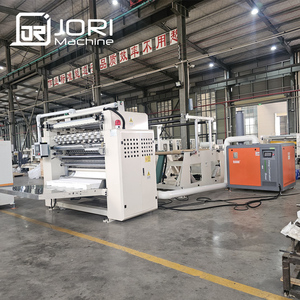
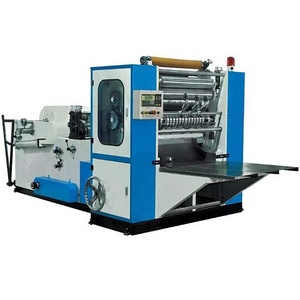
High Capacity Automatic V Folded Facial Tissue Paper Tissue Machine Production Factory
View Details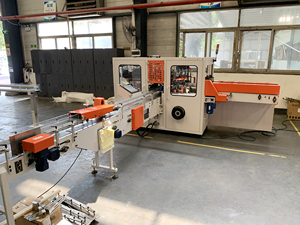
Fully Automatic Single Small Facial Tissue Soft Paper Napkin Packing Wrapping Machine
View Details
Cheap Price Industrial Toilet Paper Tissue Paper Printing Machine Napkin Tissue Paper Making Machine for Small Business
View Details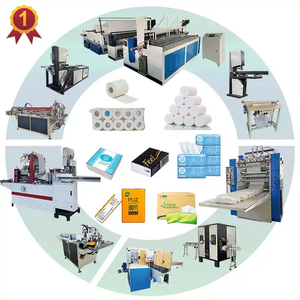
China Supplier Facial Tissue Making Machine with Complete Packaging Semi-automatic Toilet Paper Line Napkin Tissue Machine
View Details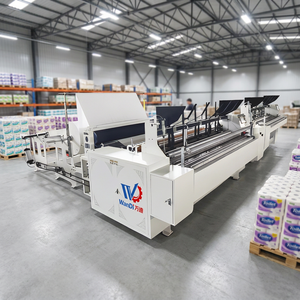
Hot Selling Tissue Paper Converting Machinery Mini Small Full Automatic Toilet Tissue Paper Rewinding Making Machine Price
View Details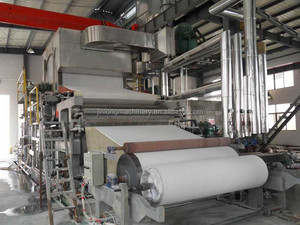
Factory Direct Sale Automatic Facial Tissue & Toilet Paper Making Machine Jumbo Roll Complete Line
View Details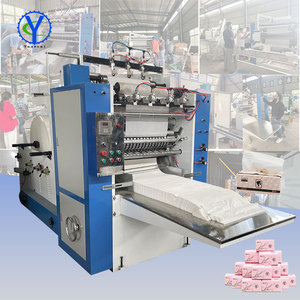
Customized Logo Tissue Paper Making Machine Facial Tissue Paper Production Line Machines
View DetailsTechnical Whitepaper: Custom OEM Napkin Embossing Engineering
A comprehensive analysis of mechanical structures, embossing roll technology, and strategic sourcing trends for B2B converters.
1. Technical Architecture of Modern Napkin Embossing Machinery
In high-speed commercial tissue converting, the embossing system serves as the definitive indicator of product bulk, tactile softness, structural integrity, and brand identity. Modern industrial napkin embossing machinery relies on precise mechanical synchronization between parent-roll slitting, pattern nip rolls, flexographic printing units, and rotary folding assemblies.
As a specialized Custom OEM Napkin Embossing Machine Manufacturer, Seasia Tissue Equipment Co., Ltd. builds structural frameworks using stress-relieved heavy cast iron and reinforced steel plates. This structural rigidity eliminates operational micro-vibrations at speeds exceeding 800 to 1200 napkins per minute, preserving sub-millimeter alignment across the embossing roll nip.
Steel-to-Rubber Embossing Systems
Ideal for standard food-service napkins requiring uniform bulk building and cost-effective roller maintenance. The elasticity of the rubber counter-roller generates deep, resilient tactile impressions without rupturing delicate tissue fibers (13-22 GSM).
Steel-to-Steel Point-to-Point Embossing
Engineered for premium multi-ply dinner napkins and customized corporate logo embossing. CNC laser-engraved hardened steel rolls interface with micro-metric precision, creating crisp 3D geometric textures and high absorption pockets.
2. Technical Development Trends in Napkin Converting
The tissue paper processing industry is undergoing a structural transition toward automation, energy efficiency, and high-frequency production flexibility. Machinery buyers must account for evolving consumer expectations and operational overhead constraints when selecting long-term assets.
Key technological advancements driving modern converting line efficiency include:
- Servo-Driven Modular Architecture: Replacing traditional gearboxes with multi-axis Siemens or Delta PLC servo drives. This eliminates mechanical backlash, reduces wear on timing belts, and allows instantaneous digital adjustment of cut-off lengths and folding phase parameters.
- Integrated In-Line Flexographic Printing: Modern commercial buyers demand 1-to-4 color logo printing integrated directly into the embossing phase. Using ceramic anilox rollers and doctor blade chamber systems ensures uniform water-based ink transfer without paper bleed or drying delays.
- Automated Web Tension Control: Pneumatic magnetic powder brakes and dancing rollers dynamically adjust unwind tension to prevent web breaks when running eco-friendly recycled pulps, bamboo fiber, or virgin sugarcane bagasse papers.
3. Strategic Procurement Trends for Global B2B Importers
Global buyers across Asia, Africa, Europe, and the Americas are re-evaluating machinery capital expenditures. Sourcing managers increasingly prioritize suppliers capable of delivering tailored OEM equipment configured around local market standards rather than off-the-shelf off-spec machinery.
Format Versatility (1/4, 1/6, 1/8 Folds)
Procurement preferences have shifted toward multi-folding capability. A single machine engineered with interchangeable folding jaws allows tissue manufacturers to switch between standard 1/4 square folds, 1/6 dispenser folds, and 1/8 cocktail napkin configurations efficiently.
Raw Material Adaptability & GSM Flexibility
Rising virgin pulp prices require machinery capable of processing alternative paper grades (from lightweight 13 GSM 2-ply tissues to heavy 30 GSM single-ply towel stocks) without tearing or jam-ups in the vacuum suction channels.
4. Seasia Enterprise Advantages & Rigorous E-E-A-T Guarantee
Located in the High-tech Zone of Zhengzhou City, Henan Province, Seasia Tissue Equipment Co., Ltd. operates as a fully integrated designer, manufacturer, and direct exporter of industrial tissue paper converting machinery, pulp molding egg tray equipment, paper cup formers, and industrial boilers.
Our manufacturing protocol complies with international engineering standards to give global buyers total operational transparency:
Mandatory Factory Pre-Shipment Run
No machine leaves our shop floor without undergoing a full-speed live paper test run. Video documentation of your exact equipment converting real raw paper stock is delivered prior to final balance clearance.
CE, ISO & TÜV Rheinland Audited
Our complete machinery line holds CE compliance certificates for structural safety, low-voltage directive compliance, and emergency brake safety, validated by third-party TÜV audit certifications.
Free Layout Engineering & Electrical Matching
Our engineering team provides custom 2D/3D workshop layout CAD drawings tailored to your floor dimensions, while configuring motors and heating elements precisely to local electrical specs (380V, 220V, 415V; 50Hz/60Hz).
Turnkey Overseas Installation & Training
From container loading oversight at Qingdao/Shanghai ports to on-site commissioning by field technicians, we support operator training to minimize startup commissioning cycles.
Need Custom OEM Embossing Rollers or Complete Line Specifications?
Speak directly with our tissue machinery application engineers. Get detailed technical drawings, production line layout designs, and competitive FOB/CIF quotation breakdowns.
Contact UsFrequently Asked Questions for Machinery Buyers
Expert guidance addressing critical technical, electrical, and procurement considerations before placing your order.
Which toilet paper rewinding machine width should I choose, 1575 or 1880?
The model number designates the maximum usable jumbo roll width in millimeters (1575mm vs 1880mm). Select the 1575 model if local paper mill supplies in your region offer standard 1.5m to 1.57m parent rolls or if your initial workshop footprint is limited. Choose the 1880 model for significantly higher daily output capacity per shift, as it process 1.88m parent rolls, delivering more finished log rolls per cycle and minimizing side-trim material waste.
Can the napkin embossing machines be customized for our local voltage and brand logos?
Yes. Every OEM machine is custom-built to match your factory electrical standard (e.g., 380V 3-Phase 50Hz, 220V 3-Phase 60Hz, or 415V 50Hz). Furthermore, our CNC laser-engraving workshop can replicate complex corporate logos, decorative border motifs, and specialized geometric textures onto steel embossing rollers according to your digital artwork vector files.
What is the expected operational lifespan of steel embossing rolls and wear parts?
Seasia embossing rollers are fabricated from high-grade alloy steel (45# or 20CrMnTi) undergoing specialized high-frequency quenching and hard chrome plating. Under normal lubrication and pressure maintenance regimes, steel embossing rollers carry an operational life exceeding 5 to 8 years. Consumable items such as slitting circular blades, timing belts, and rubber counter-rollers are standard off-the-shelf components supported directly through our global spare parts inventory.
Do you provide overseas installation, operator training, and field commissioning?
Yes. In addition to delivering detailed step-by-step video testing and color-coded wiring schematics for self-installation, Seasia dispatches experienced mechanical and electrical engineers directly to your plant site. Our field service includes mechanical positioning, electrical hookup, trial runs with your raw paper stock, and comprehensive safety and maintenance training for your local plant operators.
Can I visit the Seasia factory in China for pre-purchase inspection?
We welcome international clients and third-party inspection agencies (such as SGS or TÜV) to inspect our workshop facilities in Zhengzhou, Henan Province. Visitors can inspect raw component machining, observe live machine assembling, and inspect real-time production runs of napkin folders, facial tissue lines, and egg tray molding systems under realistic paper converting conditions.
What packaging and anti-corrosion protection is used for ocean freight container shipping?
To prevent saltwater moisture degradation during long ocean transits, all exposed machined surfaces and embossing rollers receive heavy anti-rust oil coatings, followed by vacuum-sealed plastic barrier wrapping. Machinery is anchored securely inside reinforced ISPM-15 compliant wooden cases or steel-chocked container frames engineered to withstand transshipment forces.