Featured Industrial Converting & Pulp Machinery
Explore our top-performing factory machinery tailored for scalable tissue converting and eco-friendly pulp packaging operations worldwide.
Industrial Engineering & OEM Manufacturing Excellence
Empowering B2B tissue converters, pulp product suppliers, and commercial paper wholesalers with state-of-the-art machinery engineered for maximum uptime, minimal paper web waste, and adaptable multi-ply output.
The Technical Reality of Industrial Tissue Converting
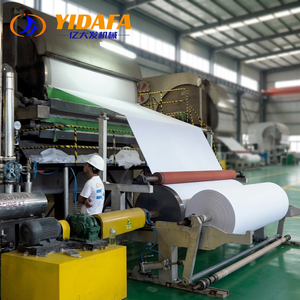
In modern industrial paper converting, operational profitability relies heavily on raw material yield, energy consumption per ton, and mechanical precision. As a premier original equipment manufacturer (OEM), Seasia Tissue Equipment Co., Ltd. builds production machinery designed to process diverse parent roll grades—ranging from 100% virgin wood pulp to eco-friendly bamboo fiber, sugar cane bagasse, and de-inked recycled waste paper.
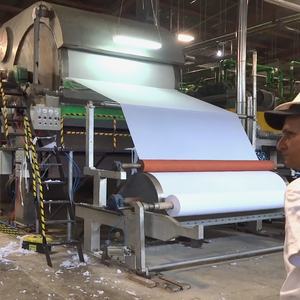
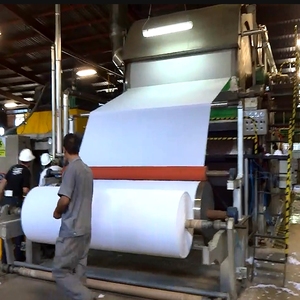
Whether you require a compact 1575 mm rewinder for startup production or a heavy-duty double-set 1880 mm converting line complete with automated log saws and wrapper units, our machinery incorporates advanced pneumatic jumbo roll loading, magnetic powder brake tension control, and PLC-driven automatic counting. This ensures consistent log density, precise perforation distance, and perfect roll diameter control across high-speed shifts.
Servo-Driven Log Rewinding
Utilizing high-precision multi-axis servo motors, our toilet paper rewinding machines eliminate paper webbing slippage. Variable tension control supports ultra-light 13 gsm facial tissue through heavy 28 gsm industrial jumbo rolls without tearing.
Custom Embossing Engineering
From micro-embossing to point-to-point and steel-to-rubber decorative patterning, our laser-engraved rollers enhance tissue bulkiness, softness, and liquid absorption—offering custom logo branding for wholesale buyers.
ISO 9001 & CE Certified Safety
Every line produced in our Zhengzhou facility undergoes rigorous pre-shipment Factory Acceptance Testing (FAT) with actual paper. Certified by TÜV and compliant with European CE safety standards for international deployment.
Industrial Machine Architecture Comparison
Compare technical specifications across our flagship industrial tissue converting and rewinding platforms to align with your facility footprint and output goals.
| Machine Platform Model | Max Parent Roll Width | Design Operating Speed | Control Architecture | Applicable Raw Materials | Target Output Category |
|---|---|---|---|---|---|
| 1575 Series Semi-Auto | 1750 mm / 68.8" | 150 - 200 m/min | Frequency Inverter + Micro-PLC | Wood Pulp, Bamboo Pulp | Start-up Toilet Roll Facilities |
| 1880 Double-Set Automatic | 2200 mm / 86.6" | 230 - 280 m/min | Delta / Siemens PLC Touchscreen | Virgin Pulp, Recycled Paper | High-Volume Commercial Wholesale |
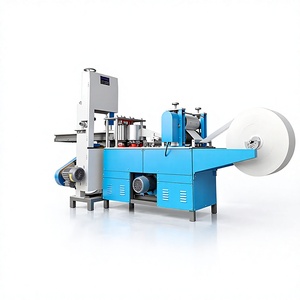
| Heavy-Duty Napkin Line | 230 - 400 mm (Folded dependent) | 600 - 1000 pcs/min | Servo Drive + Synchronous Belt | 1-2 Ply Tissue Paper | HORECA & Foodservice Packaging |
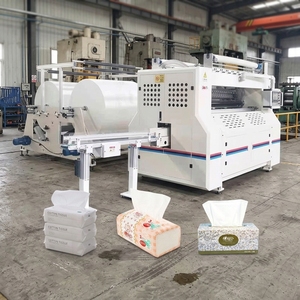
| Multi-Line Facial Tissue Folder | 1100 - 1880 mm | 800 - 1200 sheets/min/line | Pneumatic Suction + Vacuum Pump | 13 - 18 gsm Facial Stock | Box & Soft-Pack Retail Facial Tissue |
| Pulp Molding Egg Tray Unit | N/A (Recycled Slurry) | 1000 - 6000 pcs/hour | Reciprocating / Rotary Hydraulic | Waste Cartons, Newsprint, Kraft | Agricultural & Egg Packaging Lines |
Future Procurement Trends in Industrial Tissue Machinery
As global retail buyers and commercial distributors enforce strict ESG (Environmental, Social, and Governance) compliance, purchasing managers must consider how capital equipment investments made today will adapt to industry shifts over the next decade.
1. Transition to Non-Wood Alternative Pulps
Rising deforestation regulations and pulp volatility are accelerating the usage of bamboo pulp, wheat straw, and bagasse. Industrial tissue machines must feature optimized web-tension control and customized embossing rollers capable of handling shorter fiber lengths without sacrificing sheet softness or tear resistance.
2. Turnkey Automation & Inline Core-to-Pack Integration
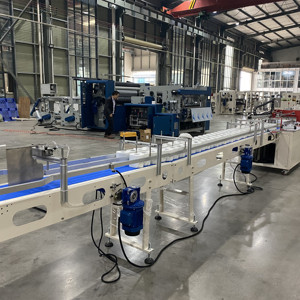
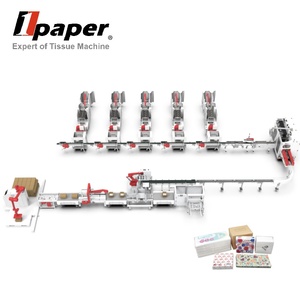
Labor shortages worldwide drive demand away from standalone rewinding units toward turnkey automated lines. Modern procurement prioritizes synchronized setups connecting jumbo roll unwinders directly to automatic log saws, core makers, flow-wrapping machines, and robotic palletizers.
3. Energy Recovery & Low-Carbon Footprint
Next-generation equipment integrates frequency-inverter drives and variable vacuum suction fans that reduce electrical power draw by 15% to 25% per ton of finished paper products. For pulp molding egg tray systems, multi-layer metal drying tunnels with thermal energy recycling represent the future standard for operational profit margin protection.
Next-Generation Technology Trends in Converting Equipment
Technological advancement in paper converting equipment is centered around precision engineering, real-time diagnostic monitoring, and modular line adaptability. Enterprise machinery built today features advanced technical breakthroughs:
- PLC Micro-Processors with IoT Diagnostics: Remote troubleshooting software enables factory engineers in China to assist overseas operators in real-time, performing firmware updates, sensor calibration checks, and speed optimization over secure cloud connections.
- Pneumatic & Magnetic Powder Tensioning: Automated unwind stands measure real-time jumbo roll diameter, automatically adjusting brake torque to maintain consistent web tension as parent roll weight decreases.
- Modular Embossing Interchangeability: Quick-change sleeve designs allow operators to swap embossing patterns (such as switching from standard bathroom roll tissue to custom-branded restaurant napkins) within hours instead of requiring days of mechanical disassembly.
- Closed-Loop Circular Pulp Molding Systems: For egg tray and pulp packaging lines, closed-loop water recirculation systems recycle 98% of process water, dramatically reducing wastewater treatment burdens for agricultural packaging businesses.
Why Global Wholesalers Choose Seasia Tissue Equipment
Rooted in Zhengzhou, Henan, China, Seasia Tissue Equipment Co., Ltd. brings decades of specialized mechanical engineering to the international tissue manufacturing sector.
In-House Manufacturing & Customization
Unlike third-party trading agencies, we operate our own manufacturing facilities. This allows our engineering team to customize machine width, voltage standards (e.g., 380V/50Hz, 220V/60Hz, 415V/50Hz), folding dimensions, and embossing graphics directly in the CAD blueprints before steel fabrication begins.
Rigorous Pre-Shipment Quality Testing
Every single tissue machine, napkin folder, and egg tray pulping line is assembled, wired, and tested with real paper stock inside our workshop prior to packing. Clients receive live HD video documentation of their actual machine producing finished tissue logs before final balance payment and container loading.
Global On-Site & Video Commissioning
From sending installation technicians for factory commissioning in Mali to delivering full container loads (FCL) of napkin machinery to Indian paper converters and Polish tissue brands, our post-sale support team remains available for the lifetime of your equipment.
Frequently Asked Questions (FAQ) for B2B Machinery Buyers
Clear, practical technical guidance to assist procurement officers and plant managers in making informed machinery investments.
Which toilet paper rewinding machine width should I choose, 1575 or 1880?
The model number designates the maximum width capacity of the jumbo parent roll in millimeters. A 1575 mm model processes parent rolls up to 1750 mm wide, making it an economical entry point for small to mid-sized workshops or regions where local paper mills predominantly supply 1.5m to 1.7m raw paper reels.
The 1880 mm model accepts parent rolls up to 2200 mm wide, yielding significantly higher finished toilet roll output per rewinding cycle. Choosing between 1575 and 1880 depends on your target daily tonnage and matching the machine's deckle width to your local paper mill’s standard jumbo roll supply to minimize trimming waste.
Can machines be configured for regional electrical voltages and specific embossing patterns?
Yes. All industrial control panels, motors, PLC units, and electrical heaters are customized during assembly to match your facility's local electrical standard (such as 220V 3-phase, 380V 3-phase, 415V, or 480V at 50Hz or 60Hz). Furthermore, embossing rollers are custom laser-engraved with your choice of geometric patterns, floral textures, or corporate brand logos as specified during technical drawing approval.
What supporting machinery is required for a complete turnkey tissue converting line?
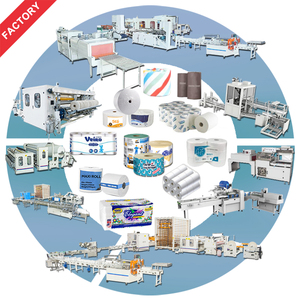
A complete commercial toilet paper converting plant generally comprises four main machinery units:
- Jumbo Roll Rewinding & Perforating Machine: Rewinds parent rolls into long, perforated tissue logs with paper core insertion.
- Paper Core Making Machine: Winds card stock and adhesive into cylindrical cores matched to log diameter.
- Automatic Band Saw or Log Saw Cutter: Trims tissue logs into individual retail-length toilet paper rolls.
- Packaging Machine: Heat-seals individual or multi-roll packs in polyethylene plastic film ready for store shelves.
How do you manage overseas installation, commissioning, and operator training?
We provide two flexible installation avenues: for complex turnkey plants, our mechanical engineers travel to your site to supervise foundation layout, mechanical assembly, wiring, and operator safety training. Alternatively, for standalone machines, we provide comprehensive step-by-step video instruction manuals, wiring schematics, and live video call support during factory setup. Every machine is pre-commissioned in our factory before shipment to guarantee immediate plug-and-play startup.
Can your machines process bamboo, bagasse, or 100% recycled paper stock?
Absolutely. Our converting and folding machinery feature adjustable web-tension controllers, variable vacuum suction valves, and heavy-duty unwinding stands designed specifically to handle the varying tensile strengths, dust levels, and thickness profiles of alternative non-wood pulps and recycled paper grades.
What is the typical manufacturing lead time and pre-shipment inspection process?
Standard manufacturing lead time ranges from 20 to 35 business days depending on customization complexity. Prior to dispatch, our factory conducts a rigorous 48-hour continuous test run utilizing actual paper parent rolls. Overseas buyers receive high-definition operational videos and detailed photo logs of internal electrical cabinets, bearings, and safety guards before container loading approval.