Factory-Direct Machinery
Featured Facial Tissue & Paper Converting Equipment
Engineered for high Operational Equipment Effectiveness (OEE), minimal GSM variance, and continuous heavy-duty B2B tissue processing.
1,200+
Logs/Min Cutting Speed
99.4%
Line Yield Efficiency
4 Continents
Global Export Network
CE & ISO
Audited Quality Standards
Facial Tissue Machinery Sourcing Whitepaper: Engineering Benchmarks & Technical Evaluation
In the modern tissue paper converting sector, global B2B procurement officers, plant operations directors, and commercial tissue wholesalers face increasing pressure to balance CAPEX efficiency with high Operational Equipment Effectiveness (OEE). Sourcing high-capacity facial tissue processing machinery from China has evolved from a simple cost-reduction strategy into a strategic technology investment. Leading Chinese OEMs now engineer fully automated V-fold, N-fold, and Z-fold converting lines equipped with closed-loop vacuum suction, multi-axis servo sync, and integrated primary/secondary bundle packaging units.
This technical guide, compiled by the engineering team at Seasia Tissue Equipment Co., Ltd. (Zhengzhou, Henan, China), breaks down the mechanical architecture, procurement metrics, and operational parameters required when purchasing commercial facial tissue folding, cutting, and wrapping equipment.
Core Industry Key Performance Indicator (KPI): Modern high-speed facial tissue interfolding machines operating in competitive markets must achieve a web-speed conversion rate exceeding 180 to 220 meters per minute per lane, while maintaining a strict web tension variance under ±1.5% across virgin pulp, recycled fiber, and eco-friendly bamboo substrates.
1. Technical Architecture of High-Speed Facial Tissue Interfolding Lines
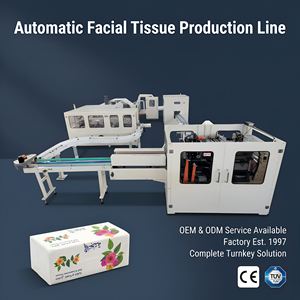
A complete commercial facial tissue production line comprises four critical process modules functioning in complete mechanical or electronic synchronization:
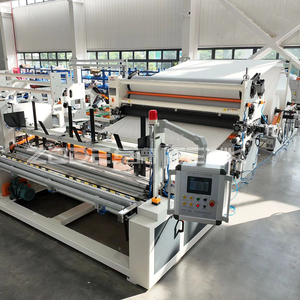
- Jumbo Roll Unwinding Stand: Utilizes heavy-duty steel plate structures, pneumatic flat-belt unwinding, and automatic magnetic powder tension controllers. High-tier lines feature active servo unwinding to handle delicate 13–18 GSM tissue webs without tearing.
- Embossing & Edge-Embossing Unit: Options include steel-to-rubber or steel-to-steel embossing cylinders. High-precision micro-embossing enhances sheet bulk, softness, and ply-bonding integrity, ensuring multi-ply tissues do not delaminate during high-speed drawing.
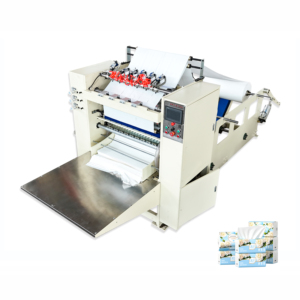
- Vacuum Suction Interfolding Cylinder Unit: The heart of the machine. Uses Roots vacuum pumps or high-efficiency turbine blowers to perform alternate interfolding (V-fold/pop-up or N-fold). Staggered vacuum valves guarantee precise sheet transfer even at speeds up to 1,000 sheets/min per lane.
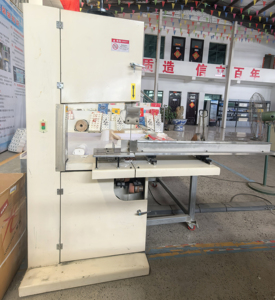
- High-Speed Log Saw Cutting & Band Saw Units: Continuous orbital log saws equipped with servo-driven circular alloy blades and automatic blade grinding mechanisms deliver square, burr-free cuts across large facial tissue logs.
| Machine Specification / Parameter | 3-Line / 4-Line Entry-Level Line | 6-Line / 8-Line Commercial Line | 10-Line / 12-Line Industrial Full-Line |
|---|---|---|---|
| Design Production Speed | 800 – 1,200 sheets/min/line | 1,200 – 1,800 sheets/min/line | 1,800 – 2,400 sheets/min/line |
| Parent Roll Maximum Width | 800 mm – 1,100 mm | 1,400 mm – 1,800 mm | 2,100 mm – 2,800 mm |
| Substrate Compatibility | 13 – 20 GSM (2-3 Plies) | 12 – 22 GSM (1-4 Plies) | 11 – 24 GSM (Virgin, Bamboo, Recycled) |
| Control System Architecture | PLC + HMI Touchscreen | Siemens / Delta PLC + Multi-Axis Servo | Full Bus-Motion Servo + Remote Cloud Diagnostics |
| Vacuum Pump Requirement | 7.5 kW – 11 kW Roots Pump | 15 kW – 22 kW High Vacuum Pump | 30 kW+ Variable Frequency Vacuum System |
| End-Line Packaging Options | Semi-auto Soft Pack / Boxing | Automatic Soft-Pack Flow Wrapper | Full Line Bundle Wrapper + Auto Case Packer |
Future Procurement & Technology Trends in Tissue Processing (2025–2030)
As tissue paper consumption expands rapidly across emerging markets in Southeast Asia, Africa, Eastern Europe, and Latin America, tissue manufacturing technologies are undergoing four major paradigm shifts:
Trend 1: Full-Line Multi-Axis Servo Drive Over Mechanical Gear Drives
Traditional mechanical line-shaft drive systems with heavy gearboxes are rapidly being phased out by commercial tissue suppliers. Modern procurement specs mandate independent servo motor control for every unwinding stand, folding cylinder, pull roller, and cutting unit. Servo synchronization reduces mechanical wear, minimizes noise levels (<78 dB), and allows instantaneous changes to sheet length or folding specs directly from the operator's HMI interface.
Trend 2: Non-Wood Fiber & Bamboo Pulp Adaptability
With global supply chains prioritizing ESG compliance and sustainable raw materials, processing non-wood pulps (such as 100% bamboo pulp and sugarcane bagasse) has become a key requirement. Bamboo fibers exhibit distinct tensile properties and higher static electricity build-up compared to softwood virgin pulp. Advanced Chinese tissue machines now incorporate dynamic anti-static bars, specialized vacuum timing curves, and custom embossing roller geometries tailored for eco-friendly fibers.
Trend 3: Automated Primary Soft-Pack & Secondary Bundle Wrapping Integration
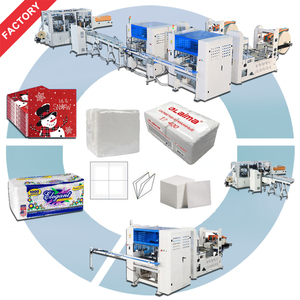
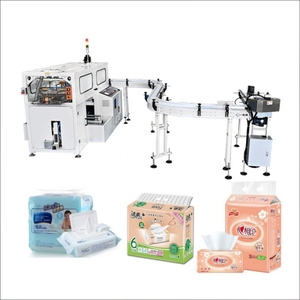
Wholesalers no longer buy standalone folding machines. Market demand favors integrated converting lines that link interfolding machines directly to automatic log saws, soft-pack film wrapping machines, and secondary bundle over-wrappers. Fully automated lines eliminate manual product handling, preventing hygienic contamination and cutting plant labor costs by up to 65%.
Trend 4: IoT Predictive Maintenance & Energy Recovery
Leading manufacturers like Seasia Tissue Equipment integrate IoT gateway modules into machine control panels. This allows real-time tracking of bearing temperatures, vacuum pressure stability, blade wear cycles, and energy consumption per ton of tissue. Remote cloud diagnostics enable factory technicians in Zhengzhou to assist overseas operators in real time, preventing unplanned downtime.
Why Choose Seasia Equipment
Enterprise Advantage: OEM Engineering & Global Delivery Precision
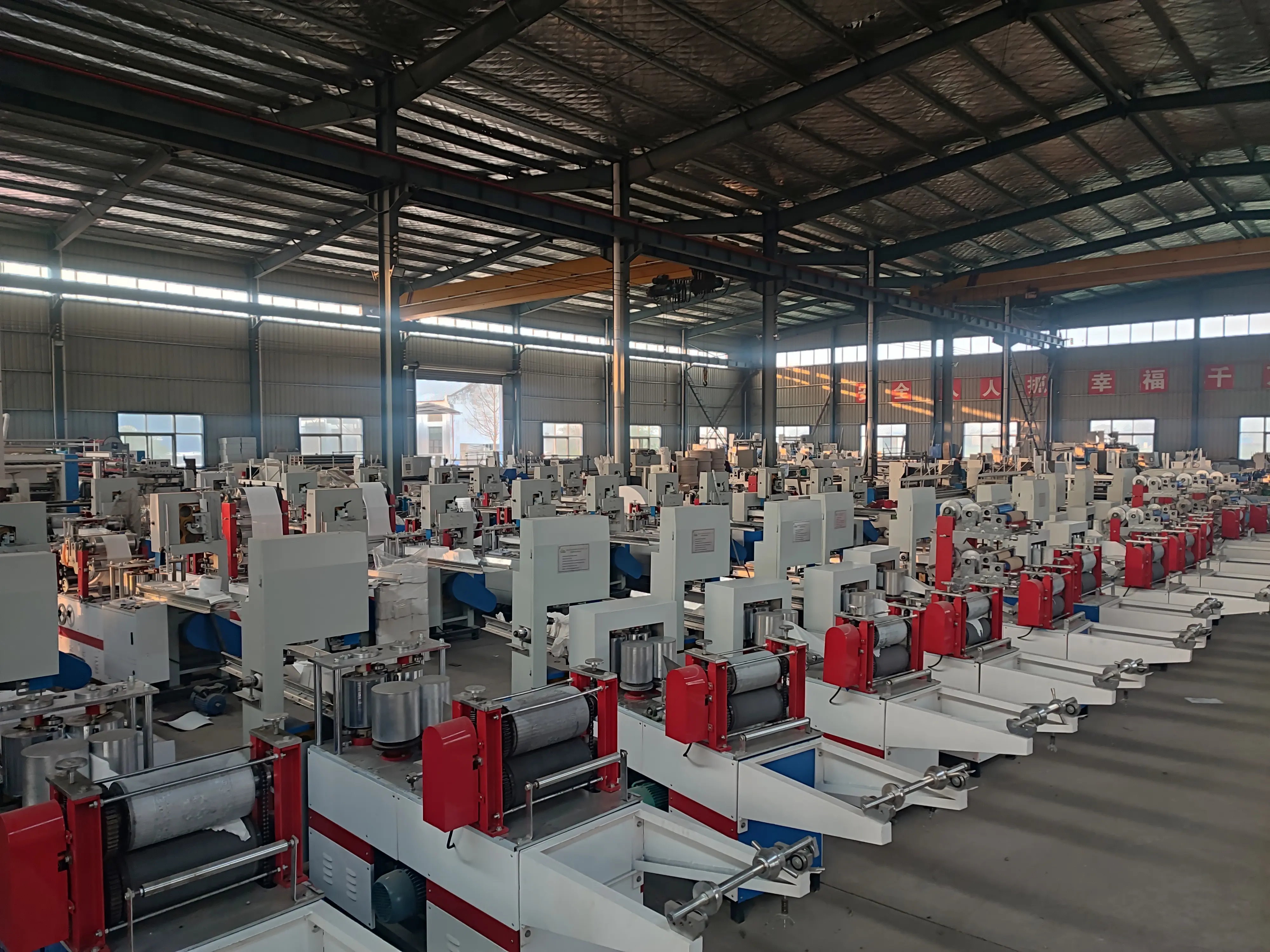
Headquartered in Zhengzhou, Henan, Seasia Tissue Equipment Co., Ltd. delivers factory-direct tissue converting, pulp molding, and paper cup manufacturing equipment backed by international certifications and complete lifetime engineering support.
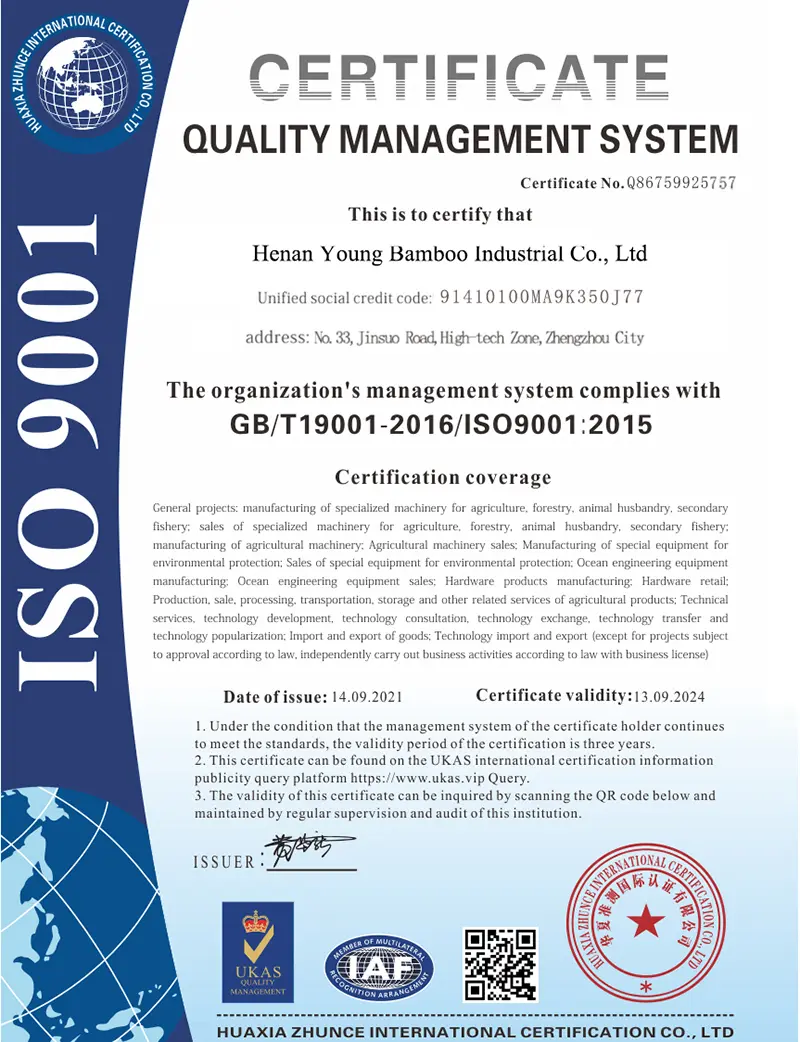
CE, ISO & TÜV Certified Quality
Every converting machine, log saw cutter, and automatic bundler undergoes strict third-party audits and holds international CE and ISO quality management certificates.
100% Pre-Shipment Factory Paper Testing
We test-run every machine with real raw paper at full design speed in our Zhengzhou workshop prior to packing. High-definition test videos and trial logs are sent to the buyer for final sign-off.
Free Workshop CAD Layout Design
Our engineering team designs complete 2D/3D plant layouts optimized for your building dimensions, electrical access, pneumatic piping, and raw material logistics before you place an order.
Custom Mechanical & Electrical Configuration
From custom embossing roll laser-engraving (company logos or unique textures) to local electrical standard adaptivity (220V, 380V, 415V, 440V at 50Hz/60Hz), every detail is tailored to your requirements.
Rapid Engineer Dispatch & Remote Commissioning
Whether deploying engineers for on-site overseas installation in Mali, Poland, India, or Thailand, or providing step-by-step video guidance, we ensure your line achieves target output quickly.
Complete Spare Parts Support & Tooling
We maintain full inventories of slitting knives, band saw blades, helical gears, pneumatic cylinders, vacuum valves, and heating elements for fast global dispatch.
Procurement Guidance
Frequently Asked Questions by Global Equipment Buyers
Key technical, commercial, and operational considerations when buying facial tissue converting equipment from China.
1. What is the difference between V-Fold, N-Fold, and Z-Fold facial tissue machines? +
The folding method dictates how tissues pop up from the box or soft package:
- V-Fold (Single-Fold / Interfolded): Two continuous webs are folded into each other in a 1/2 fold configuration. When one tissue is pulled, the edge of the next sheet is drawn out. Ideal for standard retail box tissue and soft-packs.
- N-Fold (3-Panel Fold): Each sheet is folded into three sections. Offers a larger unfolded sheet dimension while maintaining a compact dispenser or package profile. Popular in commercial away-from-home (AFH) washroom dispensers.
- Z-Fold (3-Panel Interlocked): Similar to N-fold but alternate-interlocked for smooth continuous dispense in high-end cosmetic and commercial applications.
2. How do I match jumbo roll width to my facial tissue line capacity? +
Matching jumbo roll width to your machine prevents edge trimming waste. For example, a 6-line V-fold facial tissue machine designed for a finished sheet cut length of 200 mm requires a parent roll width equal to: (6 lines × 200 mm) + edge trim allowance (approx. 20–30 mm) = 1,220 mm to 1,230 mm. Our engineering team helps calculate exact parent roll specifications based on locally available paper supply in your country.
3. Can a single facial tissue converting line handle virgin pulp, recycled pulp, and bamboo pulp? +
Yes. However, different pulps exhibit varying tensile strengths and surface friction. When converting recycled or bamboo paper, we equip the machine with variable frequency speed drives on the unwinding stands, air-expansion shaft holders, static eliminators, and fine-tuned vacuum suction timing to prevent web breaks and dust accumulation.
4. What electrical standards and voltages can be built for export orders? +
All motors, heaters, PLC controllers, and solenoids are configured according to your destination country's industrial power grid. Common options include 380V 3-Phase 50Hz (Standard Asia/Europe/Africa), 220V 3-Phase 60Hz (Americas), 415V 50Hz, or 440V 60Hz. Dual-voltage transformers can also be integrated into the control cabinet if required.
5. What warranty and after-sales support are provided after container delivery? +
We provide a comprehensive 12-month mechanical and electrical warranty on all core components (excluding wear parts like saw blades and suction belts). In addition, we offer lifetime online technical support, remote PLC diagnostics via Ethernet/Wi-Fi modules, and fast overseas engineer dispatch for line installation, commissioning, and staff operational training.
Ready to Upgrade or Establish Your Facial Tissue Production Line?
Contact Seasia Tissue Equipment engineers today for a customized proposal, complete engineering CAD layout drawings, and a direct factory catalog download.
Get Catalog