Featured Facial Tissue Converting & Packaging Lines
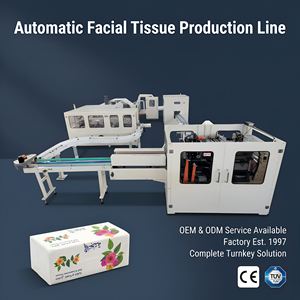
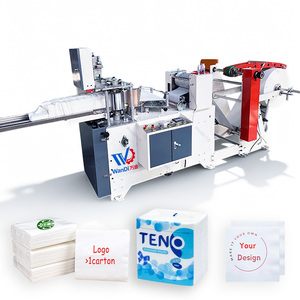
Engineered for multi-line precision, high OEE, and seamless film wrapping. Inspected and benchmarked for global export.
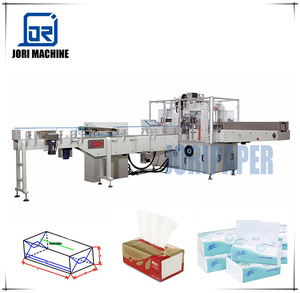
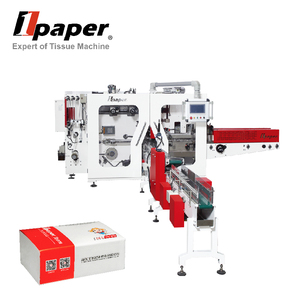
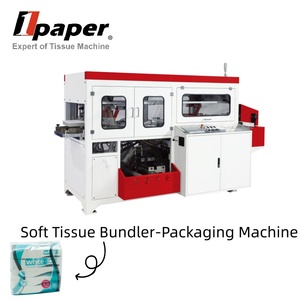
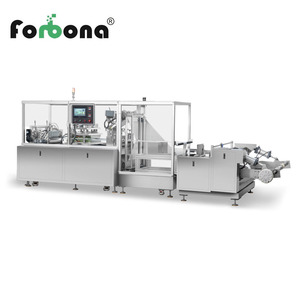
The Strategic Landscape of China’s Facial Tissue Packaging Machinery Industry
The global tissue converting and packaging machinery sector is undergoing a profound paradigm shift. Driven by surging consumer demand for soft-pack facial tissues, hygiene products, and eco-friendly consumer goods, FMCG manufacturers and paper converters across North America, Europe, Southeast Asia, and Africa are replacing manual and semi-automatic lines with fully integrated, servo-driven packaging systems. China has emerged as the global epicenter for manufacturing high-precision, robust, and cost-efficient facial tissue machinery, combining advanced European motion-control architecture with unbeatable supply chain responsiveness.
When sourcing facial tissue packaging equipment from Chinese factories and wholesalers, global procurement directors must evaluate manufacturers based on mechanical tolerance engineering, electrical component standardization (such as Siemens, Schneider, and Omron PLCs), pneumatics (Festo/SMC), and long-term after-sales technical support. As tissue paper converting lines expand from 2-lane workshop setups to massive 7-lane or 10-lane high-speed production complexes, packaging machinery must operate as an uninterrupted extension of the folding and log-cutting units.
Future Procurement Trends in Facial Tissue Machinery (2025–2030 Roadmap)
Strategic sourcing requires looking beyond immediate equipment price tags to anticipate technological shifts, regulatory pressures, and consumer preferences. Over the next decade, global procurement strategies for facial tissue converting and packaging lines will be defined by five core trends:
1. Modular Line Integration
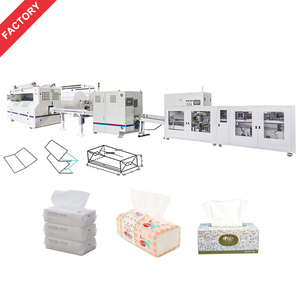
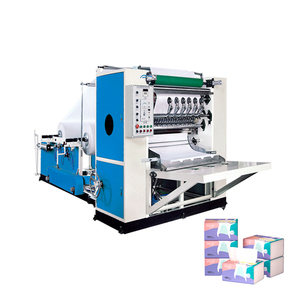
Procurement is shifting away from purchasing standalone wrappers or bundlers toward turn-key, fully automated lines. Modern lines connect parent roll unwinding, embossing, V/N-fold interfolding, log saw cutting, primary wrapping (soft-pack or box), and outer bundle wrapping into a single continuous, non-stop footprint.
2. Eco-Film Compatibility
Global environmental mandates are driving brands away from traditional virgin PE plastics. Future-proof packaging machines must process ultra-thin bio-degradable films, recyclable CPP/BOPP laminates, and paper-wrapper substrates without suffering thermal seal burn-through or film feeding jams.
3. Rapid Toolless Format Changeover
With SKU proliferation (travel packs, family packs, pocket tissues, cube box tissues), tissue factories demand changeovers under 15 minutes. Servo memory positioning now allows operators to select pre-programmed dimensions on an HMI touchscreen, auto-adjusting conveyor guides and sealing jaws.
4. Shift from Box Cartoning to Soft-Pack Bundling
While premium markets retain rigid cardboard box packaging, global consumer demand is heavily favoring soft-pack poly-wrapped facial tissues due to lower unit costs, lower freight volume, and moisture protection. Procurement focus in Asia, South America, and Africa has rapidly shifted toward high-speed primary soft wrappers coupled with automatic multi-pack bundle bundlers.
5. Predictive Maintenance & IoT Edge Analytics
Top-tier Chinese machine builders are equipping PLC control systems with cloud diagnostics and optical sensors. Maintenance engineers can monitor bearing temperatures, servo torque anomalies, blade wear patterns, and heater band lifespans in real-time, preventing costly unplanned line stoppages.
Key Product Development & Technological Trends
The mechanical and electronic engineering behind facial tissue packaging has evolved dramatically. Below is an engineering overview of the technological breakthroughs built into contemporary Chinese packaging machinery:
Full Multi-Axis Servo Motion
Legacy mechanical gearboxes, chains, and line-shafts are replaced by independent motion-controlled servo motors (up to 10–14 axes per line). Each step—film feeding, tissue pushers, side folding tuckers, end sealing belts, and cutting knives—is synchronized electronically with microsecond precision.
Vacuum-Assisted Sheet Transfer
Handling soft, low-GSM tissue paper logs at high speeds requires specialized suction belts and pneumatic grippers. Vacuum transfer systems prevent tissue compression, distortion, or sheet alignment skewing before the product enters the film wrapping zone.
Intelligent Thermal Sealing
Uniform heat transfer is vital when sealing poly films at high linear velocities. Advanced thermal controllers utilize PID loops and dynamic heat compensation, automatically adjusting heating element temperatures proportional to line speed changes to prevent open seals or film melting.
Optical Vision Registration & Automatic Scrap Ejection
High-end packaging lines integrate high-speed vision sensors to detect misaligned print register marks on wrapping films, improper tissue stack heights, or open pack edges. Substandard packs are automatically diverted via pneumatic pushers without reducing main line production velocity.
Technical Comparison Matrix: Packaging Machine Categories
To assist machinery buyers in matching equipment parameters with operational goals, the technical matrix below highlights key performance attributes across primary packaging machine types:
| Machine Category | Typical Speed | Film / Material Type | Control Architecture | Primary Advantage |
|---|---|---|---|---|
| High-Speed Soft-Pack Wrapper | 80 – 150 bags/min | CPP, PE, BOPP (22-35 µm) | Multi-axis Servo PLC + Touch HMI | Maximum throughput for consumer soft-pack tissue lines. |
| Carton Box Tissue Packing Line | 40 – 80 boxes/min | Duplex Board / Corrugated Box | Mechanical Push + Servo Infeed | Premium retail aesthetic; rigid protection for premium tissues. |
| Bundle Packaging Machine (Overwrapper) | 20 – 40 bundles/min | PE Heavy Duty Master Film | Dual-drive Servo + Heat Tunnel | Groups 5-24 single soft packs into wholesale master bags. |
| Semi-Automatic Bag Filling Machine | 15 – 30 bags/min | Pre-made PE Bags | Pneumatic + Single Motor | Low capital expenditure; ideal for start-up operations. |
| Servo Wet Wipes / Facial Wipes Line | 60 – 100 packs/min | PET/PE, Aluminum Foil Film | Full Motion Servo + Liquid Dosing | Hermetic liquid-tight sealing for anti-bacterial and facial wipes. |
Why Direct OEM Collaboration with Chinese Manufacturing Hubs Delivers Market Leadership
When sourcing industrial tissue paper processing and packaging machinery, direct collaboration with premier Chinese manufacturing hubs (such as Zhengzhou, Henan, and Wenzhou, Zhejiang) provides distinct competitive advantages over secondary distributors or third-party trading agencies:
In-House Mechanical Machining
Leading factories maintain CNC machining centers to fabricate critical components—such as folding rollers, sealing jaws, and cut-off blade holders—in-house, maintaining micro-level tolerances and metallurgical consistency.
Rigorous Factory Acceptance Testing (FAT)
Prior to sea freight dispatch, machinery undergoes continuous 48-hour endurance test runs using actual paper raw materials and client-specified film rolls to verify operating speed, seal strength, and electrical stability.
International Compliance
Export lines are standard-built with CE safety compliance, ISO 9001 quality management verification, safety interlocks, emergency stop loops, and localized electrical standard matching (e.g., 380V 50Hz, 220V 60Hz, 415V 50Hz).
Furthermore, established manufacturers provide end-to-end engineering assistance, including workshop floor plan layout design, utility consumption calculations (air pressure, kW load, steam supply requirements), on-site installation, and comprehensive technical training for customer engineering teams.
Facial Tissue Packaging Machinery Procurement FAQ
Critical answers to help procurement officers and factory owners make informed purchasing decisions.
Ready to Upgrade Your Tissue Converting & Packaging Line?
Connect directly with our engineering team for custom line design drawings, exact machinery quotation specifications, and complete turnkey solution proposals.
Send an Inquiry