Featured Automatic Tissue Machinery Systems
High-speed converting machinery, heavy-duty rewinding production lines, and automated folding solutions engineered for maximum operational efficiency and zero-defect output.
Evaluating Chinese Automatic Tissue Machinery Manufacturers
The global commercial tissue manufacturing sector is undergoing an unprecedented technological shift driven by high-speed automation, raw material cost optimization, and rigid energy efficiency requirements. As the primary industrial hub for global pulp processing and paper conversion machinery, China's leading manufacturing clusters—specifically located in Henan and surrounding industrial zones—supply over 65% of the worldwide B2B volume for toilet paper rewinding, napkin folding, and facial tissue packaging systems.
However, selecting an OEM/ODM machinery supplier requires navigating structural engineering parameters rather than superficial cost metrics. Rigorous technical evaluation demands examining mechanical tolerance levels (such as dynamic balance precision on embossing rollers), PLC synchronicity across multi-servo drives, and compliance with International Quality Standards including CE Machinery Directive 2006/42/EC and ISO9001 Quality Management System.
In-House Precision Machining
Direct control over wallboard casting, wall-plate annealing, and CNC roller machining ensures long-term operational stability and structural rigidity under high vibration speeds.
Pre-Shipment Trial Protocol
Every production line undergoes a minimum 48-hour continuous trial run using real parent jumbo rolls (virgin pulp or recycled paper) to verify tension stability prior to ocean loading.
Custom Engineering & Layout
Full factory floorplan design in 2D AutoCAD and 3D SolidWorks, tailored to local electrical standards (380V/50Hz, 220V/60Hz, 415V/50Hz) and available floor space.
In-Depth Analysis of Key Tissue Converting Lines
Selecting the appropriate machinery line depends on your target finished product (toilet paper rolls, kitchen towels, V-fold/N-fold facial tissues, or table napkins) and raw material specifications. Below is an engineering comparison of the core equipment platforms:
| Machine Series Platform | Parent Roll Width (mm) | Operating Speed Range | Control System Architecture | Core Features & Automation |
|---|---|---|---|---|
| Model 1575 Toilet Tissue Rewinder | 1750 mm Max Width | 180 – 230 m/min | Siemens PLC + Touch Screen HMI | Pneumatic jumbo roll loading, pneumatic tail trimming & sealing, coreless converting option. |
| Model 1880 High-Speed Line | 2150 mm Max Width | 200 – 260 m/min | Delta / Inovance Multi-Servo System | Automatic log ejection, synchronized log saw cutter, steel-to-rubber/steel embossing units. |
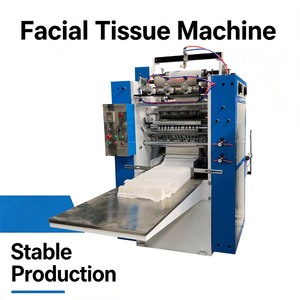
| V-Fold Facial Tissue Machine | Custom (2 to 8 Lanes) | 800 – 1200 sheets/min/lane | PLC + Frequency Converter Control | Vacuum suction folding unit, pneumatic splitting, automatic web counting, precise helical blade shearing. |
| 1/4 & 1/6 Fold Napkin Machine | 230mm – 400mm Unfolded | 600 – 1000 pcs/min | Micro-Computer Digital Sensing | Integrated 1-2 color flexographic printing module, steel-to-wool embossing, digital stack counting. |
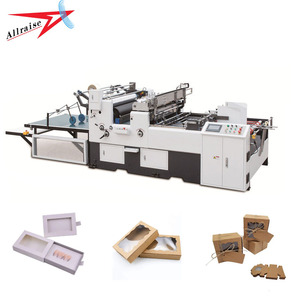
| Cardboard Window Patching Line | Max Sheet 700x1000 mm | 5000 – 7000 sheets/hour | Servo Film Feeding & Glue Applicator | High-speed film suction, micro-adjustment gluing system for premium tissue carton boxes. |
1. Automatic Toilet Paper Roll Rewinding & Perforating Lines
The benchmark platform for toilet roll manufacturing relies on the 1575 and 1880 series rewinding machines. The designation (e.g., 1880) represents the maximum parent roll processing width capacity. These production lines operate on a continuous loop: parent jumbo rolls are mounted onto heavy-duty pneumatic unwinding stands equipped with independent magnetic powder tension units. The tissue sheet passes through a precision embossing roller (steel-to-rubber or steel-to-steel micro-embossing) to enhance bulk softness, followed by a high-frequency helical perforation knife shaft that creates clean tear-off lines.
Once the predetermined sheet length or roll diameter is reached, the machine automatically cuts the paper web, applies spray adhesive for tail sealing, transfers the rewound paper log to an inline buffer system, and feeds the log directly into an orbital high-speed log saw blade. The cut toilet rolls are then directed to semi-automatic or fully automatic bundling and shrink-wrapping machinery.
2. Facial Tissue Drawing & Folding Machinery (V-Fold / N-Fold / Z-Fold)
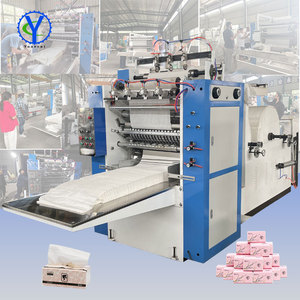
Facial tissue manufacturing demands meticulous tension control and aerodynamic folding precision. Modern automatic lines utilize vacuum suction technology to achieve interfolded tissue stacks (where drawing out one tissue automatically presents the edge of the next sheet). Available in 2-line, 4-line, 6-line, and 8-line output configurations, these machines perform slit-rewinding, embossing, continuous vacuum interfolding, and high-precision transverse cutting.
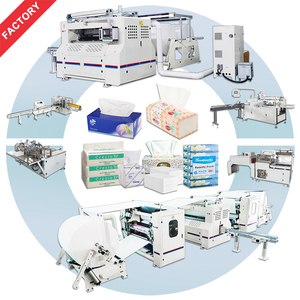
The folded tissue stacks are transferred to fully automated soft-pack film wrappers or box carton packing lines. For high-end gift or retail presentation, integrate an inline Automatic Cardboard Box Film Window Patching Machine, which applies clear PVC/PET film windows to tissue dispenser boxes at high speeds without glue smearing.
3. High-Speed Table Napkin Paper Machines with Flexographic Printing
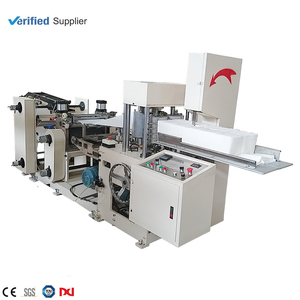
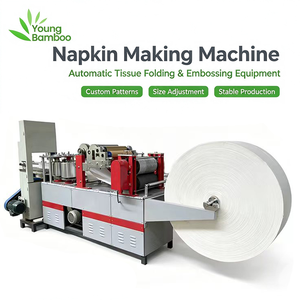
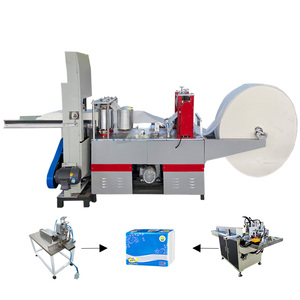
Catering to commercial food service, hospitality, and institutional buyers, napkin tissue machines convert raw parent rolls into finished 1/4 fold, 1/6 fold, or 1/8 fold paper napkins. Key technical features include dynamic steel-to-wool or steel-to-rubber embossing rollers that imprint border designs or corporate logos, paired with 1-color or 2-color flexographic printing units utilizing non-toxic water-based inks.
Future Procurement Trends in Automatic Tissue Machinery
Global buyers importing tissue converting equipment from China are upgrading their operational strategies to align with five dominant industrial shifts projected for 2025 through 2030:
1. Transition from Mechanical Shafts to Full Servo Drives
Traditional line-shaft machinery relying on mechanical gears is rapidly being phased out in favor of multi-axis servo drive architectures (utilizing Schneider, Mitsubishi, or Siemens motion controllers). Full servo conversion reduces mechanical wear by up to 40%, enables instantaneous sheet-length changes via HMI touchscreen without swapping gears, and reduces operational decibel levels significantly.
2. Coreless & Dual-Purpose Log Conversion
Consumer demand is shifting toward eco-friendly coreless toilet paper rolls to lower packaging waste and freight costs. Modern automatic rewinding machines now feature rapid-change conversion kits, allowing operators to switch between paper-core rolls and solid coreless logs within 15 minutes, safeguarding factory investments against changing consumer preferences.
3. Energy Efficient Motors & Heat Recovery Integration
Rising industrial electricity tariffs make motor efficiency paramount. Next-generation Chinese automatic tissue machines are built with IE3/IE4 premium efficiency drive motors combined with variable frequency drives (VFDs). This reduces total kilowatt consumption per ton of finished paper product by 18% to 25% compared to legacy installations.
Industry & Product Development Trends in Tissue Manufacturing
Engineering innovation within China's tissue machinery manufacturing hubs focuses on three critical technology pillars designed to maximize ROI for overseas paper mills and converters:
A. Advanced Embossing Technology: Point-to-Point & Nested Embossing
Traditional single-roller embossing is giving way to sophisticated Point-to-Point (DESL) and Nested Embossing systems. By precise mechanical synchronization of two hardened steel embossing rollers, the plies of tissue paper are bonded together using micro-dot glue application on the raised embossing peaks. This process locks air between paper plies, increasing overall sheet thickness, water absorption capacity, and hand-feel softness by up to 30% while using lower GSM raw paper stock.
B. Smart Factory IoT Diagnostic Interfaces
Leading Chinese machinery exporters are integrating industrial IoT gateway modules into machine PLC cabinets. This capability allows factory engineers in China—with authorization—to perform remote diagnostic checks, update PLC software firmware, analyze operational error logs, and optimize servo curves in real time for international buyers located across Europe, South America, Africa, and Southeast Asia.
C. Closed-Loop Automatic Web Tension Control
Inconsistent jumbo roll quality (varying density, moisture spikes, or edge tears) is the leading cause of downtime on high-speed converting lines. Modern automated equipment incorporates ultrasonic web-edge sensors and pneumatic dancer arms connected to closed-loop magnetic particle brakes. The system continuously adjusts unwinding brake torque in milliseconds, maintaining constant web tension and virtually eliminating paper snap during acceleration.
Why Direct-Sourcing from China's Top Tissue Machine Wholesaler Matters
Sourcing tissue machinery directly from verified Chinese OEM factories eliminates trading company margins and grants overseas buyers direct access to custom machine modification, genuine spare parts inventory, and structural engineering expertise.
Quality Certification & Compliance
Strict adherence to ISO9001 quality management guidelines and full European CE electrical and mechanical safety compliance, certified by independent auditing firms including TÜV Rheinland.
Turnkey Workshop Engineering
From raw jumbo roll storage planning and pneumatic line routing to industrial steam boiler integration, our engineering teams provide complete factory layout blueprints for hassle-free installation.
Global Commissioning & Support
Deploying experienced installation technicians worldwide to manage physical machine alignment, electrical hookups, operator training, and initial production run tuning.
Frequently Asked Questions (FAQ) for Global Buyers
Detailed answers to the most common commercial, operational, and technical questions encountered during the procurement of automatic tissue machinery from Chinese suppliers.
Request Your Customized Tissue Line Layout & Quotation
Connect directly with senior paper machinery engineers. Receive customized 2D/3D factory layout drawings, detailed machine specifications, and transparent FOB/CIF pricing within 24 hours.