Featured CE-Certified Soft Pack Tissue & Converting Machinery
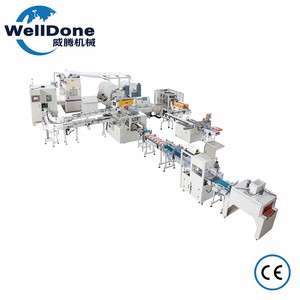
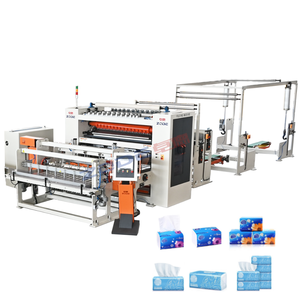
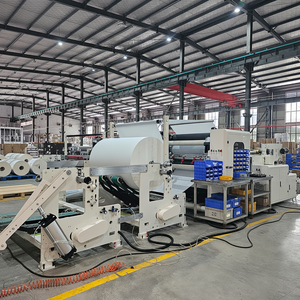
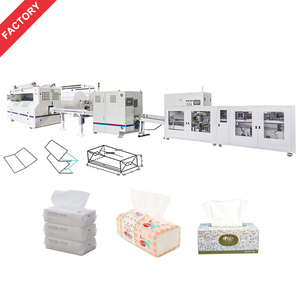
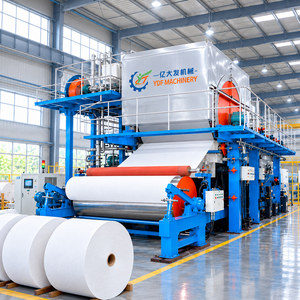
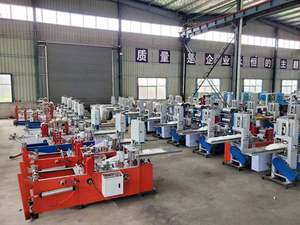
Explore our top-performing industrial converting equipment, engineered specifically for high-capacity soft-pack facial tissue production, multi-lane interfolding, and high-efficiency paper packaging.
1. Industrial Overview: The Soft-Pack Tissue Market Shift
In contemporary hygienic paper manufacturing, soft pack facial tissue machinery represents the fastest-growing sector within the converting industry. Global consumer preferences have experienced a massive structural shift away from rigid, space-inefficient cardboard box tissues toward flexible, moisture-resistant, and eco-friendly flexible soft packs. For industrial paper tissue wholesalers, commercial converters, and FMCG brand owners, investing in high-speed, CE-certified soft pack tissue production machinery is no longer merely an option—it is a critical imperative for maintaining competitive operational margins and market share.
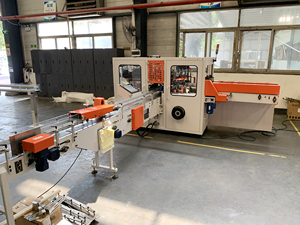
As a premier OEM/ODM original manufacturer headquartered in Zhengzhou, Henan, Seasia Tissue Equipment Co., Ltd. leads the industry in delivering automated, multi-lane soft pack tissue converting lines. Engineered to strict European Union Safety Directives (CE certified) and ISO9001 quality management benchmarks, our machinery integrates advanced servo motion control, vacuum absorption interfolding (V-Fold & N-Fold), automatic log slitting, and continuous flow wrapping into a single seamless manufacturing ecosystem.
2. Deep Engineering: How Modern Multi-Lane Soft Pack Tissue Lines Work
Achieving operational perfection in high-speed tissue converting requires a precise balance of mechanical synchronization, tension pneumatic management, and optical sheet alignment. Standard converting machinery often suffers from sheet tearing, inconsistent folding tension, and frequent jam-ups when processing low-GSM (12.5–15 gsm) recycled or non-wood pulps. Our engineering team addresses these friction points through advanced motion drive architecture.
Vacuum Absorption V-Folding
Utilizes high-pressure Roots vacuum pumps coupled with CNC precision-drilled folding rollers to achieve seamless V-fold (interfolded) tissue draw at speeds exceeding 130 meters per minute without damaging delicate tissue fibers.
Servo-Driven Web Tension
Independent Siemens servo motors manage jumbo roll unwinding stands. Closed-loop tension control sensors dynamically adjust unwinding torque to prevent web snapping during rapid acceleration and deceleration cycles.
Automated Orbital Log Sawing
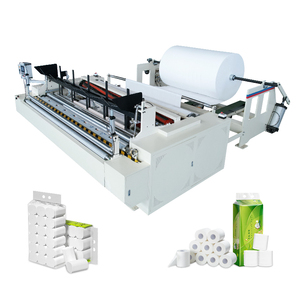
High-speed rotary log saw units feature servo-controlled blade feeding, automatic grinding stone sharpening, and optical sensors to ensure ultra-clean, square cuts with zero edge crushing.
Technical Specification Matrix: Soft-Pack Converting vs. Traditional Box Facial Lines
| Performance Metric | Seasia Multi-Lane Soft-Pack Line | Legacy Rigid Carton Box Line | Wholesaler Advantage / ROI Impact |
|---|---|---|---|
| Production Output Speed | Up to 1000–1200 sheets/min/lane (10-Lane) | 400–600 sheets/min/lane | +120% Productivity Increase |
| Packaging Material Cost | BOPP / CPP Soft Poly Film ($0.002/pack) | Printed Duplex Cardboard ($0.045/box) | 85–90% Reduction in Packaging Capex |
| Shipping Freight Efficiency | High density, flexible compression packing | Rigid volumetric space wastage | 40% Savings on Sea Container Freight |
| Raw Material Versatility | Virgin pulp, Bamboo pulp, Bagasse, Recycled | Strictly high-GSM Virgin Pulp | Broad raw material sourcing options |
| Automation & Labor Requirement | 1 Key Operator + 1 Packing Assistant | 4–6 manual box loaders | 60% Reduction in direct labor costs |
3. Strategic Outlook: Future Procurement Trends in Tissue Machinery (2025–2035)
Procurement directors and factory owners evaluating capital machinery investment must look beyond short-term machine pricing. Purchasing tissue machinery requires an intimate understanding of where the global tissue market is heading over the next decade. Based on market data, regulatory shifts, and technological breakthroughs, we identify four critical trends shaping future tissue converting machinery procurement:
1. Transition to Biodegradable & Mono-Material Soft Wrapping
Environmental legislation across the European Union, North America, and Southeast Asia is forcing brand owners to move away from multi-layer non-recyclable plastics. Modern soft-pack tissue wrapping machines must be capable of heat-sealing ultrathin recyclable PE mono-materials, bio-based PLA films, and paper-based wrapping substrates without burn-through or seal leakage.
2. Raw Material Diversification & Non-Wood Pulp Conversion
With virgin wood pulp prices experiencing volatile price spikes, commercial paper mills are increasingly adopting alternative fiber sources—most notably bamboo pulp, sugarcane bagasse, and straw fibers. Future-proof tissue machines require specialized embossing rollers, adjustable vacuum suction valves, and static elimination units tailored for short-fiber non-wood pulps.
3. Industry 4.0 IoT Integration & Real-Time OEE Monitoring
Smart factories demand transparent machine performance analytics. Next-generation soft pack tissue machines feature integrated PLC systems with cloud connectivity. Factory managers can monitor Real-Time OEE (Overall Equipment Effectiveness), track energy consumption per ton of paper, receive predictive maintenance alerts for blade sharpening, and diagnose electrical faults remotely via secure encrypted bridges.
4. Modular Expandability: Box-Draw & Soft Pack Hybrid Lines
Savvy machinery buyers prioritize modular line configurations. Rather than purchasing isolated standalone units, wholesalers prefer interfolding units equipped with dual output channels that can route folded logs either to high-speed soft-pack flow wrappers or to automated carton box-cartoning units based on fluctuating market demand.
4. Industry Evolution: From Manual Crafting to Fully Automated Lines
To fully appreciate the engineering advancements embedded in modern CE Certified Soft Pack Tissue Machinery, it is necessary to examine the historical evolutionary path of tissue converting technology over the past three decades:
Manual & Semi-Auto Folding
Mechanical claw folding with limited lane capacity (1–2 lanes). Required manual counting, manual stacking, and manual heat-sealing of poly bags. High labor cost, uneven fold precision, and severe speed bottlenecks below 30m/min.
Pneumatic Multi-Lane Lines
Introduction of vacuum-assisted interfolding across 4 to 6 lanes. Basic PLC controls enabled auto-counting and mechanical blade cutting. However, wrapping remained partially disconnected, requiring transfer conveyors and frequent human intervention.
Full Servo Smart Lines
Fully integrated 10 to 12-lane continuous production lines. Complete electronic gear synchronization (Virtual Master Shaft), automated soft-pack wrapping, auto bundling, and robot palletizing options capable of running 24/7 with zero downtime.
5. Why Choose Seasia Tissue Equipment: Enterprise Advantages
Selecting an industrial machinery vendor is a high-stakes capital commitment. As an audited supplier evaluated by TÜV Rheinland and holding full CE and ISO certifications, Seasia Tissue Equipment Co., Ltd. provides comprehensive guarantees that protect your investment from initial layout planning to long-term commercial production.
Factory-Direct Customization & OEM Flexibility
Unlike trading intermediaries, we own and operate our primary manufacturing facility in Zhengzhou, Henan. Every soft pack tissue machine is customized around your specific voltage requirements (220V/380V/415V/440V, 50/60Hz), local raw material roll widths, custom logo embossing artwork, and desired pack dimension ranges.
100% Pre-Shipment Factory Paper Acceptance Test (FAT)
We adhere to a strict quality protocol: No machine leaves our factory floor until it has completed a full continuous test run using customer-supplied jumbo paper rolls. Clients receive detailed high-speed operational videos, cutting precision reports, and full electrical diagnostic logs prior to container loading.
Free Engineering CAD Workshop Layout & Engineering Design
Before you issue a purchase order, our senior engineering team drafts customized 2D CAD and 3D plant layout diagrams. We optimize raw material storage positioning, finished product flow, compressed air piping, electrical conduits, and operator safety walkways tailored specifically to your factory floor dimensions.
Global On-Site Installation & Lifetime After-Sales Support
Our overseas service teams provide complete overseas commissioning, mechanical calibration, and operator training. Additionally, we maintain a comprehensive inventory of original spare parts (including cutting blades, heating strips, vacuum belts, and PLC modules) ready for rapid international courier dispatch.
6. B2B Buyer FAQ: Frequently Asked Procurement Questions
Below are direct, expert answers to the most common technical and commercial questions posed by global procurement managers when purchasing soft pack tissue machinery.
Ready to Upgrade Your Tissue Converting Plant?
Contact our senior engineering team today to receive a customized quotation, detailed technical proposal, and free 3D plant layout design within 24 hours.